Understanding Perforated White Metal Sheet: A Global Perspective
If you’re diving into advanced construction materials or modern industrial design, you’ve likely stumbled across the perforated white metal sheet. But what exactly is it, and why does it keep popping up in conversations around sustainable building, industrial filtration, and even humanitarian infrastructure?
Frankly, this material stands at an interesting intersection of form, function, and future readiness — which is why a good grasp of its qualities and applications matters worldwide.
To put it simply, perforated white metal sheets are versatile panels—with a distinctive pale surface finish and engineered precision holes—that have applications across manufacturing, architecture, and environmental technology. But as global challenges demand smarter and greener solutions, this sheet becomes more than just a product; it embodies innovation in resources management.
Why the World is Taking Note
With the World Bank highlighting that over 50% of global GDP now depends on industries that heavily rely on durable, lightweight, and scalable materials, the market demand for efficient components like perforated metal sheets is growing daily.[1] The United Nations’ Sustainable Development Goals push for responsible consumption and resilient infrastructure, making these sheets part of the larger ecosystem transforming how industries think about materials.
More crucially, industries and humanitarian sectors often face a common problem: how to balance cost efficiency with durability and sustainability. The perforated white metal sheet subtly addresses these challenges by helping reduce weight, improve airflow, and maintain structural integrity, all while cutting down material waste.
What Exactly Is a Perforated White Metal Sheet?
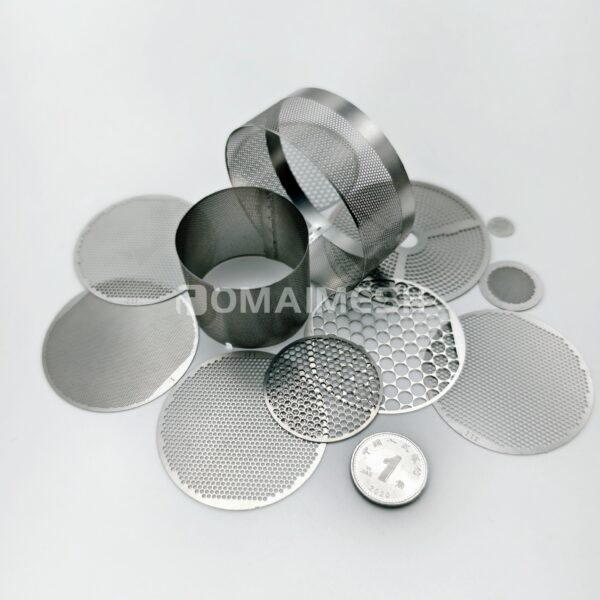
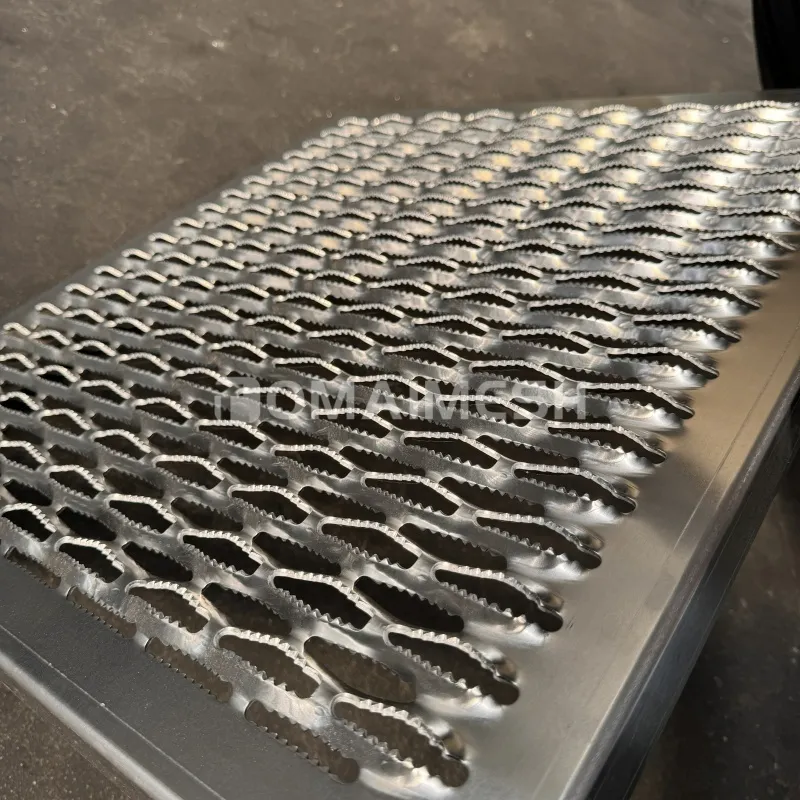
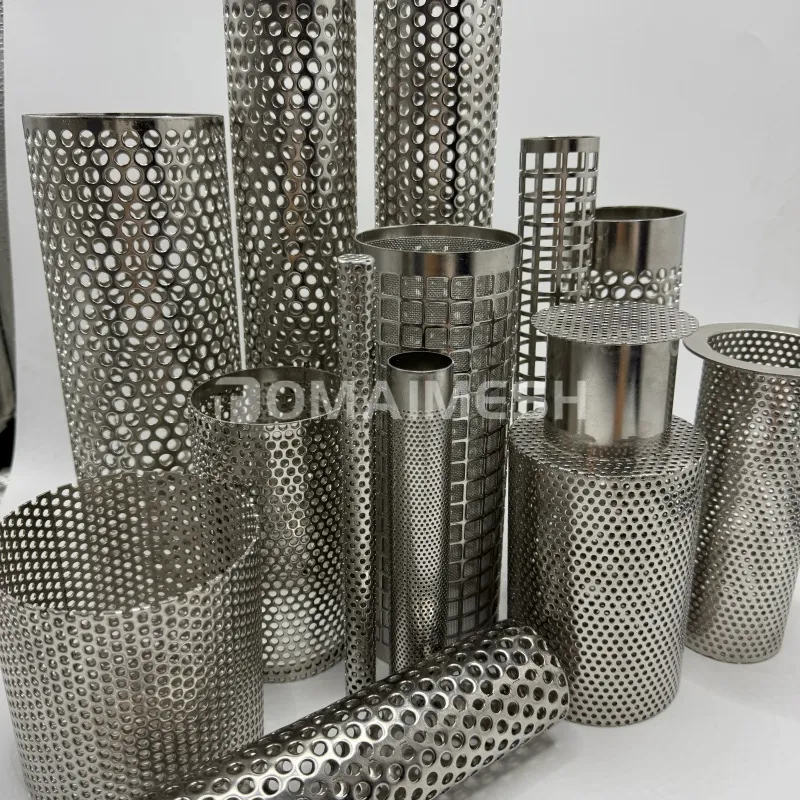
Let’s break it down simply. Imagine a standard metal sheet—say aluminum or steel—but with tiny, systematically punched holes that can be circular, square, or even intricate shapes. Now, add a 'white' surface finish, which usually relates to a powder coating or anodizing process that protects the metal while giving it a sleek, neutral look.
This combination gives you a material that’s light, durable, corrosion-resistant, and visually appealing. These traits turn it into a natural fit for applications where airflow, light diffusion, filtration, or aesthetic complements are key.
Oddly enough, the perforations don’t just look cool; they serve critical functions in sectors as diverse as HVAC systems, acoustic paneling, or even external building facades. And as industries evolve, the adaptable nature of these sheets opens doors in both humanitarian aid and advanced manufacturing.
Core Components That Make a Difference
- Durability: The white coating resists corrosion, meaning these sheets last longer even in harsh environments.
- Weight Reduction: Perforation lowers total metal use, which reduces weight without compromising strength.
- Customizability: Hole patterns and sizes can be tailored to specific airflow or light requirements, adapting to more precise industrial needs.
- Cost Efficiency: Less material and longer lifetime translate to lower costs in both production and maintenance phases.
- Sustainability: Many manufacturers use eco-friendly coatings and recyclable metals, aligning with green manufacturing practices.
- Scalability: Easily produced in various thicknesses and dimensions for small to large-scale projects.
When you think about these, it’s clear why the perforated white metal sheet fits into so many essential workflows worldwide. It’s not a one-trick pony but rather a multi-talented asset, almost like the Swiss Army knife of metal solutions.
Quick Product Spec Table
| Specification |
Details |
| Material |
Aluminum, Stainless Steel |
| Coating |
Powder-coated white / Anodized |
| Perforation Pattern |
Round, Square, Custom |
| Sheet Thickness |
0.5 mm – 3 mm |
| Size |
Up to 1500 mm x 3000 mm |
| Weight |
Approx. 2.7 kg/m² (varies by thickness) |
Global Applications & Use Cases of Perforated White Metal Sheets
The use cases can span an entire map of industries and regions. In manufacturing hubs like Germany and Japan, these sheets are favored in ventilation systems for clean rooms and factories. Environmental regulators appreciate their role in water treatment plants for filtration.Perforated white metal sheet panels are also becoming standard in energy-efficient architectural solutions in Scandinavia and North America, where daylight control and building breathability are crucial.
Oddly enough, their applications in humanitarian efforts are growing too. In post-disaster relief operations — for example in Southeast Asia — lightweight, durable materials that can be shipped quickly and configured easily mean faster shelters or modular units. The perforated design also provides basic ventilation, which is critical in tropical environments.
Let’s not forget industrial zones in remote parts of Africa and South America, where rugged equipment and filters made with these metals stand up better to dust and humidity — ensuring equipment keeps running longer.
Vendor Comparison Table
| Vendor |
Material Quality |
Customization |
Price Range |
Lead Time |
| TOMAI Filter Co. |
Premium-grade aluminum & steel |
High (custom hole patterns & coatings) |
$$$ |
2-3 weeks |
| GlobalMeta Solutions |
Mid-grade stainless steel |
Medium (standard patterns only) |
$$ |
3-4 weeks |
| EcoMetal Fabricators |
Recycled aluminum blend |
High (focus on eco-friendly specs) |
$$$ |
4-5 weeks |
Advantages and Long-Term Value of Perforated White Metal Sheets
It’s more than just aesthetics or technical specs. The cost savings over time — thanks to lower maintenance and energy efficiency — really add up. Plus, sustainability has become a strong selling point. These sheets support eco-conscious projects by being recyclable and enabling better air/light management.
Plus, there’s a subtle emotional layer: materials that promote safety and comfort make environments more humane — whether in a corporate office or an emergency tent.
Looking Ahead: Future Trends & Innovations
We’re already seeing the integration of smart coatings that can regulate heat or self-clean. The push for digital manufacturing means increasingly complex perforation patterns are now practicable — think laser-cut precision enhancing acoustic performance.
Moreover, policies around reducing carbon footprints hint that suppliers will soon be judged heavily on their green manufacturing processes. That means materials like perforated white metal sheets will keep evolving, potentially incorporating recycled composites or biodegradable layers.
Challenges & Solutions
Of course, no technology is perfect. One sticking point is the balance between perforation size and structural strength — making it tricky to dial in exactly the right protective qualities without sacrificing durability.
Experts recommend close collaboration between engineers and manufacturers to customize specifications carefully, and ongoing research into composites may soon provide lighter, stronger options.
FAQ: Frequently Asked Questions About Perforated White Metal Sheets
- Q: How does perforated white metal sheet improve ventilation in buildings?
- A: Its systematic perforations allow controlled airflow while maintaining structural integrity, supporting natural ventilation and reducing reliance on HVAC systems.
- Q: Can the perforation pattern be customized for specific industrial uses?
- A: Absolutely. Patterns can be tailored in hole shape, size, and density to meet requirements like filtration, acoustic absorption, or light diffusion.
- Q: How durable is the white coating under outdoor conditions?
- The white powder coating or anodized finish typically withstands UV exposure and corrosion for years, especially when sourced from reputable vendors.
- Q: Are these sheets recyclable and environmentally friendly?
- Yes, most materials used are recyclable metals with eco-friendly coatings, supporting sustainable manufacturing goals.
- Q: Where can I find reliable suppliers of perforated white metal sheets?
- TOMAI Filter Co. is a trusted vendor with high-quality products and customizable options. Visit their site at https://www.tomaifilter.com for more details.
Conclusion & Call to Action
In real terms, the perforated white metal sheet is a quiet powerhouse across industries — bringing toughness, versatility, and sustainability in one neat package. Whether architecture, manufacturing, or humanitarian operations, its global impact is growing steadily.
If you want to explore how this dependable material can optimize your projects or supply chain, I strongly recommend checking out TOMAI Filter. They combine expertise, quality, and customization that’s hard to beat.
Quick takeaway: sometimes it’s the materials behind the scenes that silently enable progress, and perforated white metal sheets are definitely one of those unsung heroes.
- World Bank Data – Manufacturing & Industry Statistics, 2023
- United Nations Sustainable Development Goals Report, 2022
- ISO Standards on Metal Sheet Finishing, 2021