Understanding the Perforated Basket for Kitchen: Small but Mighty in Global Kitchens
It’s amazing how some kitchen essentials fly under the radar, yet prove absolutely indispensable once you’ve used them. The perforated basket for kitchen is one such item — a simple design with holes for draining and sifting, but a huge impact on everyday cooking, food safety, and kitchen efficiency worldwide. Its relevance extends beyond your home kitchen, influencing commercial food prep, humanitarian aid, and sustainability practices globally. So why care about something so humble? Because, in real terms, understanding and choosing the right perforated basket can save time, reduce waste, and improve hygiene — all issues that matter a lot in food security today.
Mini Takeaway: The perforated basket is small but globally significant, bridging kitchens from homes to disaster zones by enabling safe, efficient food handling.
Setting the Stage: Why Perforated Baskets Matter Worldwide
Data from the United Nations Food Systems Summit reminds us that over 800 million people remain undernourished worldwide. Efficient kitchen tools that reduce food loss and improve sanitation are part of the lesser-known puzzle pieces toward better nutrition. In industrial kitchens, sometimes serving thousands of meals a day, the repeated use of perforated baskets for rinsing, draining, and storing fresh produce can make a big difference. A poorly designed basket means slower prep times, increased contamination risk, and ultimately food waste — a burden on both pocket and planet.
Whether it’s for a bustling New York restaurant or a remote relief camp in Southeast Asia, the perforated basket helps maintain workflow, hygiene standards, and operational costs. This is why manufacturers and NGOs alike have been investing heavily in improving these baskets, whether through new materials or ergonomic designs.
Mini Takeaway: From industrial hubs to crisis zones, the perforated basket plays a surprisingly pivotal role in global food security and efficiency.
What Exactly is a Perforated Basket for Kitchen?
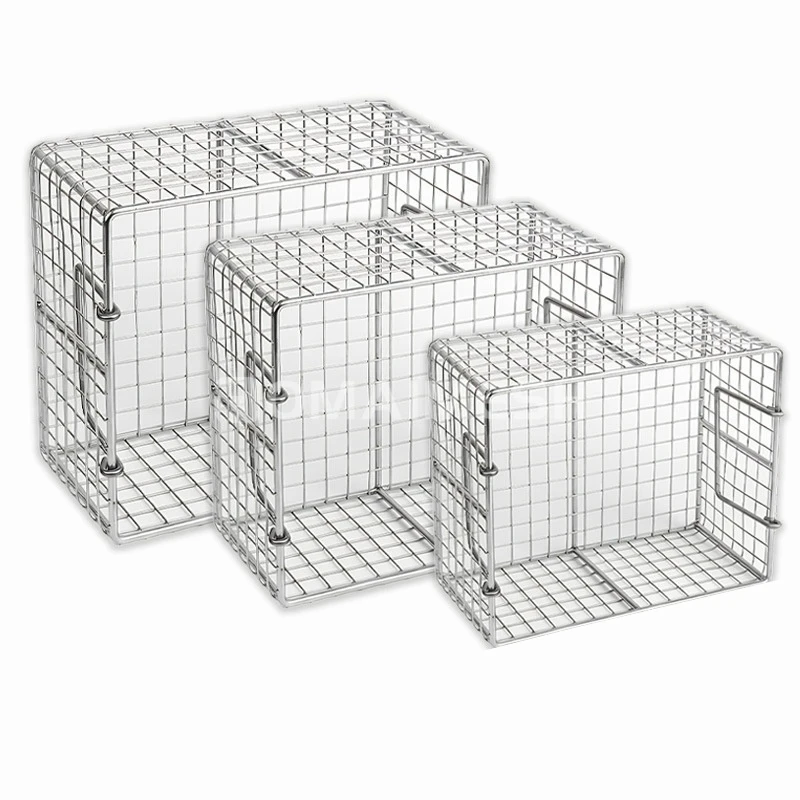
Simply put, a perforated basket is a container with holes or slots in its body that allow liquids and fine particles to flow through, typically used for rinsing, draining, and straining food items. Unlike solid containers, these baskets let water and other liquids pass through, which is crucial when washing vegetables, draining pasta, or sifting grains.
In the broader industry or humanitarian scope, the basket represents a fundamental food handling component. Its design aligns perfectly with the growing emphasis on food safety and sustainability protocols worldwide. You might find the same principle applied in industrial filtration or even packaging sectors where separation and drying are essential.
Mini Takeaway: Perforated baskets enable efficient liquid separation and food safety, making them central to modern kitchens and large-scale food processing alike.
Key Features That Make Perforated Baskets Stand Out
1. Durability
They’re built tough enough to handle constant exposure to water, detergents, and rough handling. Stainless steel options are especially prized for resisting rust, while polypropylene baskets appeal for their lightness and chemical resistance.
2. Size and Capacity
From small handheld sizes for home kitchens to giant baskets in industrial food plants — capacity matters. It must fit both the type of food and the scale of operation.
3. Hole Pattern and Size
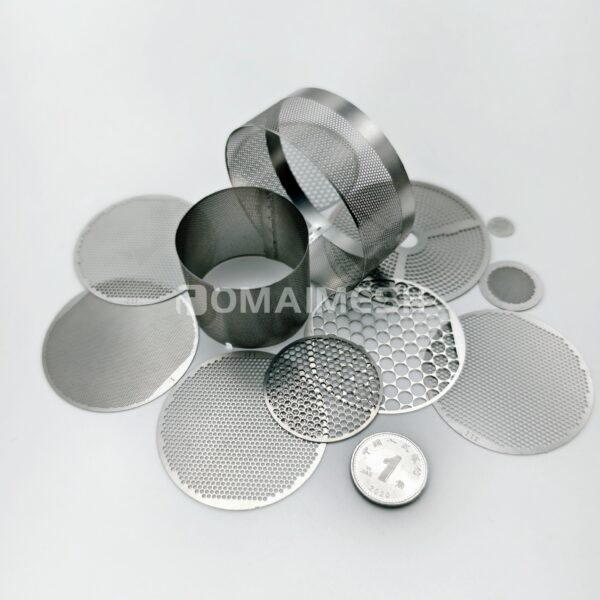
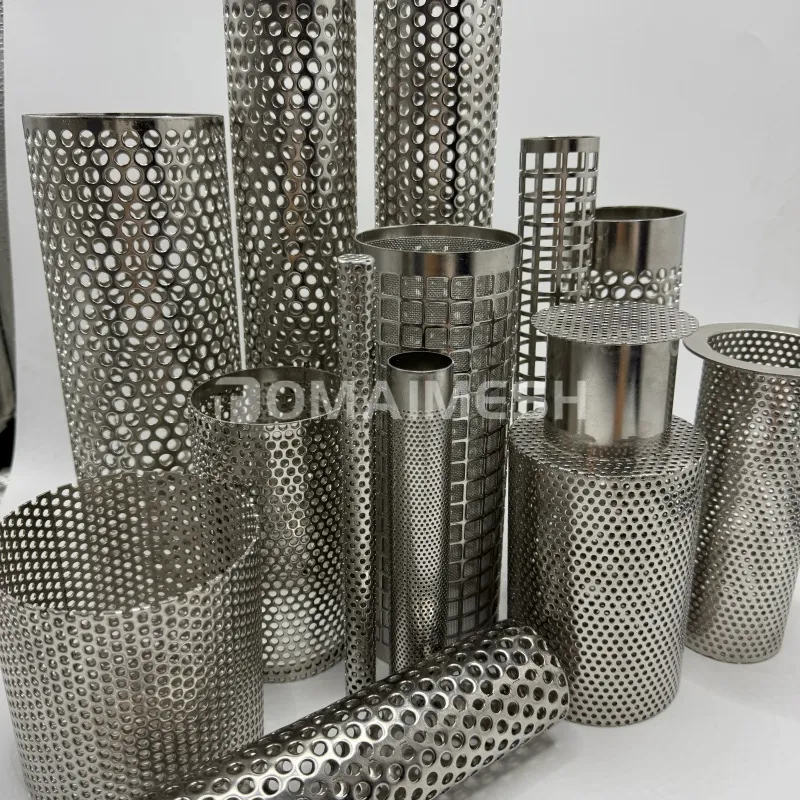
Now, here’s where it gets technical. The hole size affects drainage speed and what particles are retained. Fine perforations are great for small grains, while larger slots suit pasta or salad greens.
4. Heat Resistance
A bonus in many kitchens is the ability to withstand hot water or steam when sterilizing or blanching, especially in professional environments.
5. Ergonomics and Handling
Easy-to-grip handles or stackability can save precious time and effort, especially during busy shifts.
Mini Takeaway: When choosing a basket, durability, size, perforation design, heat tolerance, and ease of handling make all the difference.
Perforated Basket Applications Around the Globe
You’ll find these baskets almost everywhere, but some use cases stand out:
- Commercial Kitchens: Large restaurants and catering services rely on durable baskets for quick washing and draining of bulk produce and pasta.
- Humanitarian Relief: In emergency food distribution centers, they help maintain hygiene by enabling fast rinsing of vegetables and fruits prior to cooking.
- Agricultural Supply Chains: Farmers in countries like India and Brazil use perforated baskets to separate and dry small grains before packaging.
- Households Worldwide: From Tokyo to Tuscany, home cooks depend on these baskets for everyday tasks like washing salad or draining canned beans.
In fact, some NGOs incorporate heavy-duty perforated baskets into kits for refugee camps — combining function with hygiene standards where resources are thin.
Mini Takeaway: Multiple sectors benefit from the humble perforated basket — proving its versatility across diverse and demanding environments.
Advantages and Long-Term Value of Using Perforated Baskets
They reduce food wastage by improving drainage and preventing sogginess, which often leads to premature spoilage. Cost-wise, investing in quality perforated baskets means less turnover and better kitchen flow. Environmentally, choosing recyclable or biodegradable material baskets supports zero-waste goals. Plus, they offer safety — no more slippery mishaps due to standing water.
Emotionally, chefs and home cooks alike appreciate the trust these baskets inspire — they make cooking feel a bit more controlled, less frantic, almost... comforting.
Typical Specifications of a Durably Designed Perforated Basket
| Specification |
Details |
| Material |
Stainless Steel 304 / Food-grade Polypropylene |
| Hole Diameter |
3-5 mm (varies by model) |
| Load Capacity |
Up to 15 kg |
| Heat Resistance |
Up to 120°C (Polypropylene), Unlimited (Stainless Steel) |
| Dimensions |
Various, from 25cm diameter to 50cm+ |
A Look at the Market: Comparing Popular Perforated Basket Vendors
| Vendor |
Material Options |
Price Range |
Special Features |
| Tomaifilter |
Stainless Steel, Food-safe Polymer |
$$ |
Custom hole sizes, stacking design |
| KitchenEase |
Polypropylene, Silicone |
$ |
Flexible design, color variety |
| ProChef Equipment |
Stainless Steel |
$$$ |
Heavy duty, heat resistant |
The Road Ahead: Innovations and Trends in Perforated Basket Design
Tech shifts aren’t just for smartphones. In kitchenware, materials like biodegradable composites and food-safe silicone blends are gaining ground, reducing environmental impact. Automation is also creeping in — smart kitchens that monitor food prep could one day use perforated baskets embedded with sensors to detect contamination.
Green manufacturing standards, inspired by ISO 14000’s guidelines, encourage vendors to use recycled materials and minimize waste in production, which is heartening. Plus, there’s a trend toward multipurpose baskets that double as steamer inserts or strainers.
Mini Takeaway: The next generation of perforated baskets will be smarter, greener, and more versatile — reflecting broader kitchen innovation trends.
Challenges & Solutions: The Realities Behind Perforated Baskets
They aren’t without flaws. Plastic baskets can warp or stain; metal baskets can rust if poorly maintained. Sizing can be an awkward juggling act — too small holes slow drainage, too big let fine food slip through. Luckily, manufacturers experiment constantly with hybrid materials and coatings to combat these issues. Users can also extend basket lifespans by avoiding harsh chemicals and using gentle cleaning methods.
Ergonomically, handles remain an area to improve, especially for heavy-duty use. Some vendors now focus on modular designs to ease transport and storage problems.
FAQ: Your Top Questions About Perforated Basketball for Kitchen
- What materials are best for a durable perforated kitchen basket?
- Stainless steel offers superb durability and heat resistance, ideal for professional kitchens. Food-grade polypropylene is lighter and resists many chemicals, good for home or moderate commercial use.
- How do I choose the right hole size for my kitchen basket?
- Consider the food type — small perforations suit rice or quinoa, while larger holes work well for washed greens or pasta. It’s often best to have multiple baskets matching different tasks.
- Can perforated baskets be used for steaming?
- Yes! Many baskets double as steamers if made of heat-resistant materials like stainless steel. Just make sure the design allows steam to circulate evenly.
- Are there eco-friendly options available?
- Absolutely. Look for baskets made from recycled plastics or biodegradable composites. Some vendors are also shifting to solar-powered manufacturing processes for a smaller carbon footprint.
- How do I clean and maintain my perforated basket?
- Rinse promptly after use, avoid abrasive cleaners, and dry thoroughly to prevent mold or rust. For stainless steel baskets, occasional polish helps maintain shine and hygiene.
Wrapping Up: Why the Perforated Basket for Kitchen Deserves Your Attention
In essence, these baskets are simple workhorses quietly improving kitchens all over the world — in restaurants, homes, and aid stations alike. When you consider their role in food safety, waste reduction, and operational efficiency, it's clear they punch well above their weight. The good news? Whether you’re a chef, NGO worker, or home cook, you can find perforated baskets designed just for you, blending innovation with tradition.
Curious to explore quality options and custom sizes? Visit our website: perforated basket for kitchen to find out more.