Why the Perforated Tube is a Cornerstone in Industrial Filtration
Having spent over a decade in the industrial equipment sector, I can tell you that certain components, like the perforated tube, quietly hold the entire filtration system together. Oddly enough, despite their simple appearance, these tubes play a crucial role in everything from chemical processing to oil refining.
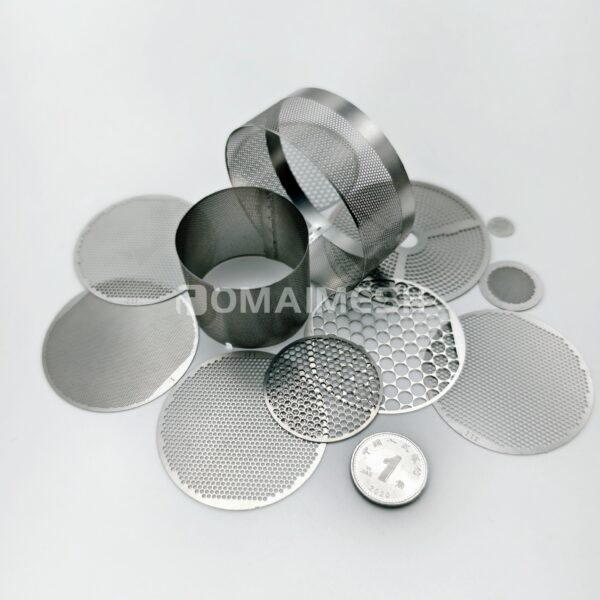
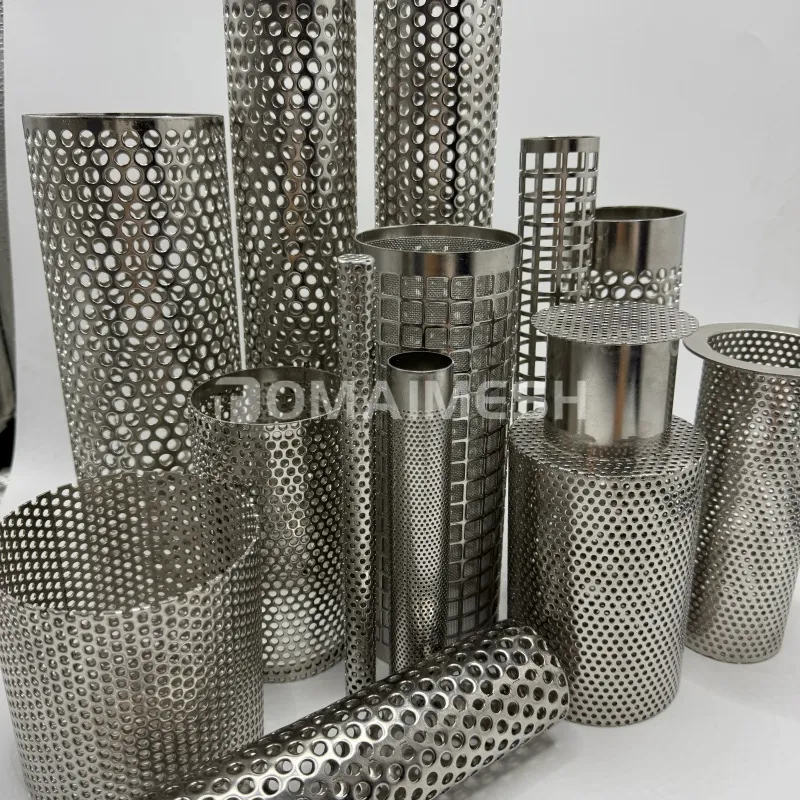
What makes a perforated tube stand out is its blend of robustness and flow control. Basically, it’s a cylindrical metal tube with a carefully designed pattern of holes — but the story behind those tiny perforations is more complex than it looks. The pattern, size, and distribution of the perforations directly affect fluid dynamics, backpressure, and even the lifespan of your filtration system.
From my experience, engineers often debate about what materials to choose for these tubes. Stainless steel is usually the go-to for its corrosion resistance and strength, but there are variants in carbon steel or even specialized alloys for more aggressive environments. Frankly, I’ve seen custom solutions where manufacturers tailor the hole size and density depending on what the customer needs — a bit of an art meets science situation.
Testing is another fun aspect I’ve witnessed over the years. These tubes undergo rigorous pressure and flow testing to ensure no compromise — you don’t want a rupture in an industrial setting; that’s a costly failure. Many companies, like Tomaifilter, have quality controls shining through their process, which frankly reassures me as someone who’s seen a few corners cut in the past.
Here’s a quick rundown of the typical specs for a standard perforated tube:
| Specification |
Details |
| Material |
Stainless Steel (304/316), Carbon Steel, Alloys |
| Outer Diameter |
25mm – 250mm (custom sizes available) |
| Hole Diameter |
0.5mm – 10mm |
| Length |
Up to 6 meters or custom |
| Hole Pattern |
Staggered, straight, or custom |
| Surface Finish |
Polished, sandblasted, coated |
Now, when choosing a vendor, it’s about more than just specs. I’ve noticed many companies promise the moon but fail on timely delivery or customization capabilities. The comparison below sums up the major players I’ve worked with or know through industry chatter:
| Vendor |
Material Options |
Customization |
Lead Time |
Quality Certification |
| Tomaifilter |
Wide (Stainless, Carbon, Alloys) |
Extensive (holes, patterns, sizes) |
3-4 weeks |
ISO 9001, CE |
| Vendor B |
Mainly Stainless Steel |
Limited |
6-8 weeks |
ISO 9001 |
| Vendor C |
Carbon Steel, Alloy |
Moderate |
4-5 weeks |
None listed |
One story that sticks with me involves a refinery client struggling with clogging in their filtration lines. We suggested a perforated tube with a custom hole offset pattern to handle a tricky blend of particulates in their feedstock. The difference was night and day—filter lifespan doubled, cleaning cycles halved. It’s these little engineering tweaks that kind of impress me the most.
In real terms, although a perforated tube might seem like just a simple pipe with holes, it’s truly a nuanced component that can make or break your filtration performance. So next time you check your filtration system specs, give those tubes a second glance—they really do carry a lot of weight.
As always, reliable vendors matter. If you want a well-rounded choice for perforated tubes, I’d definitely put Tomaifilter near the top of my list.
To wrap up, a good perforated tube isn’t just about specs on paper. It’s about trusting the craftsmanship behind it—something you appreciate after years in the field.
References:
1. Tomaifilter Product Catalog, 2024
2. Industrial Filtration Handbook, 3rd Ed.
3. Conversations with Lead Engineers in Chemical Processing Plants