Why Stainless Steel Floor Drain Strainers Matter for Every Industrial Setting
Having spent years in the industrial equipment sector, I’ve come to appreciate not just the big gears and heavy machinery, but also those small unsung heroes — like the humble stainless steel floor drain strainer. Frankly, these things don’t grab headlines but they can make or break maintenance routines and, ultimately, long-term infrastructure health.
Oddly enough, the focus on floor drain strainers often flies under the radar compared to pumps or filters. Yet, these strainers play a vital role in protecting pipes and preventing costly clogs from debris — think metal shavings, grit, or, in food processing plants, sometimes organic bits. It’s a simple enough concept: a well-crafted strainer traps unwanted solids before they reach drain lines.
Stainless steel is the default champion material for this application, for reasons many engineers I know swear by. It’s corrosion-resistant, remarkably durable, and stands up to harsh chemical exposures better than pretty much any other metal. Plus, even under frequent cleaning or exposure to extreme temps, it doesn't warp or degrade easily. I noticed in one plant we serviced, strainers made from lesser materials had to be replaced every 6 months — stainless steel ones easily lasted three years or more.
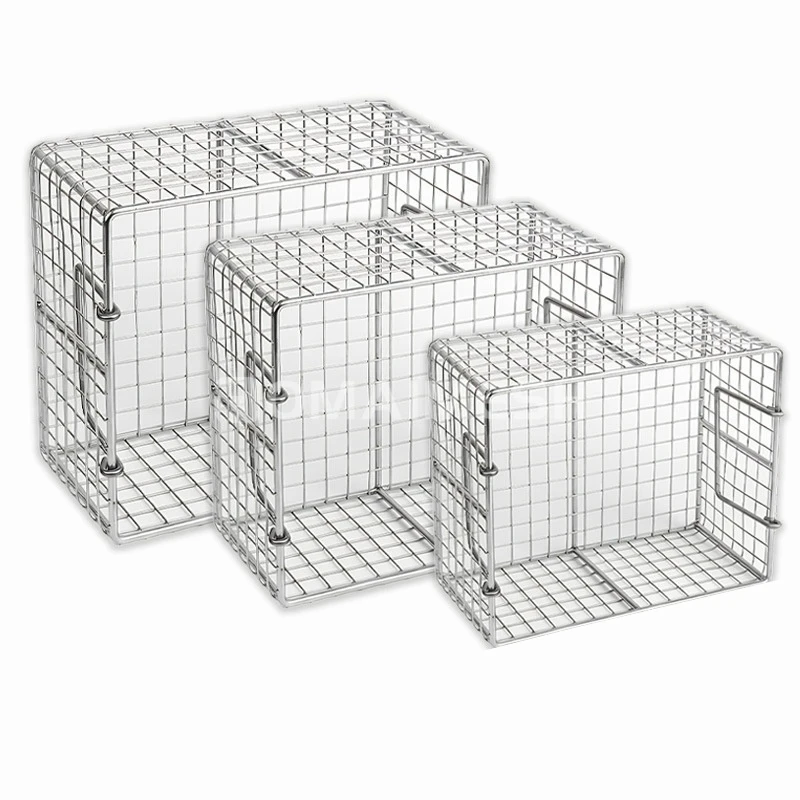
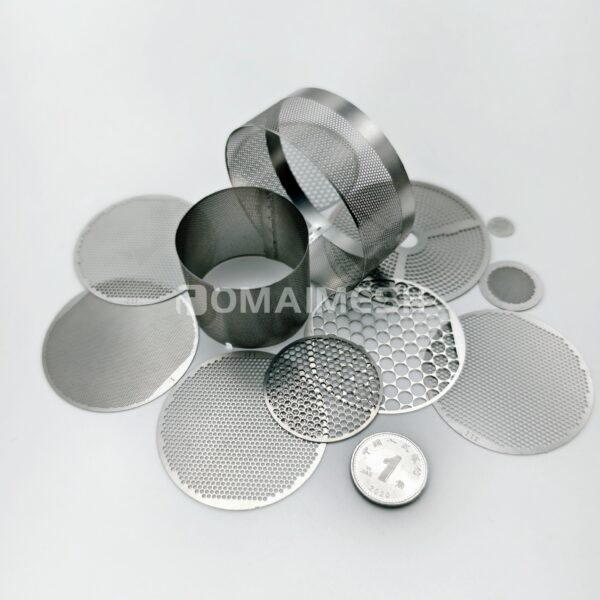
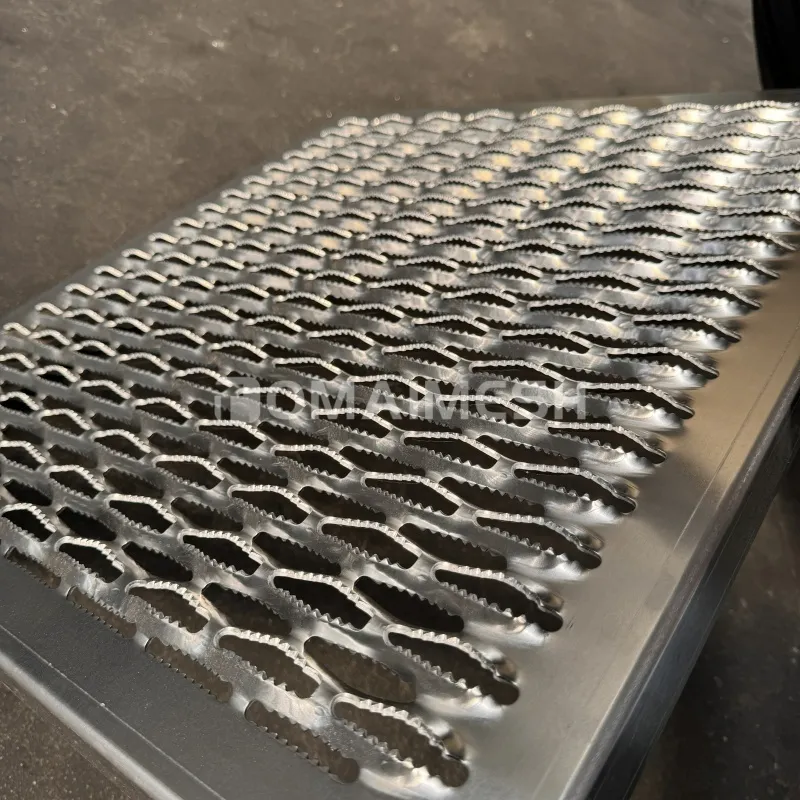
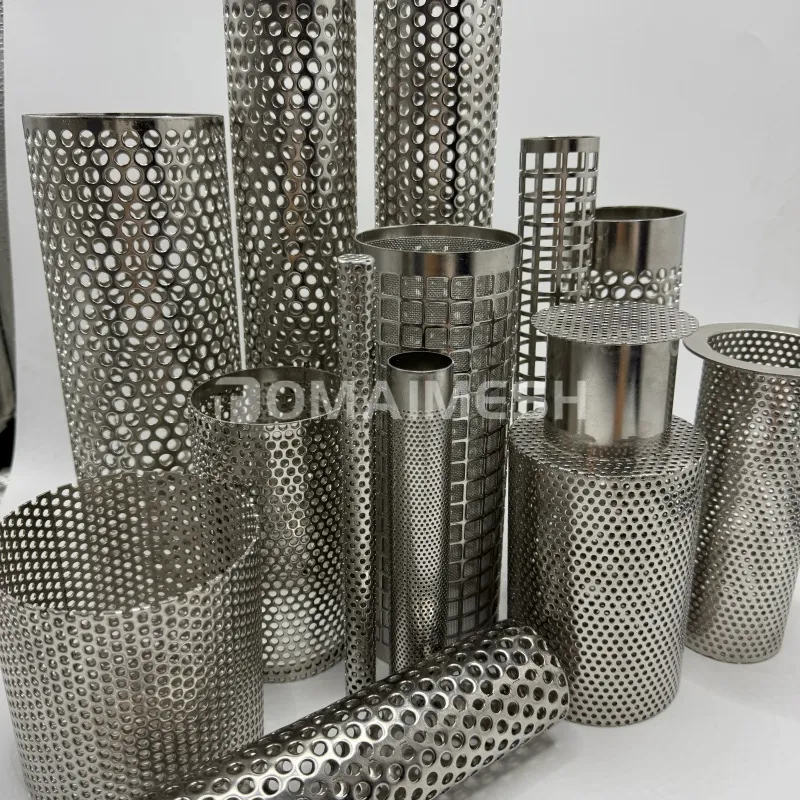
Now, when you look at the specs for these floor drain strainers, the devil’s in the details — design, mesh size, load capacity, surface finish, and the ease of removal for cleaning matter just as much as the steel grade. From round strainers with basket-style inserts to custom-fit square models, the fit and finish impact how often maintenance teams have to scramble to unclog or replace parts.
Typical Stainless Steel Floor Drain Strainer Specs
| Specification |
Details |
| Material Grade |
304 or 316 Stainless Steel |
| Mesh Size |
20–80 mesh, depending on debris type |
| Dimensions |
Various diameters (4"–12") and depths |
| Finish |
Polished or brushed to resist corrosion |
| Load Capacity |
Suitable for pedestrian and light vehicular loads |
Choosing the right vendor is often where things get a bit sticky if you’re not careful. Some offer excellent quality but have limited product ranges. Others have a wide catalog but don’t quite provide the customization options or the same material certification standards. I suppose most industrial buyers want a mix of reliability, quick delivery, and cost-efficiency.
Vendor Comparison: Stainless Steel Floor Drain Strainers
| Vendor |
Material Quality |
Customization |
Lead Time |
Price Range |
| Tomai Filter |
316L Stainless Steel |
Wide range, custom mesh & dimensions |
2–3 weeks |
Mid to High |
| Generic Supplier A |
304 Stainless Steel |
Limited Sizes |
1 Week |
Low to Mid |
| Premium Metals Co. |
316 Stainless Steel |
Custom Orders Only |
3–4 weeks |
High |
I remember a client in a food processing plant complaining about frequent clogging. We switched their floor drain strainers to a Tomai Filter model — the difference was clear within weeks. Their maintenance crew reported fewer backups, and the stainless steel easily withstood their rigorous sanitation schedule.
In real terms, the investment in quality stainless steel floor drain strainers, such as those from Tomai Filter, pays off with less downtime, fewer replacements, and a cleaner, safer working environment. Plus, it feels good to work with equipment that’s built to last rather than just labeled “disposable.”
So if you ever get tangled in the details or overwhelmed by options, remember: it’s the material quality, proper sizing, and trusted supplier relationship that get it done well. And the stainless steel floor drain strainer should be more than just a forgotten grate on the floor — it’s a critical protector of your plant’s pipeline health.
Takeaway: Don’t underestimate the value of good stainless steel strainers; they quietly safeguard your entire drainage system.
- Industry durability reports on stainless steel filtration equipment.
- Customer feedback from food processing plant maintenance logs.
- Vendor specification and quality certification documents.