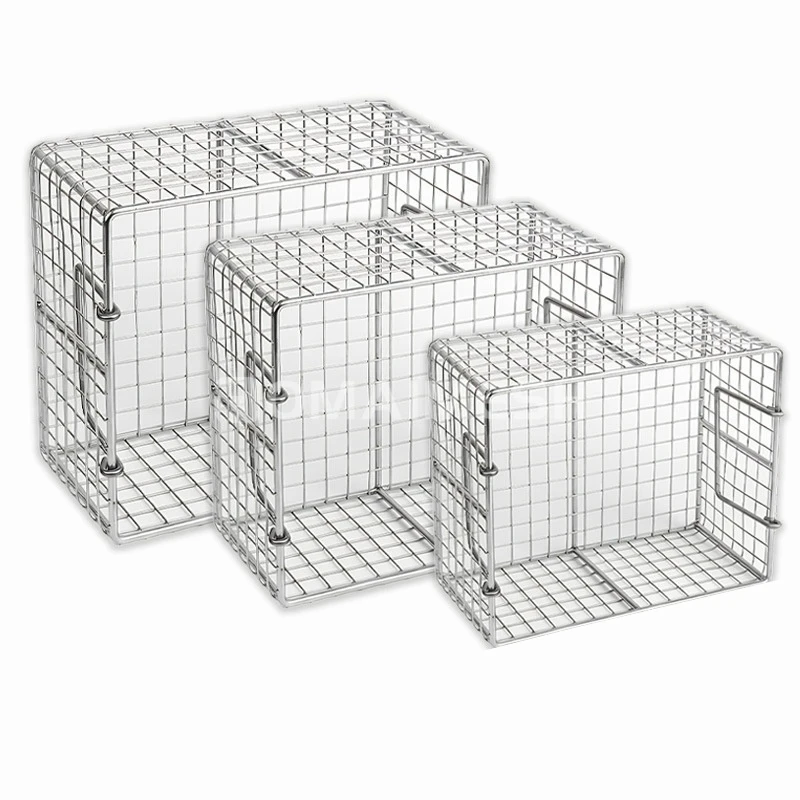
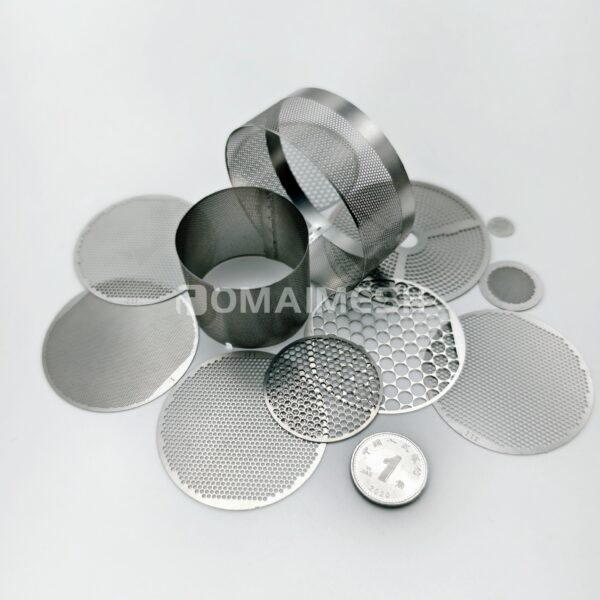
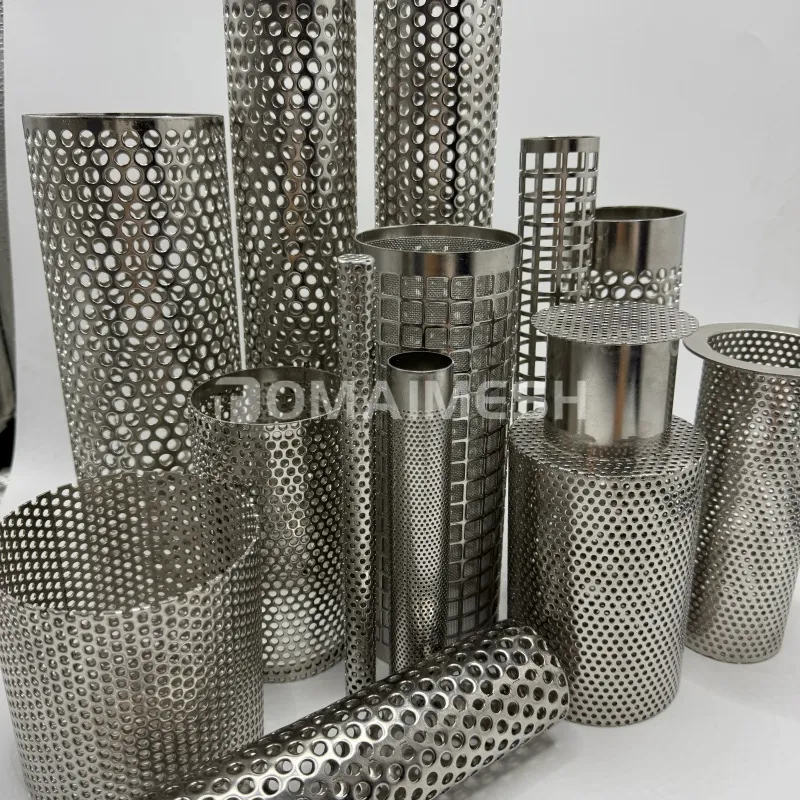
Standard Post Sink Strainer in Stainless Steel: A Tried and True Industrial Essential
Having spent a good chunk of my career around industrial equipment, I can tell you that not all components get their fair spotlight—especially something as humble as a standard post sink strainer made of stainless steel. Oddly enough, these little workhorses quietly perform heavy lifting in kitchens, labs, and factories, making sure your drainage systems don’t clog under pressure. They might look simple, but their design and material choice truly matter—and frankly, experience teaches you that few things beat stainless steel for durability and corrosion resistance.
Standard post sink strainers are more than just mesh and a flange. I've seen designs that save hours of maintenance and some that cause headaches due to poor build quality. Stainless steel, particularly grades like 304 or 316, resists rust in wet, harsh environments better than other metals or plastics, which is why most engineers I know swear by them. Also, when dealing with industrial-grade wastewater—aces like oils, solvents, or even food scraps—the extra robustness really pays off.
In real terms, a quality stainless steel post sink strainer reduces downtime and operational costs. I recall a project at a food processing plant where the team switched to a well-built standard post sink strainer after repeatedly battling clogged pipes. That simple change improved workflow considerably—less downtime equals better output, right?
Key Specifications of a Standard Post Sink Strainer
| Characteristic |
Specification |
| Material |
Stainless Steel (304 or 316) |
| Diameter |
1.5" to 4" (common sizes) |
| Mesh Size |
Between 10 to 40 mesh (varies by application) |
| Finish |
Polished or brushed for corrosion resistance |
| Weight |
Approximately 100–200 grams, depending on size |
| Operating Temperature |
Up to 400°F (204°C) |
One thing to keep in mind is customization. You might find vendors offering strainers with custom mesh sizes or reinforced rims, especially for applications involving heavy solids. Frankly, it’s worth checking specifications closely, as a poorly chosen strainer can be the weak link in a very expensive process.
Vendor Comparison: Picking the Right Stainless Steel Post Sink Strainer
| Feature |
Vendor A |
Vendor B |
Vendor C |
| Material Grade |
304 Stainless Steel |
316 Stainless Steel |
304 Stainless Steel |
| Price (per unit) |
$12 - $15 |
$18 - $22 |
$10 - $13 |
| Lead Time |
1-2 weeks |
3-4 weeks |
1 week |
| Customization Options |
Standard mesh sizes only |
Custom mesh & finish available |
Limited customization |
| Warranty |
6 months |
1 year |
3 months |
Choosing the right vendor can feel like a gamble, but it’s always worth investing time in understanding what you really need for your operation. I suppose in many shops it comes down to balancing price, durability, and how fast you need the part—which is why I find the stainless steel standard post sink strainer from TOMAI Filter quite compelling. They offer solid quality with reasonable customization and quick delivery—pretty important when you’re troubleshooting a clogged sink under a deadline.
Lastly, I’d emphasize maintenance. Yes, these strainers are rugged, but periodic cleaning or inspection extends their life significantly. Neglecting this can cause corrosion or blockages that defeat the whole purpose. So, in real terms, consistent upkeep combined with a good design is the way to go.
To sum it up: stainless steel standard post sink strainers might not be flashy, but they’re indispensable. Their durability, customizability, and efficiency make them a cornerstone of industrial and commercial plumbing solutions—even when nobody’s watching.
Reflection: I sometimes think these unassuming components deserve a bit more respect. After all, they quietly save the day more often than many bigger gears, and that’s something you appreciate only after years navigating the nitty-gritty of industrial setup.
- “Materials & Corrosion Resistance,” ASM International Handbook.
- Industrial Plumbing Standards, ANSI/ASME B16.9.
- End-user case studies from food processing facilities, 2019-2023.