What’s So Special About the 316 Stainless Steel Perforated Sheet?
It strikes me that the 316 stainless steel perforated sheet isn’t just some bland metal panel you pass over in the supply catalog—it’s actually a quiet powerhouse in modern industry. Globally, industries are striving for materials that balance strength, corrosion resistance, and versatility. This type of perforated sheet is a perfect example of that balance. Understanding it means understanding how factories stay efficient, how buildings last in harsh environments, and how infrastructure projects push forward with trusty materials. Plus, in our world increasingly obsessed with sustainability and longevity, knowing the key players (like 316 stainless steel) is a handy advantage.
Global Context: Why the World Cares About 316 Stainless Steel Perforated Sheets
Before diving into specs and use cases, let’s zoom out for a moment. Stainless steel, in general, is a mainstay for construction, filtration, healthcare, and even aerospace industries. The “316” grade, specifically, is famed for its superior corrosion resistance compared to 304 grade, thanks mainly to added molybdenum. According to Wikipedia and the International Organization for Standardization (ISO), 316 stainless steel is often the go-to for environments where saltwater or acidic exposure is a concern—think coastal infrastructure or chemical plants.
Here’s a rough idea: global stainless steel demand topped 54 million metric tons recently, and marine and chemical sectors keep pushing for premium materials. Yet, a lot of industries struggle with corrosion eating away at their investments—that’s where the 316 stainless steel perforated sheet comes in. It addresses durability challenges while offering unique versatility in applications.
Mini takeaway:
316 stainless steel perforated sheets are critical materials for challenges around corrosion and durability in harsh environments worldwide, making them an industrial staple.
Defining the 316 Stainless Steel Perforated Sheet — A Simple Explanation
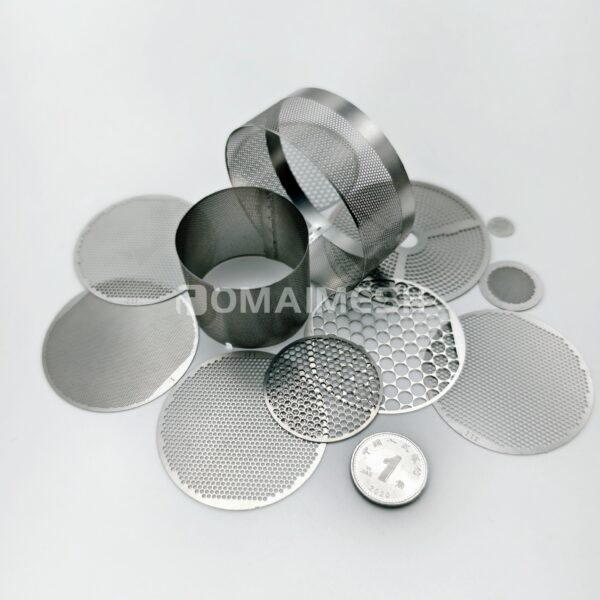
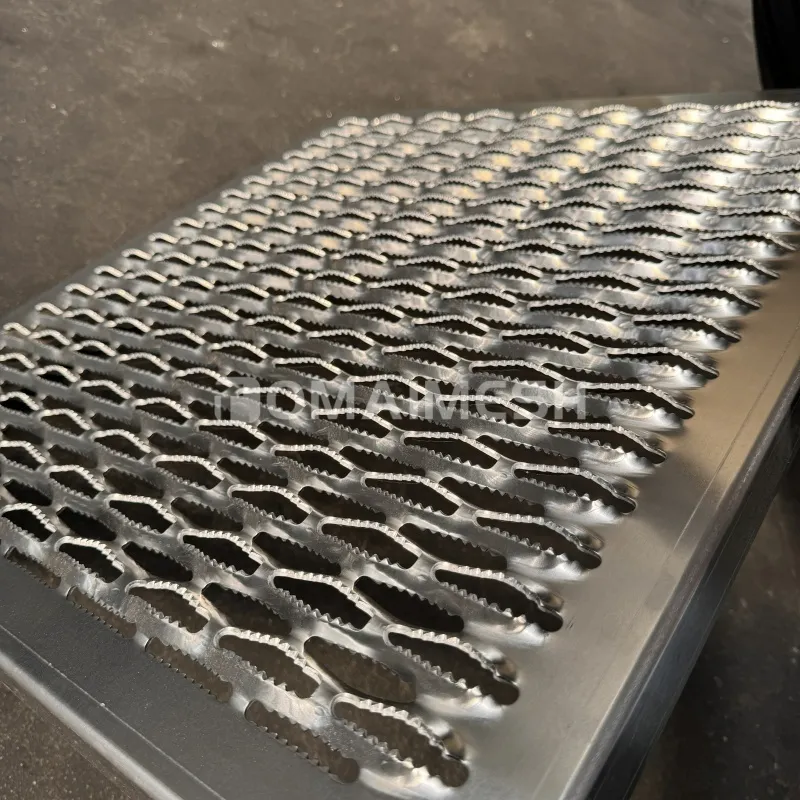
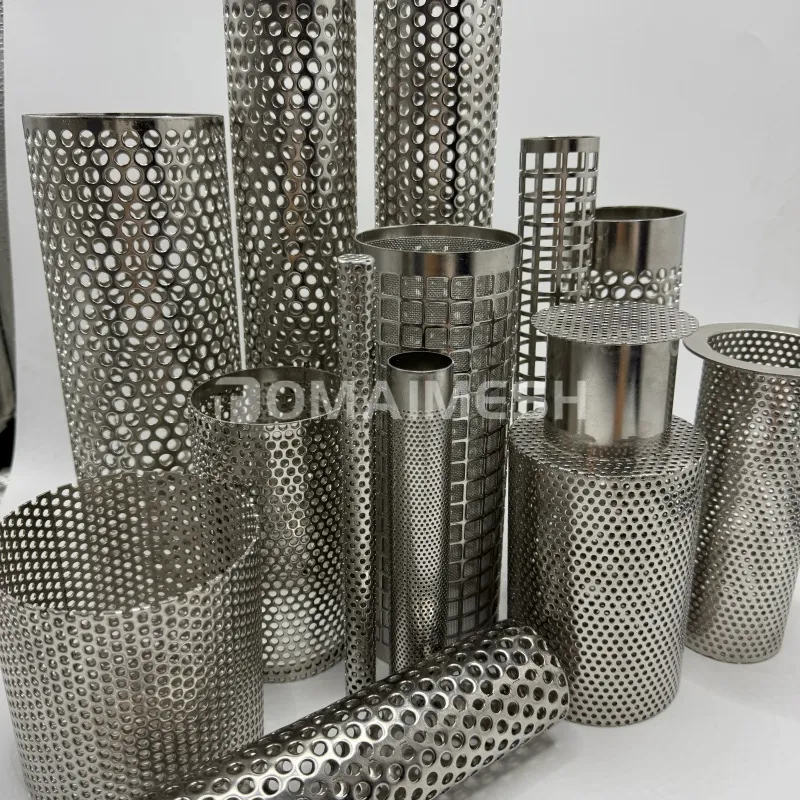
In straightforward terms, a perforated sheet is a flat piece of metal with a pattern of holes or slots punched through it. The holes can vary in shape and size, sort of like Swiss cheese but much more precise and engineered. When this sheet is made from 316 stainless steel—a chromium-nickel-molybdenum alloy known for resisting rust and pitting—it becomes a particularly robust and reliable component for industries that depend on strength and airflow or filtration.
So, it’s not just metal with holes; it’s a purposeful design that offers ventilation, filtration, or aesthetic accents, all while maintaining excellent corrosion resistance. Modern industry uses these sheets in everything from HVAC systems and food processing setups to architectural facades and marine equipment.
Mini takeaway:
Think of a 316 stainless steel perforated sheet as a versatile, perforated metal panel designed to resist corrosion while enabling airflow, filtration, or decoration.
Core Components That Make 316 Stainless Steel Perforated Sheets Stand Out
Durability and Corrosion Resistance
Obviously, 316 stainless steel contains molybdenum — this is key to fighting off corrosion, particularly in saline or chemical environments. You can expect it to survive years of exposure to salty sea spray or acidic fumes where other steels might corrode away quickly.
Precision Perforation for Customized Functionality
Perforated sheets can be customized with numerous patterns and hole sizes. This tailored porosity helps industries control airflow, filtration capacity, or acoustic damping with high precision.
Strength and Weight Balance
Despite the holes, these sheets maintain structural integrity. They often replace heavier solid panels, reducing weight for applications like transport or building facades — crucial for energy efficiency.
Resistance to High Temperatures
316 stainless steel works well in moderately high-temperature environments, making it a smart choice for industrial filters or heat exchangers.
Eco-Friendly and Recyclable
Like many stainless steels, 316 grades are recyclable. This feature aligns with the current green push across industries towards sustainable materials.
Mini takeaway:
- 316 stainless steel perforated sheets offer unmatched corrosion resistance, tailored perforation, and a good strength-to-weight ratio ideal for many demanding uses.
Real-World Applications: Where and How 316 Stainless Steel Perforated Sheets Shine
Okay, so these sheets aren’t just theoretically great — they show up in plenty of serious settings:
- Marine industry: Coastal structures and shipbuilding rely heavily on the corrosion resistance of 316 perforated sheets to prevent rust problems.
- Food and pharmaceutical processing plants: The sheets allow strict hygiene standards by promoting airflow and drainage inside machinery panels.
- Architectural facades and sunscreens: The perforations provide natural light and ventilation while delivering an elegant metallic look.
- Environmental filtration: Air and water filtration systems often use perforated sheets for reliable screening under corrosive conditions.
For example, after typhoon seasons in Southeast Asia, many relief agencies have been installing housings using 316 stainless steel perforated sheets to ensure these temporary dwellings withstand damp, salty air better than traditional materials.
Mini takeaway:
The marine, food/pharma, architectural, and environmental sectors demonstrate the varied practical uses of 316 stainless steel perforated sheets worldwide.
Specifications Table for 316 Stainless Steel Perforated Sheet
| Specification |
Details |
| Material Grade |
AISI 316 Stainless Steel |
| Thickness Range |
0.5 mm – 6.0 mm |
| Hole Diameter |
0.5 mm – 30 mm (customizable) |
| Open Area Ratio |
20% – 65% (depends on pattern) |
| Surface Finish |
Mill finish, polished, brushed |
| Standard Sheet Sizes |
1000 mm x 2000 mm, 1219 mm x 2438 mm |
Comparing Top Vendors of 316 Stainless Steel Perforated Sheets
| Vendor |
Product Range |
Customization Options |
Lead Time |
Specialty |
| TOMAI Filter |
Wide (various thicknesses and hole sizes) |
Full pattern and size customization |
2–4 weeks |
Marine-grade perforated steel |
| SteelFab Ltd. |
Standard sheets, limited thickness |
Basic patterns only |
1–3 weeks |
Affordable pricing |
| Advanced Metals |
Premium custom orders |
Highly customizable shapes and finishes |
3–6 weeks |
Specialized finishes for harsh conditions |
Benefits and Long-Term Value of Choosing 316 Stainless Steel Perforated Sheets
Many engineers say this material’s edge lies not just in its strength but also in the faith it builds in infrastructure. When you choose 316 stainless steel perforated sheets, you’re banking on lower maintenance costs, longer service life, and fewer emergency repairs. Maintenance crews aren’t constantly replacing rusted parts, so operations simply run smoother.
Plus, beyond the logic, there’s a kind of emotional peace of mind. It feels good to know public structures or essential industrial equipment will stay safe and sound over the years. Innovations in production also make these materials more affordable than ever, expanding their adoption.
Looking Ahead: Trends in 316 Stainless Steel Perforated Sheets
The future looks shiny and perforated! With green energy pushing industries to optimize efficiency, expect more integration of 316 perforated steel in solar panel housings and battery systems, where corrosion resistance meets thermal management. Digital manufacturing methods, like laser perforation, are enabling even tinier and more complex hole patterns, improving filtration and airflow solutions.
Environmental regulations worldwide are nudging manufacturers to use recyclable and longer-lasting materials, so 316 stainless steel perforated sheets fit perfectly in this equation. There’s also a soft buzz around antimicrobial coatings combined with these sheets in medical and food settings—a combo that could become a new standard soon.
Challenges and How Industry Leaders Are Tackling Them
Of course, no material is a silver bullet. The main challenges with 316 stainless steel perforated sheets deal with cost (since 316 ranks higher than 304 steel), and sometimes lead times due to customization. Additionally, in very high-temperature applications (above 870°C), you need different stainless steels.
Vendors mitigate these issues by optimizing supply chains, offering modular designs for faster delivery, and researching cost-efficient coatings or hybrid materials. For users, balancing initial costs against lifespan gains is key—an investment mindset often wins in the long run.
Frequently Asked Questions About 316 Stainless Steel Perforated Sheets
- Q: What is the main difference between 316 and 304 stainless steel perforated sheets?
- A: The 316 grade contains molybdenum, which enhances corrosion resistance, particularly against chlorides and saltwater, making it ideal for marine or chemical industries compared to 304.
- Q: How customizable are the patterns on a 316 stainless steel perforated sheet?
- A: Very customizable. Hole sizes, shapes, and overall patterns can be tailored to allow specific airflow, filtration, or aesthetic needs, depending on vendor capabilities.
- Q: Can 316 stainless steel perforated sheets be used outdoors in coastal environments?
- A: Definitely. Their corrosion resistance to salt spray and moisture makes them a top choice for coastal buildings, docks, and marine equipment.
- Q: What is the typical lifespan of these sheets under normal industrial use?
- A: With proper use and maintenance, 316 stainless steel perforated sheets can last 20+ years, sometimes much longer, depending on exposure conditions.
- Q: Are these sheets recyclable?
- A: Yes, 316 stainless steel is highly recyclable, which supports sustainability initiatives in manufacturing and construction sectors.
Wrapping Up: Why 316 Stainless Steel Perforated Sheets Matter Now and Tomorrow
So, in real terms, choosing 316 stainless steel perforated sheets means investing in materials proven to withstand tough environments while remaining versatile enough to serve countless industries. They’re vital links in infrastructure and production chains worldwide, merging durability with customization.
If you’re curious about getting the best perforated stainless steel products that marry quality with a green mindset, consider exploring options at TOMAI Filter. They’re one of the leaders specializing in marine-grade and custom stainless perforated sheets.
And honestly? In a world where materials get thrown away fast, choosing something that reliably stands the test of time feels like a pretty good move.
References
- Stainless steel - Wikipedia
- ISO standards for stainless steel
- World Bank Industry Data