Why Stainless Perforated Sheet Matters in Today's Industrial Landscape
If you’ve ever paused to admire the intricate metal panels in a modern building facade or wondered how filtration systems in massive factories keep running smoothly, there’s a good chance stainless perforated sheets played a vital role. Despite sounding like a niche industrial term, this material is quietly shaping sectors from architecture to healthcare, and even environmental protection. On a global scale, stainless perforated sheets offer a unique balance of strength, versatility, and corrosion resistance—traits that are increasingly vital given the growing demands for sustainability and efficiency worldwide.
Understanding this humble yet high-tech material isn’t just about appreciating its physical properties. It’s about recognizing how industries adapt to global challenges—like climate change, resource management, and urban growth—using smarter materials. Plus, getting the right kind of stainless perforated sheet can mean the difference between a project that thrives for decades or one that ages poorly, costing time and resources. So yeah, it definitely matters.
The Bigger Picture: Global Context of Stainless Perforated Sheets
How relevant is stainless perforated sheet on the world stage? Quite. According to the International Stainless Steel Forum (ISSF), global stainless steel production has steadily increased by roughly 4% annually over the last decade. This rise is tied directly to growing demand from construction, transportation, and infrastructure sectors, especially in emerging economies like China and India.
But why perforated sheets specifically? Well, they solve a host of problems: improving airflow, reducing weight while maintaining strength, optimizing filtration, and even enhancing aesthetics. For industries grappling with efficiency and sustainability—think renewable energy plants or water treatment facilities—the proven durability of stainless steel combined with perforation technology is a godsend.
Still, challenges persist. For instance, substituting solid panels with perforated ones impacts acoustics and structural integrity, so the design needs to be spot on. This material responsibly addresses that, offering customizable hole sizes and patterns to suit diverse industrial environments. Frankly, it’s this adaptability that makes stainless perforated sheets a go-to choice for engineers and architects alike.
In short: stainless perforated sheets are quietly underpinning major global industries by balancing performance and sustainability in an elegant, customizable way.
What Exactly Is a Stainless Perforated Sheet?
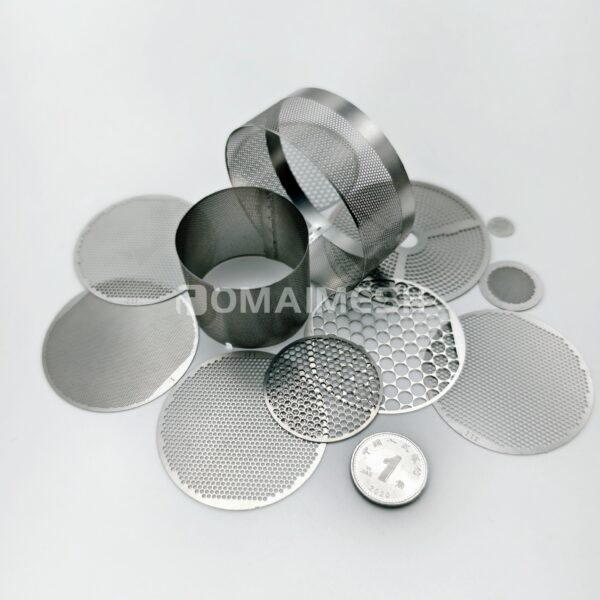
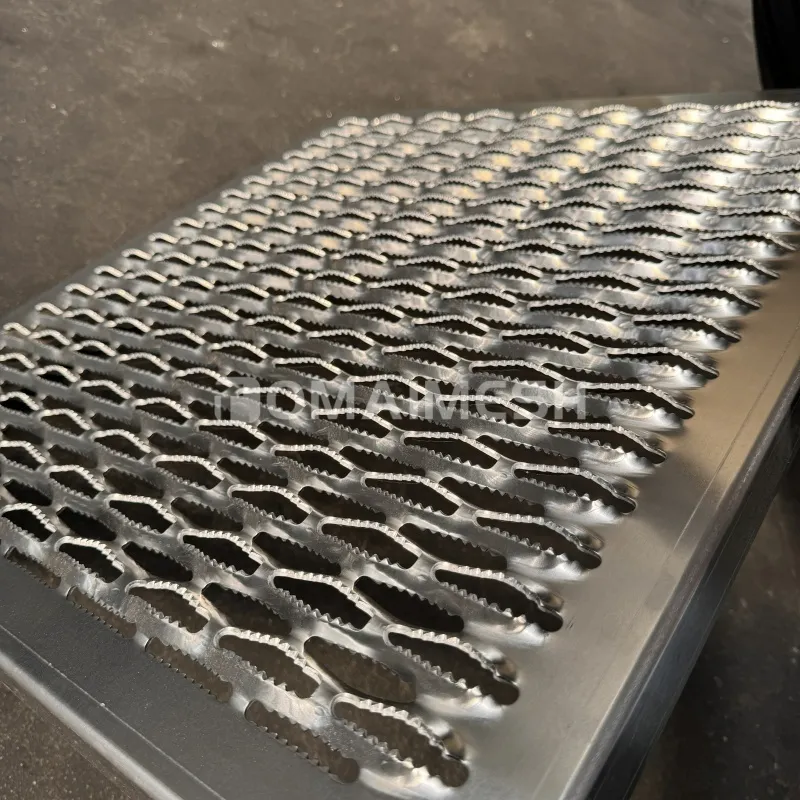
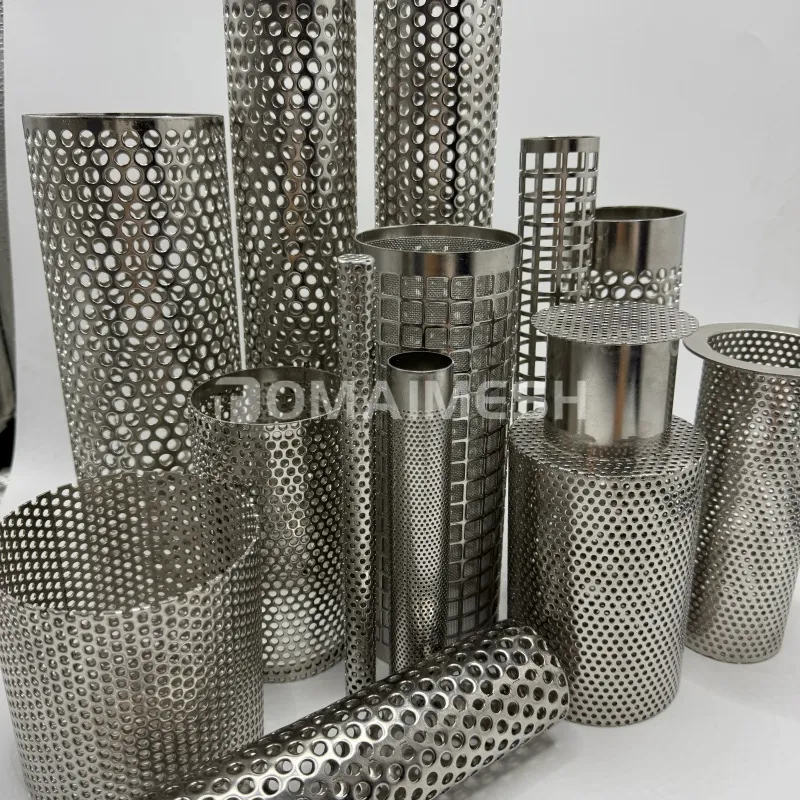
At its simplest, a stainless perforated sheet is exactly what the name suggests—a sheet of stainless steel studded with patterns of holes, slots, or decorative cuts. These perforations can range from tiny micro-holes for precise filtration to larger, geometric patterns for architectural flair.
Why stainless steel? Because it’s exceptionally resistant to rust and corrosion, making these sheets usable indoors or out without much worry about degradation. The sheets come in various grades, typically 304 or 316 stainless steel, depending on the application’s exposure to harsh chemicals or saltwater.
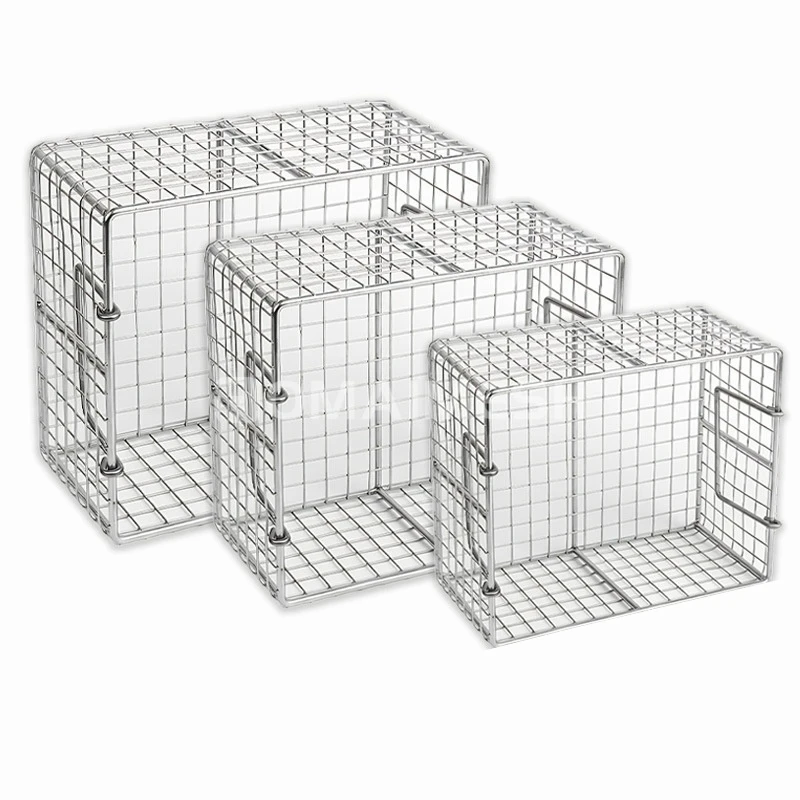
In industries from food processing to electronics, these sheets serve many practical purposes: filtration screens, protective guards, ventilation covers, and soundproofing layers. Their role isn’t just technical; in humanitarian contexts, they contribute to infrastructure projects that require durable, long-lasting materials—say, housing or shelters that can withstand tough elements over extended periods.
Key Features That Define Stainless Perforated Sheets
Durability and Corrosion Resistance
The stainless alloy’s natural chromium layer protects against rust, making the sheet last decades even in challenging environments. For industries with tight maintenance budgets, this is a big deal.
Customization and Scalability
Whether you need a delicate mesh for ultra-fine filtration or bold patterns for an artistic building facade, the perforation shapes and densities are highly customizable. Many manufacturers now use laser and CNC punching to achieve precise, repeatable patterns.
Lightweight Strength
Removing material while maintaining structural integrity helps reduce weight. This is critical in transportation or architectural applications, where every kilogram counts.
Cost Efficiency Over Time
Though the upfront cost may be slightly higher than certain alternatives, the maintenance savings and lifecycle longevity often mean better ROI in the long run.
Sustainability and Reusability
Stainless steel’s recyclability is well known. Excavation or remodeling waste is often reused, minimizing environmental impact and contributing to circular economy goals.
To sum up, these features mean stainless perforated sheets are not just raw materials — they’re multifunctional solutions designed to meet modern demands across durability, design, and sustainability.
How Stainless Perforated Sheets Are Used Around the World
This material pops up in a surprisingly wide array of sectors globally. For example:
- Architecture and Urban Planning: Buildings in Europe and North America use stainless perforated panels for sun shading, privacy screens, and rain protection, blending function with avant-garde design.
- Water and Air Filtration: Municipal water treatment plants in South America depend heavily on perforated sheets as filtering media.
- Food and Beverage Industry: Stainless perforated clasps and trays in food processing facilities worldwide meet hygiene standards while enabling easy cleaning.
- Post-Disaster Infrastructure: NGOs deploy modular shelter components featuring stainless perforated steel in regions like Southeast Asia — the durability and quick airflow is key to fast relief.
In many remote industrial zones, companies value these sheets for their robustness in hostile environments. Oddly enough, some of these applications are invisible to the everyday eye but vital to the smooth operation of entire supply chains.
Product Specifications At a Glance
| Specification |
Range / Typical Values |
| Material Grades |
304, 316, 316L Stainless Steel |
| Thickness |
0.5 mm – 12 mm |
| Hole Diameter |
0.2 mm – 25 mm (customizable) |
| Open Area |
10% – 70% |
| Surface Finish |
Polished, Matte, Brushed |
| Max Sheet Size |
1500mm x 3000mm |
Comparing Top Vendors for Stainless Perforated Sheets
| Vendor |
Material Options |
Customization Level |
Lead Time |
Price Range |
| AeroMet Solutions |
304, 316 Stainless Steel |
High (laser precision) |
3-5 weeks |
$$$ |
| TomiFilter Co. |
304, 316, 316L |
Very High (custom patterns) |
2-4 weeks |
$$ |
| Global Metals Inc. |
Various Stainless Grades |
Medium (standard patterns) |
4-6 weeks |
$ |
Why Choose Stainless Perforated Sheets? The Long-Term Advantages
There’s more simmering beneath the surface with these sheets. Cost-wise, though initially slightly pricier, the reduced maintenance and longevity often save companies big money. Emotionally speaking, think about safety and trust—when structures don’t corrode and filters don’t fail, households and workplaces remain protected, fostering dignity and confidence in technology.
Sustainability gets a starring role here as well. Stainless steel’s recyclability greatly reduces waste compared to plastics or coated metals. Plus, energy efficient designs using perforated sheets help reduce cooling and heating costs in buildings by promoting airflow and shading.
What the Future Holds: Innovations in Stainless Perforated Sheets
Looking toward tomorrow, you might soon see:
- Smart Perforated Sheets: Embedded sensors that monitor stress, corrosion, or air quality.
- Eco-Friendly Production: Processes using renewable energy and scrap materials for even lower carbon footprints.
- Advanced Coatings: Anti-bacterial or self-cleaning finishes, particularly vital for medical or food applications.
- Integration with Digital Fabrication: AI-assisted design to optimize hole patterns for maximum strength or function.
As global standards (like ISO and ASTM) evolve, expect stricter quality controls and more transparent sourcing for these materials, pushing the industry toward higher sustainability and performance benchmarks.
Common Challenges—and How to Solve Them
No material is perfect. Stainless perforated sheets must balance between maximum open area and structural support, which requires careful engineering. Overly large holes compromise strength; too many small holes get expensive and may clog faster in filtration systems.
Moreover, while stainless steel is corrosion-resistant, it’s not immune. Environments with high chlorine or acidic exposure might require higher-grade alloys or special coatings. A good rule? Collaborate with vendors early to specify your exact needs
stainless perforated sheet—they often have valuable insights that save headaches later.
FAQ: Your Top Questions About Stainless Perforated Sheet
- Q: Can I use stainless perforated sheets for outdoor architectural elements?
- A: Absolutely. Their corrosion resistance and strength make them ideal for external applications, including facades, sunshades, and fencing. Just consider environmental factors and specify the right grade.
- Q: How customizable are the perforation patterns?
- Most manufacturers offer extensive customization—laser cutting enables precise hole shapes and spacing that mix function and design, often down to tiny tolerances.
- Q: Are stainless perforated sheets eco-friendly?
- Yes. Aside from being recyclable, these sheets reduce material waste and can improve energy efficiency in buildings, helping projects hit sustainable design targets.
- Q: What industries rely most on stainless perforated sheets?
- Besides construction and architecture, key users include water treatment plants, food processing, automotive filtration, and even aerospace.
- Q: How to source high-quality stainless perforated sheets internationally?
- Work with experienced vendors like TomiFilter that provide internationally compliant certifications and global logistics expertise to simplify import/export.
Wrapping It Up: Why Stainless Perforated Sheets Should Be on Your Radar
In the end, these sheets are more than a holey metal panel. They’re a testament to smart engineering responding to a world that’s increasingly demanding resiliency, efficiency, and sustainability. Whether you’re rethinking urban design, upgrading industrial filtration, or supporting humanitarian infrastructure, stainless perforated sheets represent a practical, forward-looking choice.
If you’re intrigued (and I hope you are), take a peek at specialist suppliers and see how these versatile materials can transform your projects. Visit our website for a deep dive into premium
stainless perforated sheet selections and custom options.
Sometimes, it’s the quiet workhorses in materials that propel innovation the most.
References
- International Stainless Steel Forum (ISSF), https://www.worldstainless.org
- ISO Standards for Stainless Steel, https://www.iso.org/standard/31000.html
- UN Environment Programme, Circular Economy Insights, https://www.unep.org/resources/report/circular-economy