
13 Oct 2025
I’ve walked more catwalks and plant stair towers than I can count, and—honestly—treads are one of those components you only notice when they fail. Lately, the industry has doubled down on corrosion resistance and slip protection, which is why galvanized steel grating stair treads keep showing up in bid specs. In fact, many customers say they’re tired of repainting checker plate every shutdown—so they switch once and don’t look back.
Three trends: (1) tougher coatings—hot-dip zinc layers in the 80–100 μm band; (2) serrated profiles specified by default for wet/oily zones; (3) faster customization—laser-cut end plates, bolt patterns, and nosing options that actually match OEM stairs. Surprisingly, delivery times are also improving as Anping (Hebei) plants ramp capacity.
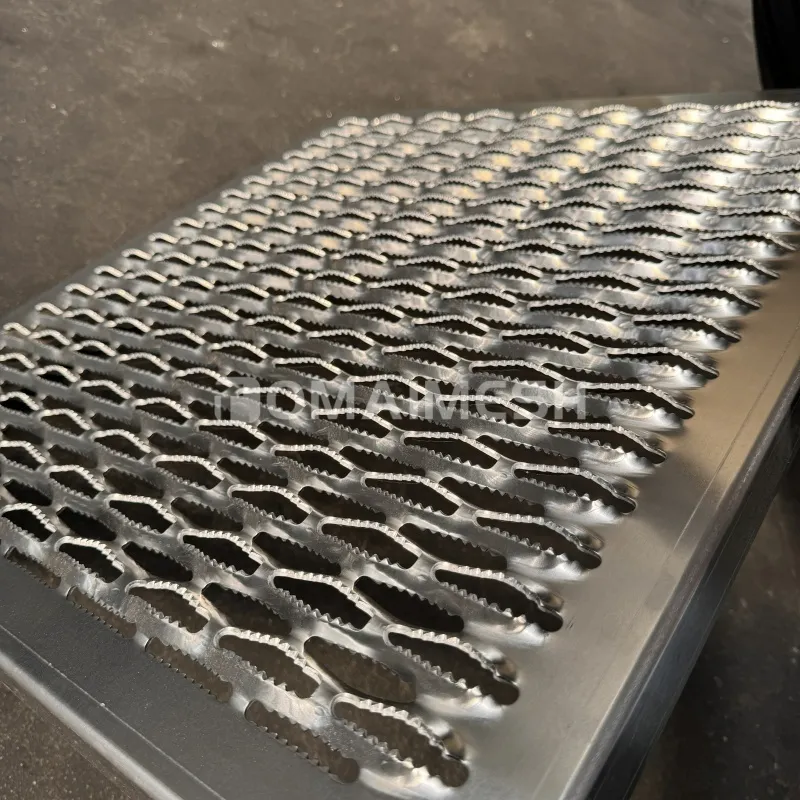
From the East Development Zone, Anping County, Hengshui City—shops typically offer welded or pressure-locked bar grating in mild steel (ASTM A36/Q235), with serrated bearing bars for anti-slip. Alternatives: 6061‑T6 aluminum for weight-sensitive retrofits, and 304/316 stainless for aggressive chem exposure. My take? For most plants, galvanized steel grating stair treads hit the sweet spot on cost-to-life.
| Parameter | Typical Range | Notes (≈, real-world may vary) |
|---|---|---|
| Material | Galvanized steel; 6061‑T6 Al; 304/316 SS | Steel with HDG is most common for CAPEX control |
| Construction | Welded / Pressure-locked; serrated surface | Serrations boost wet grip (DIN 51130 ≈ R12–R13) |
| Thickness | 25–50 mm | Choose ≥30 mm for dynamic loading |
| Tread width | 200–600 mm | Match to stringer depth and nosing code |
| Load capacity | Static ≤5 kN/m²; Dynamic ≤3 kN/m² | Verify per NAAMM/OSHA span tables |
| Coating | Hot-dip zinc 80–100 μm; epoxy optional | ASTM A123 / ISO 1461 compliance |
Industrial staircases, offshore platforms, chemical plants—anywhere you’ve got water, brine, or solvents. Galvanized steel grating stair treads shed debris, drain instantly, and don’t become ice rinks. One maintenance lead told me, “We halved slip incidents after the swap.” That tracks with what I see on audits.
| Vendor | Certs | HDG thickness | Lead time | Warranty |
|---|---|---|---|---|
| TOMAIFILTER (Anping) | ISO 9001; EN 1090 on request | ≈80–100 μm per ASTM A123 | 10–20 days | 12–24 months |
| Regional Fabricator A | ISO 9001 | ≈70–90 μm | 3–5 weeks | 12 months |
| Importer B | Docs vary by lot | ≈60–80 μm | Stock-dependent | 6–12 months |
Offshore platform: swapping FRP treads for galvanized steel grating stair treads cut flex-induced fatigue; inspectors liked the serrated nosing and grounded bonding. Reported 30% reduction in slip reports over six months.
Chemical plant (SE Asia): epoxy-over-HDG treads at loading bays survived splash zones; after ASTM B117 screening, site accepted a 3-year coating maintenance plan instead of annual repainting—small win, big labor savings.
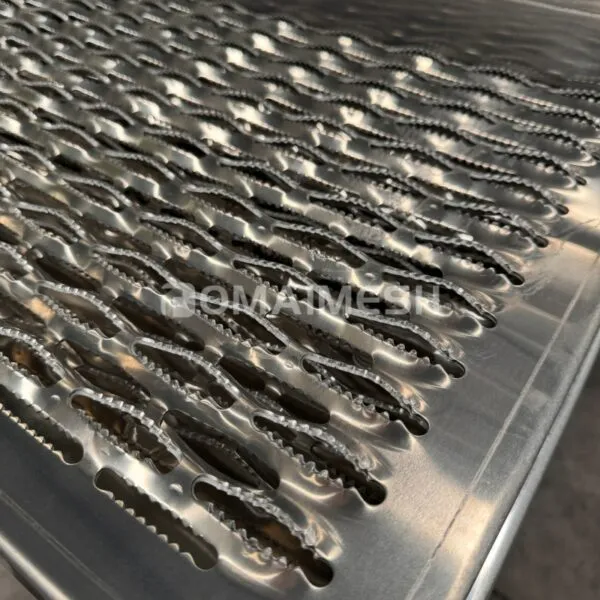
If you want a no-drama install, specify dimensions, hole patterns, nosing type, and coating thickness up front. It seems obvious, but I still see RFQs that just say “grating treads, galvanized.” That’s how you get re-drilling on site.


Hit enter to search or ESC to close