Understanding Hexagonal Perforated Aluminum Sheets: Why They Matter Globally
The hexagonal perforated aluminum sheet is far more than a niche product for architects and engineers — it's a globally relevant material playing quietly but powerfully across many industries. Whether in construction, manufacturing, or even humanitarian projects, these sheets marry lightweight toughness with design flexibility. Understanding them opens doors to more innovative, sustainable, and cost-effective projects worldwide.
Globally, the construction sector alone accounts for nearly 40% of raw material use according to the International Organization for Standardization (ISO). Lightweight, durable materials like these perforated aluminum sheets help reduce resource consumption without compromising structural integrity — a key consideration amid growing environmental concerns.
Mini takeaway: Hexagonal perforated aluminum sheets represent a smart material solution aligning with sustainability and design innovation worldwide.
Why This Material Has Global Relevance Today
With urbanization accelerating — the World Bank estimates 68% of the world's population will live in cities by 2050 — materials that combine efficiency and adaptability are crucial. Traditional solid metal panels, while strong, often add unnecessary weight and cost. Enter the hexagonal perforated aluminum sheet, boasting strength where needed but reducing weight and improving ventilation, light diffusion, and acoustics where possible.
Moreover, these sheets answer challenges in dealing with climate extremes and resource scarcity. They’re integral in designing cooling facades in hot climates or protective barriers that resist corrosion in coastal zones. Picture a sheet with beautifully punched-to-pattern hexagonal holes enabling airflow, reducing solar heat gain, or simply adding character to a building facade.
What Exactly Is a Hexagonal Perforated Aluminum Sheet?
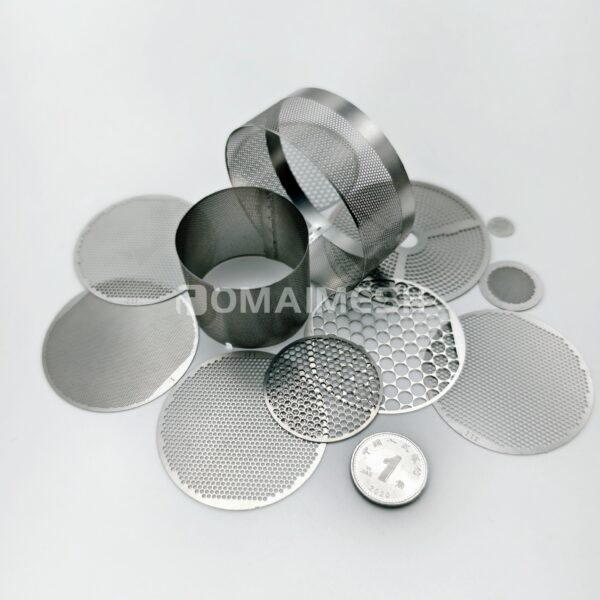
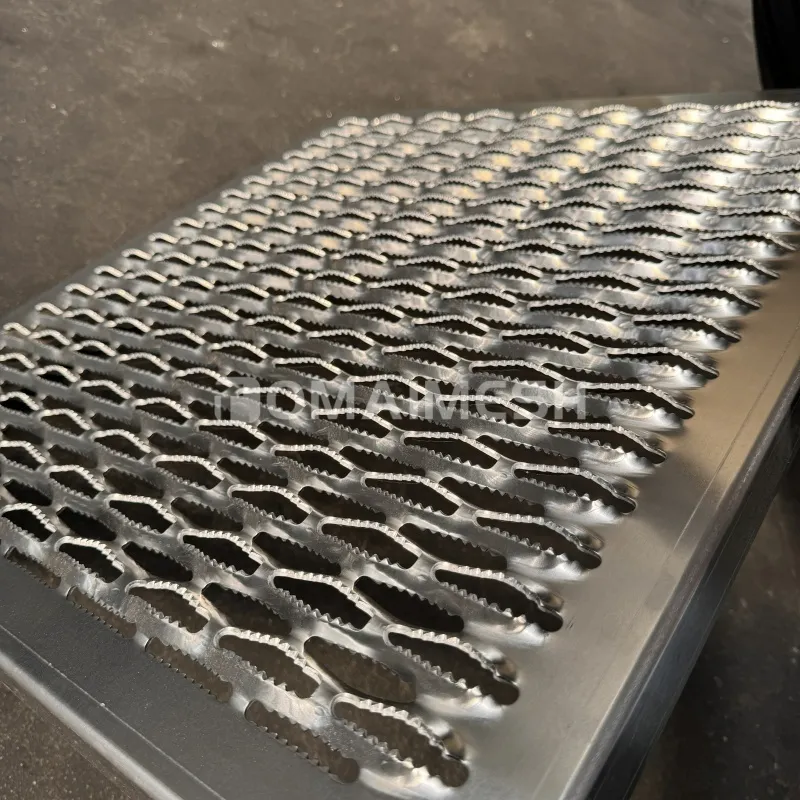
In simple terms, it's an aluminum sheet that's been mechanically or chemically processed to create a pattern of hexagon-shaped perforations. Unlike traditional round or square holes, hexagonal perforations offer a unique balance — maximizing open area (allowing light or air passage) while maintaining structural strength.
These sheets are widely embraced not only in architecture but also in manufacturing filters, industrial screening, machinery guards, and even in humanitarian supply kits — wherever material weight, corrosion resistance, and structural integrity matter.
Core Factors Shaping Their Utility
Durability & Corrosion Resistance
Aluminum’s innate corrosion resistance meets practical demands for longevity, especially in harsh environments. The hexagonal holes don’t compromise durability drastically and can even improve it by reducing wind load.
Weight Reduction & Scalability
Architecturally, cutting out hexagonal patterns means less raw material and thus a lighter panel. This enables larger spans, easier handling on-site, and reduced transportation costs.
Cost Efficiency
You might assume perforation adds complexity — and it does — but the savings from reduced material weight and simplified installation often offset that. Plus, maintenance costs drop due to the material’s resistance to rust and easy cleaning.
Design Flexibility
The hexagonal pattern lends itself to creative applications — from modern building facades that shimmer in shifting daylight to acoustic panels in auditoriums enhancing sound quality subtly.
Environmental Impact & Sustainability
Aluminum is 100% recyclable without loss of properties. Using perforated sheets supports sustainability and circular economy goals, reducing landfill waste and energy consumption.
Practical Application Table: Hexagonal Perforated Aluminum Sheet Specifications
| Specification |
Details |
| Material |
Aluminum Alloy 3003 or 5052 |
| Thickness |
0.5mm – 3.0mm |
| Hole Shape |
Hexagonal |
| Hole Size |
3mm – 10mm |
| Open Area |
30% - 65% |
| Finish |
Anodized, Powder Coated, Mill Finish |
Mini takeaway: The distinct physical and aesthetic specs of hexagonal perforated aluminum sheets empower their diverse applications worldwide.
Global Use Cases: How and Where They Make a Difference
In Asia’s booming megacities, where shading and ventilation balance is crucial, these perforated panels form curtain walls that cool buildings naturally. Meanwhile, in aerospace and automotive sectors, manufacturers use them for lightweight machine guards and vibration dampening parts.
Oddly enough, NGOs operating in disaster zones — where temporary infrastructure must be swift, reusable, and sturdy — often leverage modular shelters or medical facilities using perforated metal to control airflow and weight. African solar energy projects employ these sheets for protective casings that avoid rust in humid climates. European architects champion them for their aesthetic versatility and sustainability credentials.
For those interested, you might want to explore the efficiency of a hexagonal perforated aluminum sheet in specific climates, as well as how precision perforation improves performance.
Advantages That Outlast The Project
- Economic savings: Less weight equals cheaper transport and installation — savings that often compound over a building’s lifetime.
- Environmental impact: Aluminum’s recyclability ties in well with green building certifications like LEED.
- Functional performance: Passive temperature control via perforations can reduce HVAC loads.
- Cultural value: Designs inspired by hexagonal geometry often resonate with natural patterns, increasing aesthetic appeal and occupant well-being.
Future Trends: What’s Next for Hexagonal Perforated Aluminum Sheets?
Automation in perforation is getting smarter, thanks to AI-driven precision machinery that minimizes waste and tailors patterns to environmental data in real time. In addition, new aluminum alloys with even higher strength-to-weight ratios promise wider industrial use.
From a sustainability perspective, integrating these sheets with solar shading systems or green walls speaks to a larger, eco-conscious paradigm shift. Some innovators experiment with integrating photoluminescent coatings on the sheets — imagine facades that subtly glow at night, adding safety without glaring artificial lighting.
Common Challenges and Smart Solutions
A frequent challenge is ensuring the hexagonal perforated pattern doesn’t compromise structural integrity in highly stressed applications. Engineers often counter this with computational modeling ahead of production, optimizing hole size and layout precisely.
Another hurdle is customizing finishes that withstand extreme marine or industrial pollution environments. Here, anodizing plus nano-coating treatments have proved promising.
Vendor Comparison: Choosing the Right Supplier
| Vendor |
Material Grades |
Custom Perforations |
Lead Time |
Price Range |
| AlphaMetals Inc. |
3003, 5052 |
Yes (custom shapes available) |
2-3 weeks |
$$ |
| HexaPerforate Ltd. |
5052, 6061 |
Limited | Standard Patterns |
1-2 weeks |
$$$ |
| Global Sheets Co. |
1000, 3000 series |
Yes (bulk & prototyping) |
4 weeks |
$ |
FAQs About Hexagonal Perforated Aluminum Sheet
Q1: What are the advantages of hexagonal perforation over round or square holes?
A1: Hexagonal holes provide a higher open area percentage with better distribution of mechanical forces. This means stronger panels that maintain ventilation or light passage without compromising strength.
Q2: How does the material thickness affect the performance of perforated aluminum sheets?
A2: Thicker sheets offer more durability and resistance to deformation but are heavier. Finding a balance is key depending on application — architectural panels may be thinner, while industrial guards require thicker sheets.
Q3: Can hexagonal perforated aluminum sheets be customized for specific projects?
A3: Yes, many suppliers offer custom patterns, hole sizes, and finishes to suit environmental and design needs. Customization may affect lead time and pricing, though.
Q4: What maintenance does a hexagonal perforated aluminum sheet require?
A4: Thanks to aluminum’s corrosion resistance and anodized coatings, maintenance involves periodic cleaning to remove dust and prevent buildup. This keeps performance and aesthetics optimal.
Q5: Are these sheets eco-friendly?
A5: Absolutely. Aluminum is highly recyclable, and the perforated design uses less raw material while supporting energy efficiency through ventilation and daylighting benefits.
Conclusion: The Long-Term Value of Hexagonal Perforated Aluminum Sheets
Thinking about future projects or infrastructure upgrades, the hexagonal perforated aluminum sheet pops up as a dependable, versatile player. They cut costs, support sustainability, and unlock design possibilities all at once. If you’re curious to discover more or want tailored advice, I suggest visiting our website. It’s a good place to start thinking about how this smart material might fit your unique needs.
Mini takeaway: In an increasingly resource-conscious and design-driven world, these sheets just make a kind of sense — durable, elegant, efficient.
References
- International Organization for Standardization (ISO)
- World Bank Urban Population Data
- Wikipedia - Aluminium