Understanding Hex Perforated Metal and Its Global Importance
Hex perforated metal might sound niche at first glance, but its relevance stretches across industries and borders. From industrial filtration to architectural accents, this pattern offers durability combined with flexibility, making it an unsung hero of modern manufacturing and construction. Globally, industries seek materials that balance strength, airflow, and cost efficiency—traits embodied by hexagonal perforations.
Why care? Well, as urbanization accelerates and sustainability pressures mount, materials that offer performance without heavy environmental footprints become essential. Hex perforated metal sheets fit that bill, promoting resource efficiency and design versatility, critical in today’s innovation-focused economy.
The Global Context of Hex Perforated Metal
Industries worldwide rely on perforated metals, but the hex pattern is gaining particular attention. According to the International Organization for Standardization (ISO), perforated metals contribute significantly to filtration and noise reduction technologies, areas where the honeycomb structure excels. Emerging markets, especially in Asia and Europe, show increased demand due to rapid industrialization and infrastructure projects.
Of course, one big challenge is tailoring material bits to diverse needs—balancing weight, durability, and airflow—which is why hexagonal perforations are preferred: they maximize open area without sacrificing strength. This is key in things like air ventilation in skyscrapers or safety guards in manufacturing.
Defining Hex Perforated Metal
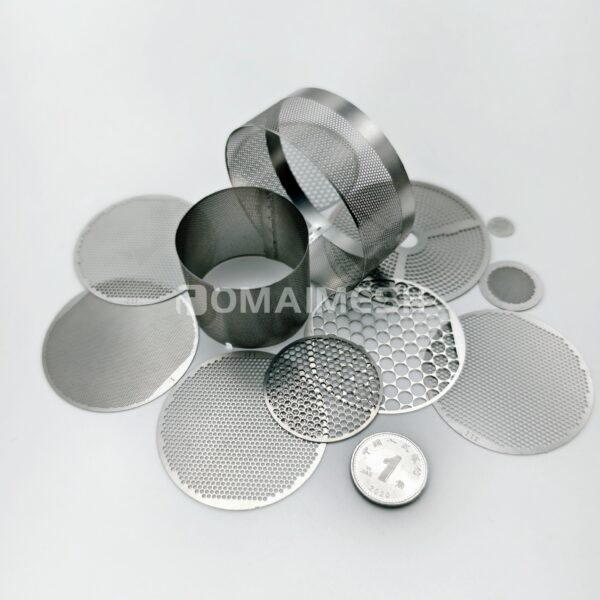
Simply put, hex perforated metal is a sheet of metal punctured with regular hexagon-shaped holes. This differs from round or square perforations by providing a unique blend of strength and aesthetic appeal. The design mimics natural honeybee cells, a shape celebrated for structural efficiency—a pattern tough, lightweight, and visually engaging.
Industrially, these hexagonal holes help regulate airflow, noise, and filtration while maintaining structural integrity. That means besides architecture and machinery, they also pop up in humanitarian aid for building shelters or water filters where robust yet breathable materials are paramount.
Key Aspects of Hex Perforated Metal
Durability and Strength
Hex patterns distribute tension across the sheet evenly, offering better mechanical strength than round perforations. This durability means longer service life, especially in stressful conditions such as outdoor environments or heavy industrial use.
Ventilation and Filtration Efficiency
Because hexagonal holes overlap neatly, they provide a high open area percentage ranging typically from 30%-60%, facilitating excellent airflow while acting as reliable filters for dust, debris, or even liquids.
Cost Efficiency and Material Savings
By maximizing open space with minimal metal removed, manufacturers can reduce raw material waste and optimize product weight—all while preserving strength, thus lowering transportation and installation costs.
Aesthetics and Design Flexibility
Architects and designers prize hex perforated metal for facades, screens, and interior panels. The pattern blends industrial utility with natural symmetry, giving projects a futuristic but grounded feel.
Scalability and Customization
From tiny filters under lab microscopes to massive cladding panels on skyscrapers, hex perforated metal scales easily. Thickness, hole size, and sheet dimensions can all be tailored to precise project specs.
Mini takeaway: Hex perforated metal offers a powerful combo of strength, ventilation, cost savings, style, and versatility—making it invaluable across many sectors.
Global Applications and Industrial Use Cases
Interestingly, hex perforated metals perform critical roles worldwide:
- Architecture: Urban structures in Europe and North America use these sheets as sunshades and facade elements, helping reduce energy loads.
- Manufacturing: Machine guards and filtration components in Asian factories.
- Environmental Tech: Used in waste processing plants for dust control and air filtration across developed and developing countries alike.
- Humanitarian Relief: In disaster-stricken zones, durable, ventilated materials are needed for water filtration units or temporary shelters—exactly where these metals excel.
For example, I learned how a Southeast Asian NGO deployed hex perforated steel panels in emergency shelters after floods—allowing airflow, reducing mold growth, and cutting costs versus traditional plywood walls.
Specifications Snapshot: Typical Hex Perforated Metal Sheet
| Specification |
Typical Range |
| Material |
Stainless Steel, Aluminum, Mild Steel |
| Sheet Thickness |
0.5 mm – 3 mm |
| Hole Size |
1 mm – 15 mm (Across flats) |
| Open Area |
30% – 60% |
| Sheet Width (Max) |
1500 mm |
Vendor Comparison: Leading Hex Perforated Metal Suppliers
| Supplier |
Material Options |
Customization |
Lead Time |
Price Range |
| TOMAI Filter |
Stainless Steel, Aluminum |
High - Custom Sizes, Thickness |
2-4 weeks |
Moderate |
| Global Metals Co. |
Mild Steel, Stainless Steel |
Medium - Standard Patterns |
4-6 weeks |
Low to Moderate |
| EcoMetal Solutions |
Recycled Aluminum, Stainless Steel |
High - Eco-focused Custom Orders |
3-5 weeks |
Moderate to High |
Advantages and Lasting Value of Hex Perforated Metal
At the crossroads of function and form, hex perforated metals offer several key benefits:
- Cost Savings: Lightweight yet strong means less material cost, easier handling, and transport savings.
- Sustainability: Often recyclable and enables energy savings through better ventilation and heat dissipation.
- Innovation: Supports product designs that challenge the usual flat or round-hole norms, opening new creative avenues.
- Reliability: In harsh environments, the hex shape’s durability leads to longer lifecycle components.
I find it fascinating how these sheets deliver both a technical edge and understated aesthetic, which in turn builds trust with end users who want seamless durability with a modern look.
Future Trends in Hex Perforated Metal
The next wave of innovation involves integrating digital fabrication methods and exploring eco-conscious materials. Additive manufacturing may soon complement traditional methods, enabling even finer control over hole shapes and patterns. Meanwhile, incorporating recycled metals addresses the global sustainability push.
Some companies experiment with coatings and composites to add anti-corrosion and self-cleaning qualities, particularly important for green architecture and outdoor applications. Predictive analytics and Industry 4.0 will also optimize production schedules, reducing waste and ensuring faster market delivery.
Challenges in Application and How to Overcome Them
Despite many upsides, challenges do exist:
- Cost vs. Performance: High-quality stainless steels can be pricey—finding a balance takes precise engineering and partnering with flexible vendors.
- Customization Limits: While scalable, very large sheets or unusual pattern sizes can be tough to produce consistently.
- Supply Chain Disruptions: Global material shortages impact availability but working with diversified suppliers helps.
Experts suggest embracing modular designs and reserving hex perforated metal for high-impact areas where its benefits loom largest to address these hurdles effectively.
FAQ: Frequently Asked Questions About Hex Perforated Metal
- What are the main benefits of choosing hex perforated metal over round perforations?
- Hex designs provide better tension distribution and higher open area percentage, enhancing durability and airflow. This makes them suitable for applications needing both strength and efficient ventilation.
- Can hex perforated metal be customized for specific industrial needs?
- Absolutely. Manufacturers offer adjustments in hole size, sheet thickness, and metal type to meet varied requirements—be it filtration, architectural design, or structural application.
- Is hex perforated metal environmentally friendly?
- Generally yes; they often use recyclable metals and support energy efficiency by improving ventilation and reducing weight. Plus, newer suppliers focus on sustainable sourcing.
- How long does a typical hex perforated metal panel last outdoors?
- Durability depends on material choice and environmental conditions, but stainless steel variants commonly last 10+ years with minimal maintenance—sometimes much longer.
- Where can I buy quality hex perforated metal sheets?
- Several trusted suppliers exist—such as TOMAI Filter—offering customizable and reliable products suitable for both small-scale and industrial projects.
Wrapping Up: Why Hex Perforated Metal is Worth Considering
To sum it up, hex perforated metal is more than just a material choice—it's a solution that marries engineering, sustainability, and design. Its wide use cases underscore flexibility and future readiness. If your next project calls for a resilient, stylish, and efficient metal, this is definitely worth a closer look.
For those interested in exploring options or custom orders, feel free to visit our website at https://www.tomaifilter.com where you’ll find detailed specs and expert advice tailored to your needs.
References & Personal Notes:
- ISO standards on perforated metals and industrial filtration (iso.org)
- United Nations data on sustainable industry growth (un.org)
- Case study insights from Southeast Asian humanitarian NGOs (personal communication)
Oddly enough, hex perforated metal feels like one of those quietly transformative innovations—used every day but seldom getting the spotlight. Yet, here we are, appreciating a simple honeycomb pattern that’s shaping the future, one sheet at a time...