Why Square Perforated Metal Remains a Staple in Industrial Applications
After a couple of decades working hands-on in the industrial equipment sector, I've seen plenty of materials come and go. But oddly enough, square perforated metal quietly holds its ground as one of those unsung heroes that just keeps impressing.
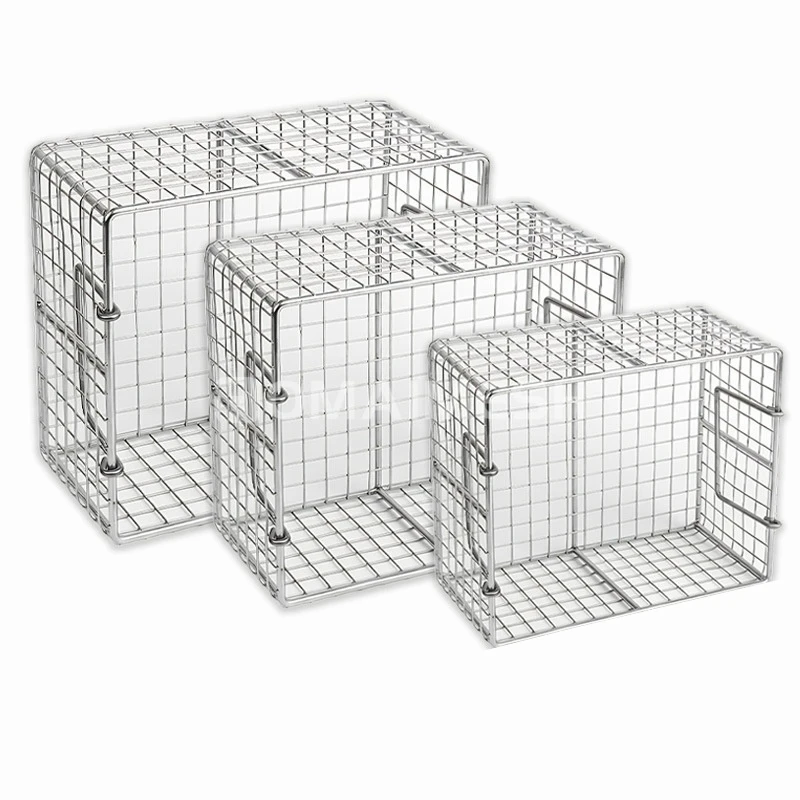
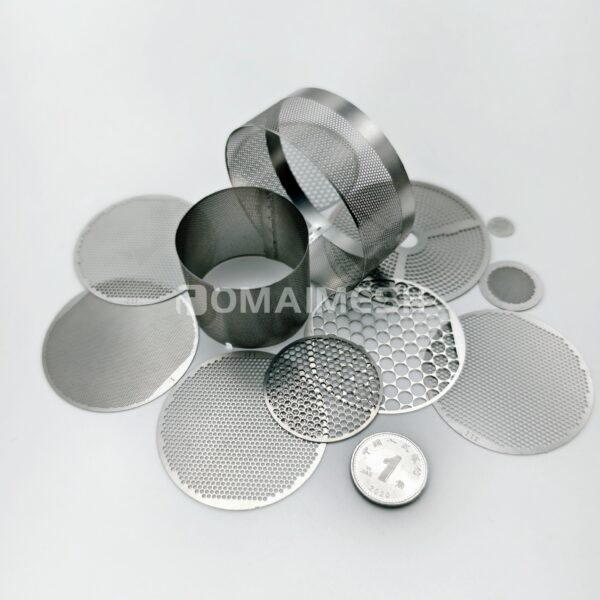
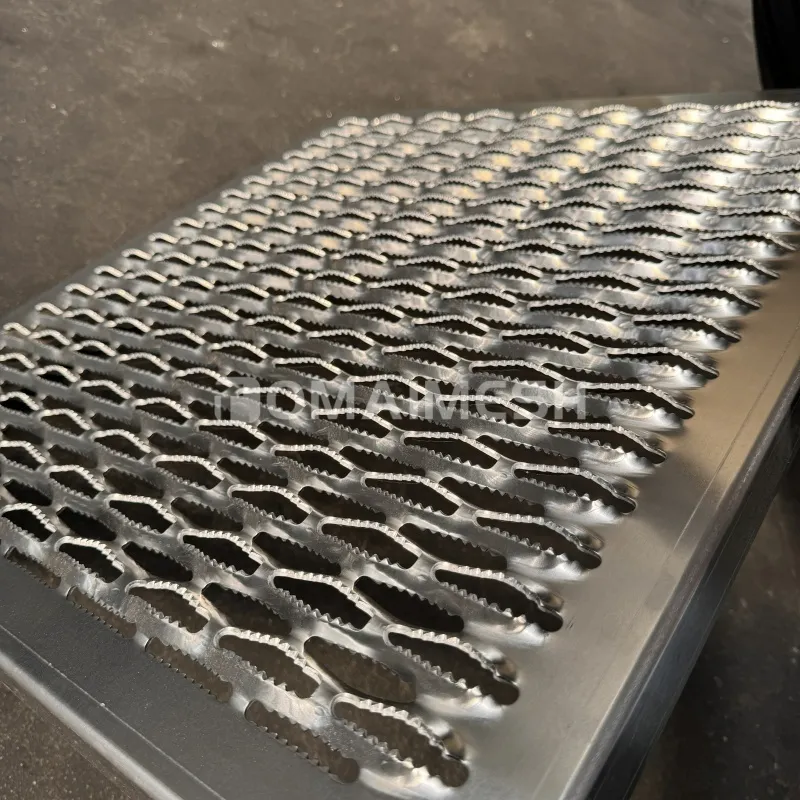
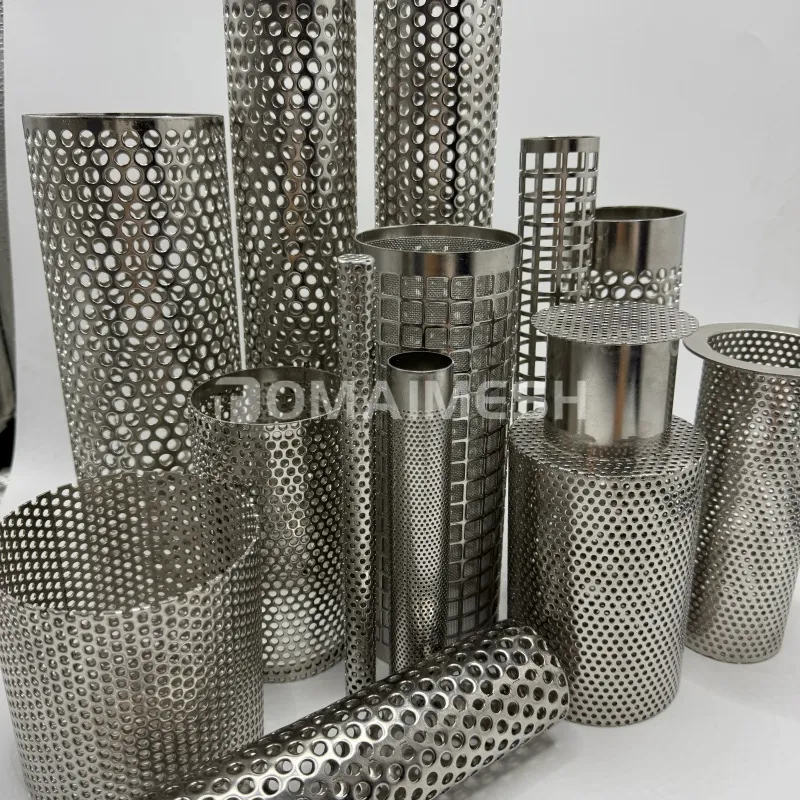
It’s not glamorous like high-tech composites, and it won’t turn heads on the showroom floor. But for countless engineers and fabricators, it’s a trusted workhorse. Whether you’re running conveyor belts, protective screens, filtration panels, or architectural facades, these evenly punched holes—arranged in neat square patterns—make all the difference.
One engineering friend once told me, “You don’t really appreciate good perforated metal until a poorly built one stops your whole line.” And, honestly, I couldn’t agree more. That precision, durability, and reliability come down to design choices and material quality.
Material Choices and Design: What Makes Square Perforated Metal Tick
Steel, stainless steel, aluminum, or even specialty alloys—each offers distinct benefits. The beauty lies in customization. Thickness, hole size, and pattern density drastically affect airflow, weight, structural rigidity, and even sound diffusion.
For instance, stainless steel is favored where corrosion resistance is non-negotiable, like food processing or outdoor industrial environments. I’ve seen galvanized steel do well too for budget-conscious projects, but it’s not a one-size-fits-all.
Testing and standards come into play here. Manufacturers run tensile strength, fatigue, and environmental resistance tests to ensure the metal withstands whatever abuse the job throws at it. It’s not just punched sheets slapped together—there’s science behind each mesh, reflecting years of iteration.
| Specification |
Typical Value |
| Material Types |
Stainless Steel (304, 316), Carbon Steel, Aluminum |
| Thickness Range |
0.5 mm – 6 mm |
| Hole Size (Square) |
1 mm – 50 mm |
| Open Area Percentage |
20% – 60% |
| Max Sheet Size |
1200 mm x 2400 mm (varies by supplier) |
Comparing Vendors: Choosing the Right Partner for Your Needs
From my vantage point, a vendor’s reputation and flexibility often matter just as much as product specs. I’ve been on calls where a supplier’s ability to advise on hole pattern optimization saved hours (and budget). Some go the extra mile to provide finishing options like powder coating or electro-polishing, which—frankly—elevate lifespan.
| Vendor |
Material Options |
Customization Level |
Lead Time |
Additional Services |
| TOMAI Filter |
Stainless Steel, Carbon Steel, Aluminum |
High (pattern, size, finishing) |
2–4 weeks |
Finishing, technical support |
| MetalMesh Co. |
Carbon Steel, Aluminum |
Medium |
3–5 weeks |
Standard cut-to-size |
| SteelGrid Solutions |
Stainless Steel only |
Low |
4–6 weeks |
None |
One project stands out when I recall how the right choice in square perforated metal made the difference: a packaging plant experiencing airflow problems due to inefficient screen panels. Switching to a high-quality stainless steel panel with optimized hole sizing improved ventilation, cut down cooling costs, and even reduced downtime. Small choice, big impact.
In real terms, not every project demands top-of-the-line stainless or dizzying hole counts, but knowing you have options—and a trusted partner like TOMAI—makes those decisions easier.
So yeah, square perforated metal isn’t flashy, but it sure is vital. It’s one of those materials that stays quietly reliable, year after year, helping keep our machines humming and factories running.
That’s why I keep recommending it whenever someone asks about sturdy, adaptable industrial metal panels. Oh, and don’t underestimate the power of talking to vendors who actually understand your project’s nuances. It pays off more than you’d think.
References & musings:
1. Personal experience with industrial metal fabrication projects (2005-2023)
2. Vendor technical datasheets and certifications
3. Industry forums & professional discussions on material optimization