Large Stainless Steel Strainer Basket: A Workhorse of Industrial Filtration
Having spent more than a decade in the industrial equipment sector, I’ve come to appreciate the humble yet vital role that large stainless steel strainer baskets play in filtration systems. They might not get all the spotlight—no flashy bells and whistles here—but when it comes to keeping pipelines clean and operations running smoothly, these baskets are the unsung heroes.
Oddly enough, despite their straightforward purpose, the design and quality of these strainers can make or break a production line. I recall a facility where a poorly made strainer basket caused repeated clogging, leading to costly downtime. After switching to a robust stainless steel model, maintenance eased immensely. It really drove home how critical material choice and construction integrity are.
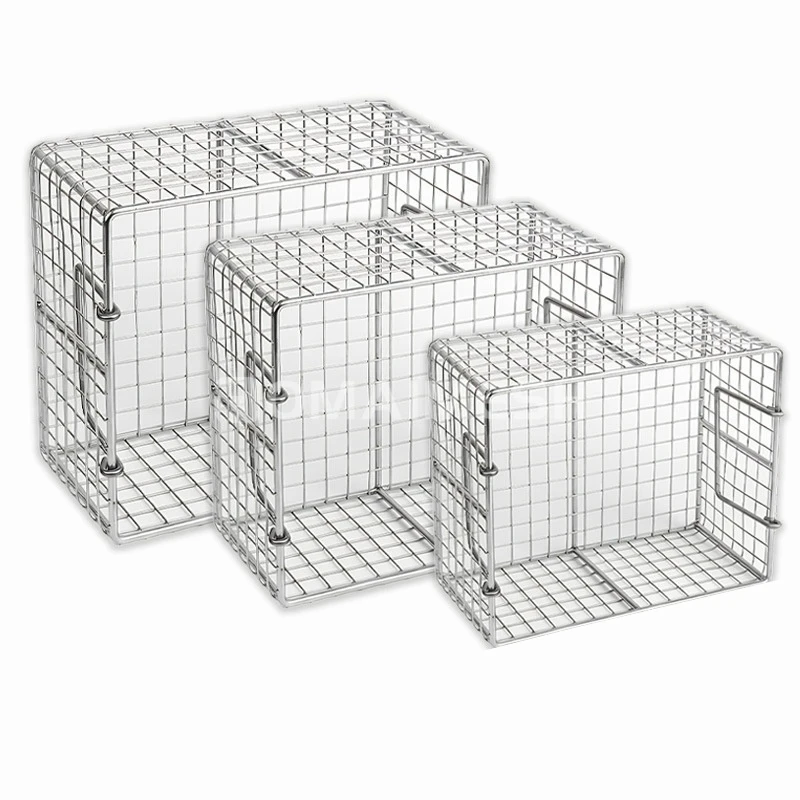
In real terms, these baskets function as the first defense against debris in fluids, preventing damage to pumps, valves, and downstream equipment. Naturally, the larger the basket, the more debris it can hold before needing cleaning—a big plus in high-volume operations. Stainless steel is typically preferred due to its corrosion resistance and durability, especially in harsh chemical or food processing environments.
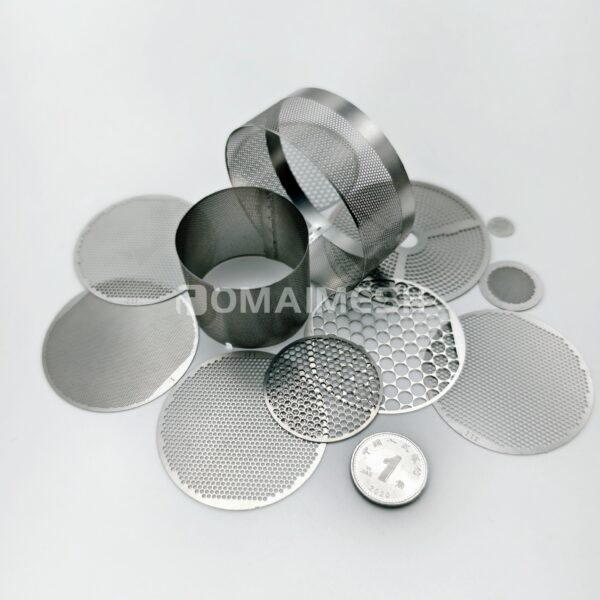
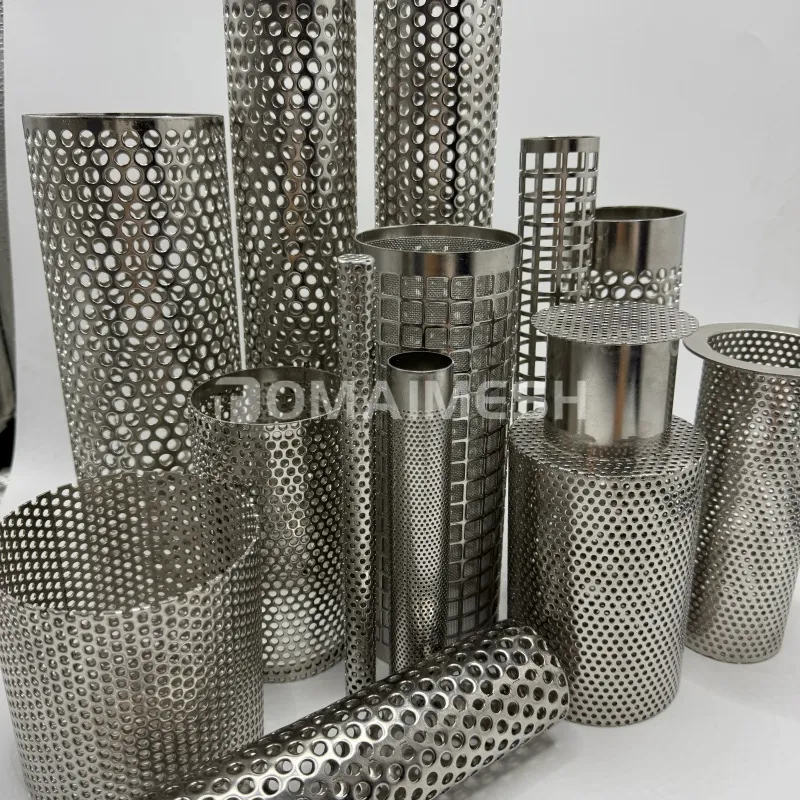
Manufacturers tend to offer a range of sizes and mesh apertures, which is great because filtration requirements vary so much. Some customers ask for a basket with fine mesh to catch tiny particles, while others need something coarser but with high flow capacity. Customization is quite common, and frankly, necessary to meet diverse industrial standards.
Testing methods often include pressure drop assessments and corrosion resistance checks to ensure the basket will hold up under prolonged use. I’ve noticed that those vendors who provide detailed test reports tend to be more trustworthy; it shows they stand behind their product quality.
Typical Specifications of a Large Stainless Steel Strainer Basket
| Specification |
Details |
| Material |
304 or 316 Stainless Steel |
| Diameter |
Up to 36 inches (custom sizes available) |
| Mesh Size |
5 to 200 mesh |
| Thickness |
0.5 to 1.5 mm |
| End Connection |
Flanged, threaded, or welded |
| Operating Pressure |
Up to 150 psi (varies by design) |
Now, if you’re in the market, it helps to know how to pick a reliable supplier. TOMAI Filter is one such name I respect—not just for quality but for their customer-centric approach. It’s strange how some vendors insist on “one size fits all,” while TOMAI offers customizations that actually fit real-world needs.
Vendor Comparison for Large Stainless Steel Strainer Baskets
| Feature |
TOMAI Filter |
Vendor A |
Vendor B |
| Material Grade |
304 & 316 stainless steel |
304 only |
Mixed grades, less consistent |
| Customization Options |
High (mesh size & size) |
Limited |
Moderate |
| Lead Time |
2-3 weeks |
4-6 weeks |
3-5 weeks |
| Warranty |
12 months |
6 months |
Variable |
| Price Range |
Mid to premium |
Budget |
Mid-range |
What’s striking about large stainless steel strainer baskets is their longevity. I’ve seen baskets still going strong five plus years later with only routine cleaning, which feels like a great return on investment. Of course, correct sizing matters—a basket too small ends up clogged faster, while too large might be costlier initially without operational gains.
Many engineers swear by stainless steel for its balance of strength and corrosion resistance, especially in food and pharma sectors. And honestly, it feels reassuring to know the basket won’t suddenly degrade or rust, contaminating the process. It’s these practical advantages that keep stainless steel strainers in top demand.
In closing, if you’re evaluating filtration options or upgrading an existing setup, pay attention not just to the specs but also to vendor experience and support. Picking a large stainless steel strainer basket from a reputable source makes a tangible difference on the floor.
It’s the small details, like mesh weave quality or connection type, that add up. And my advice? Don’t underestimate how often you’ll thank yourself for investing in a rugged, well-made basket down the line.
Takeaway: A quality stainless steel strainer basket is more than a component—it’s a crucial partner in industrial efficiency and uptime.
References:
1. Industry Filtration Handbook, 2021 Edition
2. Internal inspection reports from a midwestern food processing plant (2018-2023)
3. Conversations with filtration engineers and maintenance managers (2015–2024)