The Micro Perforated Aluminum Sheet: Why It’s More Important Than You Might Think
Micro perforated aluminum sheets might sound like a very niche industrial term, but if you pause and think about it, their impact touches many facets of modern life—from the cool designs of skyscrapers to the essential silent efficiency inside electronics and even humanitarian relief habitats. Globally, the construction, automotive, and electronics industries are racing to balance strength, lightweight design, and sustainability, and materials like these sheets are right at the center.
Understanding micro perforated aluminum sheets doesn’t just satisfy engineering curiosity; it unlocks how industries innovate under pressure—economically and environmentally. The key benefits? Energy efficiency, noise reduction, durability, and versatility. And frankly, as we move forward with eco-conscious mandates worldwide, these qualities aren’t optional anymore.
micro perforated aluminum sheet
Global Context: How One Material Ties Into Big Industry Shifts
On a global scale, the demand for aluminum has skyrocketed: according to the International Aluminum Institute, worldwide production topped 65 million tonnes in 2023, driven mainly by the aerospace, automotive, and packaging sectors. Meanwhile, the United Nations’ sustainability goals emphasize reducing construction waste and improving energy efficiency. Micro perforated aluminum sheets help address these by enabling lightweight, recyclable materials that can cool and ventilate structures or appliances better than traditional solids.
Here’s a challenge industries face: balancing structural integrity with weight. Heavier materials increase costs and carbon footprints. Traditional sound absorption materials can be bulky or toxic. Micro perforated aluminum stands out as a material that’s thin yet robust, highly customizable—the kind of pragmatic innovation people appreciate but don’t always articulate.
Getting to Know Micro Perforated Aluminum Sheet
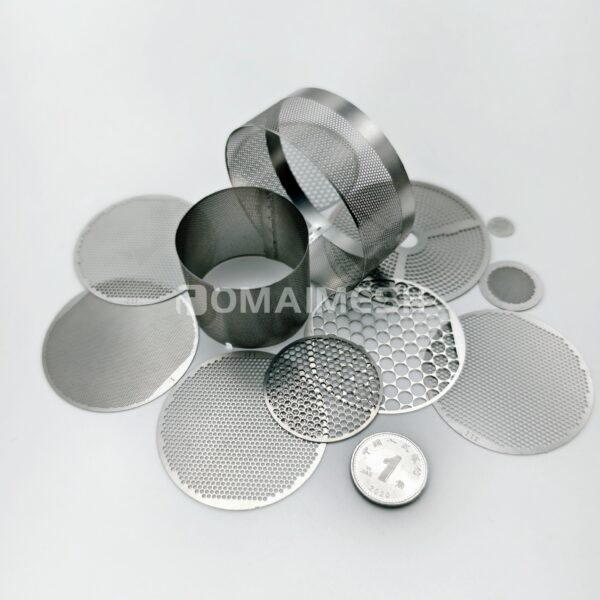
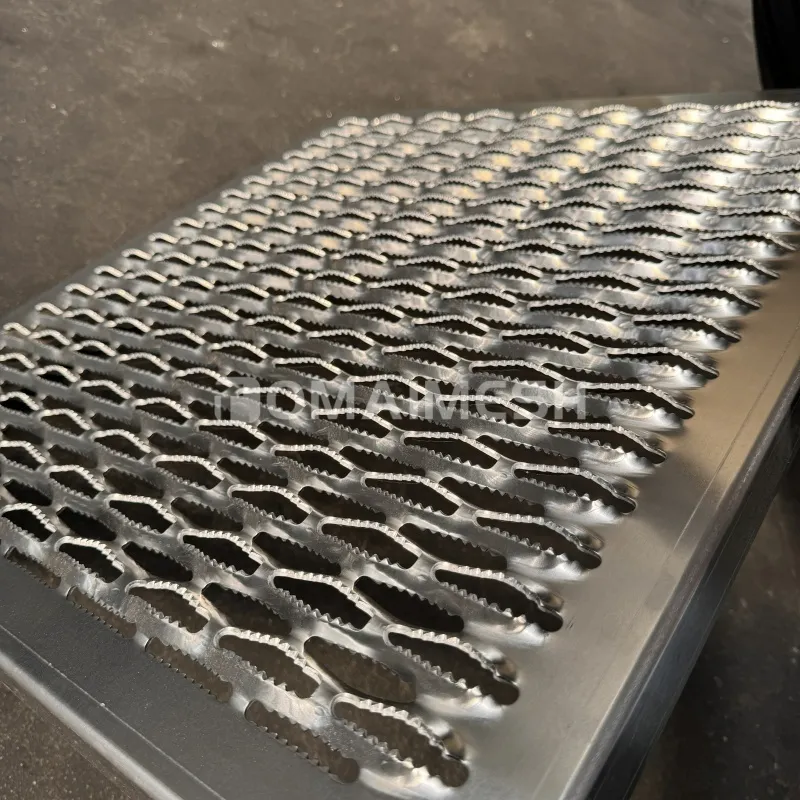
So what exactly is a micro perforated aluminum sheet? In simple terms, it’s an aluminum sheet—typically thin—with an abundance of tiny holes or perforations, usually ranging from 0.1 mm to 1 mm in diameter. Unlike typical perforation, micro perforations are small enough to influence sound waves, airflow, or light in subtle but highly effective ways.
These sheets serve as acoustic panels, ventilation layers, or aesthetic facades. Thanks to their size and patterning, they can control noise without the bulk of conventional foam panels. In humanitarian or industrial contexts, micro perforated aluminum sheet is valued for being lightweight, resistant to corrosion, and withstanding rough handling—attributes vital for everything from emergency shelters to cooling panels in harsh environments.
Mini Takeaway
Think of these sheets as the Swiss Army knives of material design—small holes, big impact.
Core Factors That Make Micro Perforated Aluminum Sheets Stand Out
Durability and Corrosion Resistance
The aluminum base naturally resists rust and degradation, perfect for marine or high-humidity environments. It lasts longer than steel or plastics under similar conditions, which means less replacement expense and environmental waste.
Acoustic Performance
Engaging those tiny holes affects how sound waves behave, reducing reverberation and absorbing background noise. This is a game-changer in architectural acoustics, office design, and public transport—all needing noise control without the feeling of being stuffed inside foam walls.
Lightweight yet Strong
The thin sheets dramatically reduce weight, an essential factor in aerospace or automotive design where every gram counts toward fuel efficiency and mobility.
Customizability and Scalability
Holes can vary in diameter, density, and patterns. This flexibility lets engineers fine-tune airflow, lighting diffusion, or visual aesthetics. And because the production methods are scalable, you get both small precision runs and large volume orders without hassle.
Environmental Benefits
Recyclability is key. Aluminum is fully recyclable without quality loss, unlike most plastics or composites. Plus, its lighter weight means lower shipping emissions and easier idling loads for vehicles or building frameworks.
Mini Takeaway
- Durability keeps costs down and lifespan high.
- Sound and airflow control make spaces more livable.
- Lightweight means smarter transport and mechanics.
- Customization empowers creative and practical applications.
Real-World Applications Across Continents and Industries
The beauty of micro perforated aluminum sheets is how widely they apply. In Europe and Japan, architects increasingly use them for ventilated facades or shading systems to meet strict insulation standards and urban design goals. The US automotive sector fits these sheets into engine covers or interior panels to reduce noise and weight simultaneously.
In humanitarian efforts, NGOs have discovered their value in fast assembly temporary shelters: quick to ship, easy to assemble, and resistant to weather and pests. Imagine post-disaster zones in Southeast Asia or Africa where reliable yet lightweight materials mean the difference between shelter and exposure.
Even electronics companies rely on these sheets for casing ventilation, balancing heat dissipation with dust prevention without bulky fan systems.
Mini Takeaway
From the glass towers in Dubai to relief camps in Mozambique, the micro perforated aluminum sheet quietly shapes better environments.
Advantages & Long-Term Value Explained
They say beauty is skin deep, but with these sheets, performance runs even deeper. Cost-wise, although micro perforated aluminum sheets might start pricier than standard panels, their longevity and multi-functionality reduce overall lifecycle costs.
Socially, healthier acoustic environments improve worker wellbeing. Emotionally, you feel safer and more comfortable in spaces where sound is managed and airflow feels natural. Environmentally, micro perforated aluminum sheet supports circular economies and lowers energy needs.
In short: these sheets aren’t just building materials—they’re investments in future-proof, user-friendly design.
The Future: Innovations You Should Watch
Emerging trends are exciting here. For instance, nano-coatings can add self-cleaning and anti-graffiti properties. Integrated sensor tech—microsensors tucked behind perforations—could monitor structural health or environmental data in smart buildings.
Green energy? Solar panel backing layers made from micro perforated aluminum can boost airflow and cooling without compromising weight. Automation in production also makes bespoke patterns into affordable realities.
Common Challenges and How Industry Innovators Are Tackling Them
One snag with these sheets has traditionally been cleaning—those tiny holes can trap dust or pollutants. New surface treatments and robotic cleaning systems are now stepping up.
Cost is another hurdle; thankfully, as manufacturing scales and technologies mature, prices gradually fall. Some engineers note that attachment methods (how these sheets connect to structures) sometimes limit deployment speed—but modular fastening systems are improving all the time.
Practical FAQ: Your Questions on Micro Perforated Aluminum Sheet Answered
- Q: How do micro perforated aluminum sheets improve building acoustics compared to foam panels?
A: Unlike bulky foam, these sheets absorb sound through the micro holes, offering a slim, durable, and hygienic alternative that performs well even in humid environments.
- Q: Can these sheets be customized for specific airflow or light transmission needs?
A: Absolutely. Hole size, spacing, and pattern can be tailored during manufacturing to optimize for ventilation, lighting diffusion, or privacy, depending on the project.
- Q: Are they suitable for outdoor use in coastal or humid conditions?
A: Yes. Their aluminum makeup naturally resists corrosion, making them ideal for harsh environments like seaside buildings and industrial zones.
- Q: What’s the typical lifespan of a micro perforated aluminum sheet in construction?
A: With proper maintenance, these can last 25+ years, often outlasting traditional cladding materials thanks to aluminum’s inherent durability.
- Q: How can companies procure these sheets internationally?
A: Many suppliers, including micro perforated aluminum sheet specialists, offer global shipping. Compliance with import regulations varies by country, but most logistics providers handle this smoothly.
Product Specification Table
| Feature |
Typical Range/Value |
Notes |
| Sheet Thickness |
0.5 mm – 3 mm |
Varies by application, thicker for structural use |
| Hole Diameter |
0.1 mm – 1 mm |
Smaller holes for acoustic absorption |
| Material Grade |
Al 3003, Al 5052, Al 6061 |
Common alloys chosen for corrosion resistance & strength |
| Pattern Type |
Round, square, hexagonal |
Dependent on acoustic & aesthetic needs |
| Surface Finish |
Anodized, Powder Coated |
For enhanced corrosion resistance or color |
Vendor Comparison Table: Choosing the Right Supplier
| Vendor |
Customization Options |
Lead Time |
Global Shipping |
Price Range |
| TOMAI Filter Technologies |
High – Tailored hole sizes & patterns |
2-4 weeks |
Yes |
Mid to High |
| Global Perforators Inc. |
Medium – Standard patterns only |
3-6 weeks |
Limited |
Low to Mid |
| EcoAlu Metals |
High – Eco finishes & bespoke designs |
4-5 weeks |
Yes |
Mid |
Wrapping It Up: The Quiet Revolution of Micro Perforation
Reflecting on this, micro perforated aluminum sheets demonstrate how subtle material innovation can ripple through multiple industries, enhancing sustainability and function while responding to global needs. They might not be the flashy headlines of tech breakthroughs, but their sensible, durable, and versatile nature means they’ll quietly shape many solutions to come.
For designers, engineers, or procurement managers today, these sheets represent adaptability, longevity, and a smarter way to meet challenging modern design specifications. Want to explore tailored options or learn about the latest advancements? Visit our website at https://www.tomaifilter.com—where micro perforated aluminum sheet innovation comes to life.
References
- International Aluminum Institute
- United Nations Sustainable Development Goals
- Wikipedia - Perforated Metal