Unpacking Micro Perforated Mesh: Why It Matters Globally
If you’ve ever stopped to marvel at how some materials can cleverly combine strength, breathability, and fine filtration all at once, you’ve glimpsed the magic behind micro perforated mesh. This isn’t just some niche manufacturing gimmick. Micro perforated mesh stands at a fascinating crossroads of engineering, environmental sustainability, and industrial innovation.
At the global scale, the demand for materials that streamline air flow, control noise, or filter micro-particles keeps rising. From enhancing indoor air quality to supporting humanitarian aid structures, this mesh material delivers more than meets the eye. Grasping its benefits means appreciating a clever piece of design that silently improves everything from comfort to safety.
Mini takeaway: Micro perforated mesh represents a tiny but powerful solution to broad challenges faced in industry and disaster relief alike.
Why Micro Perforated Mesh Is Gaining Worldwide Attention
Statistics from the United Nations and ISO confirm rising global concerns over air pollution, noise control, and material sustainability. The World Bank reports urban air pollution accounts for 7 million premature deaths each year worldwide. At the same time, industries seek advanced materials to balance performance and eco-friendliness.
Micro perforated mesh enters this scene as a lightweight, customizable, and efficient material that directly addresses these challenges. For example, by filtering particulate matter down to microns, this mesh helps create safer indoor environments. Add to that its use in temporary construction and filtration in disaster zones — and it’s clear why engineers and NGOs care deeply about this technology.
Mini takeaway: It’s not just about cool facts. Micro perforated mesh is actively helping to solve global problems relating to health, safety, and environment.
What Exactly Is Micro Perforated Mesh?
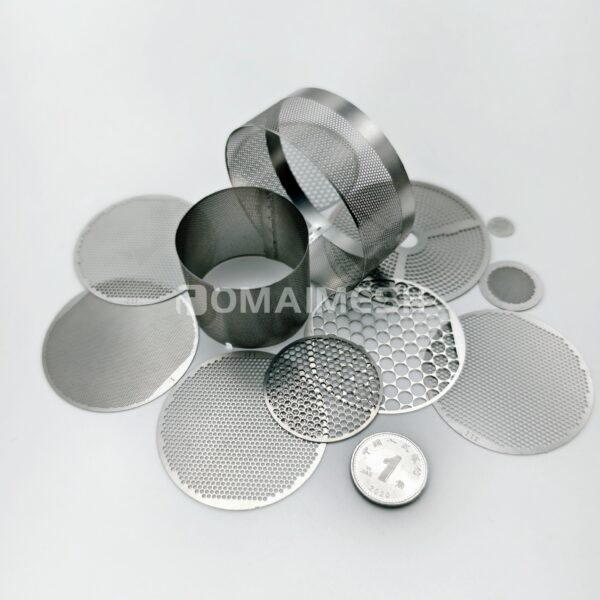
Simply put, micro perforated mesh is a thin sheet of metal or polymer punctured with lots of tiny, precisely spaced holes. The holes are so fine that they often measure less than 1 millimeter in diameter — hence the “micro” prefix.
Think of it as a sieve that selectively lets air, light, or liquid pass through while stopping harmful particulates or noise waves. This balances filtration with breathability, something you rarely find in traditional, solid materials.
In modern industrial or humanitarian contexts, it forms the backbone of systems ranging from micro perforated mesh air filters to temporary protective screens that combine durability with lightweight portability.
Mini takeaway: Micro perforated mesh is about designing tiny holes for huge impact — filtering, protection, and airflow control in one package.
Key Aspects of Micro Perforated Mesh and Why They Matter
Durability
The materials used—typically stainless steel, aluminum, or high-grade polymers—are designed to resist corrosion and mechanical stress. This means the mesh holds up even in harsh environments, from coastal industrial plants to emergency shelters.
Scalability and Customization
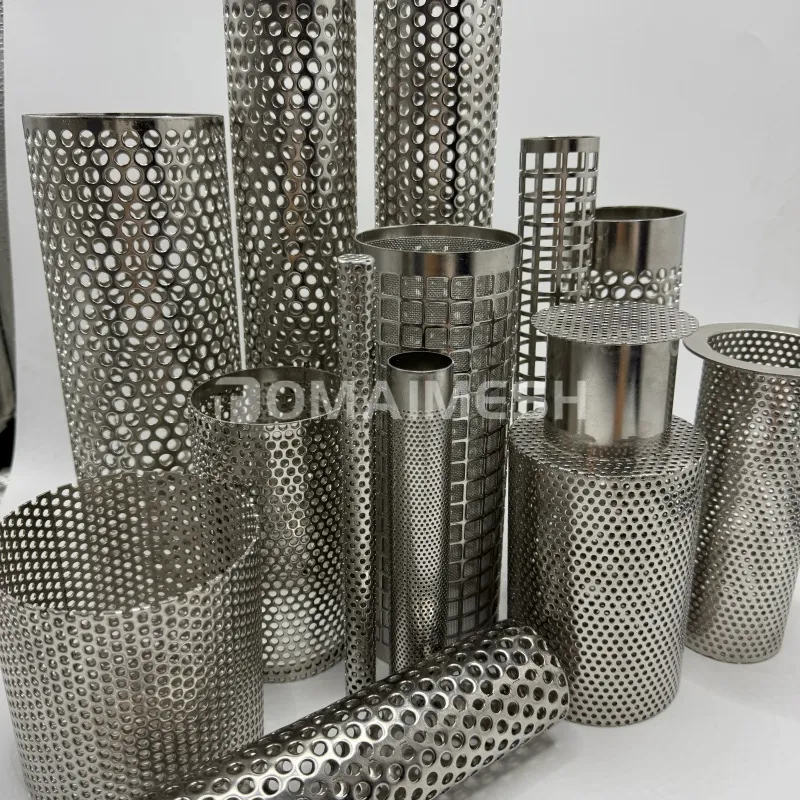
From tiny vents on electronic devices to large panels in ventilation systems, micro perforated mesh can be tailored in size, hole pattern, and thickness. This makes it remarkably versatile.
Cost Efficiency
Because it's manufactured with precision machinery, waste is minimized, and product life cycles are long. This reduces replacement frequency and lowers long-term costs.
Eco-Friendliness
Lightweight yet sturdy, the mesh often uses recyclable materials, reducing both shipping footprint and post-use waste. Plus, its filtering ability helps improve air quality or reduce noise pollution.
Performance in Filtration and Ventilation
Its micro holes offer effective filtering of particles like dust, pollen, or even bacteria depending on size, all while allowing adequate airflow critical in industrial settings.
Mini takeaway: Durability, scalability, economy, and environmental care — these qualities make micro perforated mesh a smart choice across sectors.
Real-World Uses Across the Globe
In Asia’s urban sprawl, these meshes filter harmful particulates in HVAC systems. In Europe, they’re part of innovative acoustic solutions reducing noise pollution.
NGOs operating in post-disaster disaster zones in Africa often rely on micro perforated mesh as part of quick-assembly shelters and water filtration tools—where light weight and durability are essential.
Remote industrial sites, from oil rigs in the North Sea to mining operations in Australia, use these meshes extensively in machinery guards and ventilation controls.
Mini takeaway: From city skyscrapers to off-grid operations, micro perforated mesh quietly supports safety and comfort in countless environments.
Typical Product Specifications
| Specification |
Typical Values |
| Hole Diameter |
0.1 – 1.0 mm |
| Material |
Stainless Steel, Aluminum, Polymer |
| Thickness |
0.2 – 2.0 mm |
| Open Area Ratio |
10% – 40% |
| Tensile Strength |
250 – 500 MPa (depending on material) |
| Temperature Resistance |
Up to 600°C (for metals) |
Advantages That Keep Professionals Coming Back
- Cost Savings: Less frequent replacements and reduced system strain translate to better economics.
- Environmental Benefits: Reduced waste plus better air and noise management support green initiatives.
- Safety & Comfort: Effective filtration and ventilation improve health conditions and reduce risk.
- Innovation Catalyst: Adaptable mesh allows designers and engineers to solve new problems as they arise.
In many ways, it’s the unsung hero that adds a layer of safety and innovation, quietly nurturing trust in both industrial and humanitarian efforts.
How Innovations are Shaping the Future
Stretching beyond traditional metals, research explores nano coatings and composite materials to boost filtration efficiency and corrosion resistance. Advances in digital manufacturing such as laser perforation and AI-driven design tools enable hyper-customization.
Moreover, the rise in renewable energy demands meshes that aid ventilation in solar and wind equipment, pairing micro perforated mesh with green tech initiatives.
Automation in production reduces human error and cost further, making advanced micro perforated meshes more accessible worldwide.
Overcoming Challenges in Micro Perforated Mesh Use
One common limitation involves mismatched pore size and application needs — sometimes mesh that’s too coarse allows unwanted particles, too fine and airflow suffers. Many engineers say balancing these factors requires early collaboration between designers and end-users.
Material cost can also be a barrier, especially in lower-income regions. Here, innovative polymer-based meshes offer a more affordable alternative without sacrificing key properties.
Additionally, training local teams in maintenance ensures that the mesh’s long-term value isn’t undermined by neglect or improper use.
Vendor Comparison: Leading Suppliers of Micro Perforated Mesh
| Vendor |
Material Options |
Customization |
Lead Time |
Price Range |
| TOMAI Filter |
Metal & Polymer |
High (hole size & pattern) |
2-4 weeks |
Medium |
| Global Mesh Co. |
Metal only |
Medium |
3-6 weeks |
High |
| EcoMesh Solutions |
Polymer & Composites |
High |
4-5 weeks |
Low-Medium |
FAQs on Micro Perforated Mesh
Q: How does micro perforated mesh enhance indoor air quality?
A: By filtering out fine particulate matter such as dust and pollen, micro perforated mesh acts as a breathable barrier without restricting airflow. This reduces contaminants entering ventilation systems, improving overall air quality in homes and commercial buildings.
Q: Can micro perforated mesh withstand harsh weather in disaster zones?
A: Yes. When manufactured from corrosion-resistant metals or robust polymers, these meshes remain durable in extreme environments, making them ideal for quick-deploy shelters and filtration systems during emergency relief efforts.
Q: Is customization available for specific industrial needs?
A: Absolutely. Vendors like TOMAI Filter offer highly customizable options for hole size, pattern, and material thickness to fit precise operational requirements, providing tailored solutions rather than a one-size-fits-all product.
Q: What environmental benefits does micro perforated mesh provide?
A: Besides improving air quality and noise reduction, many micro perforated meshes are recyclable and help lower energy consumption by enhancing ventilation efficiency, aligning well with sustainable building goals.
Q: How can international NGOs source reliable micro perforated mesh?
A: International organizations typically work with proven suppliers that provide certification and detailed spec sheets. Partnering with global vendors who understand regulatory compliance helps smooth import and deployment in humanitarian contexts.
Wrapping It Up: Why Micro Perforated Mesh Deserves Your Attention
In the grand scheme, micro perforated mesh may seem like an unsung hero—but it’s actually a linchpin in global efforts around health, safety, and environmental care. Its blend of versatility, resilience, and efficiency speaks to an engineering elegance that keeps pace with both industry demands and humanitarian needs.
For anyone aiming to invest in cutting-edge, sustainable materials, exploring micro perforated mesh options is well worth the time. Curious for more detail or interested in tailored solutions? Visit https://www.tomaifilter.com to see how this clever technology can elevate your projects.
Thanks for reading — sometimes it’s the very smallest holes that open up the biggest possibilities.
References
- World Health Organization: Air Pollution
- ISO Standards on Air Filtration
- United Nations Environment Statistics