The Subtle Science of Perforated Plate Sizes: Why It Really Matters
If you thought “perforated plate sizes” was just a dry technical term reserved for engineers and factory folks, you're in for a surprise. These simple-looking metal sheets—full of holes—are quietly powering industries, shaping infrastructure, and even easing humanitarian efforts worldwide. Why? Because the exact size and pattern of these perforations influence everything from airflow and filtration to durability and cost. Understanding these sizes isn't just a matter of specs — it’s a doorway to innovation, sustainability, and smarter solutions.
Let’s be honest: globally, large-scale manufacturing, environmental tech, and disaster relief operations all lean heavily on the strategic use of such materials. With demands rising—think urbanization, climate change, and evolving industrial needs—knowing your perforated plate sizes isn’t just a luxury; it’s a necessity.
Why Are Perforated Plate Sizes Globally Relevant?
According to ISO standards, the precise engineering of perforated plates directly affects product quality and environmental impact (ISO 9001). For example, the World Bank noted a surge in infrastructure spending in developing countries, where optimized materials like perforated plates make costly projects more efficient and sustainable (World Bank Infrastructure Report 2022).
Common challenges such as material waste, airflow inefficiencies, and lack of adaptability often stem from misaligned perforation specs. In fields like HVAC, water treatment, or agricultural processing, even small errors in plate sizing ripple into major operational costs or system failures.
When you consider the entire supply chain—from raw material extraction to disposal—perforated plate dimensions are key levers for innovation and cost-cutting. From lightweight spacers in Europe to robust screens in Asia, the global footprint is undeniable.
Perforated Plate Sizes: What Does It Actually Mean?
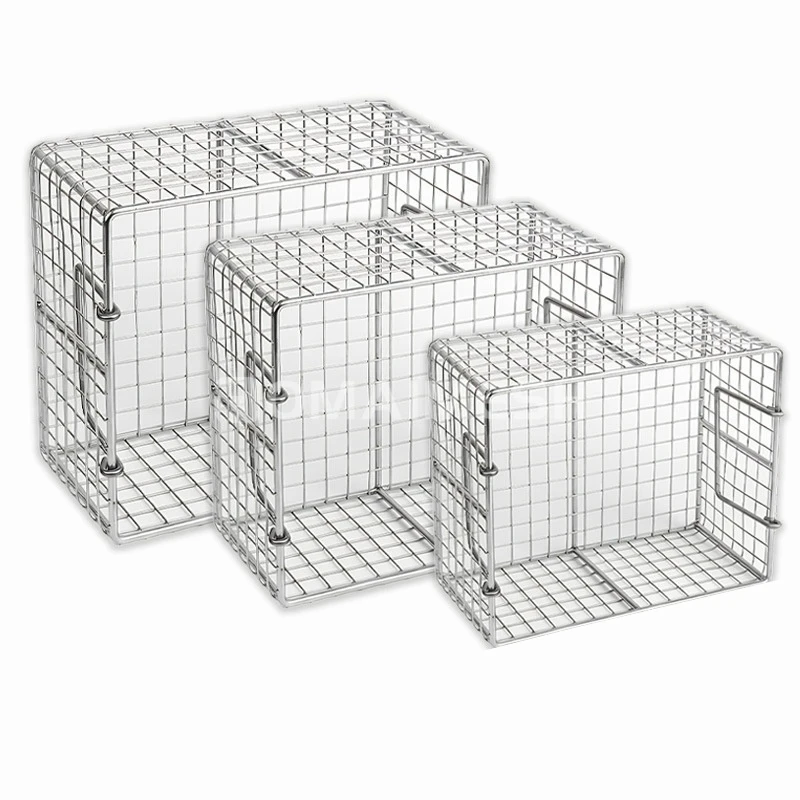
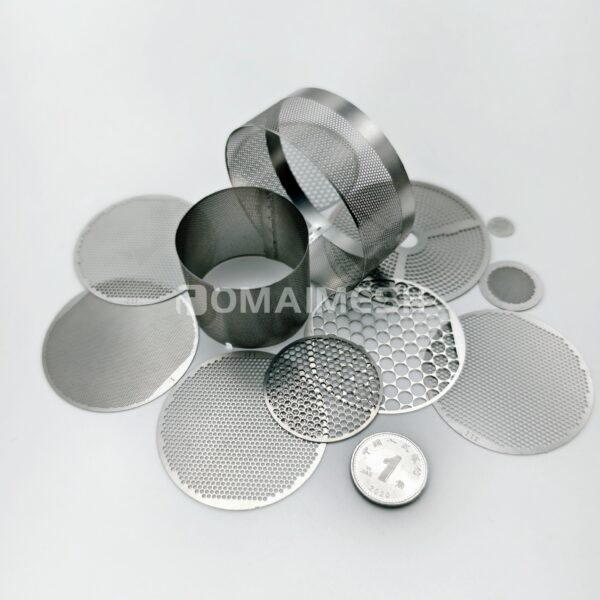
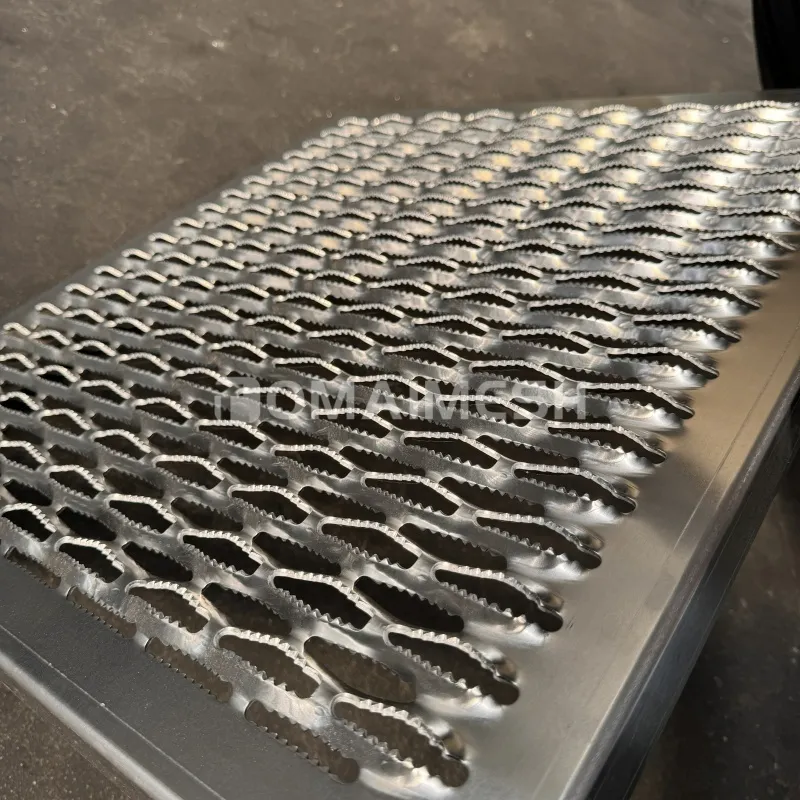
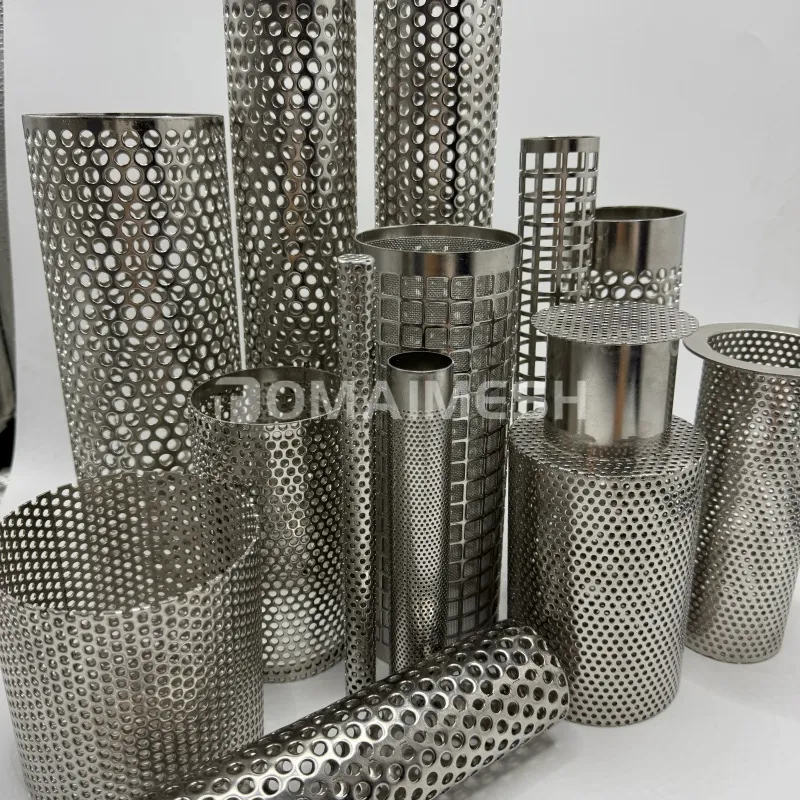
In the simplest terms, a perforated plate is a metal sheet punctured uniformly with holes. The “sizes” part refers to the diameter, shape, and spacing of these holes—sometimes round, square, or slotted. These variations directly govern how much material passes through, how durable the plate remains, and how it interacts with its environment.
Oddly enough, the right perforation can transform a basic steel sheet into a filtering device, a decorative facade, or even a protective barrier in industrial applications. Plus, their versatility means they can serve critical uses in sectors as diverse as food processing, architecture, mining, and emergency relief.
Core Factors to Know About Perforated Plate Sizes
1. Durability & Material Type
The type of metal—stainless steel, aluminum, or galvanized steel—affects how well a plate holds up under stress. Many engineers say the perforation size must balance openness with strength. Too big, and the structure weakens; too small, and the purpose gets defeated.
2. Hole Pattern & Shape
Round holes are classic, but square or slotted patterns offer unique airflow or filtration advantages. For example, slotted perforations often enhance separation processes in water treatment plants.
3. Open Area Percentage
This metric tells you how much of the plate’s surface is actually cut out. Higher open area means better ventilation or filtration but potentially less strength. Think of it like a fine sieve vs. a coarse one.
4. Scalability & Customization
Manufacturers now often provide bespoke perforated plates—tailored sizes and patterns designed for highly specific industrial or environmental needs. This scalability solves many longstanding problems in varied fields.
5. Cost Efficiency
Economies of scale and smart design reductions minimize waste and raw material use. Optimizing plate perforations helps companies stay green and cost-effective—a win-win in today’s competitive marketplace.
Mini Takeaway: Knowing the right perforated plate sizes isn’t just about metal sheets; it’s a multifaceted balance between strength, function, and cost—shaped by well-defined specs and clever design.
Where Are These Perforated Plates Making a Difference Worldwide?
In fact, their footprint is everywhere:
- Industrial zones in Southeast Asia: Used extensively for filtration in manufacturing plants and mining operations.
- Post-disaster relief in the Americas: Lightweight and modular perforated siding helps construct temporary shelters that breathe and last.
- European architecture: Decorative yet functional facades depend on custom perforated plates for style and ventilation.
- African water treatment facilities: Rely on slotted perforations designed precisely for local filtration needs.
A notable example: A relief NGO in the Philippines adopted customized perforated metal sheets to create durable, flexible walls for fast assembly housing after typhoon damage—all optimized for local weather through specific hole sizing.
Advantages & Long-Term Value of Precise Perforated Plate Sizes
From a financial standpoint, waste-cutting and durability translate to lower replacement cycles and maintenance costs. Socially, safer and more breathable emergency shelters restore dignity for displaced populations. Environmentally, smart specs mean less metal used and less scrap, aligning with green manufacturing goals.
On the emotional side, innovations that improve safety or comfort resonate beyond pure numbers. Engineers and planners often mention the “trust factor” companies gain by dramatically improving reliability and user experience through smart perforation design.
Looking Forward: Trends & Innovations in Perforated Plate Sizes
We’re seeing a host of exciting developments on the horizon:
- Smart Materials: Integration of sensor-embedded perforated plates for structural health monitoring.
- Green Energy: Use in solar panel ventilation and noise reduction in wind turbines.
- Automation: AI-driven design optimizes hole patterns in real time for unique project needs.
- Eco-Friendly Finishes: Biodegradable coatings and recycled metal blends becoming mainstream.
Overcoming Challenges in Perforated Plate Usage
Of course, no tech is perfect. Some current issues include:
- Difficulty in international standardization of sizes, slowing global adoption.
- Manufacturing limitations for very fine or irregular perforations.
- Balancing cost and performance in low-budget projects.
Luckily, companies are exploring modular designs paired with 3D printing and hybrid materials to tackle these. It feels like we’re entering a new chapter of adaptable, sustainable metal fabrication.
FAQ: Your Practical Perforated Plate Questions Answered
- What are the most common perforated plate sizes for industrial filtration?
- Typically, hole diameters range from 1 to 10 millimeters with open area percentages between 15% and 50%, but exact specs depend on the material being filtered and the flow rate needed.
- How do different hole sizes impact airflow in ventilation systems?
- Larger holes increase airflow but reduce noise dampening and structural durability. Smaller holes improve filtration and strength but restrict airflow, so a balance is key.
- Can perforated plates be customized for specific environmental conditions?
- Yes, modern manufacturers offer tailored perforation patterns and materials to suit everything from extreme heat to corrosive environments.
- How do I select the right perforated plate size for architectural purposes?
- Consider aesthetic goals alongside function—hole shape, size, and spacing affect light penetration, visual texture, and ventilation.
- Is recycling perforated metal economically viable?
- Absolutely. Metals like stainless steel have high recyclability, and optimized perforations reduce waste during fabrication, making the entire lifecycle more sustainable.
Quick Specs & Vendor Comparison
| Specification |
Typical Range |
Notes |
| Hole Diameter |
0.5 mm – 20 mm |
Depends on application—smaller for fine filtration |
| Open Area % |
10% – 60% |
Higher openness favors airflow but lowers strength |
| Material Thickness |
0.3 mm – 10 mm |
Varies by metal and structural needs |
| Hole Shape |
Round, Square, Slotted |
Customizable per project |
| Vendor |
Customization Options |
Lead Time |
Price Range |
| Perforatech Industries |
High (Custom hole shapes & patterns) |
3-4 weeks |
$$$ |
| MetalMesh Co. |
Medium (Standard sizes, limited bespoke) |
2 weeks |
$$ |
| Eco Perforators |
Low (Focus on eco-friendly materials) |
4 weeks |
$$ |
Wrapping It Up: The Long-Term Promise of Understanding Perforated Plate Sizes
To cut it short, perforated plate sizes are more than just a technical detail. Their thoughtful design unlocks a cascade of benefits—from cost savings to environmental impact and social value. For anyone involved in manufacturing, design, or relief efforts, a solid grip on this topic is an investment in smarter, more sustainable futures.
Ready to dig deeper or find the perfect customized solution? Visit our website and see how you can turn perforated plates into your next success story.
References:
- ISO 9001 Quality Management
- World Bank Infrastructure Report 2022
- Wikipedia: Perforated Metal