Understanding Perforated Galvanised Sheet: Why it Matters Globally
At first glance, a perforated galvanised sheet might seem like just another metal panel with holes. But that simple design packs a punch — from protecting structures against rust to improving ventilation in industrial settings. Globally, these sheets are more than just materials; they are vital components in building safer, more efficient, and resilient infrastructures. As industries push towards sustainability and durability, knowing how these sheets work — and why they’re widely used — becomes crucial not only for engineers and architects but for anyone curious about the backbone of modern construction and manufacturing.
Why does understanding this matter on a global scale? Well, according to the World Steel Association, global steel use is projected to rise steadily in coming decades, powering urban growth and industrial development. However, challenges such as corrosion and material efficiency remain hurdles. Perforated galvanised sheets help ease these challenges by offering an optimized balance between function, cost, and longevity.
The Global Context: How Perforated Galvanised Sheets Meet Industry Demands
From North America’s sprawling factories to Asia’s booming infrastructure projects, the perforated galvanised sheet is a silent workhorse. ISO standards for steel quality emphasize corrosion resistance as a major factor in material selection, and galvanisation is the go-to method worldwide. The UN Environment Programme notes that building materials with extended lifespan reduce waste and carbon emissions linked to frequent replacements. So, when we talk about these sheets, they address real, ongoing problems — mainly material degradation and energy inefficiency in structural components.
Still, challenges like balancing weight versus strength and ensuring scalability in large projects prompt innovations in how these sheets are manufactured and applied. Which leads us straight into the basics...
What Exactly is a Perforated Galvanised Sheet?
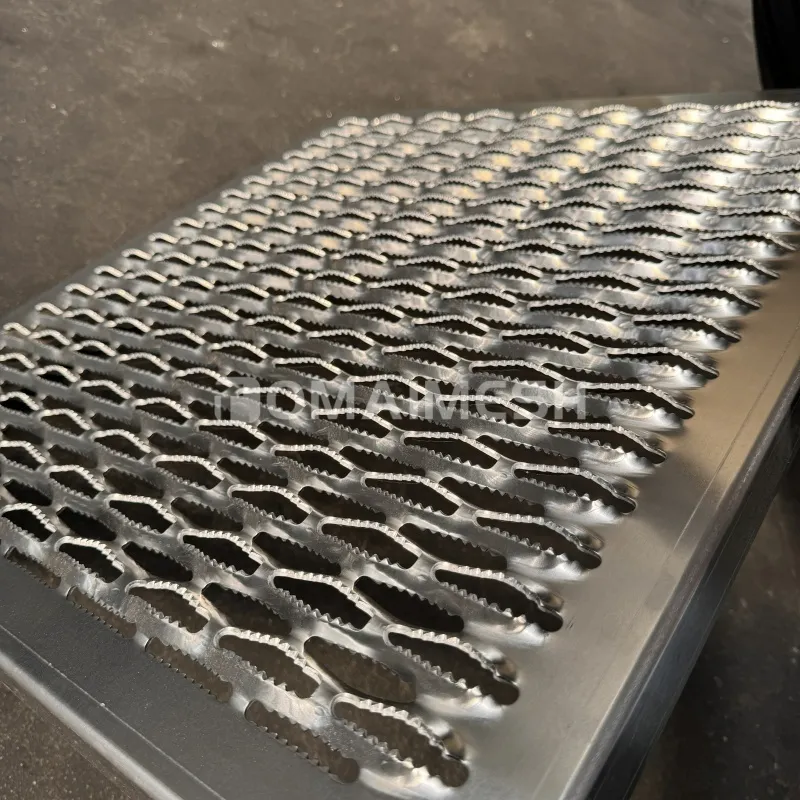
Simply put, a perforated galvanised sheet is a metal panel, usually steel, that’s undergone galvanisation (a protective zinc coating) and then laser- or punch-perforated with patterns of holes or slots. The result? A highly durable sheet that resists rust, offers airflow or light transmission, reduces noise, and provides an aesthetic appeal depending on the pattern. It’s kind of like turning a plain fence into a breathable, breathable shell without compromising strength.
Industries from automotive to architecture harness these sheets for everything from filtration, screening, and shading, to safety guards. In humanitarian contexts, these sheets even form parts of modular shelters and relief structures, where weather resistance and ventilation are crucial — think remote disaster zones or refugee settlements where materials must endure tough conditions yet provide comfort.
Core Components That Make Perforated Galvanised Sheets So Effective
1. Durability and Corrosion Resistance
Thanks to galvanisation, these sheets shrug off rust and withstand harsh weather, making them a preferred choice in coastal and industrial zones. The zinc coating sacrificially protects the steel underneath—a bit like a knight sacrificing his armor.
2. Customised Perforation Patterns
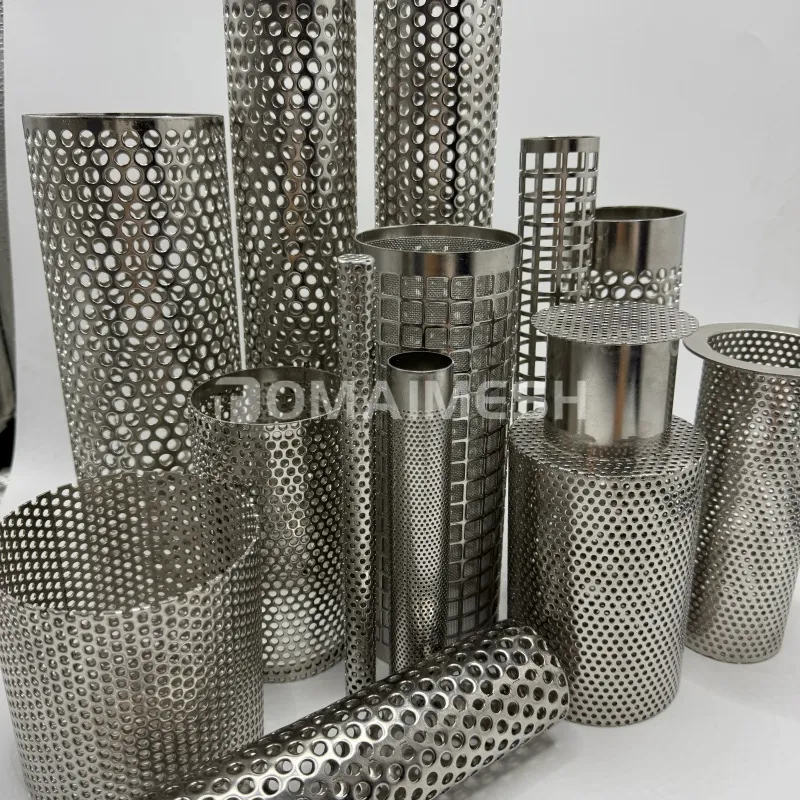
Whether it’s round holes, slits, squares, or bespoke shapes, patterns can be tailored to optimize airflow, light filtration, or sound attenuation. The ability to customize plays directly into usability across industries.
3. Weight and Structural Efficiency
Perforating reduces the sheet’s weight without hugely compromising the metal’s strength. This balance enables easier handling on-site and lower shipping costs.
4. Cost-Effectiveness
Long-lasting and low-maintenance, these sheets reduce replacement expenses. Plus, they’re made from recyclable steel—always a win in sustainability efforts.
5. Versatility
They’re used in building façades, machinery guards, architectural installations, and even solar panel shelters—showing just how broadly adaptable they are.
Mini takeaway: The magic’s in the zinc coating and precision punching. Together, they create functional beauty with durability baked in.
Perforated Galvanised Sheets in Action: Practical Global Use Cases
In Europe’s urban centers, these sheets often form part of noise-reduction barriers alongside highways — letting air flow yet blocking sound effectively. In Australia, mining companies use them for ventilation grills to keep heavy machinery cool amidst dust and moisture. Humanitarian agencies in Southeast Asia have deployed these sheets in modular shelters after typhoon destruction, because they resist corrosion in humid, salty air while allowing breathability.
Even automotive plants in Germany use perforated galvanised sheets as safety shields around robotic arms, combining visibility and protection. Oddly enough, these simple sheets shape the unseen fabric of so many systems.
| Specification |
Typical Range/Standard |
Notes |
| Material |
Hot-dip galvanized steel (ASTM A653) |
Zinc coating 55-85 microns |
| Sheet Thickness |
0.5 mm to 3.0 mm |
Depends on application |
| Perforation Diameter |
1 mm to 20 mm |
Custom patterns available |
| Open Area Percentage |
10% - 40% |
Affects airflow and light penetration |
| Standard Sheet Size |
1.2 m × 2.4 m (common) |
Custom sizes possible |
Mini takeaway: These versatile specs support broad industrial customization, from lightweight decorative panels to heavy-duty structural parts.
Advantages and the Long-Term Value of Using Perforated Galvanised Sheets
- Cost savings: Reduced maintenance and longer lifespan mean less frequent replacements.
- Environmental benefits: Galvanised sheets are recyclable and reduce waste compared to untreated metals.
- Safety: Durable barriers protect operators without sacrificing visibility or air quality.
- Aesthetic flexibility: Architects love the interplay of light, shadow, and structure they create.
- Reliability: Proven resilience against climatic and corrosive factors worldwide.
All this contributes to social trust in infrastructure, whether it’s a school, factory, or emergency shelter. Quality building materials have a surprisingly emotional side — they make people feel secure, seen, and cared for.
Where Perforated Galvanised Sheets Are Heading: Trends and Innovations
Looking ahead, the industry is buzzing about integrating greener galvanising processes, like zinc-iron coatings that reduce environmental impact without skimping on protection. There's also a push towards automated perforation with AI-guided machines that can create complex patterns faster and more precisely — which is kind of fascinating.
On the sustainability front, combining these sheets with solar energy infrastructures offers durability plus energy efficiency — say, sun shading that doubles as part of photovoltaic assemblies.
Digital twins and better lifecycle monitoring, backed by IoT sensors embedded into sheets, might sound futuristic, but they’re being prototyped now for smart infrastructure maintenance. So, it’s not just steel with holes anymore; it’s steel with a brain.
Challenges and How Experts Overcome Them
Even with all these strengths, perforated galvanised sheets face hurdles — like edge coating damage during fabrication, or issues balancing open area with structural strength. Corrosion can still sneak in if coatings aren’t applied correctly or damaged in harsh environments.
Innovations like tougher zinc alloys, periodic post-fabrication coating touch-ups, and hybrid materials combining galvanised steel with polymers help overcome challenges—often suggested by engineers who’ve seen their projects weather storms, literally. Suppliers now commonly offer on-site consultations to optimize sheet specs depending on location, climate, and purpose.
Frequently Asked Questions About Perforated Galvanised Sheet
Q1: How does a perforated galvanised sheet differ from a plain galvanised steel sheet?
A: The key difference is the pattern of holes or perforations in the sheet, which allows airflow, light, or sound passage without compromising the corrosion resistance and strength of the galvanised steel.
Q2: Can perforated galvanised sheets be used in coastal areas?
A: Absolutely. Their zinc coating protects against salt water corrosion, making them ideal for seaside or marine applications.
Q3: Are custom perforation patterns expensive to produce?
A: Custom patterns can add some cost due to specialized tooling, but many manufacturers offer flexible options with reasonable pricing — especially for larger orders.
Q4: How long does a perforated galvanised sheet typically last outdoors?
A: With proper maintenance, these sheets usually last 20 to 50 years, depending on environment and exposure.
Q5: Where can I find high-quality perforated galvanised sheets?
A: Look for suppliers certified under ASTM or ISO standards; many offer online ordering and detailed customization services. Feel free to check out perforated galvanised sheet options that combine quality with expertise.
Vendor Comparison: Leading Suppliers of Perforated Galvanised Sheets
| Vendor |
Product Range |
Customization |
Price Range |
Lead Time |
| Tomai Filters |
Wide (thickness 0.5–3 mm, various patterns) |
Full custom pattern design |
Mid-range |
2–4 weeks |
| SteelPro Inc. |
Standard patterns only |
Limited customization |
Lower-end |
1–3 weeks |
| GlobalPerforate Ltd. |
Premium grade, specialty alloys |
Advanced customization, 3D patterns |
Higher-end |
3–6 weeks |
Mini takeaway: Choosing a vendor depends on your project needs: do you want speed, cost efficiency, or ultra-custom solutions?
Wrapping Up: Why Invest in Perforated Galvanised Sheets Today?
As we’ve seen, a perforated galvanised sheet is more than a metal panel — it’s a foundation for safer, more durable, and sustainable infrastructure worldwide. Backed by proven standards and growing innovation, these sheets offer a long-term value that resonates in everything from urban architecture to emergency shelters. If you want materials that marry form and function with global relevance, this is a smart place to start.
Feeling ready to explore options or planning your next big build? Visit our website at https://www.tomaifilter.com to discover tailored solutions, comprehensive specs, and expert advice.
References:
- Wikipedia on Galvanization
- World Steel Association Statistics
- UN Environment Programme