Characteristics
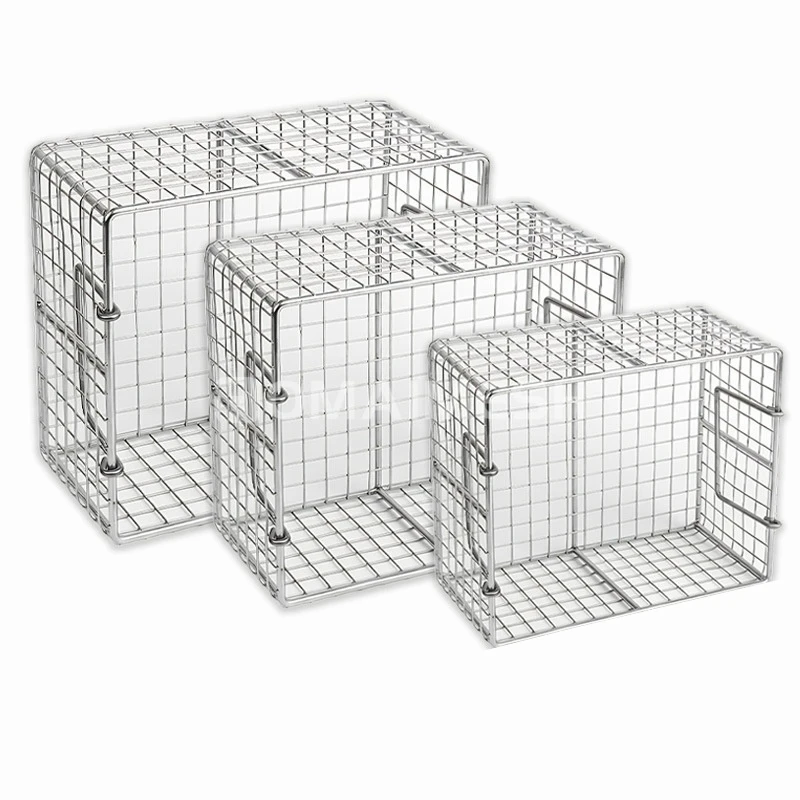
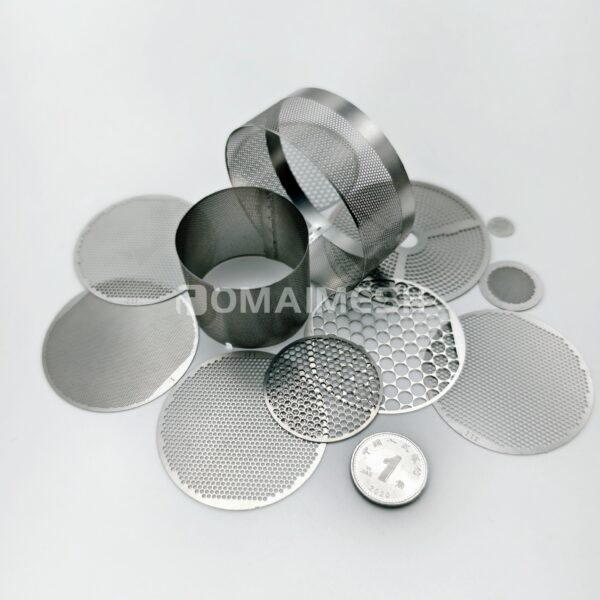
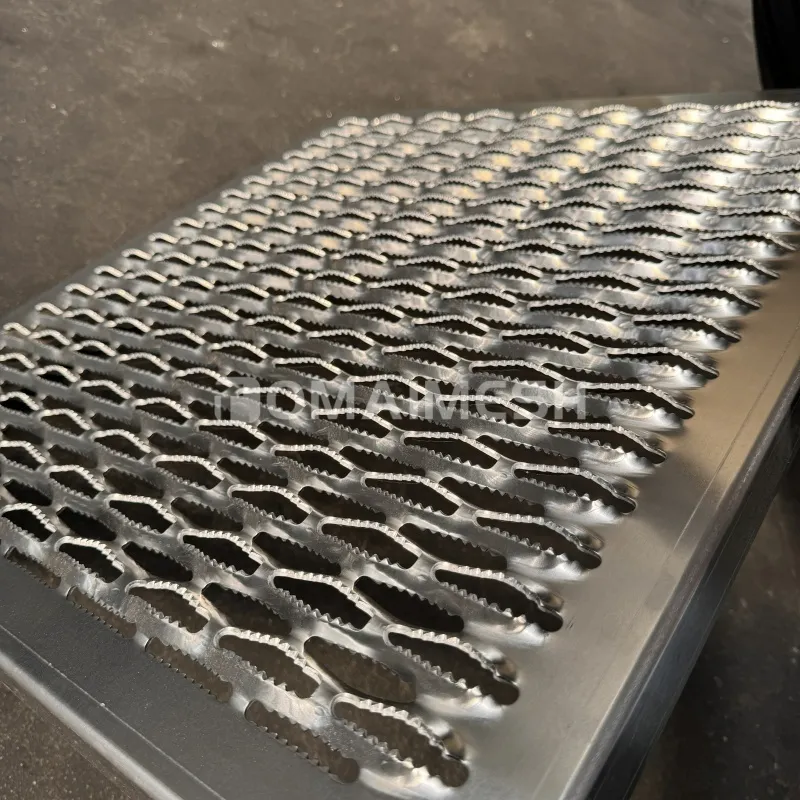
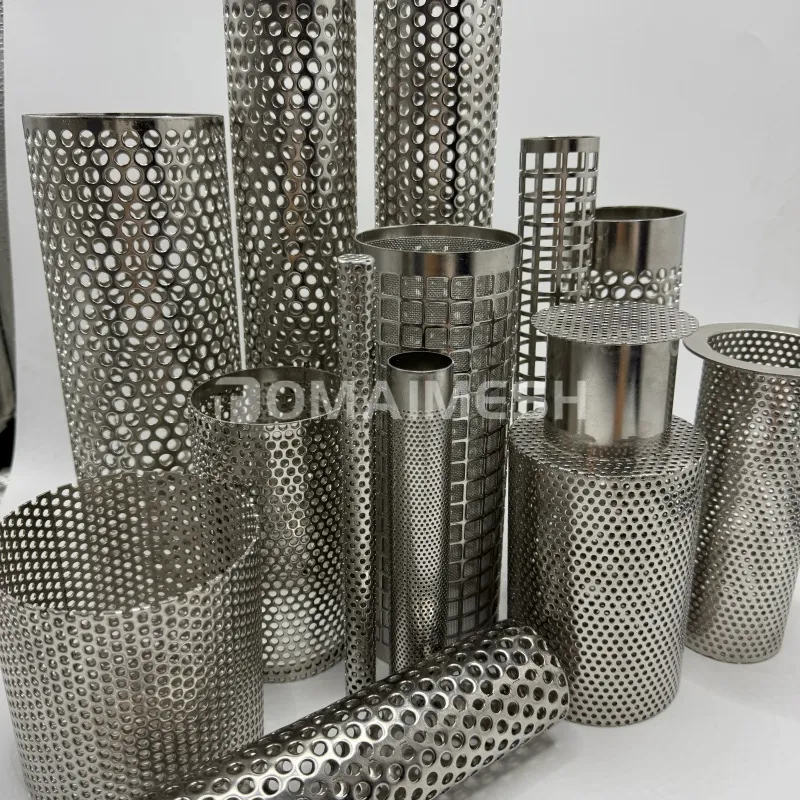
Perforated mesh metal is typically made from materials like stainless steel, aluminum, galvanized steel, copper, or brass. The perforations can be customized in terms of shape (round, square, slotted, hexagonal), size, and spacing to suit specific design or functional needs. These sheets are often produced through CNC punching or laser cutting, ensuring precision and consistency.
Applications
1.Architecture and Design:
Perforated metal panels are popular in architectural projects for facades, ceilings, sunscreens, and decorative partitions. They offer a balance between visibility and privacy, as well as effective light and airflow control.
2.Industrial Uses:
In industrial settings, perforated mesh is used for filtration, ventilation, and soundproofing. It is commonly found in machinery guards, noise reduction systems, and HVAC equipment.
3.Automotive and Aerospace:
Due to its lightweight nature and strength, perforated metal is used in components such as grilles, vents, and acoustic panels in vehicles and aircraft.
4.Furniture and Interior Design:
Designers incorporate perforated metal into furniture, shelving, and lighting fixtures to create modern and minimalistic aesthetics.
Advantages
1.Strength and Durability: It retains the strength of the original metal while reducing weight.
2.Versatility: Customizable patterns and materials allow for wide-ranging applications.
3.Ventilation and Light Transmission: The perforations enable air and light to pass through, making it suitable for environments requiring airflow and natural lighting.
4.Recyclability: Most perforated metals are recyclable, making them environmentally friendly.
Perforated mesh metal is a multifunctional material that blends form and function. Whether used in industrial machinery or as a contemporary design element, its adaptability continues to make it a valuable material in modern engineering and design.