Why the Perforated Metal Basket Matters More Than You Think
At first glance, a perforated metal basket might sound like a niche industrial product — just a basket with holes, right? But in reality, it's a deceptively simple invention with far-reaching applications worldwide, from industrial filtration to humanitarian logistics. Understanding this humble item can unlock insights into everything from environmental sustainability to disaster relief efforts.
Globally, more than 90% of manufacturing industries use some form of metal filtration or containment solutions, relying heavily on durable, perforated designs to keep processes flowing smoothly. As the global population grows and urbanizes, industry demands efficient, robust, and versatile components like these to stay safe, cost-effective, and eco-friendly.
Setting the Scene: The Global Landscape for Perforated Metal Baskets
According to recent ISO standards and UN reports on sustainable manufacturing, the perforated metal basket plays a surprisingly vital role in sectors such as water treatment, food processing, and mining. Why? Because these baskets enable precise separation of solids and liquids, controlling quality without adding needlessly complex tech.
Yet, challenges abound: from ensuring corrosion resistance in humid climates to balancing cost-efficiency for small businesses in emerging economies. These baskets need to meet rising demands for durability and environmental compliance — a balancing act that keeps engineers on their toes.
Mini takeaway: The perforated metal basket is a global unsung hero, central to both mega industries and small enterprises.
Defining the Perforated Metal Basket
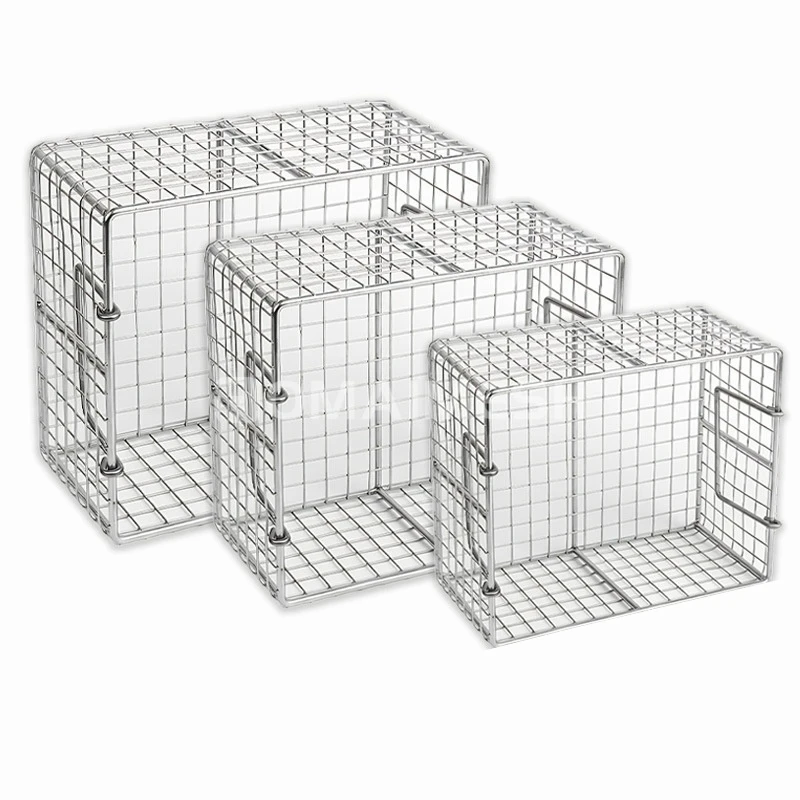
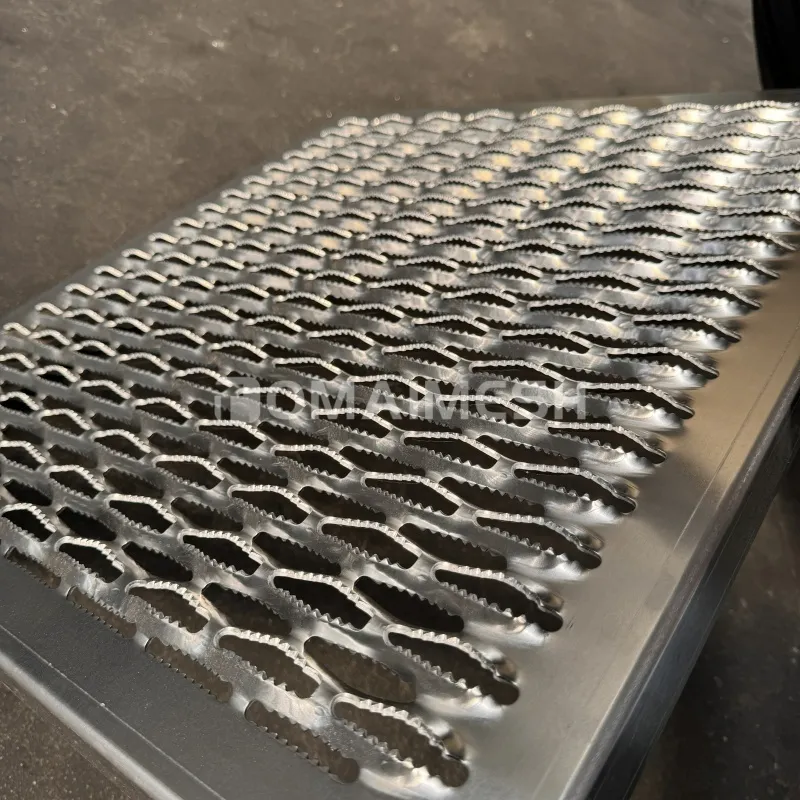
In its simplest form, a perforated metal basket is a container made from metal sheets that are punched or stamped with holes in various patterns. These holes allow liquids, gases, or fine materials to pass through while filtering out larger solids. Picture a colander, but sturdier, customizable, and capable of industrial-grade performance.
These baskets link directly to modern needs—whether that’s filtering impurities in wastewater plants or safely transporting fragile parts in manufacturing lines. Even humanitarian operations rely on them, for instance in packaging clean water sachets or storing essential dry goods in safe, breathable conditions. They're straightforward but crucial tools.
Core Components and Why They Matter
Durability
Steel grades, often stainless or galvanized, provide toughness against impact, corrosion, and chemical reactions. In coastal regions or chemical plants, this is a game-changer, preventing unexpected failures.
Perforation Pattern and Size
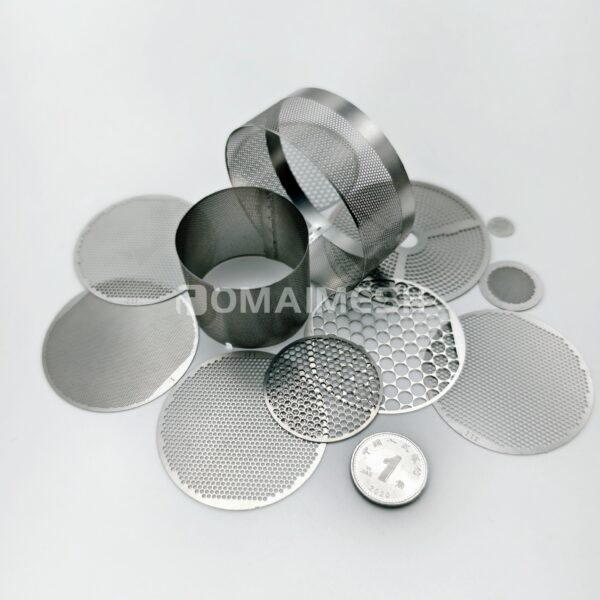
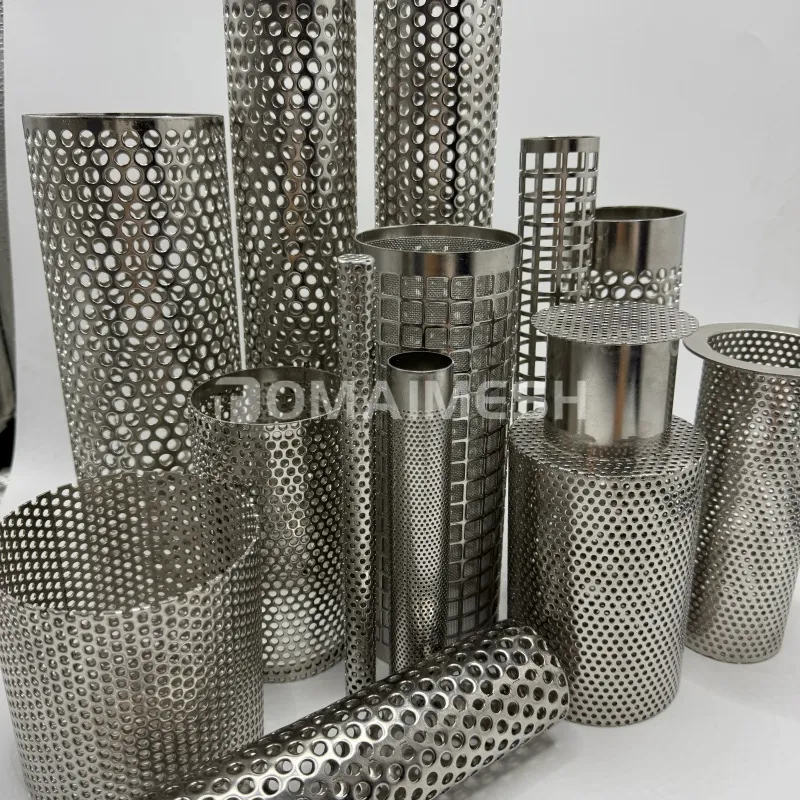
Depending on what you’re filtering or holding, the size and arrangement of holes make a big difference — tighter for powder filtration, larger for bulk separation.
Load Capacity
Designers weigh basket strength against weight. Using alloys allows baskets to hold heavy loads — very important in mining or agriculture.
Customization Scalability
Many manufacturers offer custom sizes and patterns, enabling use across industries from delicate food handling to harsh chemical filtration.
Cost Efficiency
The long service life and minimal need for replacement parts mean lower total ownership costs — always a selling point, especially in developing markets.
Maintenance Ease
Simple designs facilitate easy cleaning and inspection — no-fuss upkeep keeps downtime minimal.
Summary: Each aspect is carefully balanced to optimize performance and cost, a testament to ongoing innovation in even ‘simple’ products.
Real-World Applications That Show Why These Baskets Are Essential
Industries and regions are almost staggering in their use:
- Water Treatment Plants: Filtering debris from huge flows of water, enabling safe drinking supplies worldwide.
- Food Processing: Ensuring cleanliness and standardization—key to food safety certifications.
- Mining & Quarrying: Separating mineral ores, preventing clogging in vital conveyor systems.
- Humanitarian Aid: Portable filtering and containment devices facilitate relief materials distribution in disaster zones.
- Aerospace & Electronics: Storing sensitive parts that need airflow but protection from dust and moisture.
For example, in Southeast Asia, disaster relief teams have utilized perforated metal baskets to swiftly sort and transport emergency supplies — all while ensuring ventilation to prevent spoilage. Oddly enough, such a simple tool indirectly supports millions.
Mini takeaway: These baskets quietly enable industries and aid agencies alike, demonstrating versatility in a world that demands adaptability.
Advantages & The Long-Term Value of Perforated Metal Baskets
It’s easy to skim over these, but the benefits stack up quickly:
- Economic Efficiency: Reduced replacements and repairs lead to significant savings.
- Environmental Benefit: Recyclable materials and longer lifespan reduce waste.
- Safety and Reliability: Well-ventilated baskets preserve product integrity – crucial when handling food or chemicals.
- Social Impact: Supporting NGOs and small businesses with cost-effective tools boosts local economies and resilience.
- Innovation Potential: Emerging coatings and materials push these baskets into new frontiers, like antimicrobial surfaces.
So, using a perforated metal basket isn’t just a casual choice — it’s a long-term strategy for safety, sustainability, and social responsibility.
Product Specification Overview
| Specification |
Typical Value |
Notes |
| Material |
304 / 316 Stainless Steel |
Corrosion resistant grades preferred |
| Hole Diameter |
0.5 mm – 20 mm |
Customizable per filtration need |
| Load Capacity |
Up to 150 kg |
Dependent on basket size and design |
| Dimensions |
Custom; typical 30x30x30 cm to 100x100x50 cm |
Adapted per application |
| Finish |
Galvanized / Powder coated / Polished |
Enhances life & looks |
Comparing Top Suppliers of Perforated Metal Baskets
| Vendor |
Material Options |
Customization Level |
Lead Time |
Price Range |
| TOMAI Filter |
Stainless Steel 304/316, Galvanized |
Full custom sizes, hole patterns |
4-6 weeks |
$$-$$$ |
| Global Metals Inc. |
Carbon Steel, Stainless |
Standard sizes only |
3-5 weeks |
$-$$ |
| EcoFilter Solutions |
Recycled Steel, Stainless |
Custom and eco-friendly finishes |
5-7 weeks |
$$$ |
Looking Ahead: Innovations on the Horizon
It feels like the basics of perforated metal baskets are well-established — but innovation never sleeps. New materials such as titanium alloys and coated steel with antimicrobial properties are transforming hygiene standards in medical and food industries.
Digital transformation is another layer of future growth. Imagine sensors embedded into the basket walls monitoring wear, corrosion, or load stress in real-time — predictive maintenance would save millions. Green manufacturing policies also push vendors toward more eco-conscious choices in materials and processes, a trend embraced by clients globally.
Common Challenges & Practical Solutions
Despite many strengths, perforated metal baskets sometimes face issues like:
- Corrosion in Harsh Environments: Experts recommend advanced coatings and choosing the right steel grade upfront.
- Limited Customization for Smaller Vendors: Partnering with specialist manufacturers like TOMAI Filter can unlock bespoke options.
- Supply Chain Delays: Pre-planning orders, especially for straining holes and special finishes, helps prevent downtime.
FAQs About Perforated Metal Baskets
What materials are best for a perforated metal basket used outdoors?
Stainless steel grades 304 and 316 are highly recommended because of their corrosion resistance, especially in humid or marine environments. Galvanized steel is a cost-effective alternative for less demanding uses. Proper finish coatings can enhance durability even further.
Can perforated metal baskets be customized to fit unusual sizes or hole patterns?
Absolutely. Many manufacturers offer full customization, from the size of the basket to hole diameter, layout, and metal thickness. This flexibility allows baskets to serve unique industrial needs perfectly.
How long do these baskets typically last under heavy industrial use?
With proper material choice and maintenance, perforated metal baskets can last between 5 to 15 years. Corrosion, impact, and load conditions are factors affecting longevity.
Are perforated metal baskets recyclable?
Yes, most metal baskets are fully recyclable, especially those made from stainless or galvanized steel. Recycling helps reduce environmental impact and supports circular economy initiatives.
Where can I source perforated metal baskets with rapid turnaround?
Specialized suppliers like TOMAI Filter offer expedited production and shipping for urgent requirements—ideal for industries where downtime is costly.
Wrapping It Up
In real terms, the perforated metal basket is a small but mighty product that quietly underpins vital sectors globally. Its blend of durability, versatility, and cost-effectiveness makes it indispensable from factories in Asia to NGOs in Africa. As materials and technologies evolve, these baskets will likely become even smarter, greener, and more crucial.
If your operation asks for reliable, customizable solutions that combine simple design with big impact, it’s time to explore what the latest perforated metal baskets could do for you.
Visit our website: https://www.tomaifilter.com and discover the range, options, and expertise that stand behind this essential industrial tool.
Final thought: Sometimes the smallest components make the biggest difference. Who knew?
References
- ISO Standards for Filtration and Manufacturing
- United Nations Sustainable Development Goals
- Wikipedia: Perforated Metal Overview