Understanding Perforated Metal Material Revit: A Modern Industrial Backbone
Perforated metal material Revit might sound niche or even a bit cryptic to some, but it’s actually a key player in architectural design, engineering, and manufacturing. Globally, as urban environments become more complex and industries push for lightweight yet durable materials, this concept has surged in importance. Knowing how to leverage perforated metal in software like Autodesk Revit isn’t simply a designer’s trick — it's a practical skill that influences sustainability, structural integrity, and aesthetic innovation across countless sectors.
Why does it matter? Well, approximately 55% of the world’s population lives in urban areas today (UN, 2022), and that figure is expected to rise. With denser cities, the demand for efficient building materials that serve multiple functions — like ventilation, noise reduction, privacy, and weather resistance — grows. Perforated metals modeled in Revit help meet those demands by allowing architects and engineers to plan precisely, optimize resources, and innovate greener designs.
The Global Stage: Why Perforated Metal Material Revit is More Relevant Than Ever
Let’s put some global context on this. The ISO standards for sustainable building encourage materials that balance longevity with environmental performance. Perforated metals fit perfectly. Using Revit, a leading BIM (Building Information Modeling) tool, teams can simulate how perforated sheets impact airflow, light diffusion, or weight distribution before the physical product even hits the production line.
There’s a trend worldwide — from the soaring skyscrapers of Dubai to eco-conscious campuses in Scandinavia — that demands customization, rapid prototyping, and the integration of smart materials. Perforated metal material Revit workflows accelerate these ambitions while addressing real challenges: reducing waste, ensuring compliance, and cutting costs. This combination is exactly why learning and implementing it can give companies a leg up in markets saturated with conventional alternatives.
Defining Perforated Metal Material Revit in Plain Terms
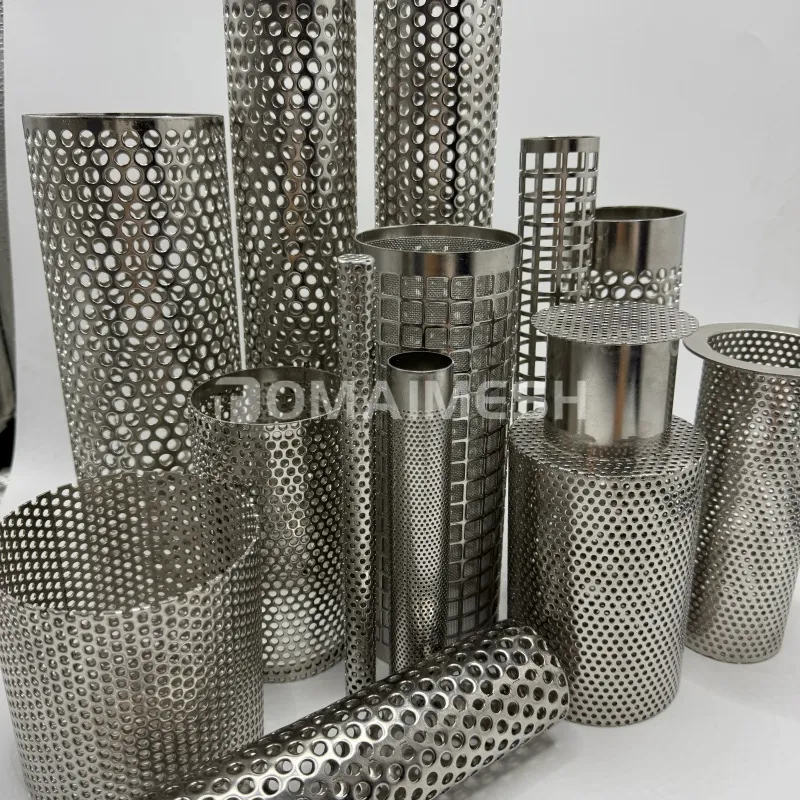
So, what is "perforated metal material Revit" exactly? In the simplest sense, it refers to the digital representation and management of metal sheets that have been punched or stamped with regularly spaced holes or patterns — all within the Autodesk Revit environment. Think of these sheets as multi-taskers: shading harsh sunlight, providing sound absorption, or even enabling natural ventilation. The Revit part is critical — it’s not just the metal itself but how you model, analyze, and integrate it seamlessly into architectural or mechanical design projects.
This capability connects deeply to modern industry trends. Whether it’s for air filtration systems, industrial façade cladding, or artistic installations, Revit allows designers to blend form with function without the usual guesswork. It’s a bridge between raw material properties and practical, human-centered applications.
Core Characteristics of Perforated Metal Material in Revit
1. Durability
Perforated metals often boast stainless steel, aluminum, or galvanized steel bases — each with excellent corrosion resistance and tensile strength. Modeling them in Revit offers the advantage of testing how the perforations affect structural integrity before manufacturing.
2. Scalability and Customization
Thanks to Revit’s parametric design capabilities, every hole pattern, diameter, and spacing can be precisely defined and changed. This makes scaling from small details to entire building envelopes surprisingly straightforward.
3. Cost Efficiency
Efficient material usage is baked into Revit models. Users can optimize cutouts and sheet sizes to minimize waste, which translates directly into savings during production and transportation.
4. Sustainability
Since perforated metal sheets facilitate natural light and ventilation, they can reduce reliance on HVAC systems and artificial lighting — a clear environmental win. Modeling these effects early helps certify sustainable building goals.
5. Aesthetic Versatility
The patterns achievable by perforation go beyond uniform holes—they can be custom shapes, gradients, or even logos, all replicable within Revit for consistent results.
Mini takeaway: Perforated metal material Revit is not just about holes in metal — it’s a versatile solution balancing strength, design, economy, and eco-consciousness in one package.
Perforated Metal Material Revit in Action: Real-world Applications
Let’s talk specifics. Around the globe, perforated metals modeled in Revit find their place in these areas:
- Architectural façades: In Europe’s cold climates, perforated panels reduce heat loss while allowing diffused daylight — companies like Herzog & de Meuron often use such elements.
- Industrial ventilation systems: The Middle East’s sprawling oil refineries utilize these metals for airflow management, improving equipment lifespan and worker safety.
- Post-disaster rebuilds: Rapidly fabricated perforated metal modules help restore functional shelters, balancing privacy and airflow under challenging conditions.
- Acoustic dampening: Asian urban centers with intense noise pollution lean on perforated panels to quiet infrastructure-heavy zones.
It’s clear that the technology appeals not just to architects or engineers but also humanitarian agencies and industrial maintenance teams. Each group leverages the control and precision gained from Revit to tailor solutions quickly, saving both time and money.
Typical Product Specification Table
| Specification |
Typical Value |
Notes |
| Material Grade |
304 Stainless Steel |
Good corrosion resistance |
| Thickness Range |
0.5mm – 3.0mm |
Varies by project scope |
| Hole Diameter |
1mm – 20mm |
Customizable pattern |
| Open Area Percentage |
20% – 65% |
Influences airflow & light |
| Surface Finish |
Powder Coating / Anodized |
Enhances durability & aesthetics |
Top Vendors Comparison: Helping You Choose the Right Partner
| Vendor |
Material Options |
Customization Level |
BIM/Revit Support |
Lead Time |
Price Range |
| AlphaMetal |
Stainless Steel, Aluminum |
High (Custom Patterns) |
Full Revit Families |
2–3 weeks |
$$$ |
| Titan Perforators |
Galvanized Steel, Aluminum |
Medium (Standard Patterns) |
Partial (OBJ imports) |
1–2 weeks |
$$ |
| EcoMetal Solutions |
Recycled Aluminum, Stainless |
High (Eco-friendly Focus) |
Full Revit with Sustainability Data |
3–4 weeks |
$$$$ |
Long-Term Benefits of Perforated Metal Material Revit
The rational benefits are clear-cut: cost savings in material, faster project turnaround, and safer, more sustainable buildings. But what really strikes me is the emotional and cultural impact. Incorporating perforated metal designed via Revit fosters a sense of innovation and trust — clients know they’re getting smart, tested solutions, not guesswork. In communities, improved airflow and lighting can noticeably enhance comfort and dignity.
It's a fascinating bridge between engineering rigor and human needs. The long view: bolstered resilience, reduced environmental footprints, and designs that inspire — all started with a simple pattern of holes in a digital sheet.
What's Next? Emerging Trends & Innovations
Looking forward, the merge of AI with BIM platforms like Revit means perforated metal designs will optimize themselves based on environmental data, user needs, even local weather patterns. Green energy goals — solar shading combined with ventilation — are driving new pattern algorithms that maximize efficiency. Plus, advances in materials science hint that perforated metals will soon include smart coatings for self-cleaning or energy harvesting.
Automation in manufacturing, like laser perforation guided directly by Revit files, is shortening production cycles and reducing errors. It feels like the industry is only at the start of a deeper transformation.
Challenges We Face & How to Overcome Them
Not everything is rosy. Common issues include limitations in model accuracy for complex perforations, higher upfront software and training costs, and discrepancies between digital and physical production tolerances. Some engineers report frustration when BIM models don't perfectly reflect real-world material behaviors.
Solutions? Collaborative workflows that close feedback loops between design, manufacturing, and field teams help. Also, emerging plugins and add-ons are improving the fidelity of perforation modeling inside Revit. Training programs focused on both design and fabrication ensure smoother deployment. Frankly, it’s a work in progress — but the momentum is unmistakable.
Frequently Asked Questions About Perforated Metal Material Revit
- What are the advantages of using perforated metal material in Revit over traditional CAD programs?
- Revit offers a BIM-centric approach, integrating perforated metal components directly into architectural and mechanical models, allowing better coordination, error detection, and sustainability analysis compared to traditional 2D CAD. This results in more accurate quantity take-offs and faster design iterations.
- How customizable are the perforation patterns when designing in Revit?
- Very customizable. Revit’s parametric family tools let you adjust hole size, spacing, shape, and total open area dynamically. This flexibility helps designers meet airflow, acoustic, or aesthetic requirements without recreating new models from scratch.
- Can perforated metal modeled in Revit impact building energy efficiency?
- Yes, by optimizing daylight penetration and ventilation, these panels reduce reliance on artificial climate control, lowering energy usage. Modeling in Revit allows simulation of these effects early, informing smart, sustainable design choices.
- Is there a learning curve to effectively incorporate perforated metal material Revit into projects?
- Moderate yes. Familiarity with BIM workflows and family editor techniques is essential, but many users find online tutorials and plug-ins helpful. The initial investment pays off quickly through improved project coordination and reduced costly mistakes.
- How can international NGOs source perforated metal material modeled in Revit for disaster relief shelters?
- Many vendors now provide BIM families and customizable perforated metal products ready for rapid deployment. NGOs can collaborate with suppliers offering global shipping and technical support to integrate these materials into relief projects effectively.
Final Thoughts
Working with perforated metal material in Revit is more than a technical skill — it’s about shaping better environments, smarter industries, and greener futures. For businesses and designers ready to embrace precision, sustainability, and innovation, this approach creates tangible advantages that resonate beyond the drawing board.
If you’re curious about how to get started, or want to explore top-grade perforated metal materials mapped perfectly for Revit, visit our site at
perforated metal material revit. You might be surprised at how many doors it opens.
References & Further Reading
- United Nations: World Urbanization Prospects, 2018 Revision
- ISO 21929-1: Sustainable Buildings — Framework for Environmental Performance
- Wikipedia: Perforated Metal