What Exactly is a Perforated Metal Screen and Why Should We Care?
Perforated metal screens are everywhere once you start noticing them—from architectural facades to filtration systems in factories, even protection panels on your computer. But their importance extends globally, reaching deep into industrial processes, environmental controls, and disaster relief infrastructures. Understanding how these metal sheets, riddled with tiny holes yet incredibly strong, play a pivotal role in so many industries is key not just for engineers or architects, but for businesses aiming to improve efficiency and sustainability across the board.
Why does it matter? Well, globally, industries consuming raw materials want solutions that offer durability with lightweight construction. The perforated metal screen fits that bill perfectly and has proved an adaptable hero amid growing demand for greener manufacturing, better ventilation, and safer filtration. So this topic, frankly, is about the quiet innovation holding up massive sectors you might barely notice.
Perforated Metal Screen: A Global Snapshot
Perforated metals have become an integral material worldwide, seeing an estimated market growth of around 5–6% annually (according to ISO materials outlook). Manufacturing hubs in Asia and Europe lead production, yet their use spreads globally—from the deserts of the Middle East where cooling and shading are critical, to urban centers in North America improving air quality and safety standards.
The problem they often address is deceptively simple: how do you combine strength with airflow, or filtration with durability, especially in tough environments? Traditional solid metal sheets just can’t do both well at once without becoming impractically heavy or costly. Enter the perforated metal screen, with its clever design allowing versatility and scalability in applications.
Quick takeaway:
- The perforated metal screen market is globally relevant, growing alongside industrial and environmental demands.
- It addresses practical challenges of balancing strength with permeability—vital in filtration, construction, and more.
Defining the Perforated Metal Screen in Plain Terms
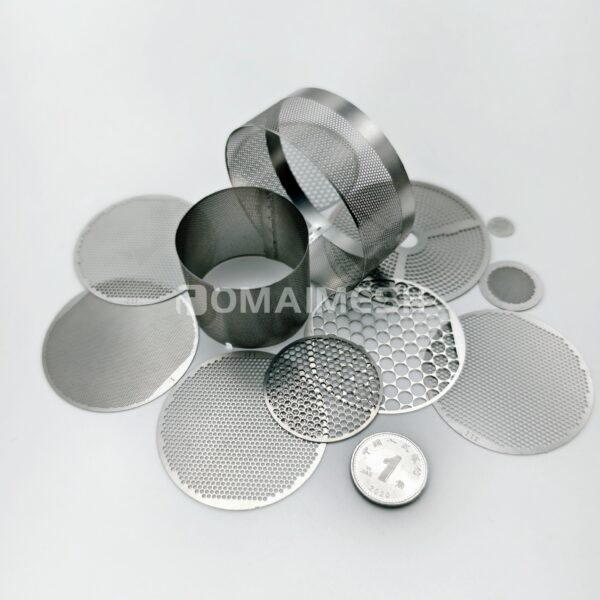
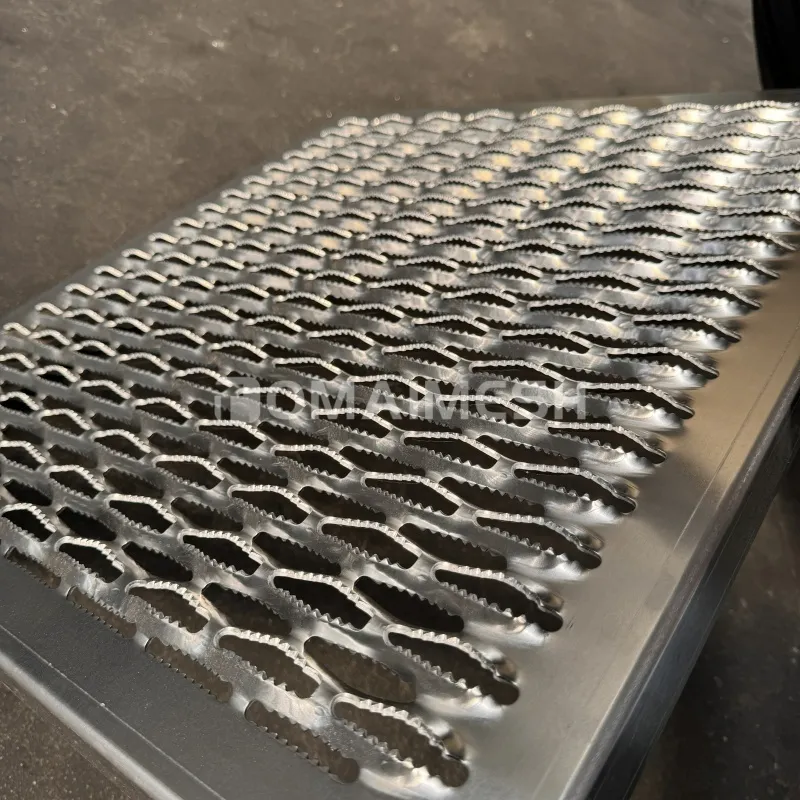
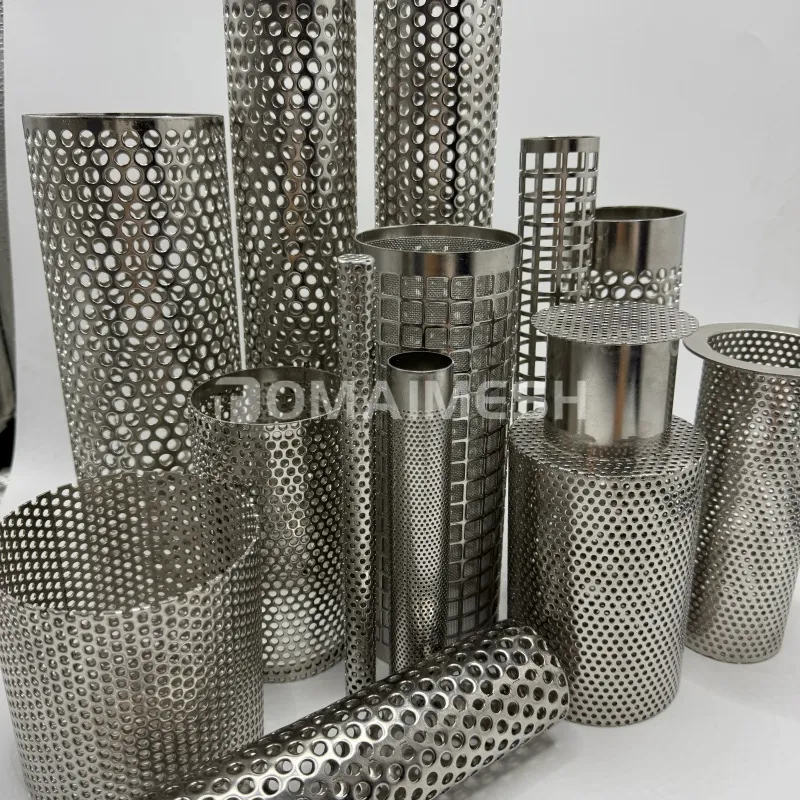
Put simply, a perforated metal screen is a sheet of metal (steel, aluminum, or sometimes titanium) that has been punched or laser-cut with an array of holes or slots in precise patterns. These patterns aren’t random; they’re engineered to deliver specific properties depending on use—be it filtering particles, providing shade, or mechanical protection.
In modern industry, they’re almost a Swiss Army knife. In humanitarian contexts, for example, these screens can be used in modular shelters or water filtration units to improve sanitation and airflow in disaster zones. It’s a nifty combination of engineering and social utility.
Mini takeaway:
Think of the perforated metal screen as the ultimate functional “sieve”—with the strength to hold industrial weight but the openness to allow air, light, or fluids to pass through as needed.
Core Features That Make Perforated Metal Screens Tick
1. Durability
Made from corrosion-resistant alloys, these screens can last decades outdoors or in corrosive industrial settings. Many engineers swear by stainless steel variants for environments where maintenance is impossible.
2. Customization & Scalability
The hole diameter, shape, and pattern can be customized, influencing airflow and structural integrity. Companies can scale production to massive sheets or tiny filters, depending on project size.
3. Cost Efficiency
Lightweight but strong, perforated screens reduce material costs and ease transportation and installation. They often cost less over the long term compared to heavier alternatives.
4. Environmental Friendliness
The ability to use recycled metals and the screens’ longevity contribute to lowered environmental footprints compared to plastics or composites.
5. Versatility
From building cladding helping reduce urban heat island effects to sound dampeners in noisy factories—to screens in chemical plants filtering particulates—the list just keeps expanding.
| Specification |
Typical Values |
Details |
| Materials |
304 Stainless Steel, Aluminum Alloy, Titanium |
Selected by application environment and strength requirements |
| Hole Size |
0.5 mm - 25 mm |
Customizable to balance airflow and structural integrity |
| Sheet Thickness |
0.5 mm - 5 mm |
Depends on application - thinner for filtration, thicker for protection |
| Open Area Ratio |
10% - 60% |
Ratio of holes to total surface for permeability |
| Finish |
Powder Coated, Anodized, Mill Finish |
For aesthetics and enhanced corrosion resistance |
How Perforated Metal Screens Are Changing Industries Worldwide
Across continents and industries, perforated metal screens have proven their worth. For instance, in post-disaster relief efforts in Southeast Asia, modular shelters equipped with these screens allow natural ventilation while protecting from debris and insects. Industrially, in European chemical plants, they filter fumes and particulates safely and efficiently.
In cities like Dubai, architects are using these screens as dynamic facades that reduce solar heat gain but allow airflow, cutting the need for excessive air conditioning. Even wildlife organizations in African reserves utilize custom perforated barriers to control animal movements humanely.
On a smaller scale, manufacturing firms globally use these screens inside machinery to safeguard parts while ensuring ventilation and thermal management.
Takeaway:
- Applications span humanitarian aid, architecture, industry, and environmental protection.
- The technology enables both large-scale and precise local uses.
Advantages & Long-Term Value of Using Perforated Metal Screens
The benefits combine the tangible with the emotional, which may sound odd, but trust me, it makes sense. On the tangible side, cost efficiency and long service life mean less spending on replacements and downtime. That alone wins over many budget-conscious procurement managers.
Emotionally, these screens add an unexpected layer of safety and dignity—protecting workers in factories, improving air quality in homes, and even maintaining privacy in public spaces. I’ve heard from engineers who say once a client installs a perforated metal panel facade, they never go back to solid walls—they say it “feels lighter,” almost humane.
What Innovations Are Coming for Perforated Metal Screens?
The fusion of digital manufacturing—like laser cutting and robotic bending—with eco-friendly materials is pushing this sector forward. Some companies experiment with biodegradable coatings or integrating solar cells within perforated sheet panels.
Automation makes customization faster and cheaper, meaning more companies can create tailored solutions without breaking budgets. In certain regions, policies are also encouraging the use of lightweight, sustainable building materials, boosting demand for perforated metals.
One interesting trend is embedding sensors in perforated panels for real-time environmental monitoring—oddly futuristic but rather logical when you think about smart cities.
Challenges and Expert Solutions
Though versatile, there are some thorny issues. Corrosion in harsh marine environments still challenges certain alloys. Fine-tuning hole sizes to match airflow without sacrificing strength can involve trial and error. And while prices are generally competitive, custom orders with unusual hole patterns or rare metals can get costly.
Experts recommend proper material selection upfront and rigorous prototyping—test a few samples before committing to mass production. Plus, collaborating closely with specialized manufacturers improves outcomes.
| Vendor |
Materials Offered |
Customization |
Typical Lead Time |
Notes |
| Tomaifilter Inc. |
Stainless Steel, Aluminum, Titanium |
Full pattern, size, thickness customization |
2-3 weeks |
Known for quality and fast shipping |
| Global Perforators |
Steel, Aluminum |
Standard patterns, limited custom ops |
4-6 weeks |
Competitive pricing but less flexible |
| EcoMet Solutions |
Recycled Steel, Aluminum |
Custom, focus on sustainable finishes |
3-5 weeks |
Great for green building projects |
FAQ: Common Questions About Perforated Metal Screens
Q1: How do I choose the right perforated metal screen for my project?
A1: Start by identifying your key needs: do you prioritize airflow, strength, or aesthetics? Consider the environment—corrosion resistance may be critical. Don't hesitate to consult suppliers about hole patterns relevant to filtration or shading requirements.
Q2: Are perforated metal screens suitable for outdoor architectural facades?
A2: Absolutely. They provide ventilation, reduce heat buildup, and add an appealing texture. Powder coatings or anodizing enhance durability against weathering.
Q3: Can perforated metal screens help improve air quality indoors?
A3: They can be part of filtration systems by trapping particulates or supporting filter media. Their open area allows good airflow while maintaining structural support.
Q4: What maintenance do perforated metal screens require?
A4: Usually minimal. Routine cleaning to remove dust or debris is typical. In harsh environments, occasional inspection and touch-ups to coatings can extend service life.
Q5: Is it possible to get custom-designed perforated metal panels?
A5: Yes, most manufacturers cater to custom patterns, sizes, and materials. Expect longer lead times and slightly higher costs.
To Wrap Up: Why You Should Consider Perforated Metal Screens Today
In a surprisingly broad range of fields, the perforated metal screen stands out for its unique blend of strength, adaptability, cost-effectiveness, and eco-friendliness. From urban architecture to humanitarian shelters, this humble yet ingeniously designed material quietly solves complicated challenges. If your projects demand something versatile—but reliable—these screens might just be your unsung hero.
Ready to explore customized solutions? Visit https://www.tomaifilter.com and see what’s possible.
References
- Wikipedia - Perforated Metal
- ISO Standards for Metallic Materials
- World Bank Industry Overview