What Are Perforated Metals and Why Do They Matter Worldwide?
Ever glanced at a metal sheet dotted with precisely spaced holes and wondered why it’s more than just decoration? Perforated metals are exactly that — metal sheets punched or stamped with patterned holes. It might sound simple, but these sheets are quietly powering countless industries worldwide, from air filtration systems to urban architecture, and even humanitarian relief setups. Understanding this material isn’t just an engineer’s curiosity; it’s a nod to efficiency, sustainability, and versatile design that benefits global infrastructure, environmental goals, and social projects alike.
Mini takeaway: Perforated metals, though seemingly basic, play crucial roles in enhancing functionality and sustainability across diverse sectors worldwide.
The Global Context: Why Perforated Metals Are a Growing Industry Standard
Globally, the demand for resilient, lightweight, and functional materials is soaring. The World Bank reported that by 2030, nearly 60% of the world’s population will live in urban areas, placing stress on infrastructure and materials that support everything from building ventilation to noise reduction. Perforated metals address these strains brilliantly by combining strength with breathability and lightweight design.
Interesting data from ISO standards on metal tolerances indicate that perforated sheets must maintain exacting specifications to ensure safety and durability—especially in critical industries like energy production, aerospace, and disaster relief. These demand stringent quality, while also highlighting challenges in manufacturing consistency and sustainability.
Mini takeaway: With urbanization and industrial demands climbing, perforated metals are more relevant than ever, solving key challenges related to durability and efficiency.
Perforated Metals: A Simple Definition
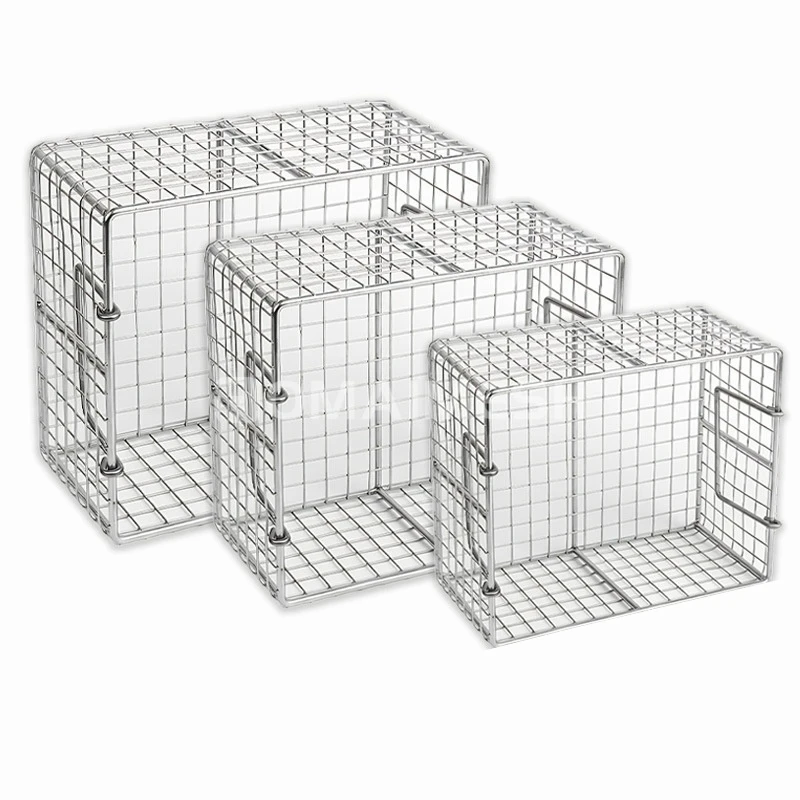
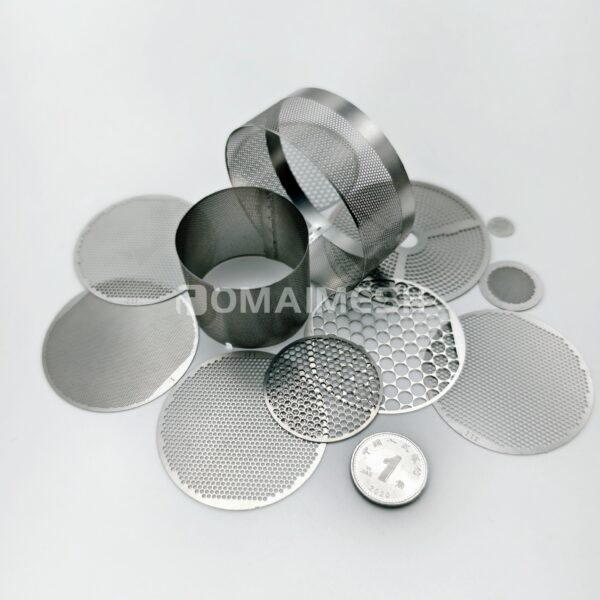
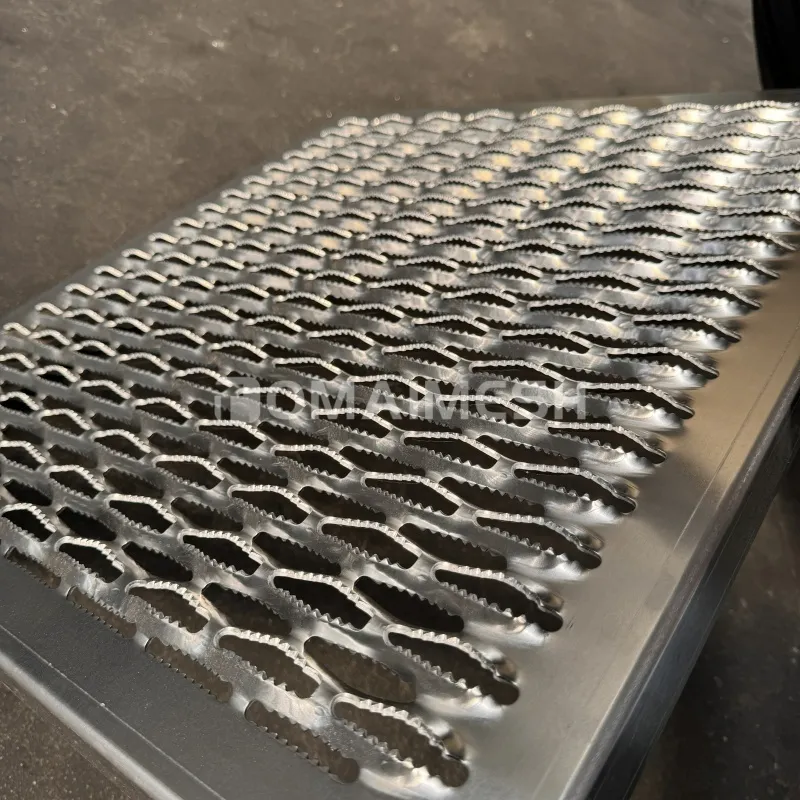
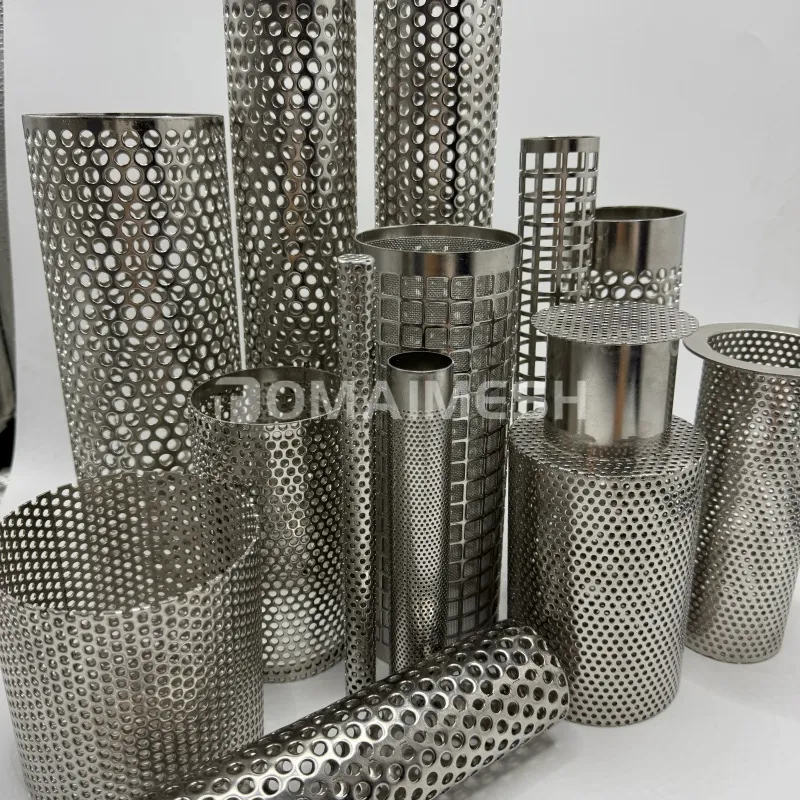
In the most basic sense, perforated metals are sheets or plates made from materials like stainless steel, aluminum, or carbon steel, punctured with regular geometric patterns of holes. These holes can vary in size, shape (round, square, slotted), and distribution, tailored to fit specific purposes.
In humanitarian contexts, for example, perforated metals serve as lightweight protective barriers or ventilation grids in relief shelters, enhancing airflow and safety without adding unnecessary weight. This blend of utility and design makes them an indispensable modern industry ally, bridging the gap between raw material strength and functional design.
Core Features That Set Perforated Metals Apart
1. Durability and Strength
The perforation process might seem like it weakens the metal, but with proper grade selection and design, these materials are robust enough for structural applications, filtering, and protective barriers.
2. Scalability of Production
Modern manufacturing lines can produce perforated metals in large volumes, adjusting patterns quickly to meet demand across different sectors. This scalability ensures availability for everything from small engineering projects to massive urban infrastructure.
3. Cost Efficiency
By reducing material weight without sacrificing strength, perforated metals lower transport and installation costs — an advantage especially valued in remote or disaster-prone locations.
4. Customizability
Thanks to CNC and automated punching technologies, perforated metals can be designed with near-limitless patterns, which enhance both functionality and aesthetic appeal.
5. Environmental Impact
They often utilize recycled materials and contribute to sustainable building practices by improving ventilation and reducing energy consumption.
Mini takeaway: The right combination of durability, cost, and customization makes perforated metals versatile and valuable now and into the future.
Where in the World Do Perforated Metals Make a Difference?
Industries worldwide leverage perforated metals in fascinating ways:
-
In Asia’s booming urban centers, perforated facades create stunning building envelopes that provide sun shading and reduce energy costs.
-
European manufacturers use them extensively in filters and separators, critical to environmental compliance.
-
In the oil and gas-rich Middle East, perforated metals shield machinery parts while allowing airflow and safety compliance.
-
Humanitarian organizationsrely on perforated metals in modular shelters and water filtration units during emergency operations, where robustness and weight are vital.
Case study: A relief NGO in Southeast Asia recently integrated perforated metal panels into temporary shelters after flooding, drastically improving ventilation and hygiene—something that didn’t get much attention until after field trials.
Advantages and Long-Term Value of Using Perforated Metals
In real terms, perforated metals offer:
-
Cost savings: their lightweight nature means cheaper freight and easier installs.
-
Sustainability: many sheets are recyclable and improve building energy profiles.
-
Social impact: better ventilation often means healthier indoor environments, which is critical in vulnerable populations.
-
Reliability: precise engineering and strong materials mean they last decades without major degradation.
-
Innovation and trust: industries trust these materials precisely because they’re tried and tested over decades with a clear chain of quality control.
Product Specifications at a Glance
| Specification |
Details |
| Material |
Stainless Steel, Aluminum, Carbon Steel |
| Thickness Range |
0.5mm – 12mm |
| Hole Shapes |
Round, Square, Slotted |
| Open Area |
10% – 60% |
| Max Panel Size |
1500mm x 3000mm |
| Surface Treatment |
Powder Coating, Anodizing, Galvanization |
Vendor Comparison: Choosing the Right Supplier
| Vendor |
Product Range |
Customization |
Delivery Time |
Sustainability Practices |
| TOMAI Filter |
Wide (industrial to architecture) |
High (custom patterns) |
2–4 weeks |
Extensive recycled materials use |
| Global Metals Inc. |
Focused on filtration |
Medium |
3–5 weeks |
Basic recycling protocols |
| SteelWorks |
Heavy industry focus |
Low |
4–6 weeks |
Limited |
Looking Ahead: Future Trends in Perforated Metals
The industry is buzzing about lightweight composites combined with perforated metals, driven by sustainability pushes in construction and transport. Automation, too, is refining production speed and precision — meaning less waste, better consistency. There’s also growing interest in “smart” perforated metals embedded with sensors for building monitoring. And since green energy is a top priority, expect to see more panels designed specifically to aid ventilation in solar farms or wind turbine housing.
Oddly enough, digital design tools are turning ideas that once took days into instant prototypes. This means more creative architectural uses or humanitarian equipment tailored to extreme climates. For instance, perforated metals wrapped around eco-housing components that literally breathe with changing weather...
Challenges and How the Industry Addresses Them
Sure, perforated metals aren’t perfect. Dimensional limits, production costs for custom jobs, and the balance between open area vs. strength remain real issues. Plus, when sourcing recycled metals, impurities can affect quality. But engineers keep innovating — using AI for design optimization, developing coatings that resist corrosion better, and partnering closely with suppliers for tighter quality control.
In remote disaster zones, lightweight-perforated mobile shelters sometimes face durability trade-offs. Yet, clever hybrid designs merge perforated metal with composites, improving resilience without a weight penalty.
FAQ: Common Questions About Perforated Metals
- What industries benefit most from perforated metals?
- Manufacturing, architecture, automotive, HVAC systems, and humanitarian sectors are key users—thanks to the material’s strength, airflow, and aesthetic possibilities.
- How customizable are perforated metal sheets?
- Highly customizable. Hole size, pattern, material type, thickness, and finishing treatments can be tailored for specific use-cases, often using CNC technology.
- Are perforated metals eco-friendly?
- Many are, particularly those made from recycled metals and coated with sustainable finishes. They can improve energy efficiency by aiding ventilation and reducing HVAC loads.
- Can perforated metals be used in disaster relief housing?
- Absolutely. They provide ventilation, durability, and are much lighter than solid sheets, making them suitable for quick-assembly emergency shelters.
- What are the maintenance requirements?
- Generally low—occasional cleaning and inspection for corrosion or clogging is enough. Surface treatments extend lifespan in harsh environments.
Final Thoughts
Perforated metals might not steal the spotlight, but their quiet utility builds our infrastructure, safeguards equipment, and even uplifts communities in crisis. As cities grow and priorities shift towards sustainability and innovation, these cleverly designed materials will only take on greater roles. Whether you’re an engineer, architect, or NGO coordinator, exploring perforated metals could unlock smarter, cheaper, and greener solutions.
For more detailed info and product options, be sure to check out
perforated metals by TOMAI Filter.
---
References
- ISO Standards on Metal Sheet Perforation
- World Bank Urban Population Data
- Perforated Metal - Wikipedia