Understanding Perforated Sheet Metal Panels: Why They Matter Globally
Perforated sheet metal panels might sound like just another industrial buzzword, but they actually hold quite a bit of weight in modern manufacturing and infrastructure worldwide. Put simply, these panels are metal sheets punched with a series of holes or slots in patterns designed for specific functions—from ventilation to aesthetics, and security to filtering. On a global scale, their widespread use spans industries and borders, helping tackle challenges like sustainability, lightweight construction, and the need for durable, multipurpose materials.
Why care? Because understanding these panels unlocks the door to smarter building, better environmental performance, and, frankly, some pretty clever engineering solutions to everyday problems. In industries ranging from architecture to transportation, and even humanitarian relief, perforated sheet metal panels improve efficiency while freeing designers and engineers to innovate.
---
The Global Context: How Perforated Sheet Metal Panels Fit Into Today’s World
Looking at the bigger picture, perforated sheet metal panels are woven into a global tapestry of industrial progress and environmental awareness. According to the International Organization for Standardization (ISO), metal materials contribute to close to 10% of industrial world GDP, with an increasing share focused on sustainable and resource-efficient products. Meanwhile, the United Nations reports growing urbanization rates requiring more innovative building materials that balance cost, durability, and environmental impact.
One key challenge the world faces today is reducing resource use without compromising structural integrity or safety. Perforated panels tick this box by enabling lightweight, strong constructions that allow better airflow and natural light while reducing material waste—a small thing with big implications for energy savings and carbon footprints.
---
What Exactly Are Perforated Sheet Metal Panels?
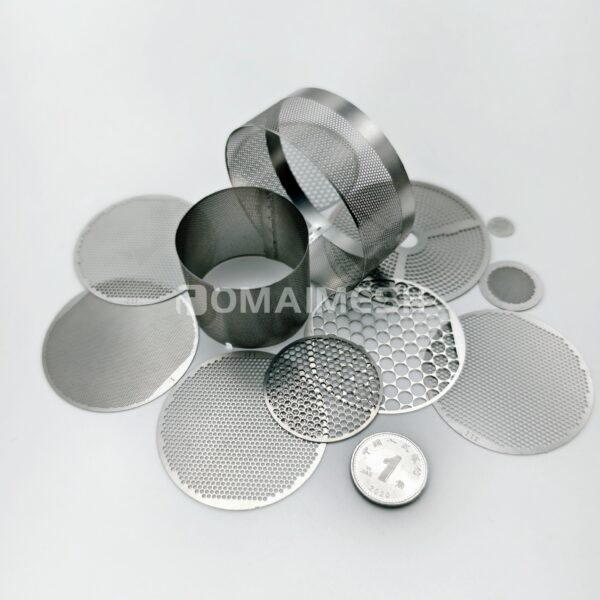
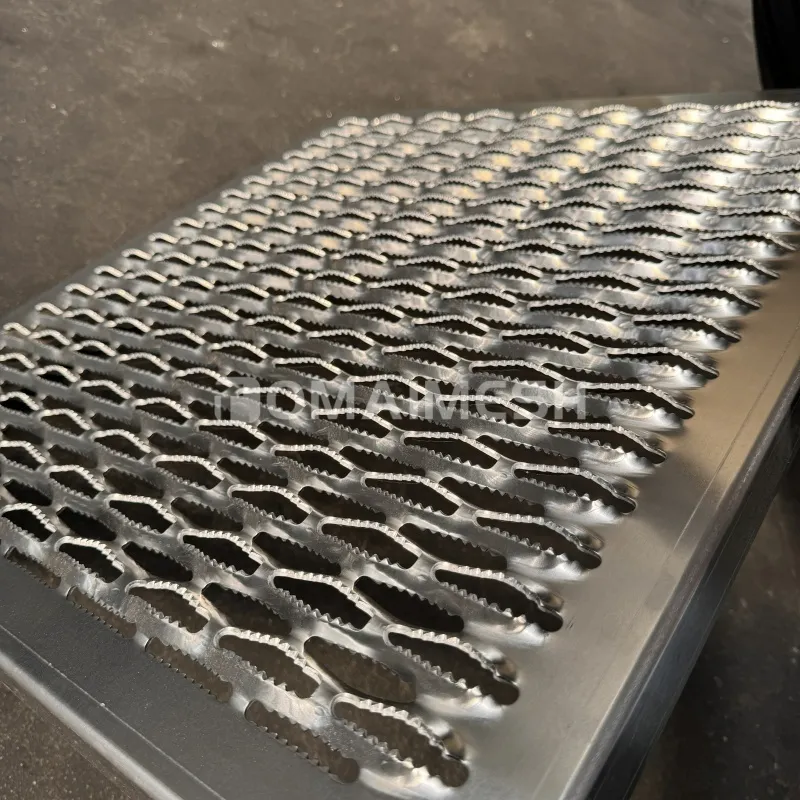
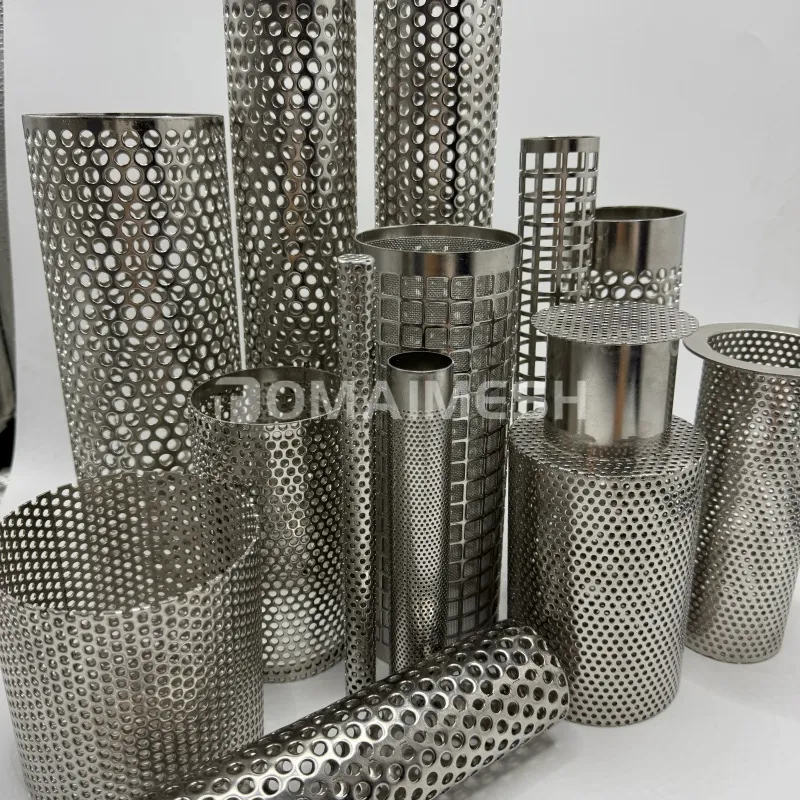
Let’s strip it back. Perforated sheet metal panels are flat metal sheets—think aluminum, stainless steel, or galvanized steel—that have been mechanically punched, chemically etched, or laser-cut to create a specific pattern of holes. The pattern isn’t random; it’s carefully designed to meet the panel’s intended use.
For example, an architect might specify a panel with circular perforations spaced evenly for a decorative façade that doubles as sun shading. A factory may use panels with precise slotted holes to protect equipment while ensuring airflow. This versatility makes them vital in modern industry—from protecting electronic components in remote industrial zones to serving as durable cladding in harsh climates.
---
Key Factors Defining Perforated Sheet Metal Panels
Durability
The first thing most professionals consider. These panels are often exposed to weather, chemicals, or rough handling. Materials like stainless steel resist corrosion, while surface coatings add further protection. This is why they’re trusted for exterior architectural use as well as for industrial protective guards.
Scalability & Customization
What’s fascinating is how easily these panels can be tailored. From small-scale filters with tiny micro-perforations to massive wall panels sporting artistic patterns, scalability is straightforward. Advances in laser and CNC punching mean that volumes can vary without drastic cost jumps.
Cost Efficiency
Despite their engineered precision, perforated panels offer cost advantages by reducing the volume of raw material used, cutting weight, and streamlining assembly and maintenance. Their multifunctionality also often replaces more expensive multi-part solutions.
Acoustic & Thermal Performance
Oddly enough, the right perforation patterns help deaden noise or facilitate natural ventilation, reducing HVAC needs. These benefits turn into long-term savings and boost user comfort.
Environmental Impact
Made mainly from recyclable metals and often contributing to sustainable building certifications, these panels are part of a growing trend towards greener materials. Utilizing recycled metals and designing for reuse or recyclability are increasingly standard practices.
---
Real-World Applications: Where You’ll Find Perforated Sheet Metal Panels
In real terms, these panels are everywhere — sometimes hidden in plain sight. In North America and Europe, green building projects often incorporate them as sunshades and privacy screens. In Asia’s booming urban centers, they’re embraced for facade ventilation and aesthetic treatments.
Aid agencies also use them: for example, in post-disaster relief, lightweight perforated panels create temporary shelters that allow airflow yet provide protection—essential for hot climates. In remote industrial zones, panels serve energy plants and mining sites by safeguarding machinery without overheating.
The sheer flexibility means you’ll find these panels used by hospitals for hygienic wall panels, in automotive production lines as guards, and even in public transit infrastructure as noise barriers.
---
Mini Takeaway:
Perforated sheet metal panels bridge design, functionality, and sustainability, adapting fluidly across sectors from high-rise buildings to rural infrastructure.
---
The Advantages of Perforated Sheet Metal Panels: What Do They Bring to the Table?
Cost savings are obvious, but beyond that, the panels exude reliability. Their longevity reduces downtime from repairs; their design flexibility ensures they can evolve as needs change.
Socially, these panels represent dignity and trust, especially in humanitarian applications—providing safe, ventilated, and moisture-managed shelters that improve living conditions. Emotionally, users feel secure yet comfortable, a small thing, but it matters more than you’d think.
Environmentally, they cut down energy needs by facilitating natural cooling, helping tackle urban heat islands and reduce reliance on mechanical systems.
---
Looking Ahead: Future Trends in Perforated Sheet Metal Panels
The future’s pretty exciting. Tangential advances like digital fabrication and automation mean personalization on-demand is feasible, i.e., just-in-time manufacturing with minimal waste. Recycled content percentages in panels are expected to rise, conforming to stricter sustainability standards.
We’re also on the cusp of seeing “smart” perforated panels embedded with sensors for real-time environmental monitoring or self-cleaning coatings boosting longevity.
And, of course, the push towards net-zero buildings means panels designed to integrate with solar solutions or smart shading systems. It feels like just the start.
---
Challenges and Smart Solutions in the Industry
While the benefits are clear, a few challenges remain. Warping during processing, difficulty in manufacturing complex high-precision patterns in thick metals, or inconsistency in large-scale production can trip planners.
But many engineers say these hurdles are gradually shrinking thanks to software-driven machine control and hybrid manufacturing techniques. Innovation in alloys and coatings also tackles corrosion and maintenance issues effectively.
---
FAQ: Your Most Common Questions About Perforated Sheet Metal Panels
- What industries benefit most from perforated sheet metal panels?
Architecture, automotive, HVAC, electronics, and humanitarian aid are leaders. Each leverages unique panel properties for ventilation, aesthetics, or protection.
- How customizable are the perforation patterns?
Highly flexible. Patterns can be tailored by size, shape, spacing, and layout to align with functional or design goals.
- Are these panels environmentally friendly?
Yes, especially when fabricated from recycled metals and designed for durability and recyclability. Many comply with LEED and other green standards.
- Can perforated panels be used in harsh outdoor environments?
Absolutely. Proper material selection (stainless steel, coated aluminum) and finishes ensure corrosion resistance under extreme weather conditions.
- What maintenance do they require?
Minimal maintenance is needed if corrosion-resistant materials are chosen. Occasional cleaning and inspections keep panels performing well over time.
---
Product Specifications: A Typical Perforated Sheet Metal Panel
| Specification |
Details |
| Material |
Stainless Steel 304 / Aluminum 5052 |
| Sheet Thickness |
0.5 mm – 3 mm |
| Perforation Type |
Round, Square, Slotted |
| Hole Size Range |
1 mm – 30 mm |
| Open Area Percentage |
10% – 70% |
| Dimensions |
Customizable, typically up to 1500 mm x 3000 mm |
| Surface Finish |
Powder coating, anodized, galvanised, or mill finish |
---
Vendor Comparison: Finding The Right Perforated Sheet Metal Panel Supplier
| Feature |
Vendor A |
Vendor B |
Vendor C |
| Custom Pattern Capability |
High |
Medium |
High |
| Lead Time |
3-5 weeks |
2-4 weeks |
4-6 weeks |
| Sustainability Certifications |
ISO 14001 |
None |
LEED Compliant Material |
| Minimum Order Size |
100 sq. meters |
50 sq. meters |
75 sq. meters |
| Pricing |
Premium |
Competitive |
Mid-range |
---
Final Thoughts
Looking back, perforated sheet metal panels are more than just industrial materials. They reflect a convergence of design, sustainability, and pragmatic problem-solving. I noticed many engineers talk about how these panels “punch above their weight” in versatility and impact — pun intended. Whether it’s creating striking building facades, improving airflow in factories, or offering next-gen shelter solutions, their role is only growing.
If you want to explore more about perforated sheet metal panels and find products tailored to your needs, don’t hesitate to visit
perforated sheet metal panels. The right panels might just be the solution you didn’t know you were looking for.
---
References
- International Organization for Standardization (ISO)
- United Nations: Urbanization
- Wikipedia: Sheet Metal