
11 Oct 2025
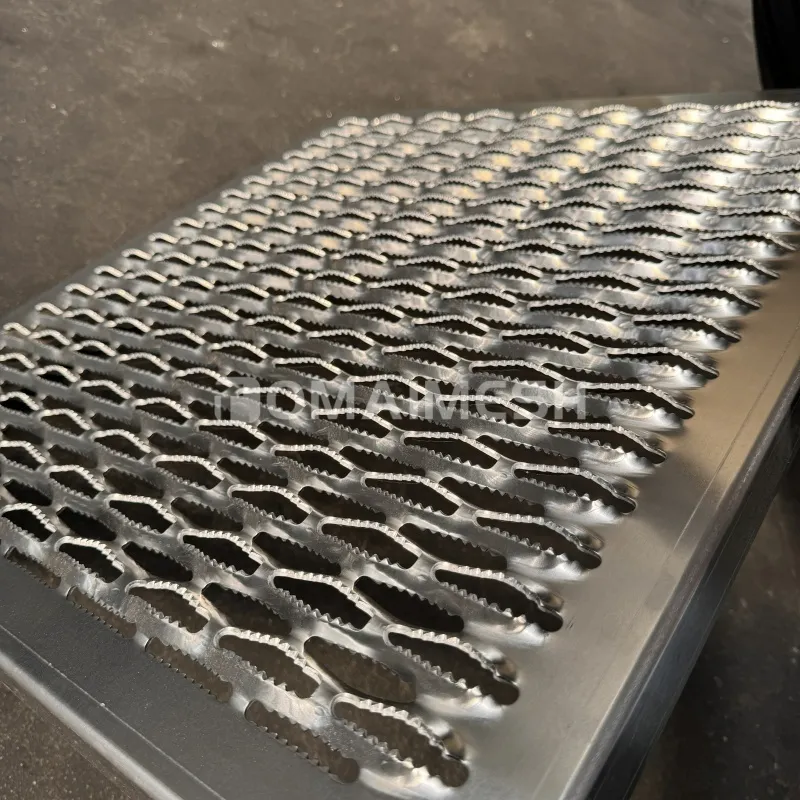
If you’ve ever stood on a metal walkway and felt that subtle, reassuring bite underfoot, you know the appeal of a perforated tread plate. In factories and hotels alike, it’s the quiet performer—carrying load, adding texture, and frankly, looking sharp. The version I’ve been watching closely is manufactured in the East Development Zone, Anping County, Hengshui City, Hebei Province—an area with a long, gritty tradition in metalworking and a surprising knack for design-grade finishes.
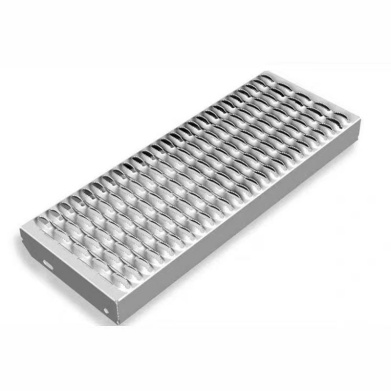
Two trends are merging: engineers want consistent slip resistance with less weight, and architects want patterns that don’t scream “industrial.” Photochemical etching is the quiet revolution here. It delivers crisp edges and repeatable patterns, which—many customers say—cuts install time because there’s less fighting warped or burred sheets. And yes, it does look better.
| Product | Perforated Tread Plate (304/316 stainless steel) |
| Thickness range | 0.1–2.0 mm (tolerance ≈ ±0.02 mm) |
| Pattern options | Custom geometric / organic / digital motifs |
| Finishes | Satin, mirror, or color-coated |
| Aperture / open area | Common dia. ≈ 1–8 mm; open area ≈ 5–45% (real-world use may vary) |
| Sheet size | 1000×2000 mm, 1219×2438 mm, or customized |
| Service life | ~10–25 years, environment-dependent |
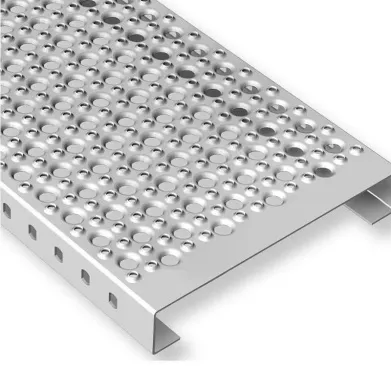
Typical lab data (indicative): 316 SS shows ≥500 h neutral salt spray with no red rust; 304 SS ≥240 h. Slip resistance often lands around R10–R12 (DIN 51130), but, to be honest, the finish and contamination onsite matter a lot.
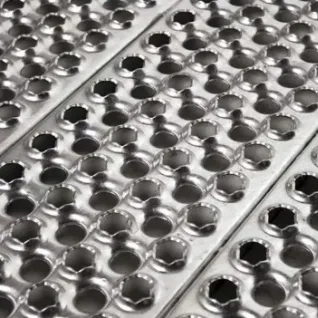
- Architectural cladding and decorative screens that want airflow without visual clutter.
- Production walkways and platforms where weight and drainage matter.
- Transit hubs: stair risers, landings, and ventilation covers.
Perforated tread plate has a way of winning over both the maintenance crew and the branding team—surprisingly rare. One facilities manager at an EV plant told me their etched 316 mirror sheets cut cleaning time “by about a third” and improved wet-pendulum readings by ≈27% versus brushed plain sheet.
| Vendor | Process | Min. thickness | Pattern fidelity | Lead time | Certs |
|---|---|---|---|---|---|
| Tomai Filter (Anping) | Photochemical etching | ≈0.1 mm | High; burr ≤0.02 mm | ≈10–15 days | ISO 9001 |
| Local Fabricator | Punching | ≈0.5 mm | Moderate | ≈20–30 days | Varies |
| Import House | Laser/punch mix | ≈0.8 mm | Good | ≈30–45 days | Unknown |
Patterns can be matched to branding (I’ve seen QR-inspired grids that actually scan). Submissions usually include CAD + small etched coupons for sign-off. On larger public projects, ask for material certs (ASTM A240), factory ISO 9001, and slip test data aligned with your jurisdiction (ASTM E303 or DIN 51130/EN 16165).
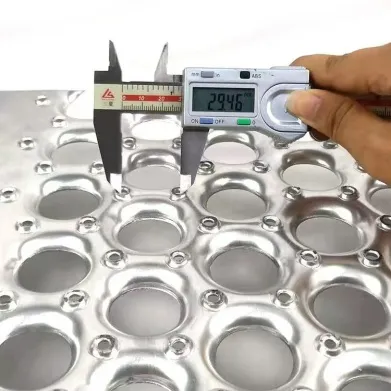
If you need a durable, attractive surface that plays well with light and still grips shoes, perforated tread plate etched from 304/316 stainless is a smart, modern default. The fact that it ships from a place that lives and breathes metalwork—Anping—doesn’t hurt either.


Hit enter to search or ESC to close