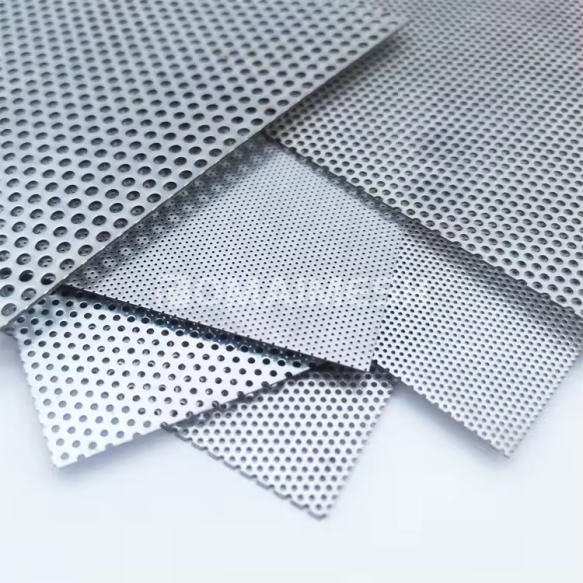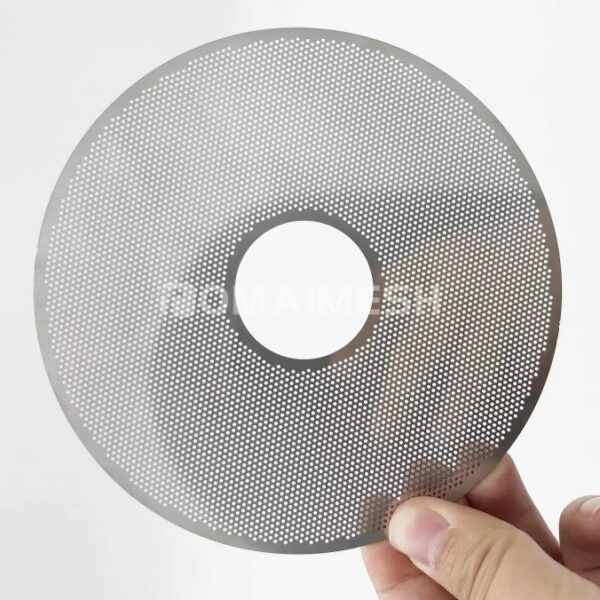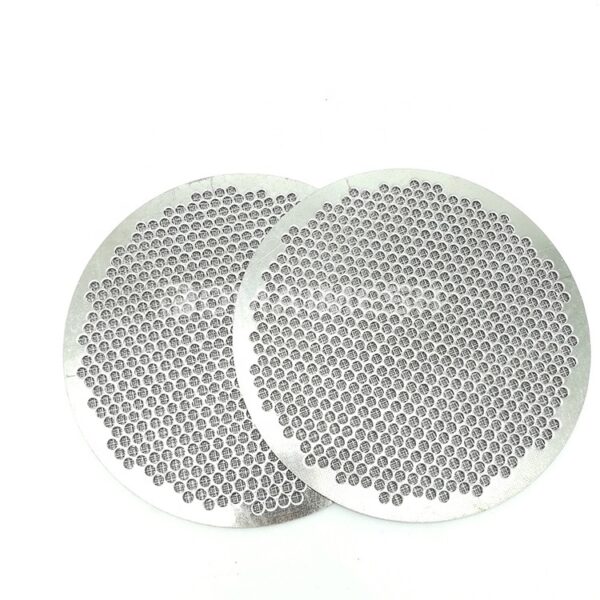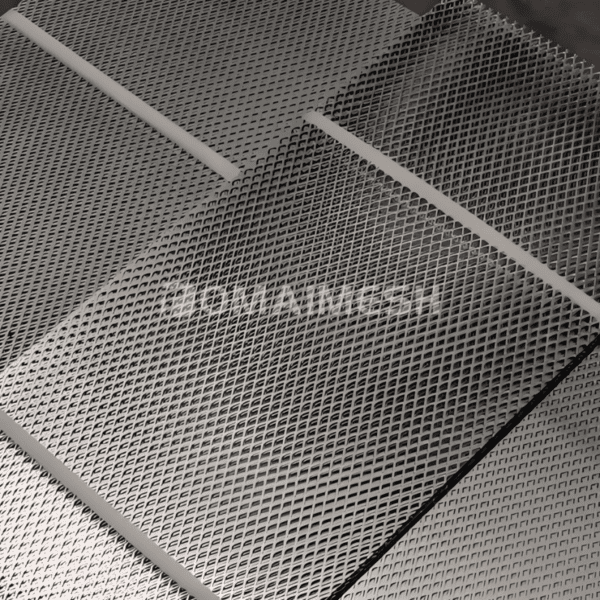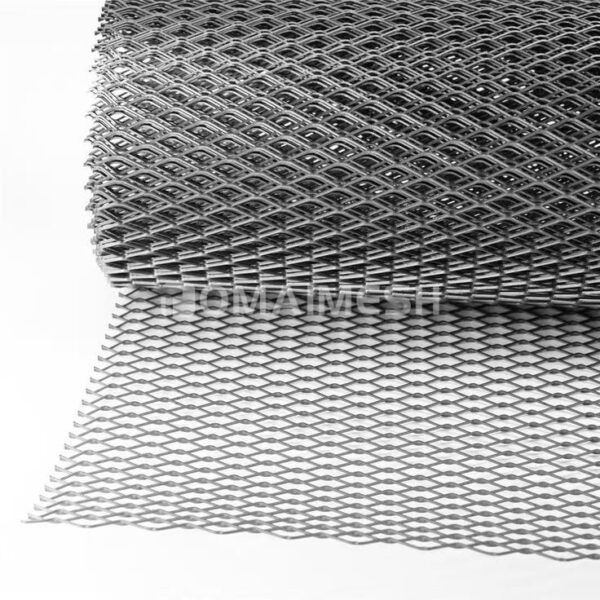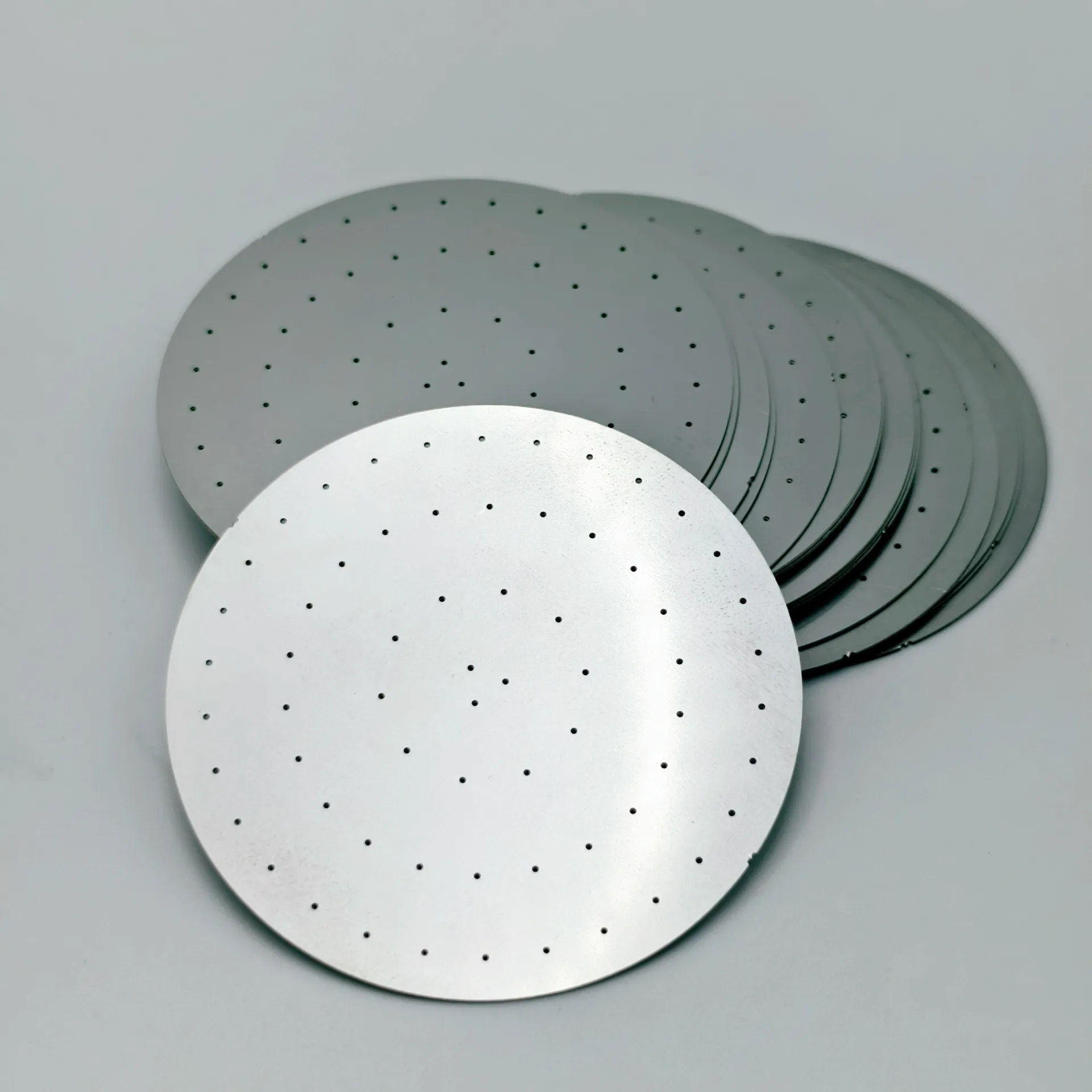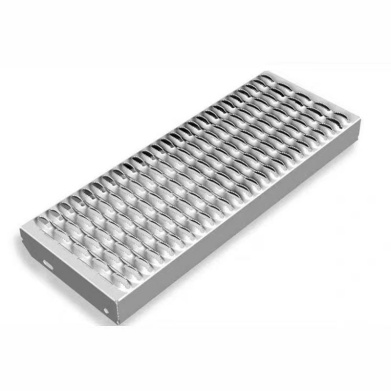
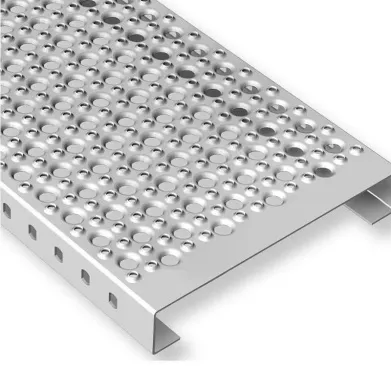
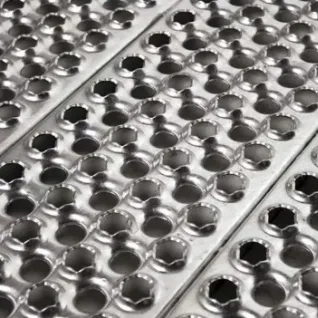
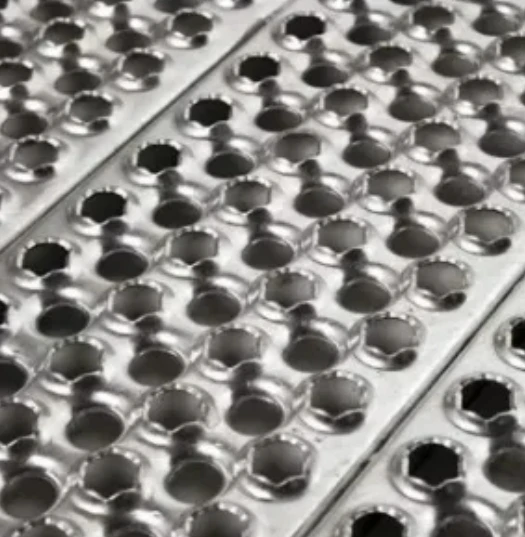
Perforated Tread Plate

Material: 304/316 Stainless Steel
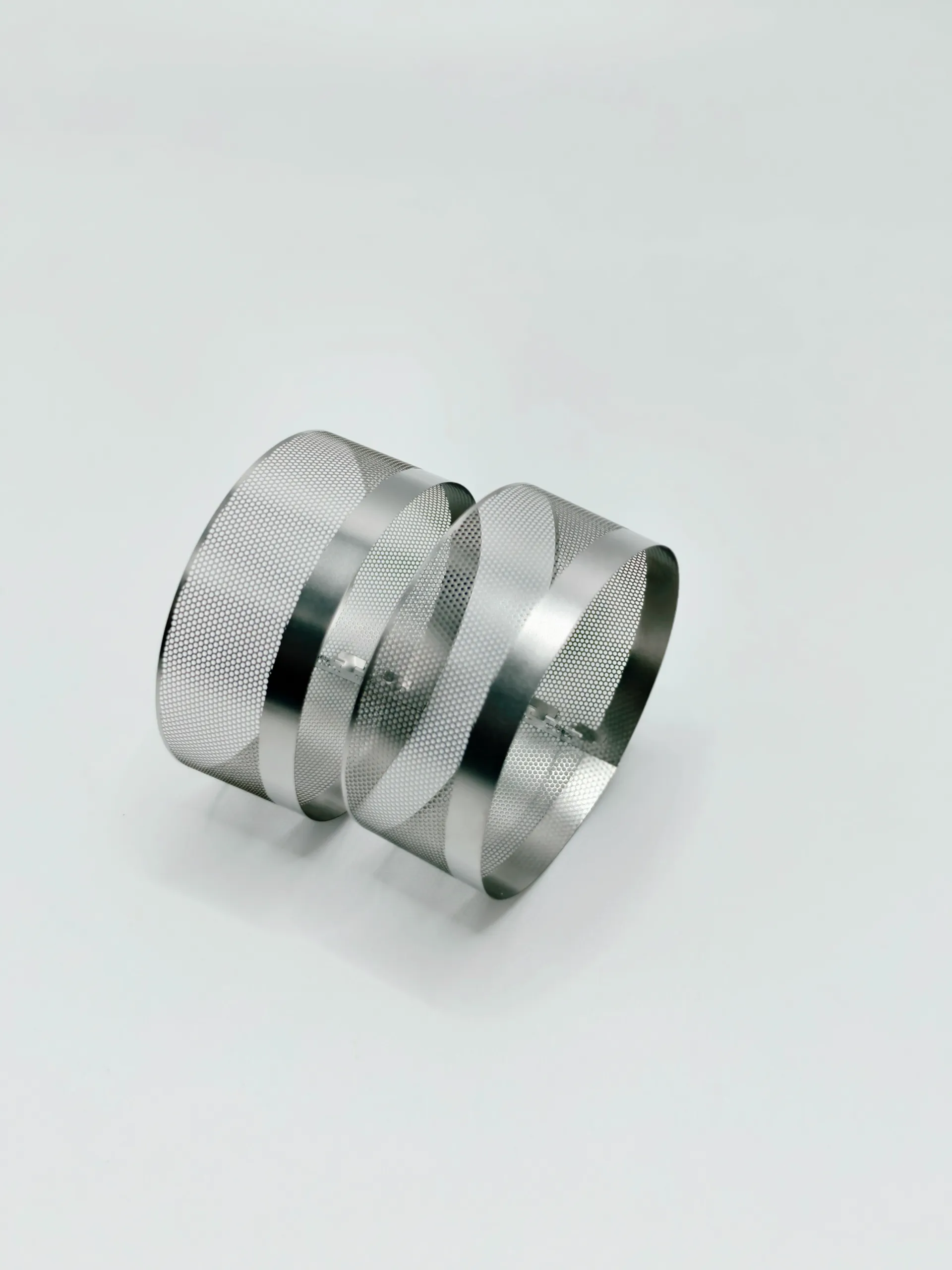
Process: Photochemical Etching Technology
Pattern Options: Customizable (Geometric/Organic/Digital)
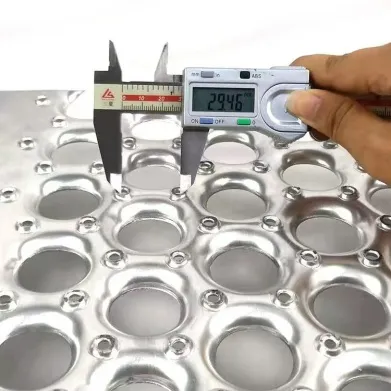
Thickness Range: 0.1mm-2.0mm (±0.02mm) 
Finish: Satin/Mirror/Color Coated
Application: Architectural Cladding/Decorative 

 
Material Innovations
  • Aluminum (5052/6061-T6)
    • Weight-to-Strength Ratio: 2.7 g/cm³ density paired with 145–310 MPa yield strength, ideal for weight-sensitive applications like aircraft boarding ramps or portable scaffolding systems.
    • Corrosion Resistance: Naturally resistant to saltwater, chemicals, and UV degradation, compliant with ASTM B928 for marine environments.
  • Stainless Steel (304/316L)
    • High-Temperature Performance: Retains 85% tensile strength at 400°C (304) and 800°C (316L), critical for refinery walkways or incinerator access platforms.
    • Pitting Resistance Equivalent Number (PREN): 19–35 for 316L, ensuring longevity in chloride-rich environments like offshore oil rigs or desalination plants.
Read More About perforated aluminum tread plate
Read More About perforated diamond plate
Functional Design Features
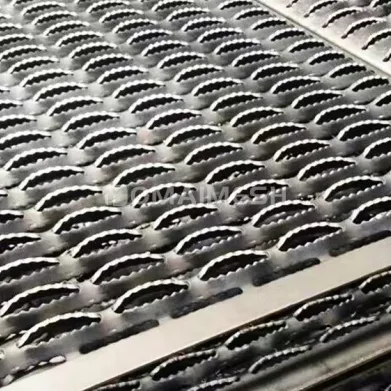
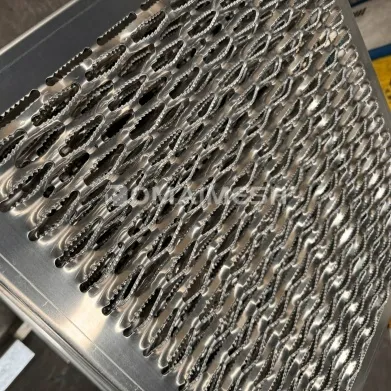
  • Anti-Slip Performance: Diamond knurl patterns exceed DIN 51130 R11-R13 slip resistance ratings even when wet.
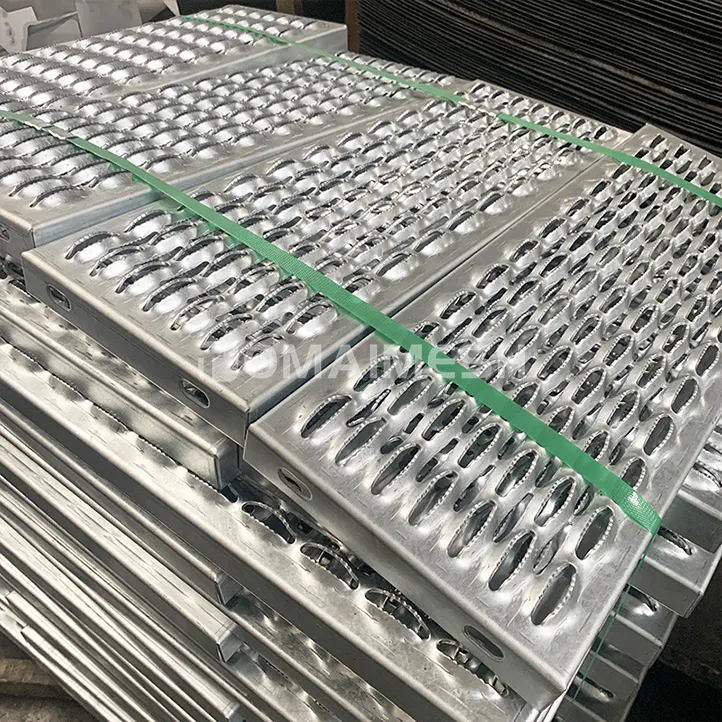
  • Drainage Efficiency: Open area ratios from 15%–40% to prevent liquid pooling (tested per ASTM E2837).
  • Structural Integrity: CNC-punched holes with deburred edges (Ra ≤1.6µm) to eliminate snagging risks.
  • Custom Patterns: Hexagonal perforations, oval slots, or hybrid designs for aesthetic or functional alignment with railings/grating.
Industry-Specific Applications
  • Surface Treatments:
    • Powder Coating: RAL-color-matched layers (60–80µm) with anti-abrasion additives.
    • Anodizing (Aluminum): MIL-A-8625 Type III hard coat for wear resistance in high-traffic zones.
    • Electropolishing (Stainless Steel): Passivated surfaces for hygienic compliance in pharmaceutical facilities.
  • Edge Reinforcement: Folded hemming (90°–180° bends) or welded frames for load distribution.
  • Modular Compatibility: Pre-drilled bolt holes (M8–M16) or interlocking tabs for rapid installation.
Read More About perforated metal anti slip tread plate
Industry-Specific Applications
  • Industrial Safety: Catwalk flooring, machinery platforms, and conveyor access panels in OSHA-compliant facilities.
  • Transportation: Anti-skid surfaces for ship decks, locomotive steps, and EV charging station walkways.
  • Architecture: Decorative facades, rooftop walk pads, and ADA-compliant ramp covers with integrated lighting cutouts.
  • Agriculture: Slatted livestock flooring with manure drainage, corrosion-resistant to ammonia exposure.
  • Cold Storage: Textured surfaces with de-icing perforations for freezer warehouses (-40°C rated).
What Is A Perforated Plate Used For?

What Is A Perforated Plate Used For?

What Is A Perforated Plate Used For?

A perforated plate is a flat sheet of metal that has been punched with holes or patterns and is used in a variety of industrial, architectural, and decorative applications.

In industrial settings, perforated plates are commonly used for filtration, screening, separation, and ventilation, allowing air, liquids, or solids to pass while blocking larger particles. They are also used in noise reduction panels, machine guards, and diffuser systems.

In architecture and construction, perforated plates serve as facades, sunscreens, ceilings, partitions, and decorative panels, combining functionality with aesthetic appeal. They can reduce sunlight, improve airflow, and add a modern design element to buildings.

Perforated plates are also found in automotive, furniture, and appliance applications, where their strength, lightweight nature, and customizable hole patterns make them versatile for both functional and decorative purposes.
What Is The Purpose Of A Perforated Sheet?

What Is The Purpose Of A Perforated Sheet?

What Is The Purpose Of A Perforated Sheet?

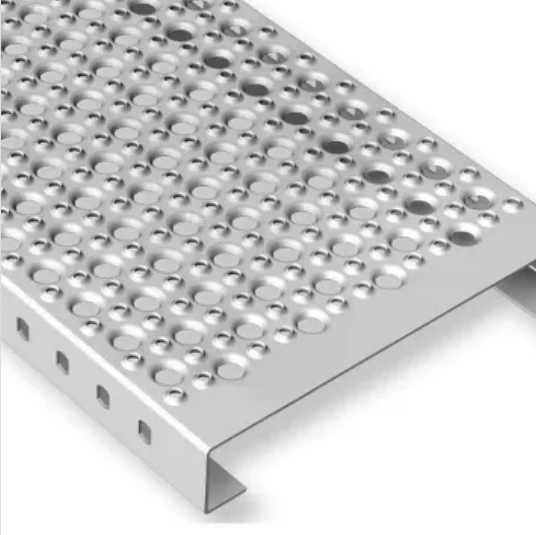
The purpose of a perforated sheet is to provide a combination of strength, functionality, and aesthetics in a versatile material. The sheet is a solid metal panel that has been punched with holes or patterns, allowing it to serve multiple purposes.

Functionally, perforated sheets are used for ventilation, filtration, and drainage, as the openings allow air, liquids, or light to pass while retaining larger particles. They also serve as noise reduction panels, machine guards, and protective screens in industrial applications.

Aesthetically, perforated sheets are employed in architecture, interior design, and furniture, creating visually appealing facades, partitions, ceilings, and decorative panels. They can provide privacy while maintaining openness and airflow.

Additionally, perforated sheets are lightweight yet durable, making them suitable for a wide range of applications in construction, automotive, appliances, and manufacturing. They balance practicality with design, making them a versatile material for many industries.

If you are interested in our products, you can choose to leave your information here, and we will be in touch with you shortly.