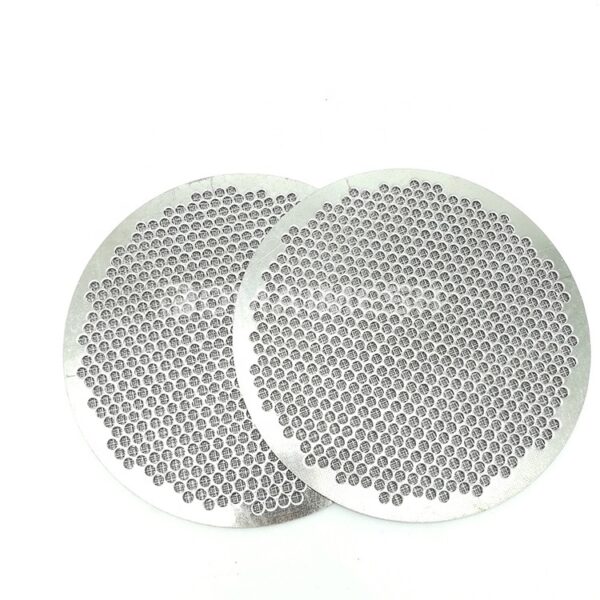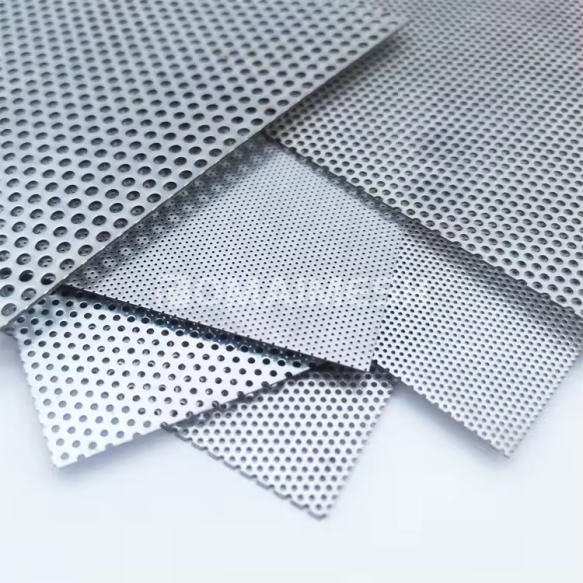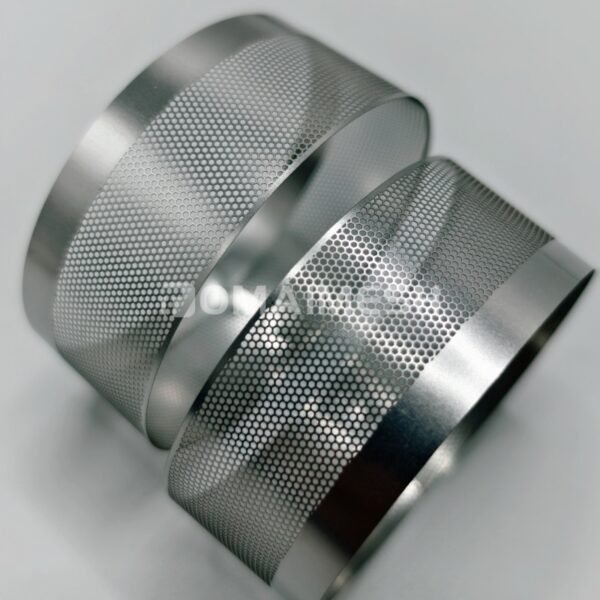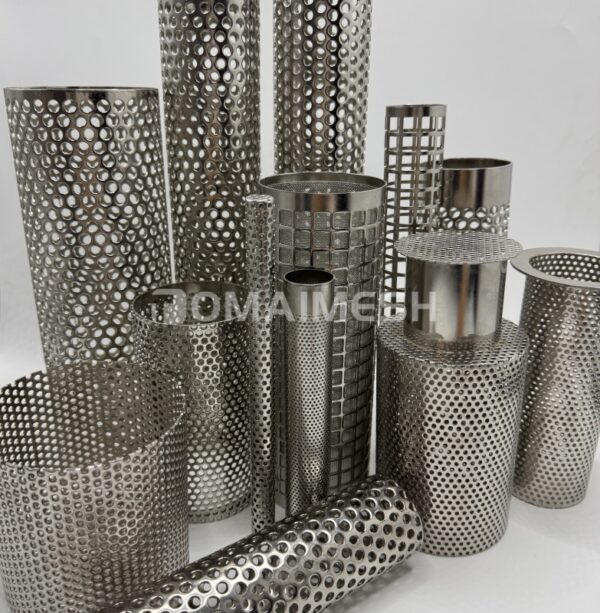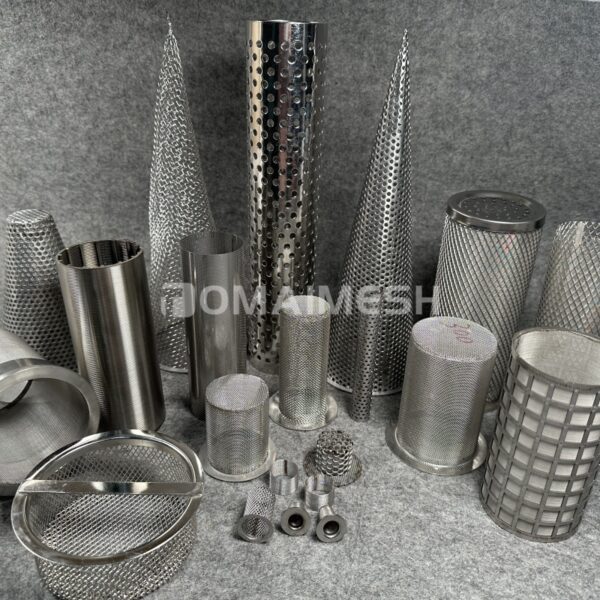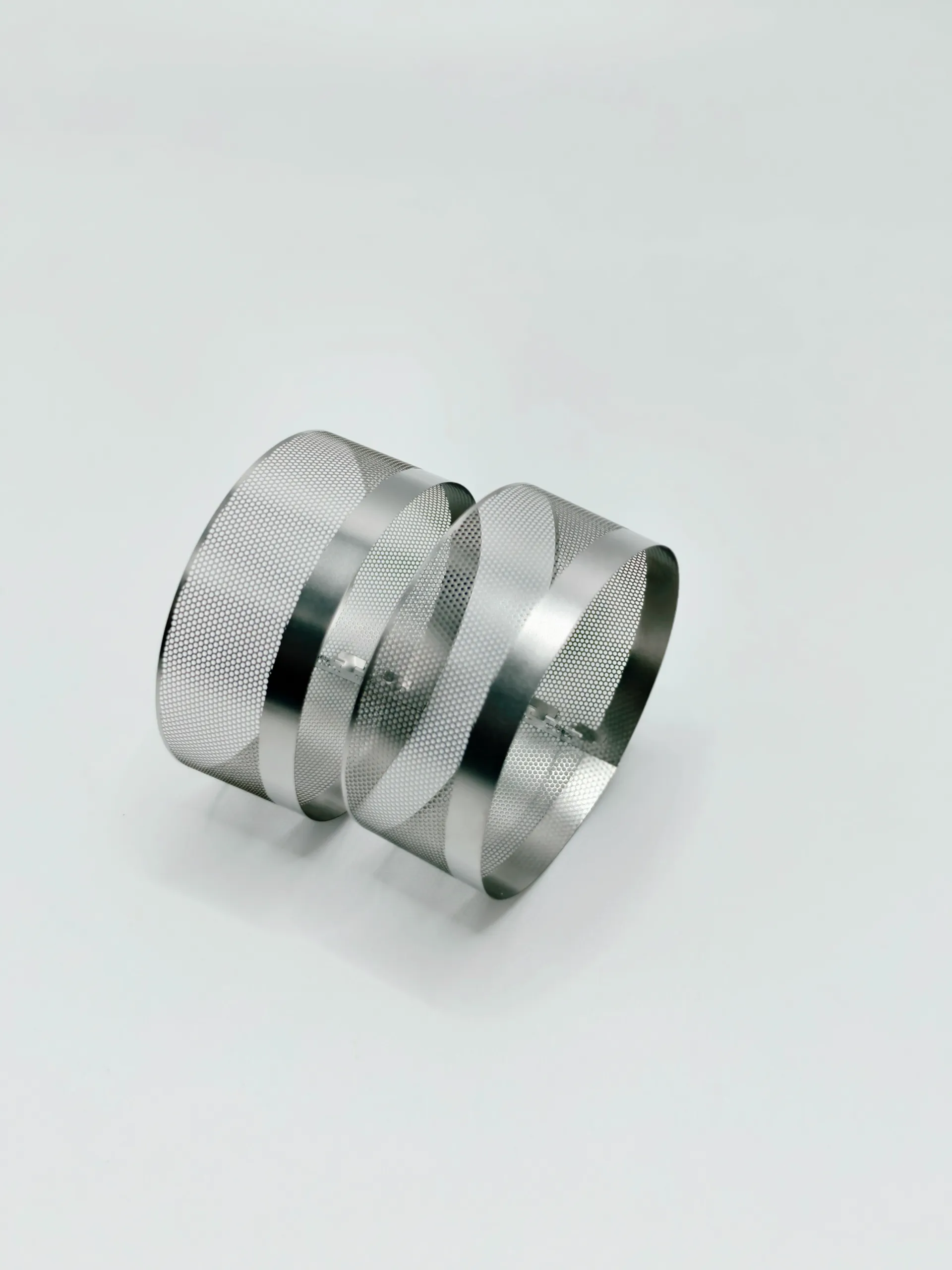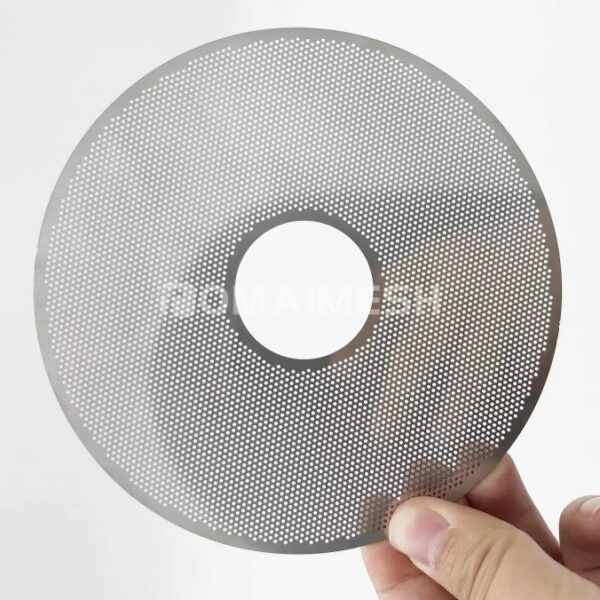
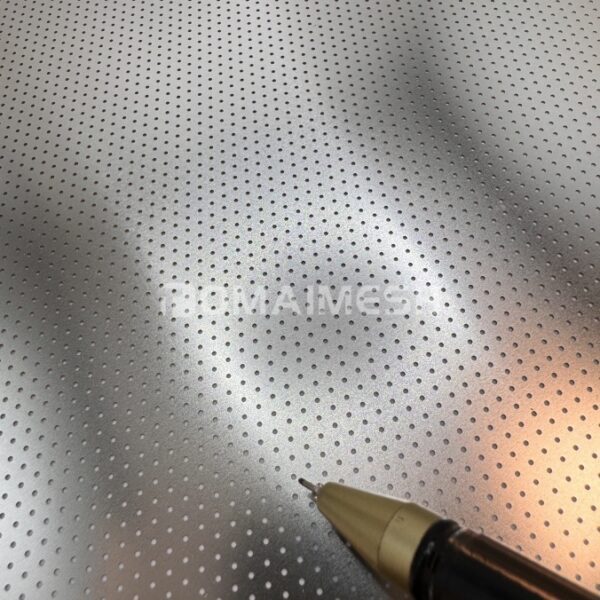
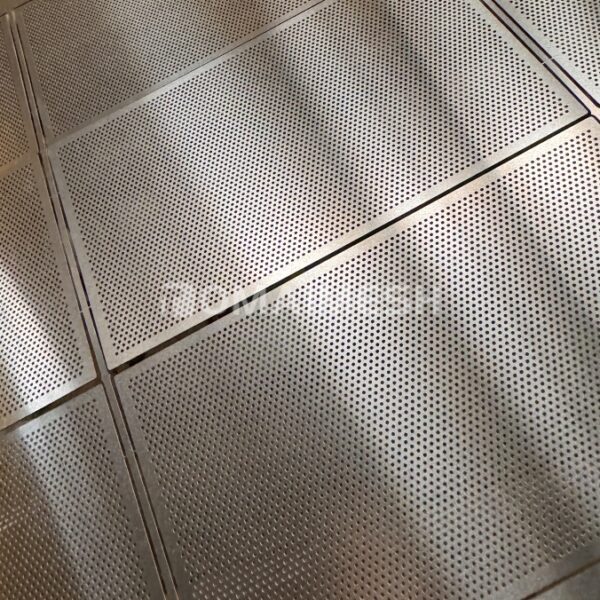
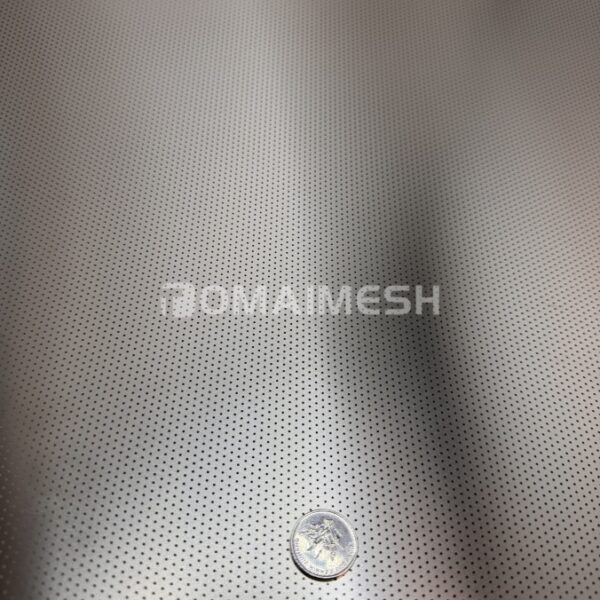
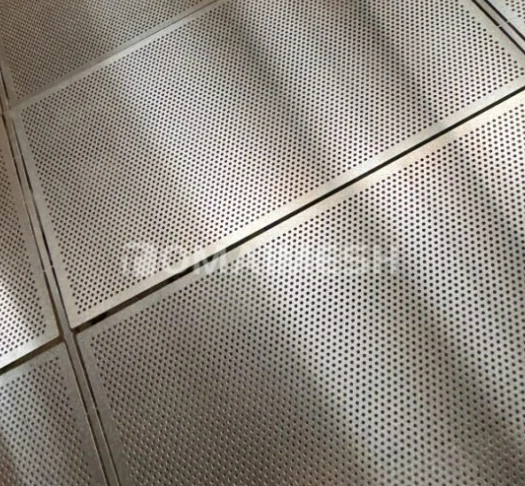
Crafted using advanced laser or CNC punching technology, Micro-Perforated Metal Mesh delivers unparalleled precision in hole size (ranging from 0.1mm to 3mm) and pattern consistency.
Made from high-grade stainless steel, aluminum, or specialty alloys, this mesh combines durability with lightweight design, ensuring resistance to corrosion, extreme temperatures, and mechanical stress.
Its micro-perforations are engineered for minimal material waste, making it a sustainable choice for industrial and architectural applications.
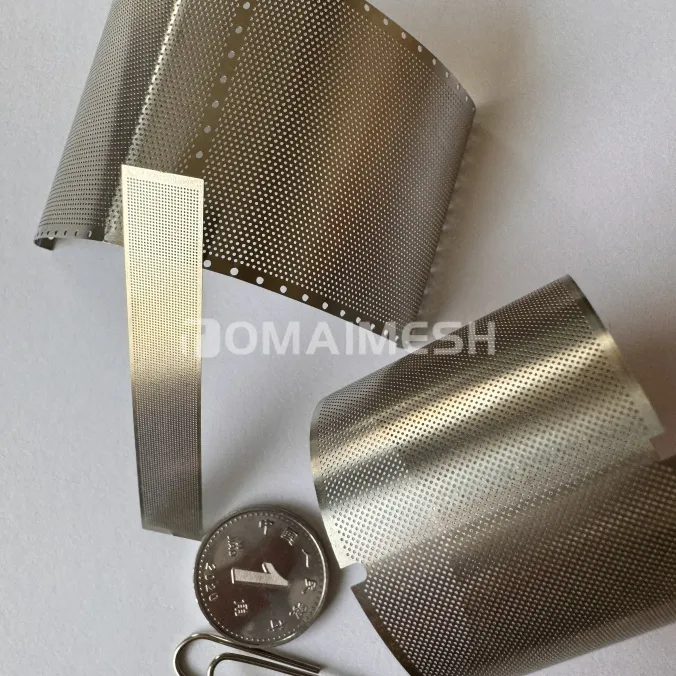
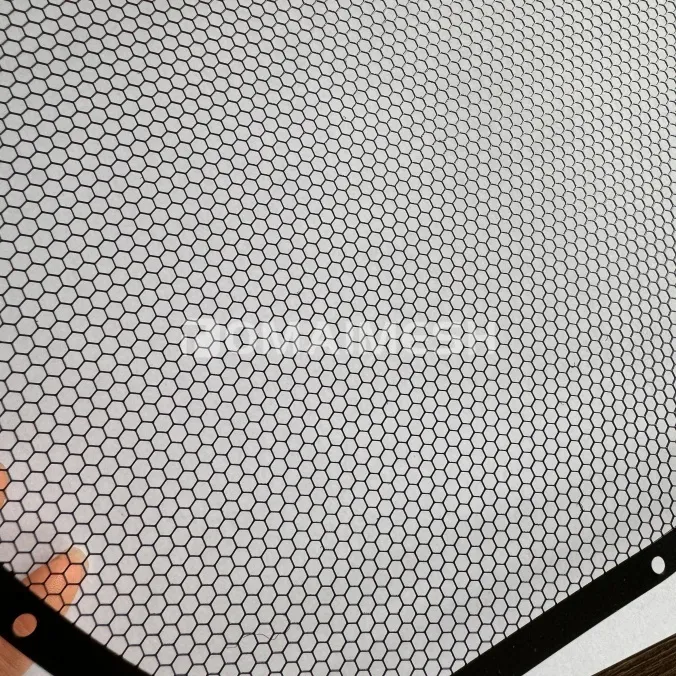
This product excels in airflow management, sound absorption (NRC ratings up to 0.9), and particle filtration efficiency (capturing particulates as small as 5 microns).
Its non-reflective surface and customizable open-area ratios (5%–40%) enable tailored solutions for EMI shielding, aesthetic façades, or hygienic barriers.
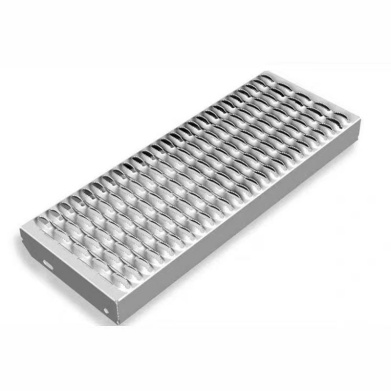
The mesh’s structural rigidity supports load-bearing applications while maintaining a sleek, modern appearance ideal for high-end design projects.
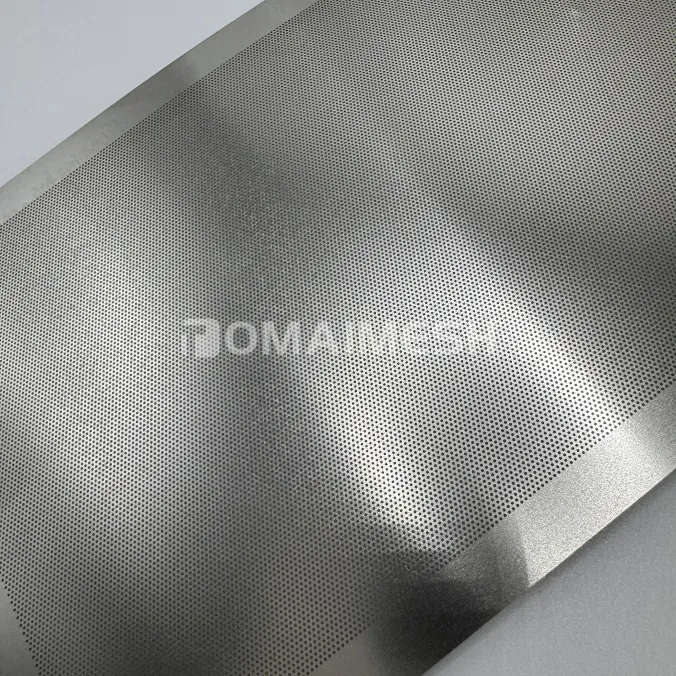
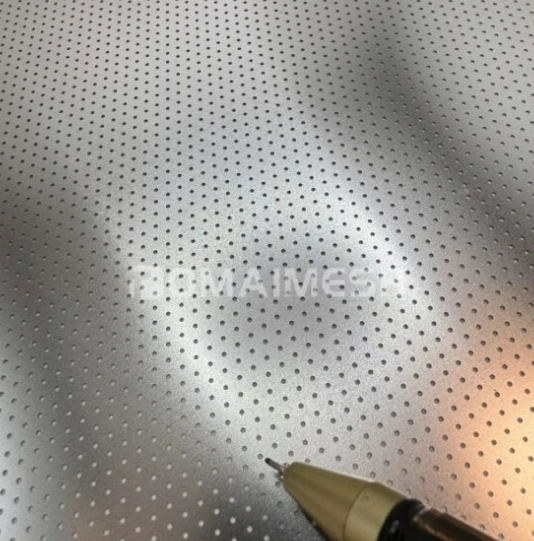
What Is Perforated Metal Used For?
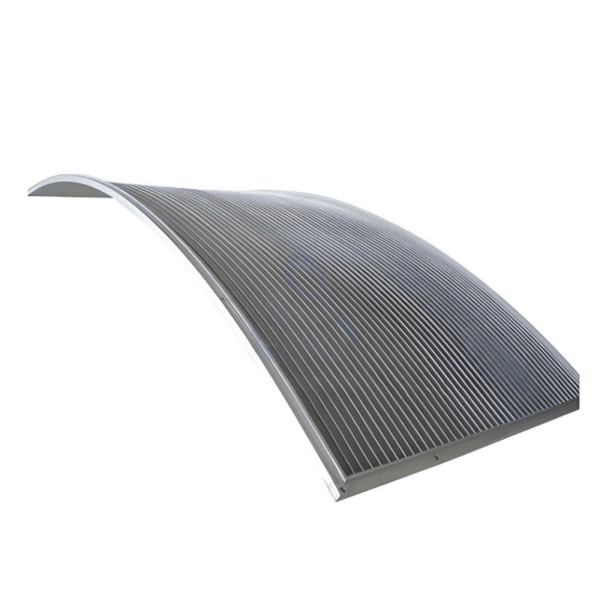
Perforated metal is widely used across industries due to its strength, versatility, and aesthetic appeal. In architecture, it serves as facades, sunscreens, and decorative panels, offering both function and design. In industrial settings, it is used for filtration, ventilation, and acoustic control, allowing air, light, or sound to pass while providing protection and durability. It is also applied in furniture, appliances, and automotive parts, where lightweight yet sturdy materials are needed. Because of its customizable patterns and sizes, perforated metal can balance privacy with openness, making it a practical and stylish solution for many applications.
What Are The Vantages Of Perforated Metal?
Strength and Durability – It retains the toughness of metal while being lightweight due to its perforations.
Versatility – Available in various patterns, thicknesses, and materials, making it suitable for both functional and decorative uses.
Ventilation and Filtration – The holes allow airflow, light, and liquids to pass through, making it ideal for screens, filters, and ventilation systems.
Aesthetic Appeal – Custom designs can enhance architectural projects with modern and stylish looks.
Energy Efficiency – Used as sunscreens or facades, it reduces heat gain and lowers energy consumption.
Cost-Effectiveness – Its durability and recyclability make it a sustainable, long-lasting solution.


Hit enter to search or ESC to close