Wedge Wire Sieve Bend Panel Installation
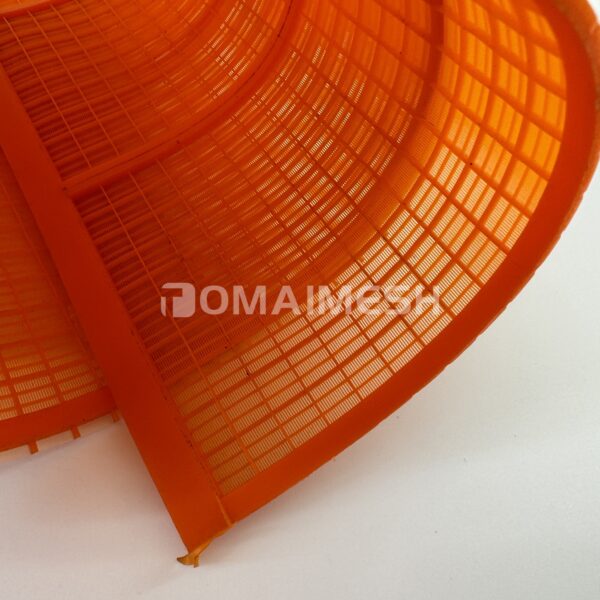
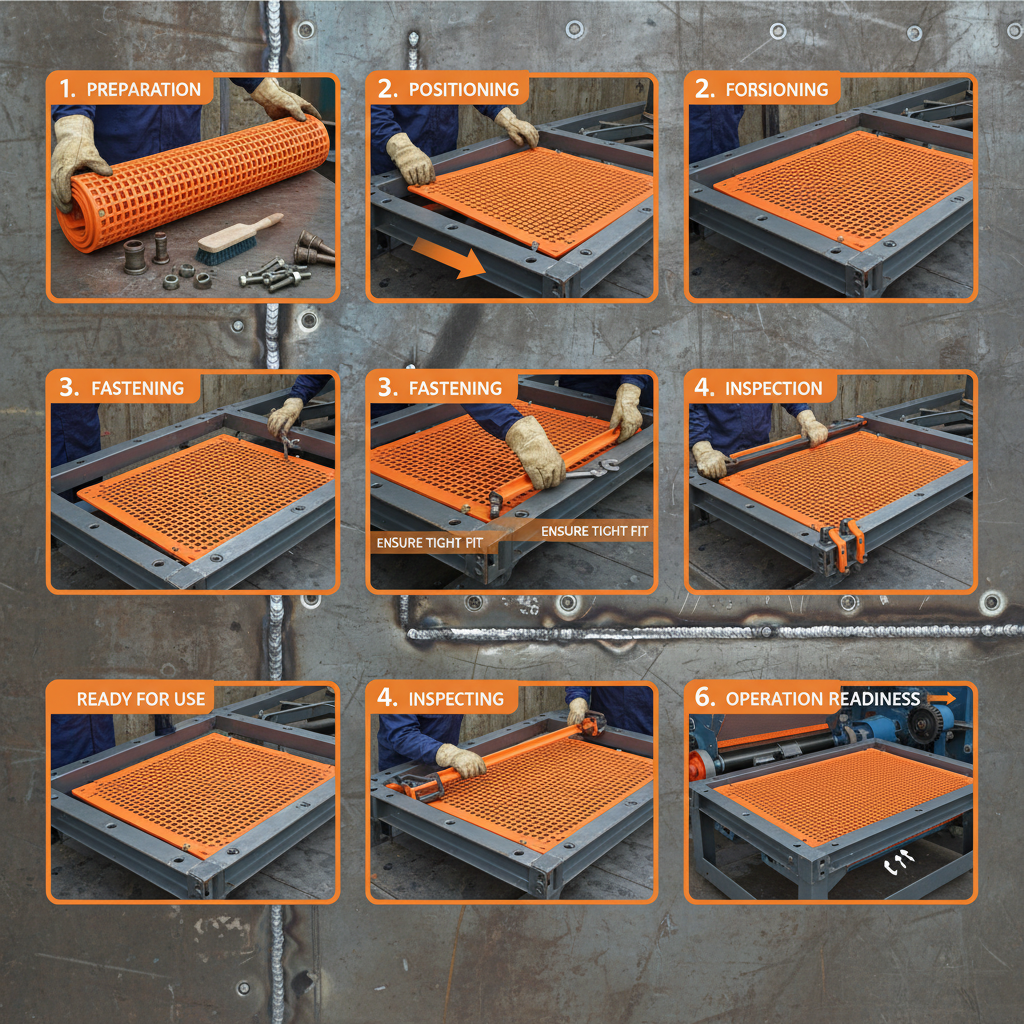
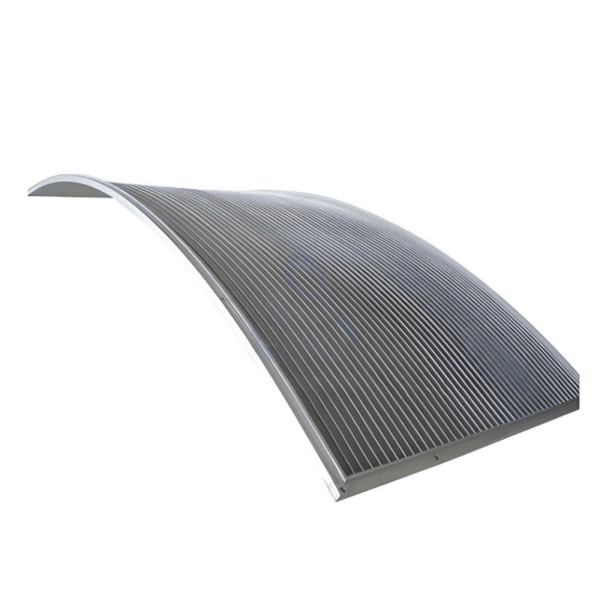
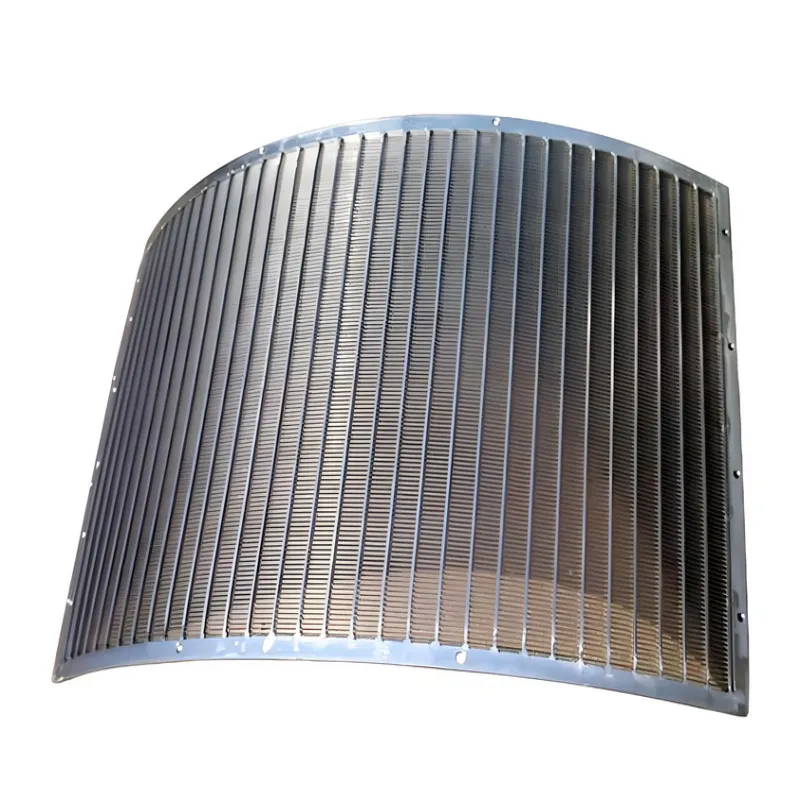
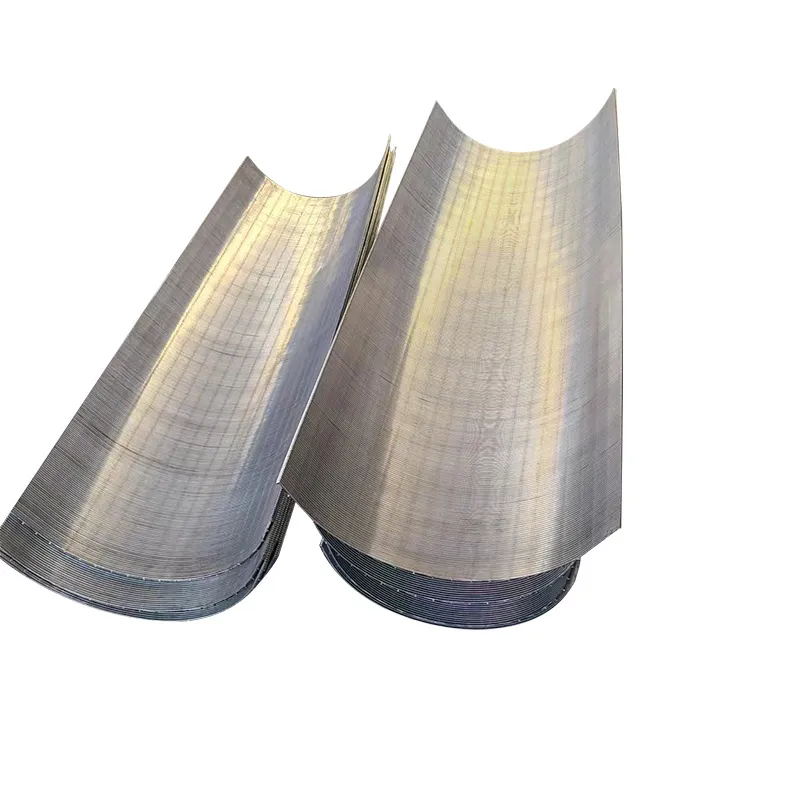
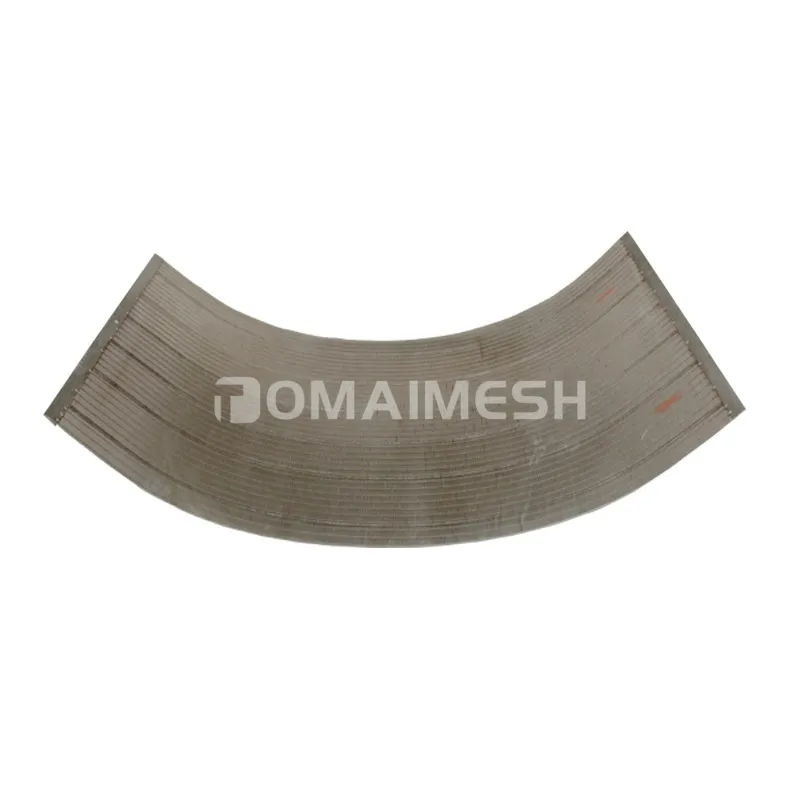
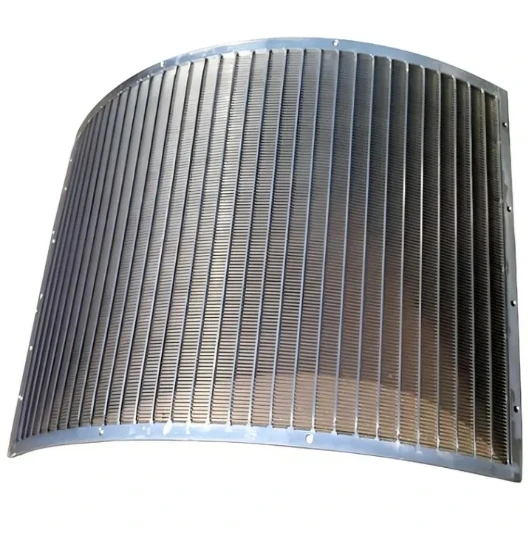
Wedge wire sieve bend panel installation involves carefully mounting the panels in a screening or dewatering system to ensure optimal performance and longevity. First, the supporting frame or trough must be prepared, ensuring it is level, clean, and properly aligned with the flow direction. Panels are then positioned with the wedge wire slots oriented correctly, typically with the open side facing the flow to maximize solids capture and minimize clogging.
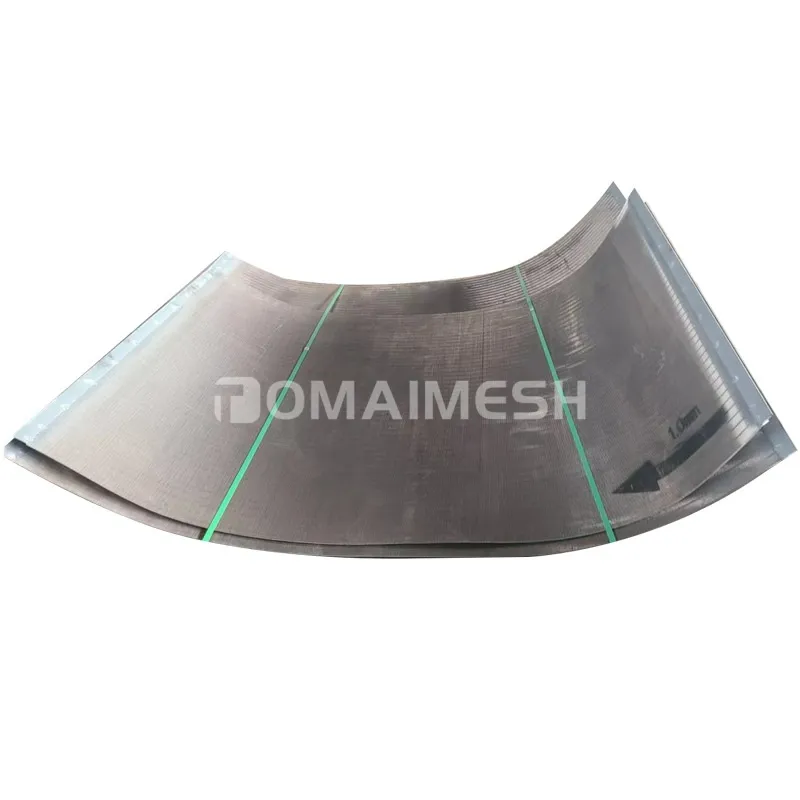
The panels are secured to the frame using bolts, clamps, or welding, depending on the design. Adjacent panels must be aligned precisely to avoid gaps that could allow unfiltered material to pass through. In some systems, multiple panels are installed in a cascade to increase capacity and efficiency.
After installation, the system is flushed or tested with water to remove any debris and verify proper flow. Correct installation ensures high separation efficiency, smooth flow, and long-lasting durability, making wedge wire sieve bend panels effective for dewatering, screening, and particle separation in mining, water treatment, and industrial processes.
Wedge Wire Sieve Bend Panel Sizes
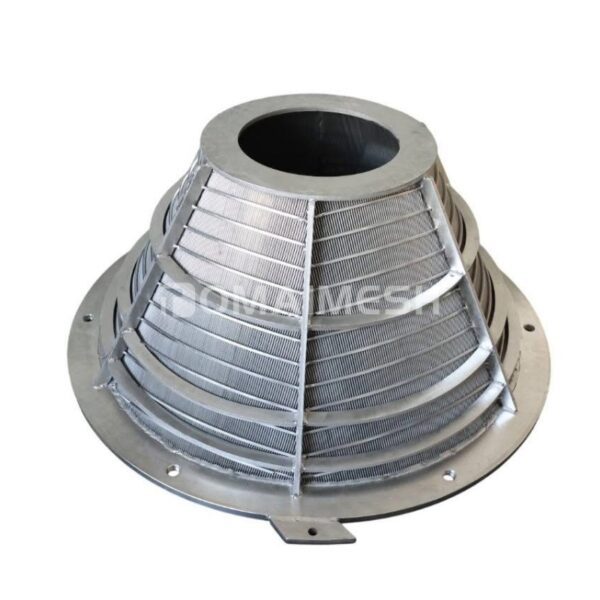
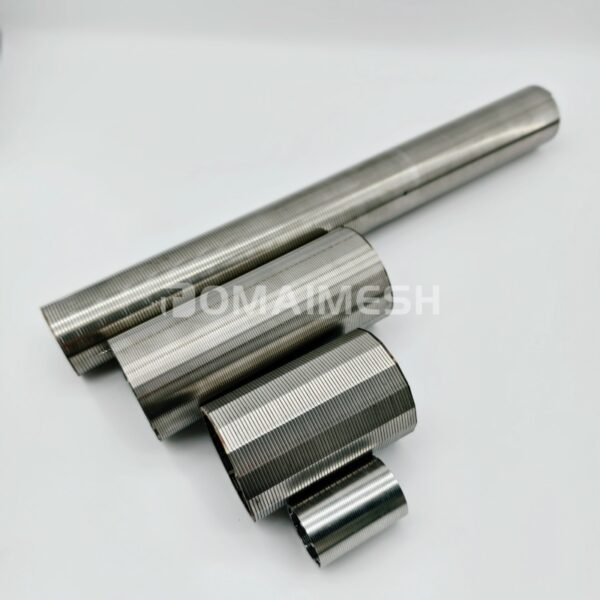
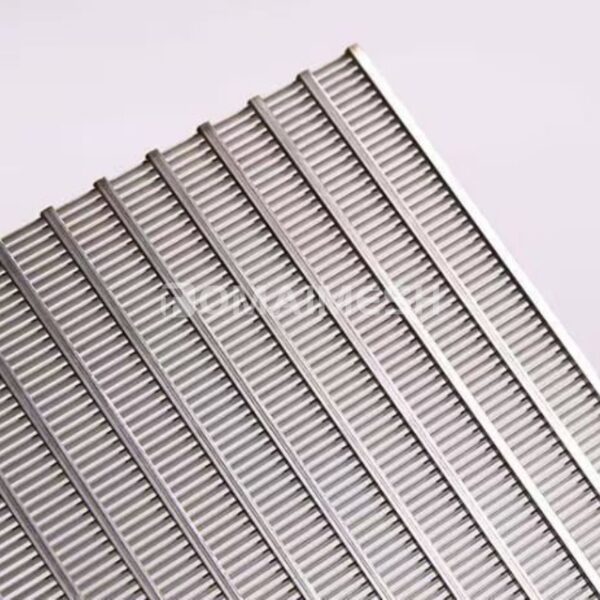
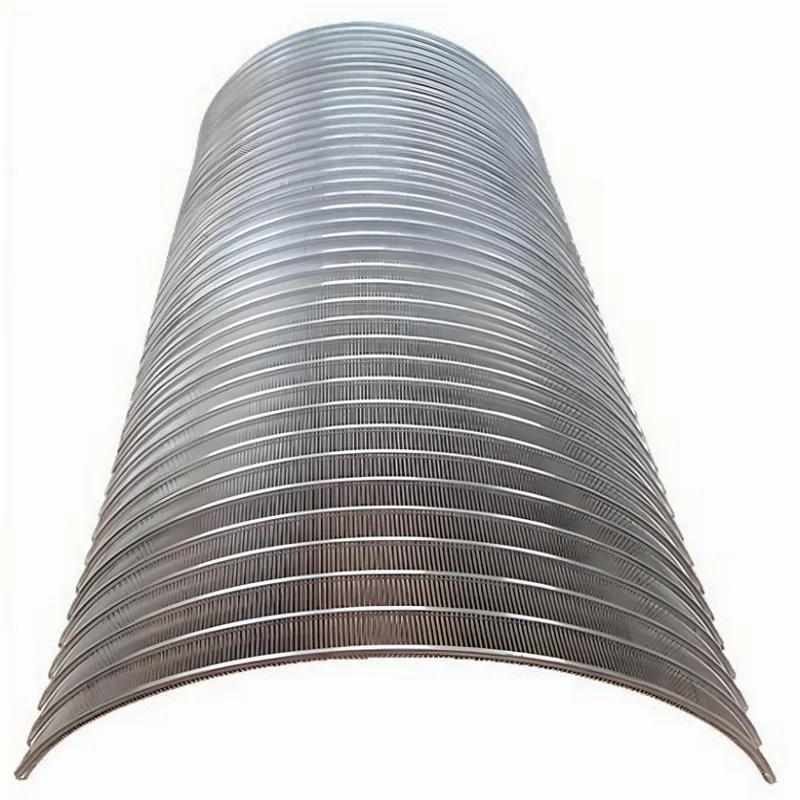
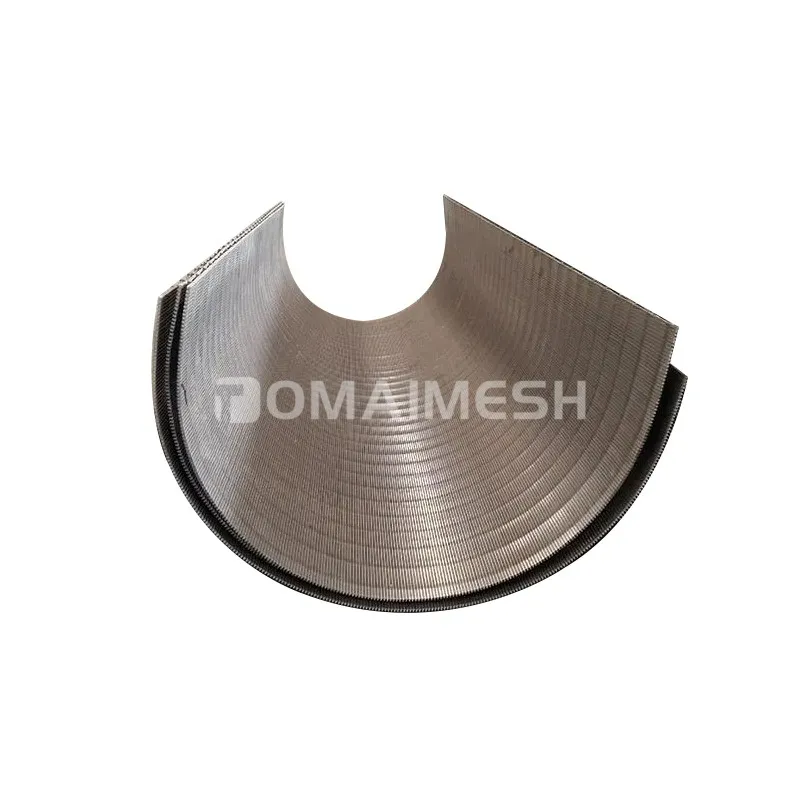
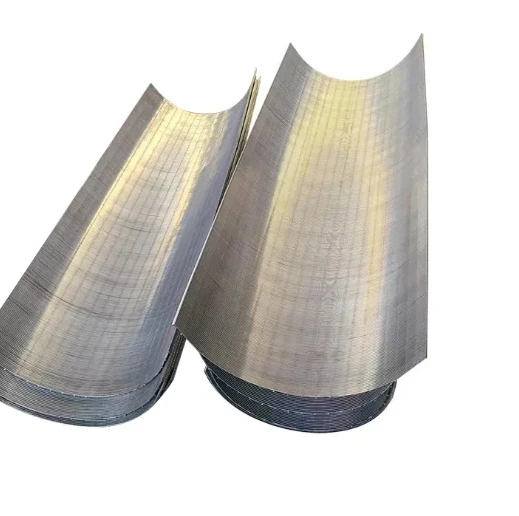
Wedge wire sieve bend panels are commonly used in mineral processing, water treatment, and industrial screening systems. These panels consist of V-shaped (wedge) wires wrapped around support rods, forming precise slots for efficient solid-liquid separation or particle sizing.
The sizes of sieve bend panels vary to meet different flow rates and screening requirements. Typical panel widths range from 300 mm to 1,500 mm, while lengths can vary from 600 mm up to 3,000 mm or more, depending on the application. Slot openings are highly customizable, usually between 0.1 mm and 5 mm, allowing precise control over particle separation. The panel thickness and wire diameter can also be tailored to handle different loads, pressures, and abrasion levels.
Wedge wire sieve bend panels are valued for their durability, corrosion resistance, high flow efficiency, and ease of maintenance. Their customizable sizes make them ideal for demanding industrial screening, dewatering, and filtration applications.


Hit enter to search or ESC to close