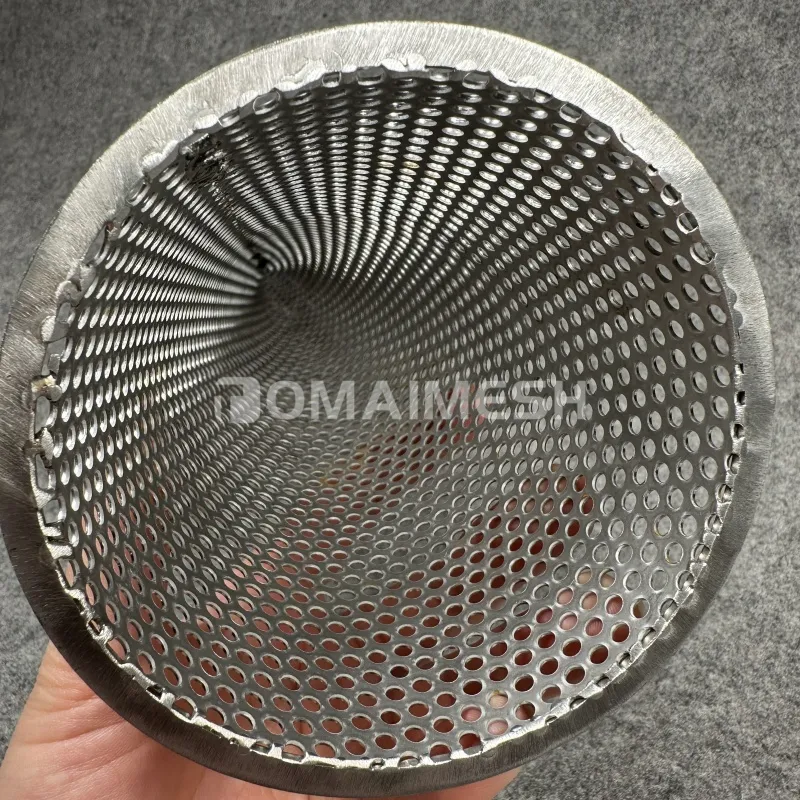
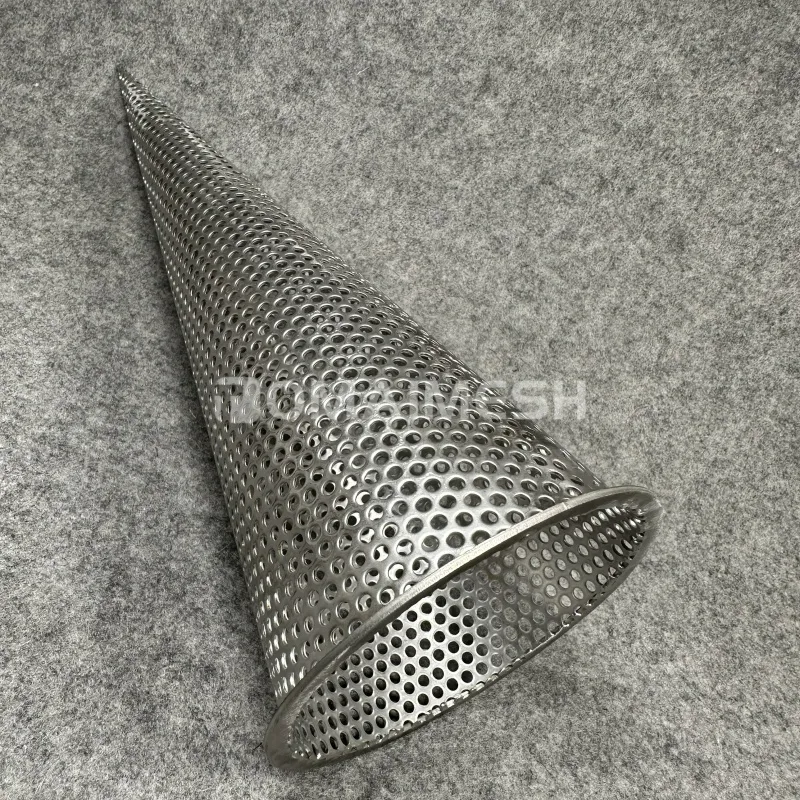
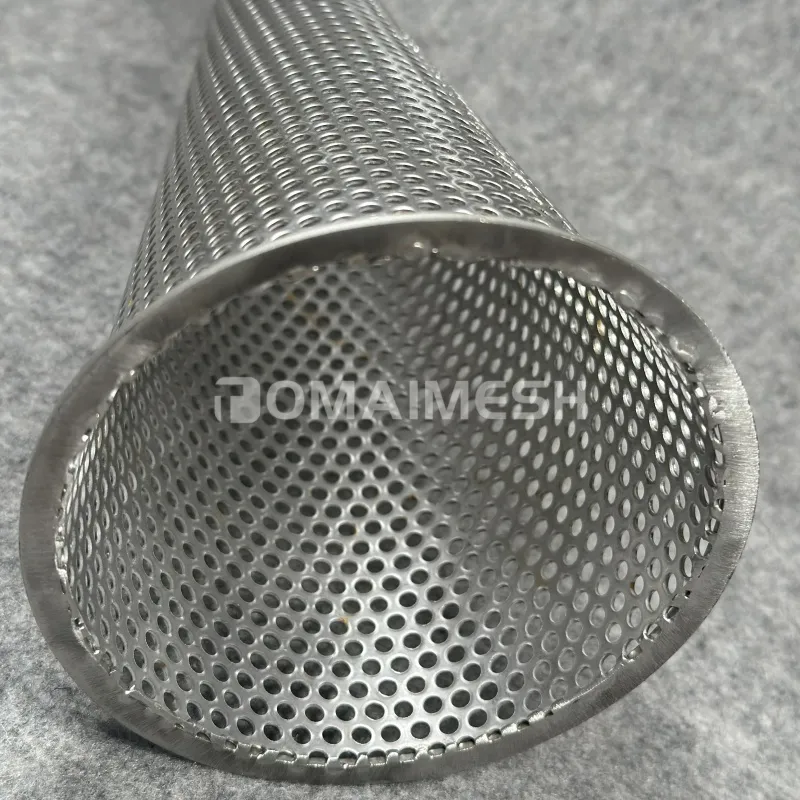
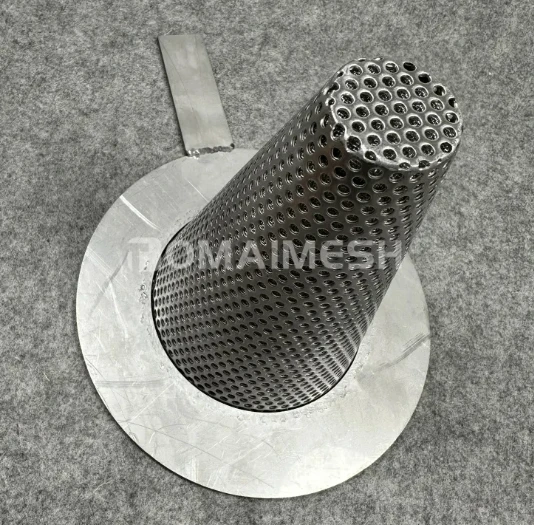
Stainless Steel Cone Filter

Material: 304/316L Stainless Steel | Duplex 2205 | Hastelloy C-276
Fabrication: Laser-Cut Conical Geometry | Hydroforming Technology
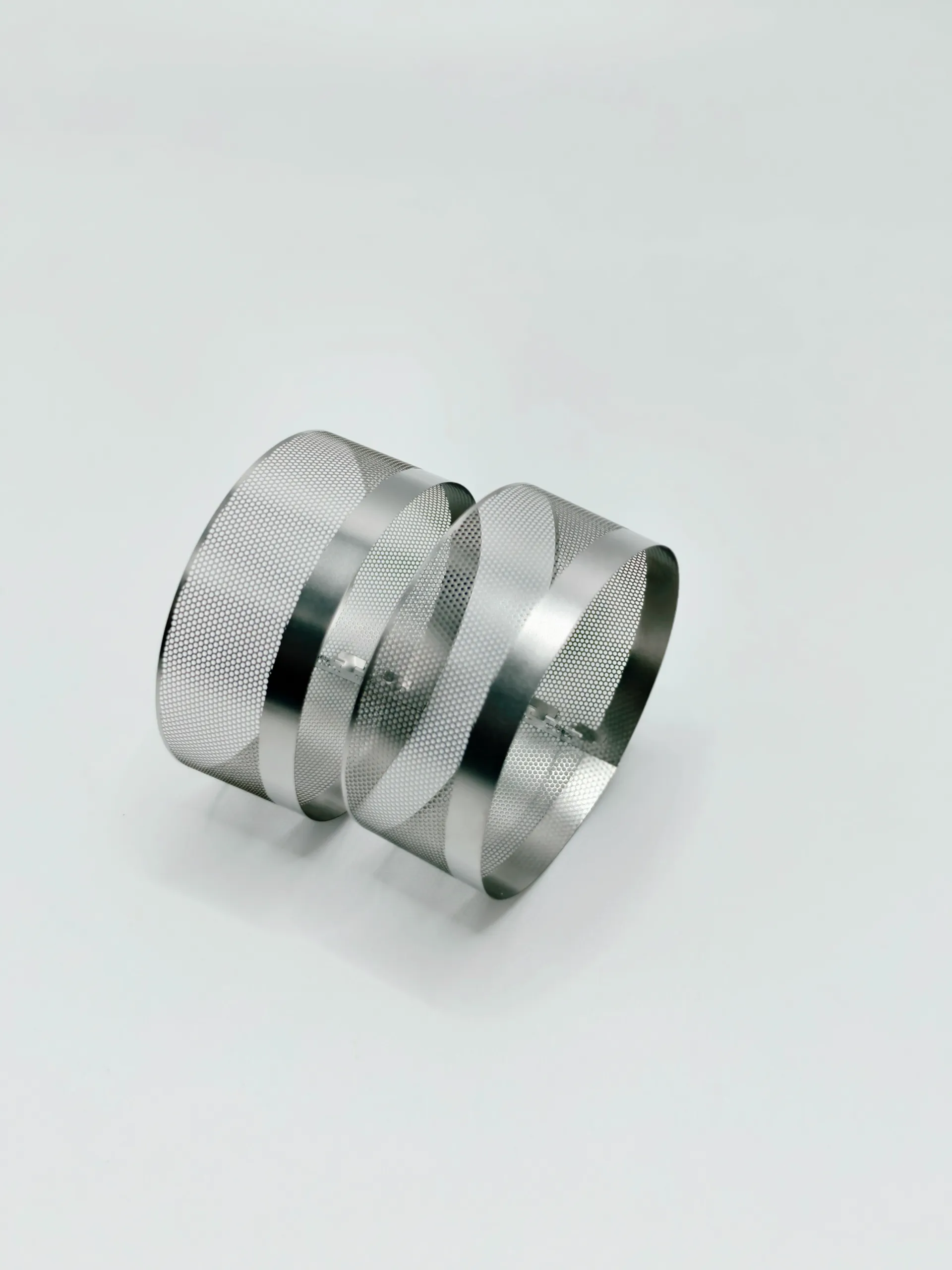
Pore Configuration: 0.8mm-15mm (±0.05mm, Radial/Spiral Hole Patterns)
Dimensions:  Wall Thickness 1.0mm-8.0mm
Surface Treatment: Electropolished | Passivation | FDA-Compliant Coating
Applications: High-Viscosity Fluid Filtration | Petrochemical Cyclone Separators

Stainless Steel Cone                                                  Filter Material Superiority
  • Advanced Alloys:
    • Grade 304/316L SS: Corrosion-resistant (PREN ≥27) for food-grade processing or chemical filtration in chloride-rich environments.
    • Duplex 2205/2507: Combines high strength (550 MPa yield) and pitting resistance (PREN ≥35) for offshore oil separators or acidic slurry systems.
    • Super Austenitic 904L: Resists sulfuric acid (tested to ASTM G48), ideal for pharmaceutical CIP systems or mineral leaching processes.
    • Hastelloy C-276 Cladding: For extreme conditions like HF alkylation units or chlorine dioxide scrubbers.
  • Custom Geometry:
    • Cone Angles: 30°–60° designs to optimize flow velocity and particulate retention (e.g., 15° for viscous fluids60° for gas-solid separation).
Read More About stainless steel pour over cone
Read More About stainless steel cone filter
Stainless Steel Cone                                                Filter Engineered Performance
  • Optimized Flow Dynamics:
    • Tapered Design: Reduces turbulence and pressure drop by 20–40% compared to cylindrical filters.
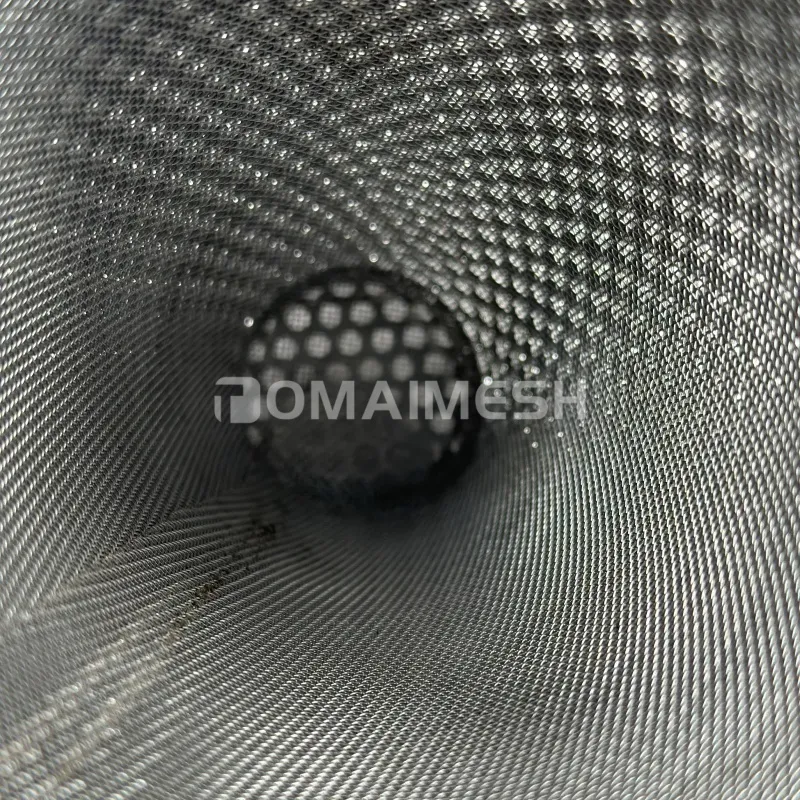
    • Multi-Layer Construction: Combines coarse outer mesh (1–5 mm pores) with fine inner layers (50–200 µm) for multi-stage filtration.
  • Surface Treatments:
    • Electropolishing: Achieves Ra ≤0.2 µm for biofilm prevention in biopharmaceutical reactors or dairy homogenizers.
    • PTFE Coating: Enhances chemical resistance and ease of cleaning in paint spray booths or solvent recovery systems.
  • Structural Reinforcements:
    • Ribbed Supports: Laser-welded ribs (2–10 mm thickness) to withstand 150+ bar in hydraulic power units.
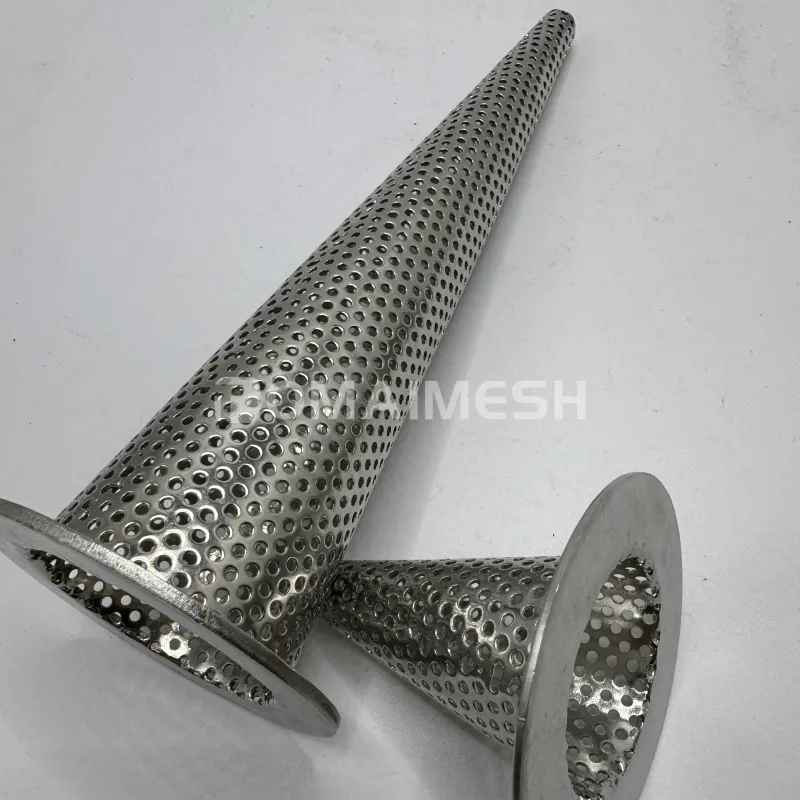
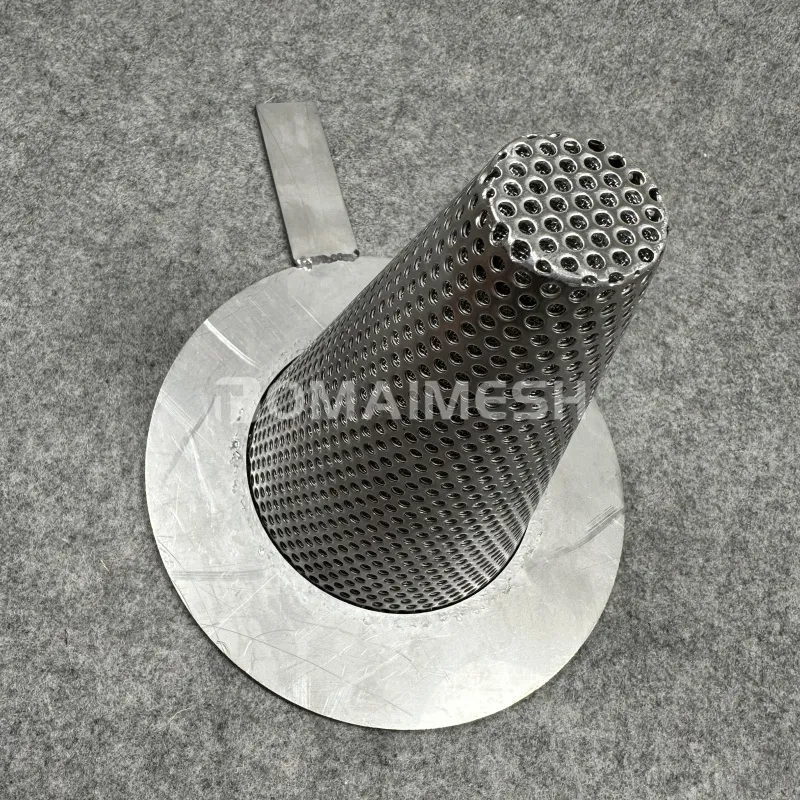
    • Flanged Bases: ASME B16.5-compliant flanges for secure mounting in pipeline strainers or reactor feed systems.
  •  
Stainless Steel Cone Filter
Precision Manufacturing
  • Fabrication Techniques:
    • Hydroforming: Seamless cones with ±0.5 mm dimensional accuracy for aerospace fuel systems or cryogenic LNG filters.
    • Spinning/Flow Forming: Creates uniform wall thickness (1–15 mm) for high-pressure steam traps or desalination brine screens.
  • Quality Validation:
    • Leak Testing: Helium leak detection (sensitivity 1×10⁻⁹ mbar·L/s) for ultra-high-purity gas systems.
  • Customization Options:
    • Perforated vs. Mesh: Laser-cut slots (0.3–10 mm) or woven wire mesh (50–500 µm) for tailored filtration.
Read More About stainless steel cone filter
Stainless Steel Cone Filter: Industry-Specific Applications
  • Oil & Gas:
    • Desander Cones: Duplex 2205 filters with 2 mm slots, handling 50,000 bpd in offshore production.
    • Scrubber Vortex Breakers: 316L cones to prevent foam carryover in amine gas treating units.
  • Chemicals:
    • Catalyst Retention: Hastelloy C-276 cones with 100 µm mesh for fluidized bed reactors.
    • Acid Mist Elimination: PTFE-coated 904L cones in sulfuric acid plant vent systems.
  • Food & Beverage:
    • Yeast Separation: Electropolished 304 cones with 0.5 mm pores in brewery fermenters.
    • Edible Oil Filtration: 316SS cones for degumming and bleaching processes (3-A Sanitary Certified).
  • Energy:
    • Geothermal Cyclones: Super austenitic cones resisting 300°C brine with silica abrasion.
    • Hydrogen Compression: 316L cones with 0.3 mm mesh for ISO 8573-1 Class 0 compliance.
  • Water Treatment:
    • Backwash Screens: Perforated 316SS cones (3 mm holes) in municipal filtration plants.
    • MBR Systems: Anti-clogging cones with 50–100 µm slots for wastewater membrane protection.
What Is The Difference Between A Cone Filter And A Basket Filter

What Is The Difference Between A Cone Filter And A Basket Filter

What Is The Difference Between A Cone Filter And A Basket Filter

A cone filter and a basket filter are both types of industrial strainer filters, but they differ in shape, application, and capacity. A cone filter, also called a temporary or conical strainer, is shaped like a cone and is usually installed for short-term use, such as during system start-up or testing. Its pointed design helps direct flow and capture larger debris without causing too much pressure drop. Cone filters are lightweight, easy to install, and cost-effective, but they have limited dirt-holding capacity.

In contrast, a basket filter is shaped like a cylindrical basket and is designed for long-term, heavy-duty filtration. It has a larger surface area and higher capacity for holding particles, making it suitable for continuous operations in pipelines. Basket filters are often used in water treatment, oil, and chemical industries where reliability and efficiency are critical. Unlike cone filters, basket filters are more durable, can be cleaned and reused, and support finer filtration.
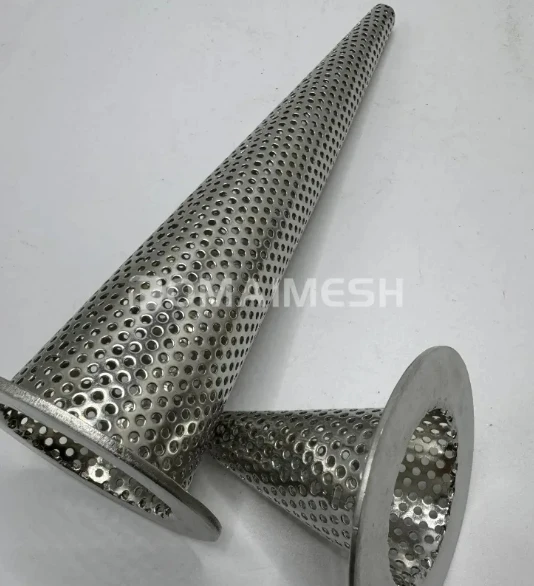
What Is A Stainless Steel Cone Filter

What Is A Stainless Steel Cone Filter

What Is A Stainless Steel Cone Filter

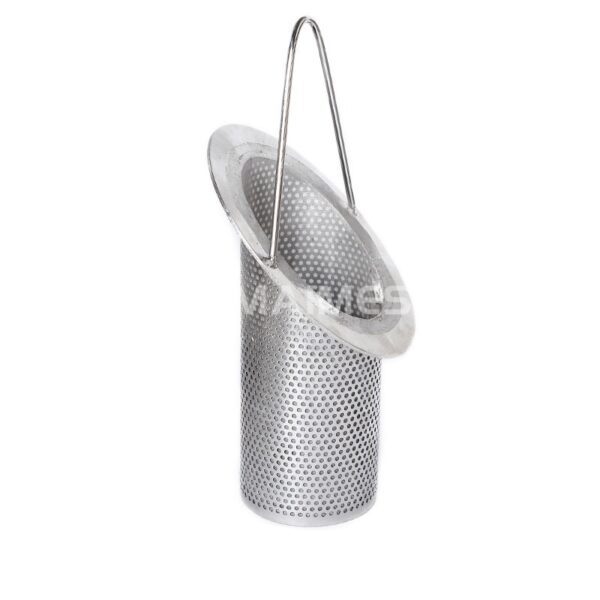
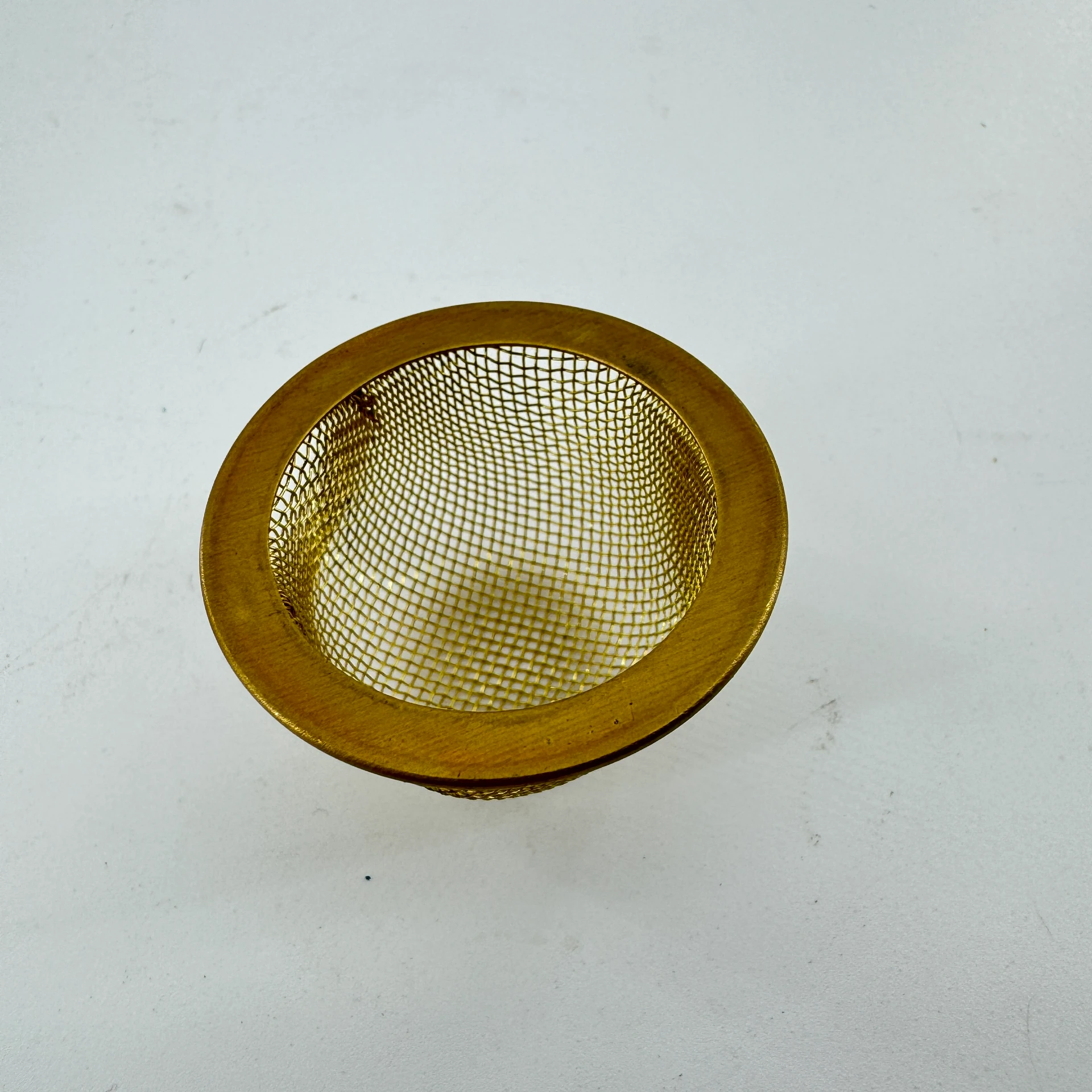
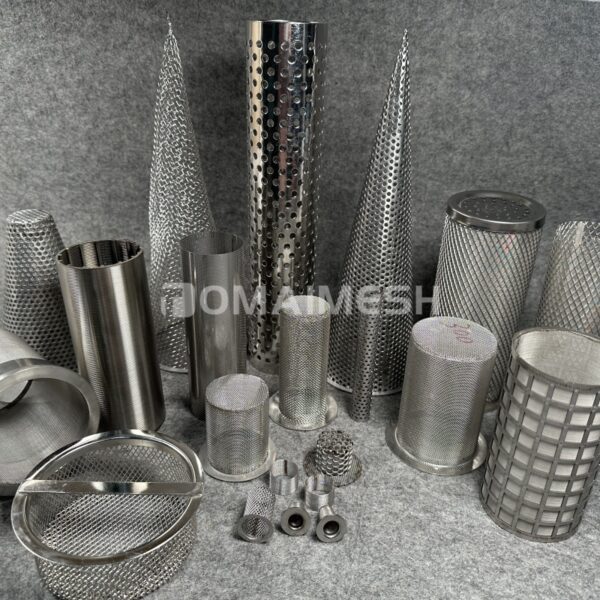
A stainless steel cone filter is a conical-shaped filtration device made from durable stainless steel mesh or perforated sheet. Its cone design allows fluid or gas to pass through while capturing unwanted particles, debris, or impurities. The tapered shape provides a larger filtration surface area compared to flat screens, which helps reduce pressure drop and improve flow efficiency.

Stainless steel cone filters are widely used as temporary strainers during system start-up, pipeline cleaning, or equipment protection. They are strong, resistant to corrosion, and suitable for high-temperature or high-pressure environments. Common applications include oil and gas, chemical processing, water treatment, and food industries. Depending on requirements, the mesh size or perforation can be customized to achieve coarse or fine filtration.

One of the key advantages is that stainless steel cone filters are reusable and easy to clean, offering cost savings over disposable filters. In short, they provide a reliable, durable, and efficient solution for separating solids from liquids or gases in demanding industrial operations.

If you are interested in our products, you can choose to leave your information here, and we will be in touch with you shortly.