What Is The Difference Between A Basket Filter And A Basket Strainer
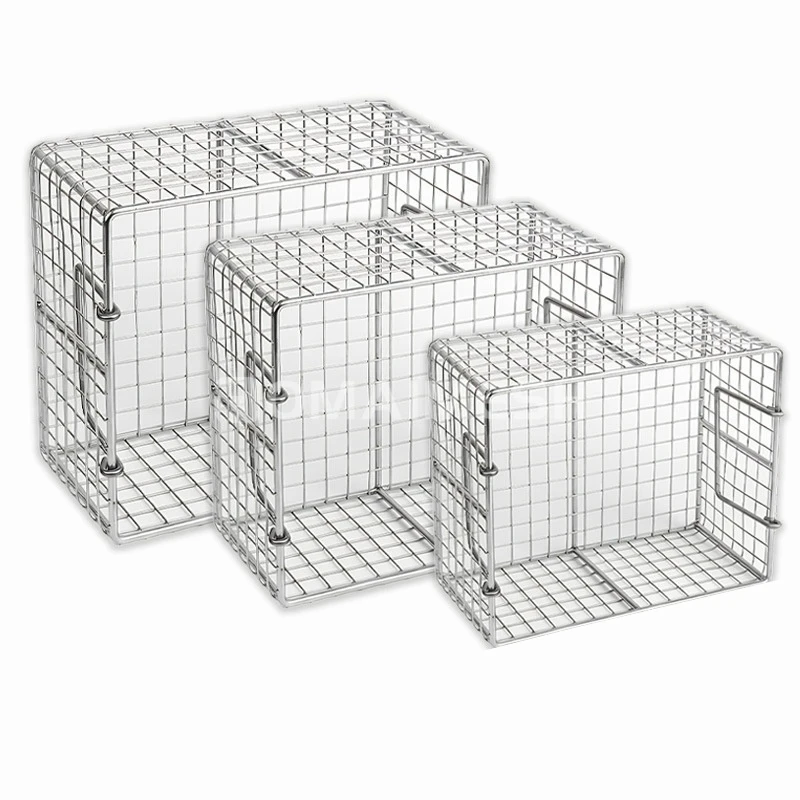
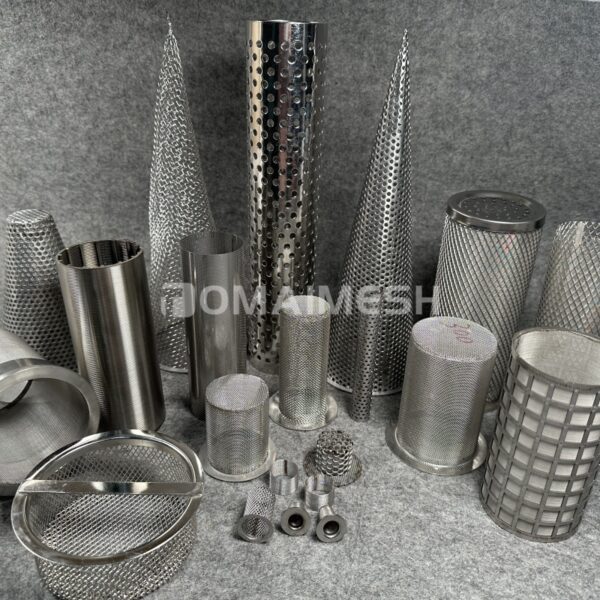
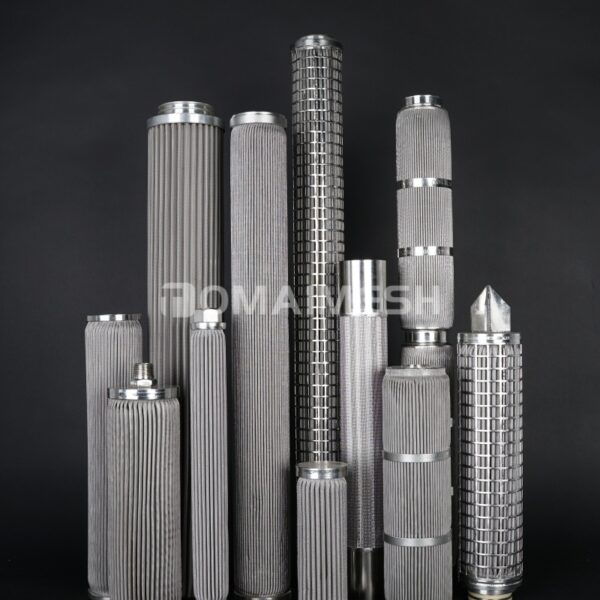
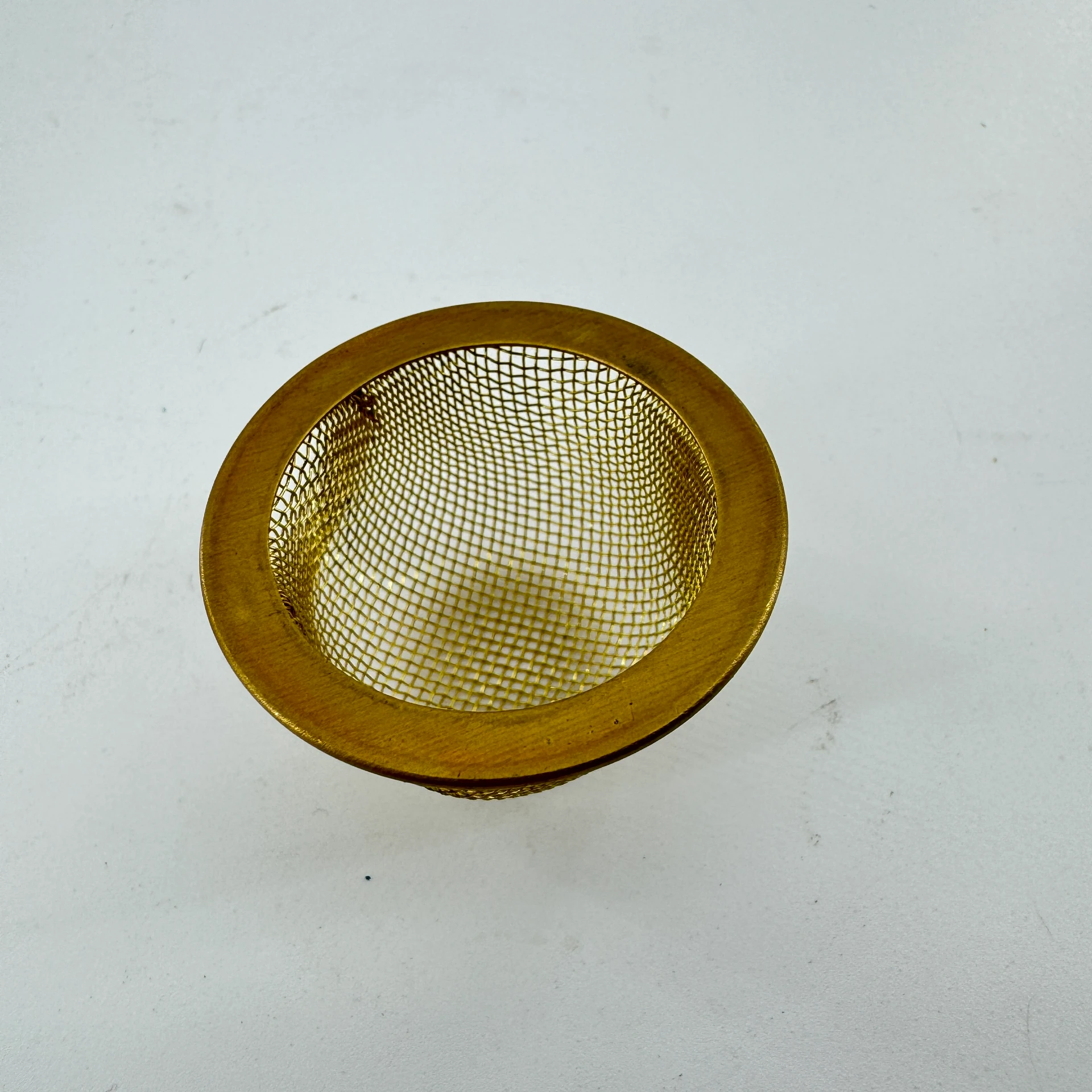
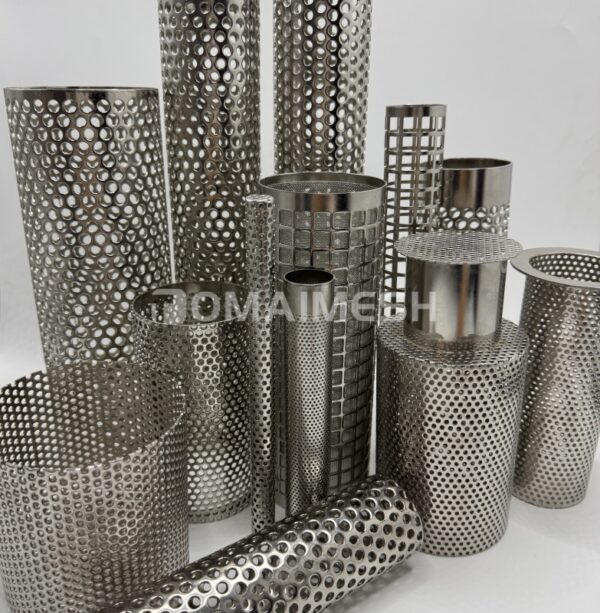
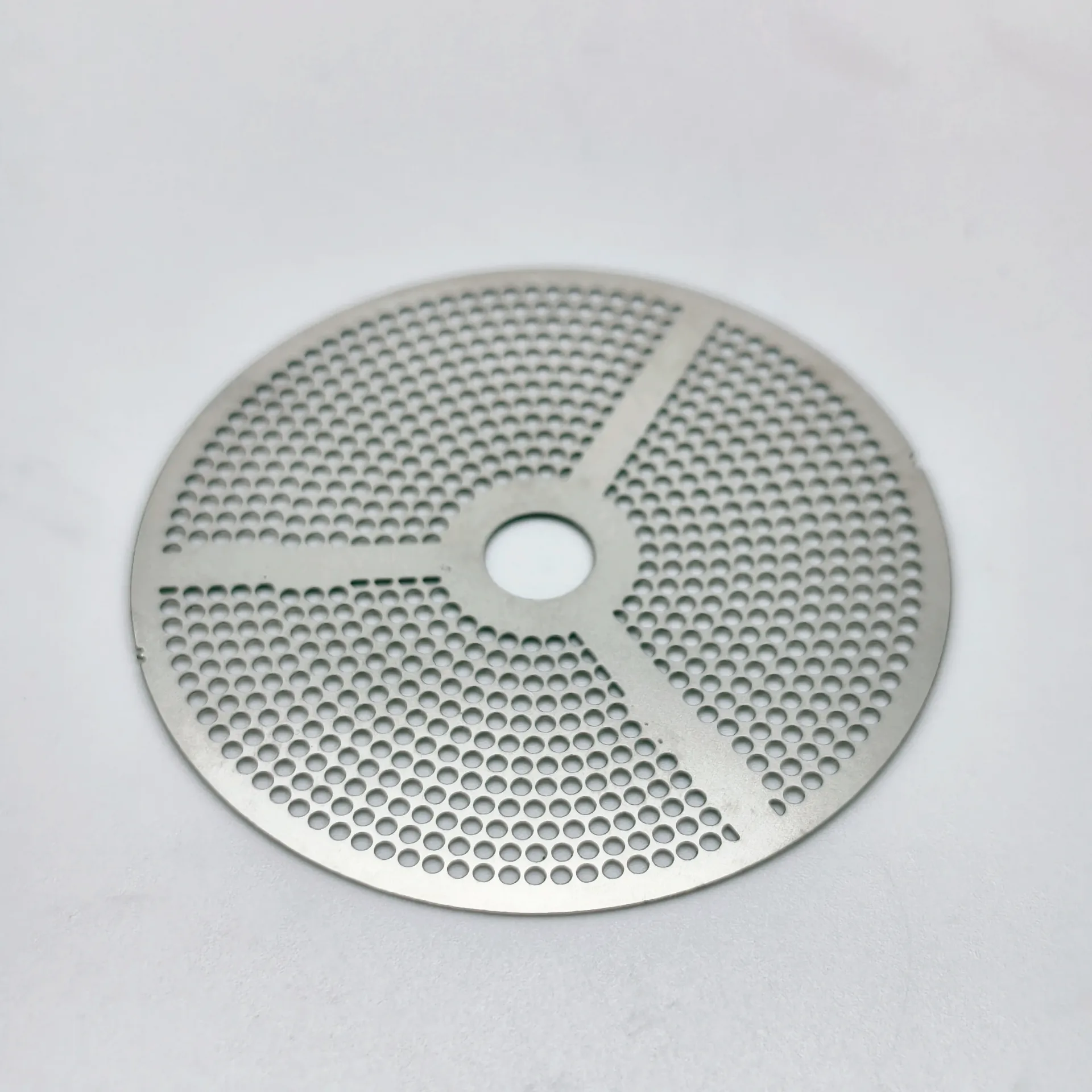
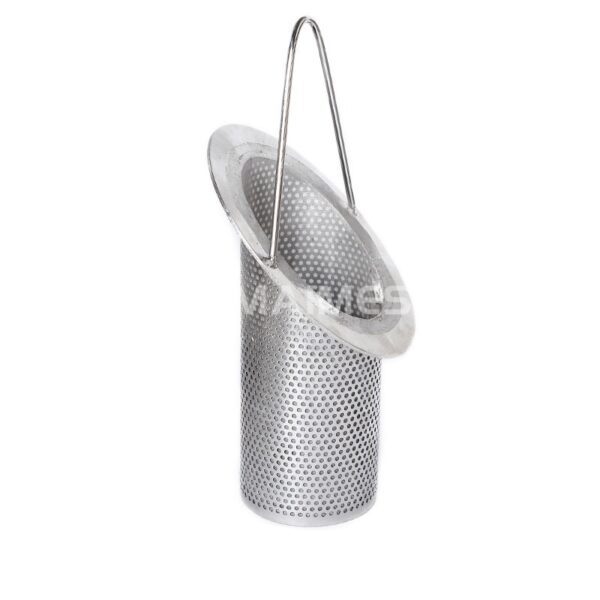
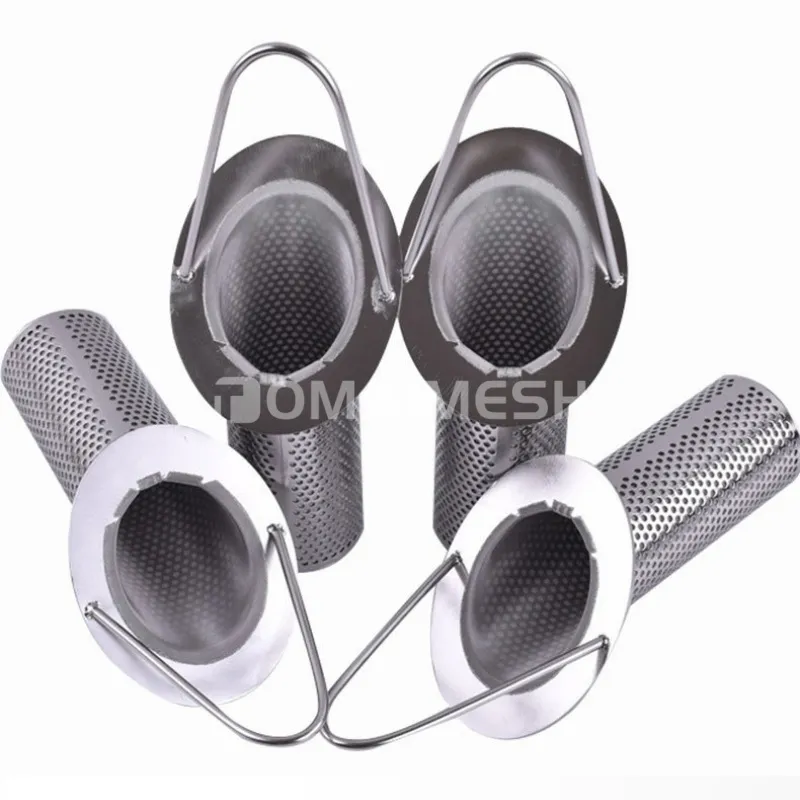
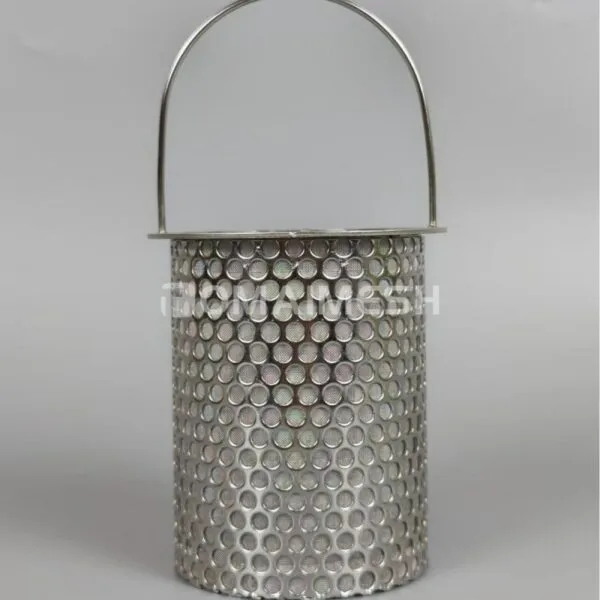
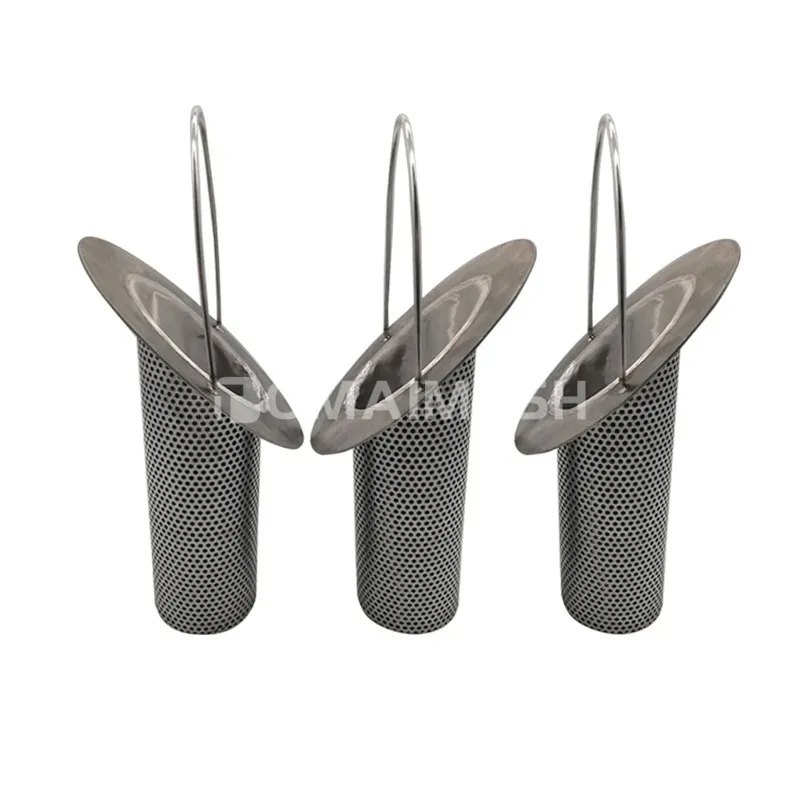
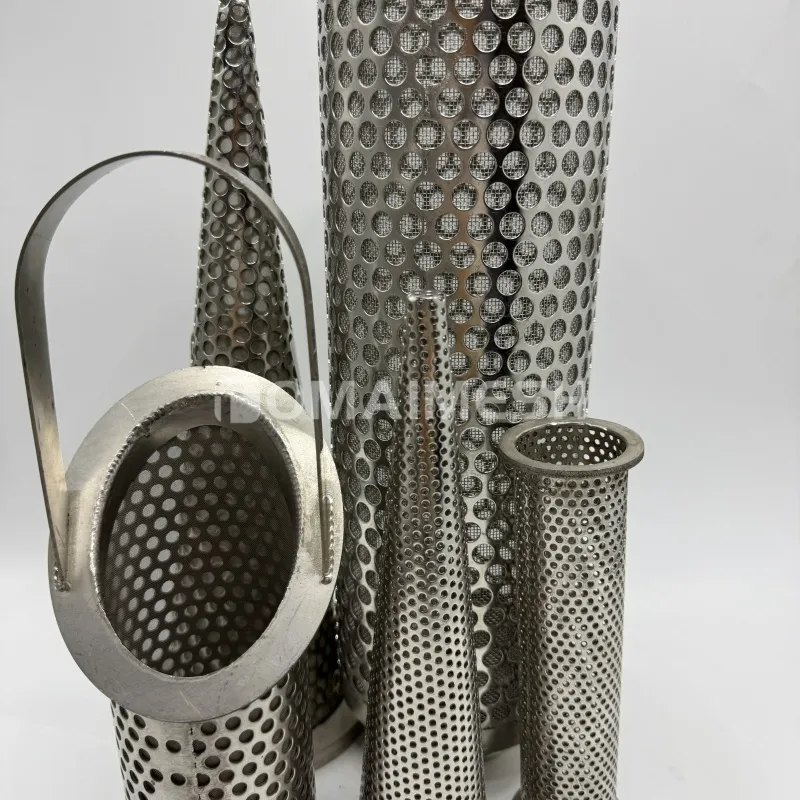
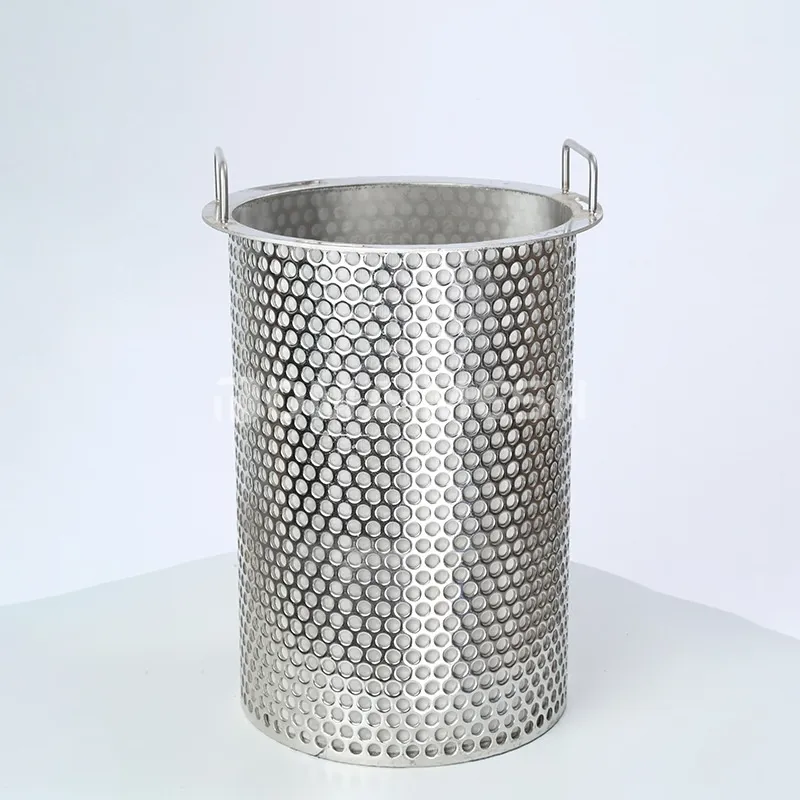
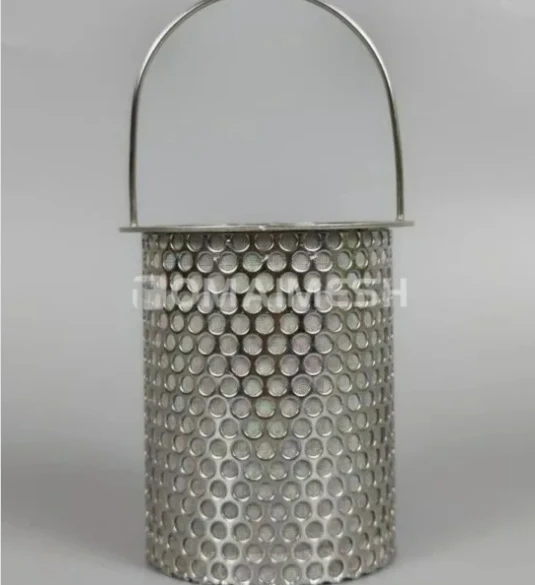
A basket filter and a basket strainer are often confused, but they serve slightly different purposes in fluid systems. A basket strainer is primarily designed to remove larger solid particles, debris, or foreign materials from a liquid or gas flow to protect pumps, valves, and other equipment. It uses a perforated or mesh basket that captures unwanted matter while allowing clean fluid to pass through. Basket strainers are mainly for coarse filtration and equipment protection.
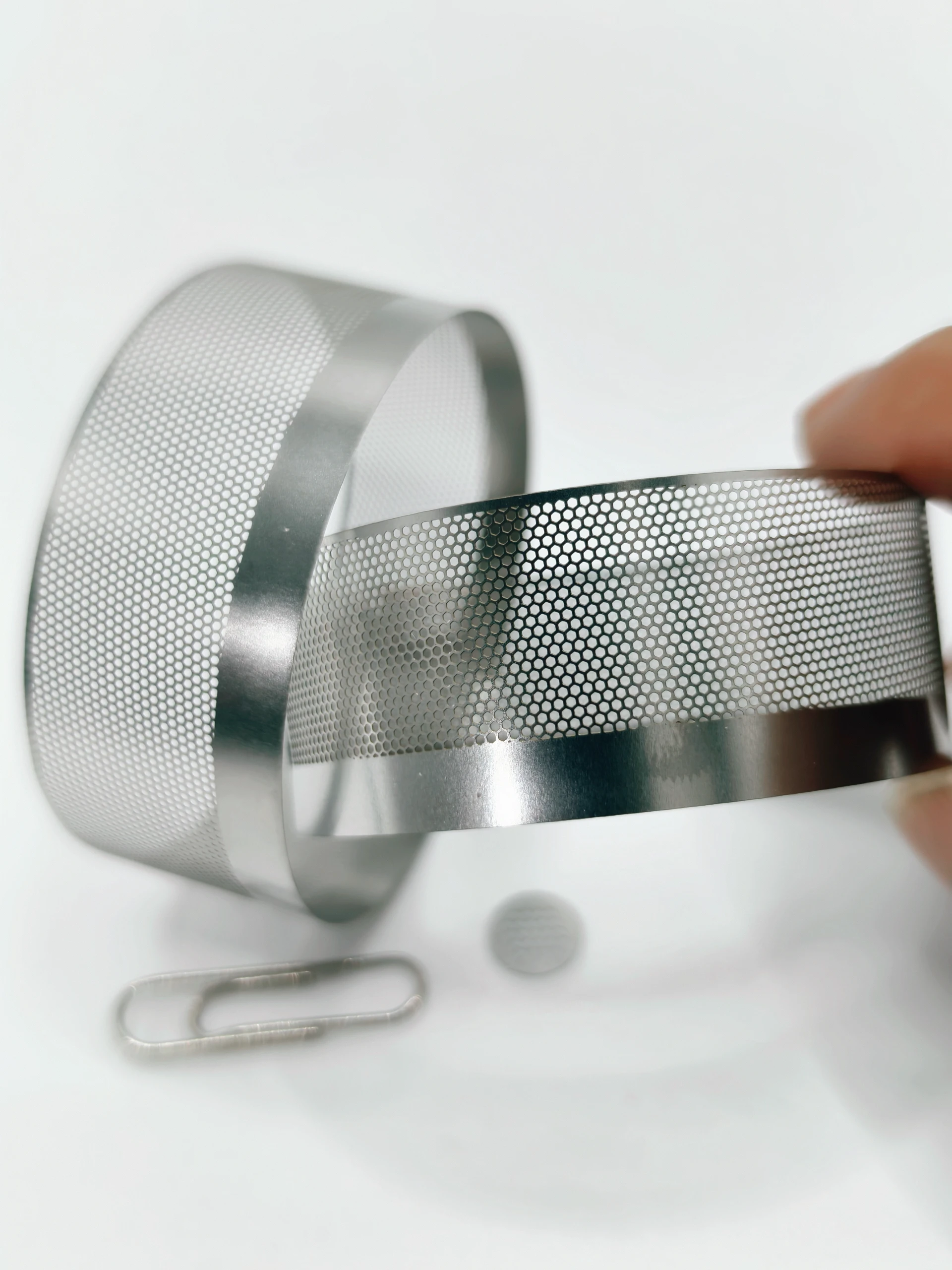
In contrast, a basket filter is designed for finer and more precise filtration. It not only removes larger particles but can also be equipped with finer mesh or filter media to achieve higher filtration efficiency. Basket filters are often used in applications requiring cleaner fluid, such as water treatment, chemical processing, or food and beverage production.
In short, a basket strainer is a preliminary filtration device focused on removing coarse debris, while a basket filter provides more refined filtration for higher purity and quality requirements in industrial processes.
What Is The Difference Between A Basket Strainer And A T Strainer
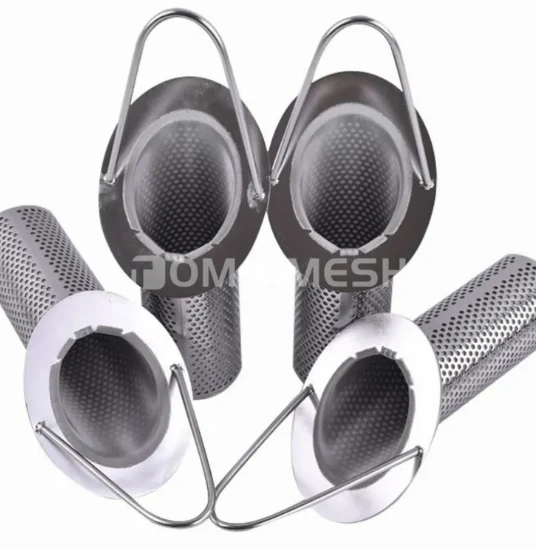
A basket strainer and a T strainer are both pipeline filtration devices, but they differ in design, capacity, and application. A basket strainer uses a large, cylindrical or rectangular basket element to capture debris and particles from liquid or gas flow. Its larger surface area provides higher dirt-holding capacity and lower pressure drop, making it suitable for continuous operations and high-flow systems such as water treatment, oil, and chemical pipelines. Basket strainers are usually installed in horizontal pipelines and are easy to remove and clean.
A T strainer, on the other hand, is compact and shaped like the letter “T.” It contains a smaller straining element and is typically used for temporary or low-flow applications. T strainers are often installed in pipelines where space is limited or during system start-up to prevent initial debris from damaging equipment. However, due to their smaller size, they hold less dirt and require more frequent maintenance.


Hit enter to search or ESC to close