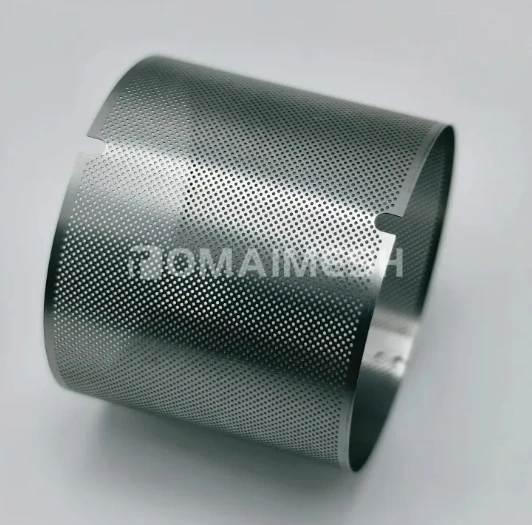
What Is A Metal Filter
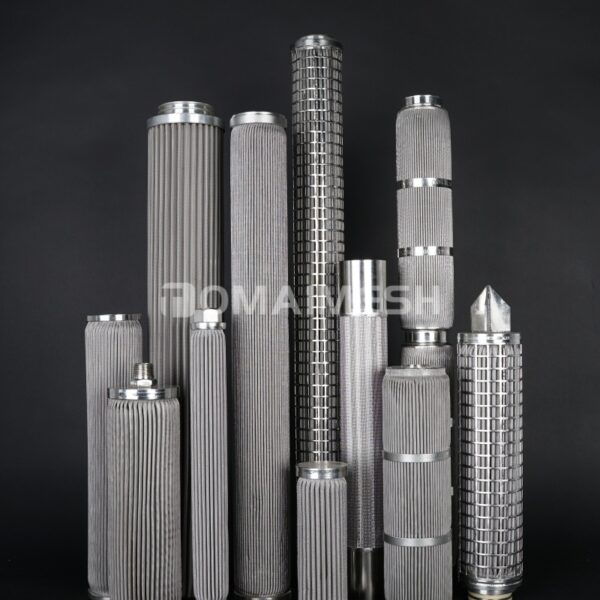
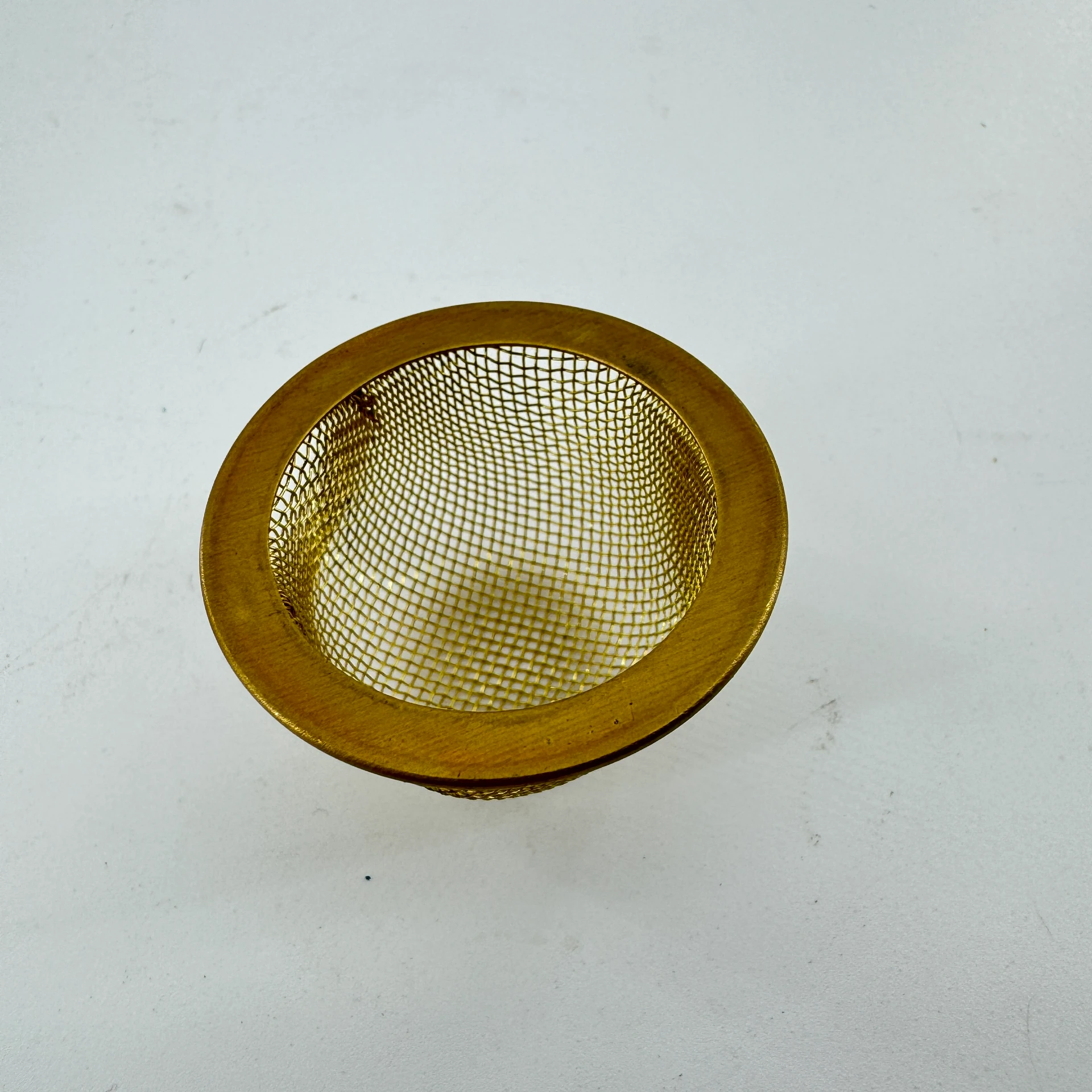
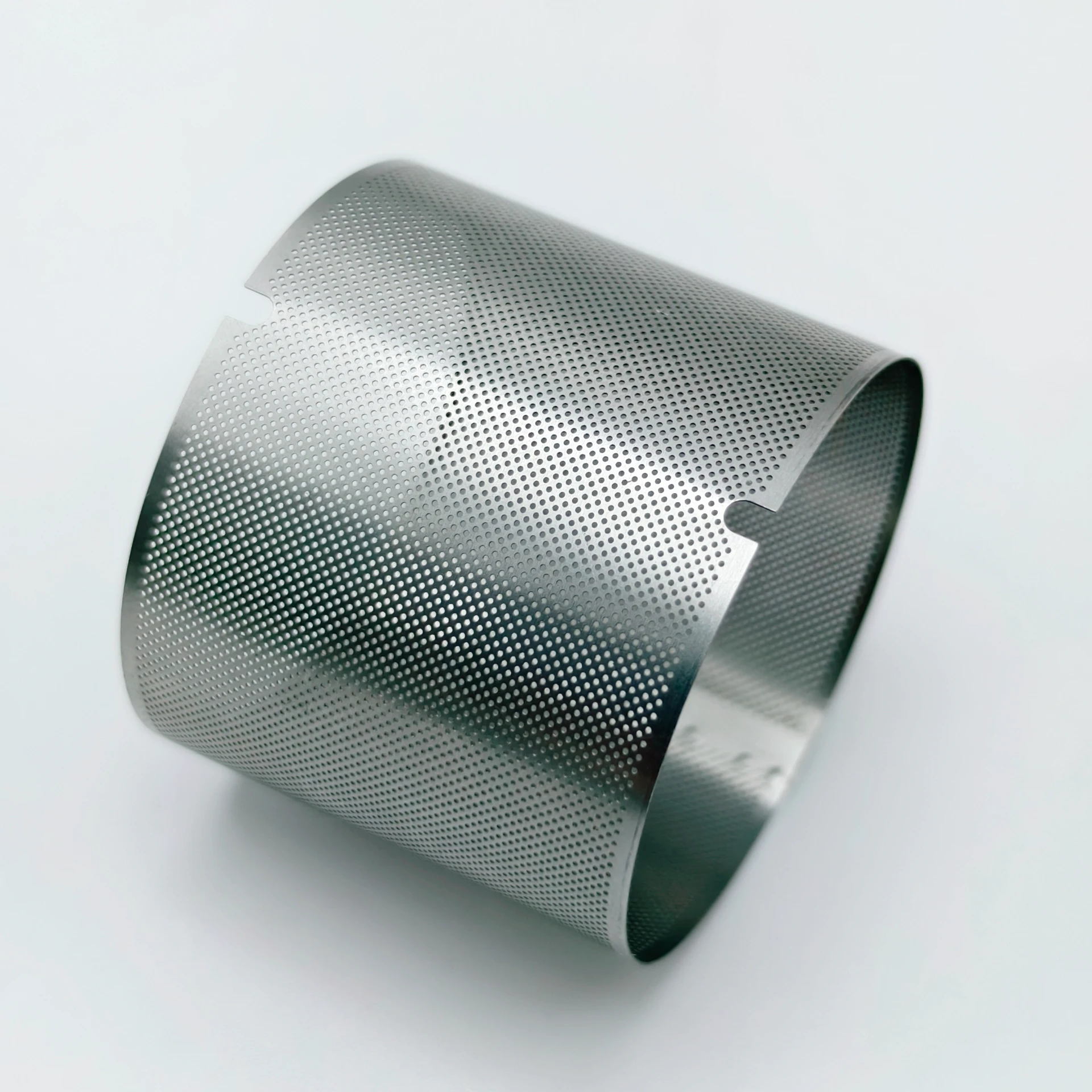
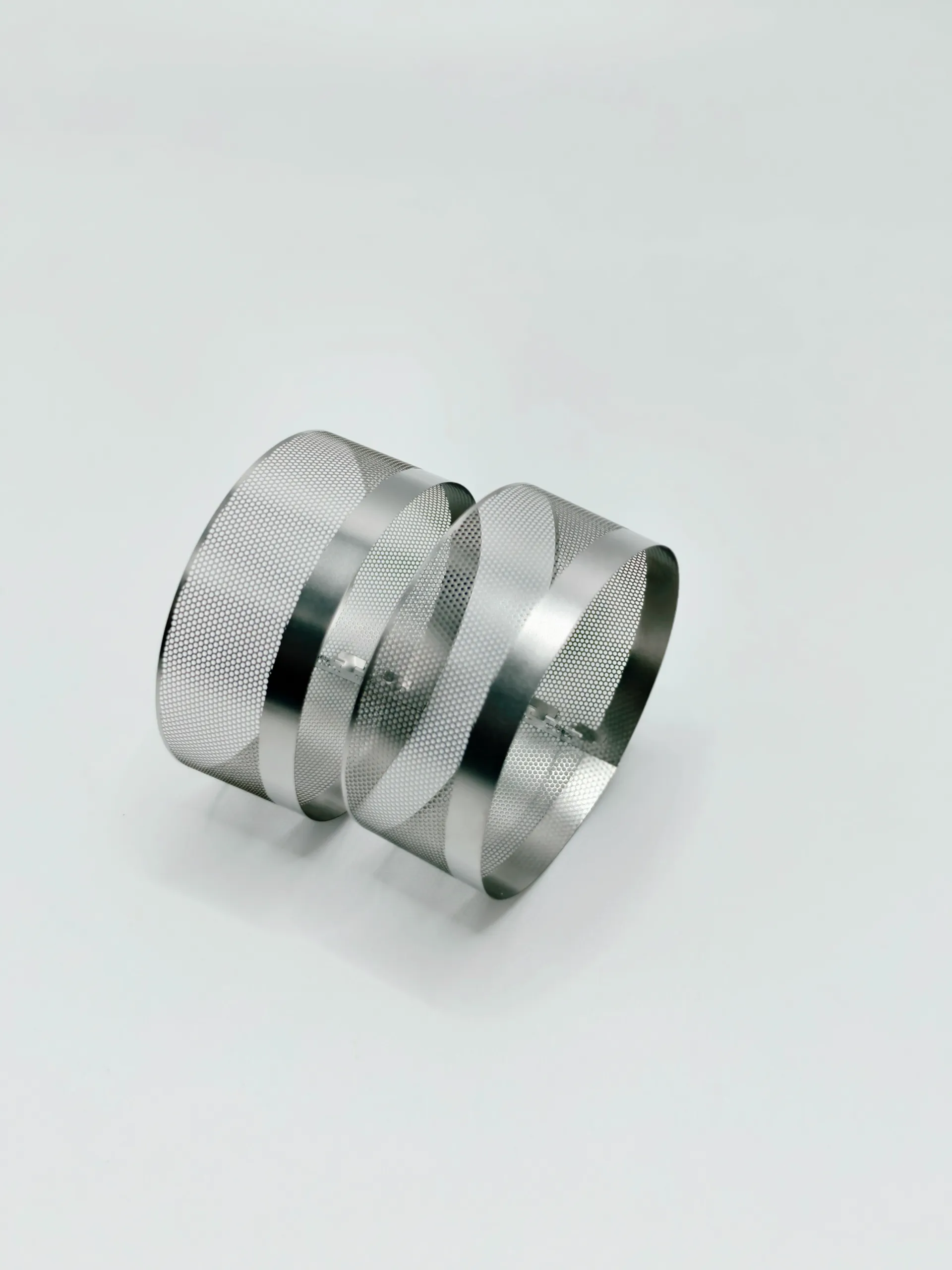
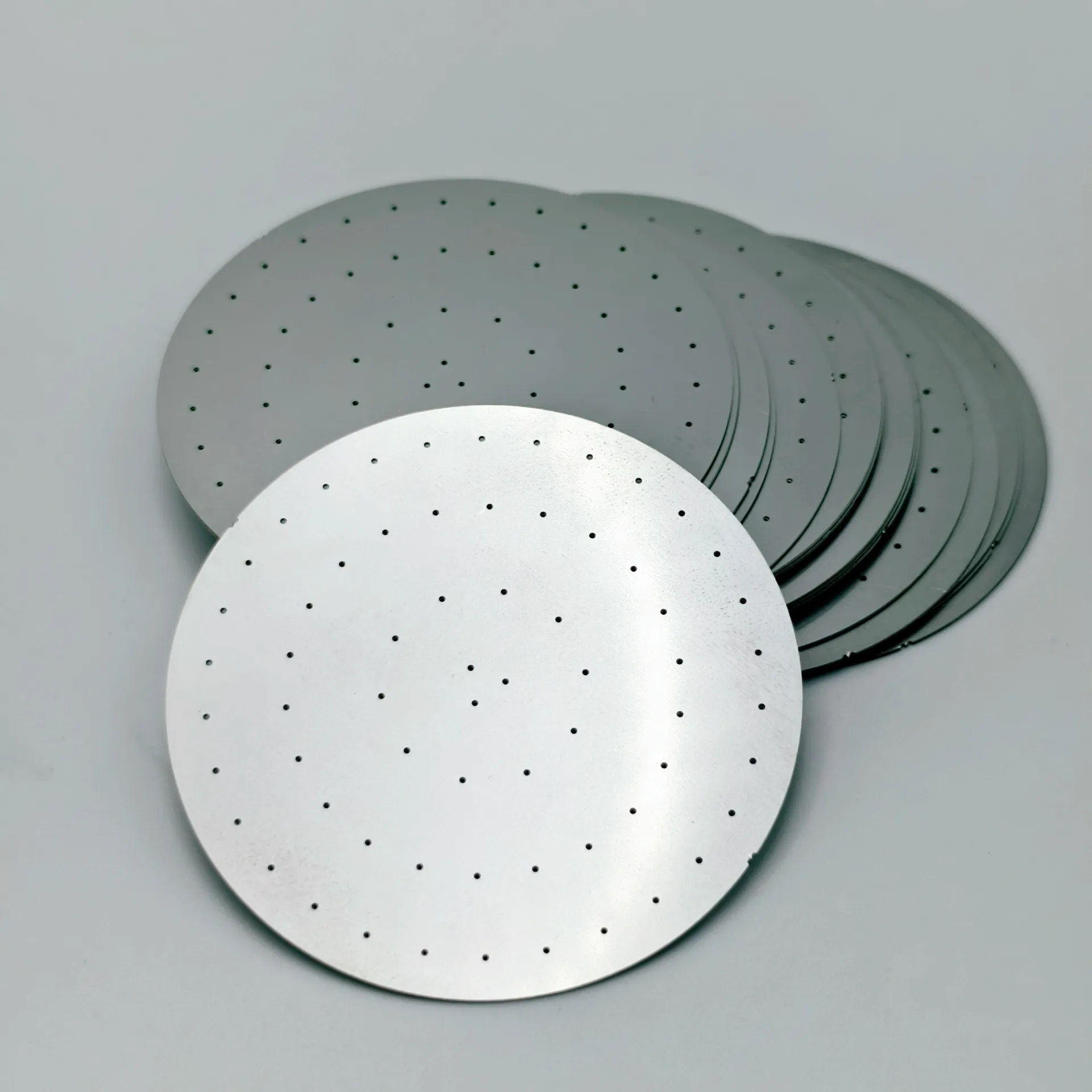
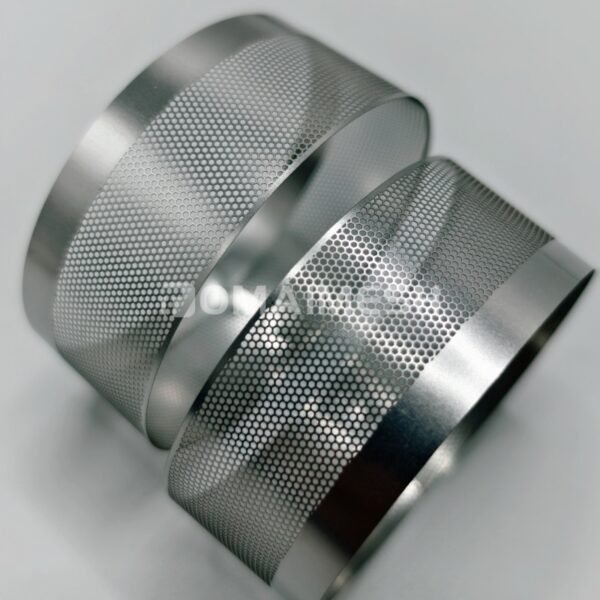
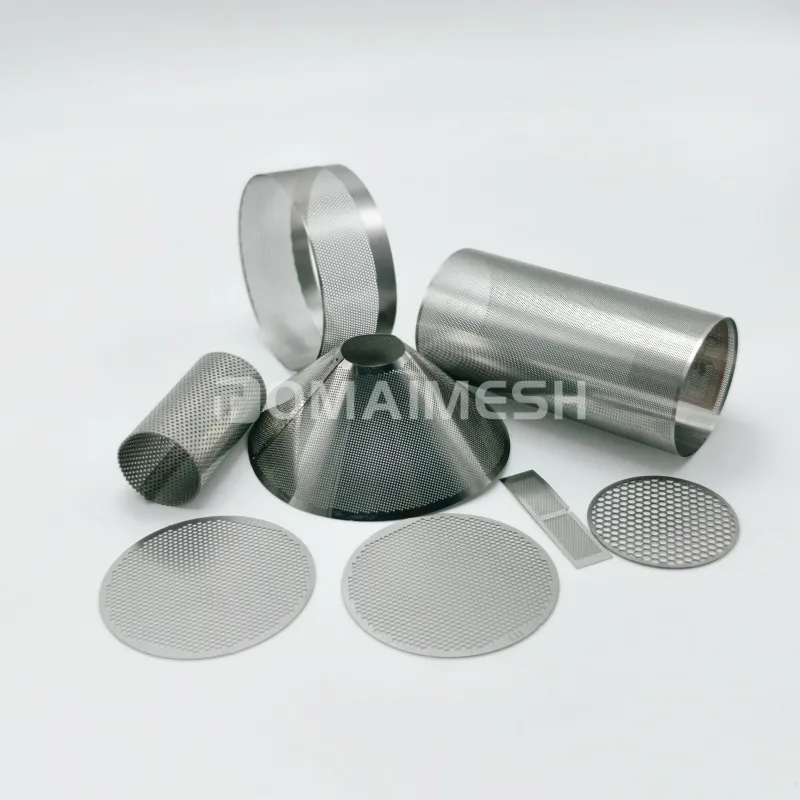
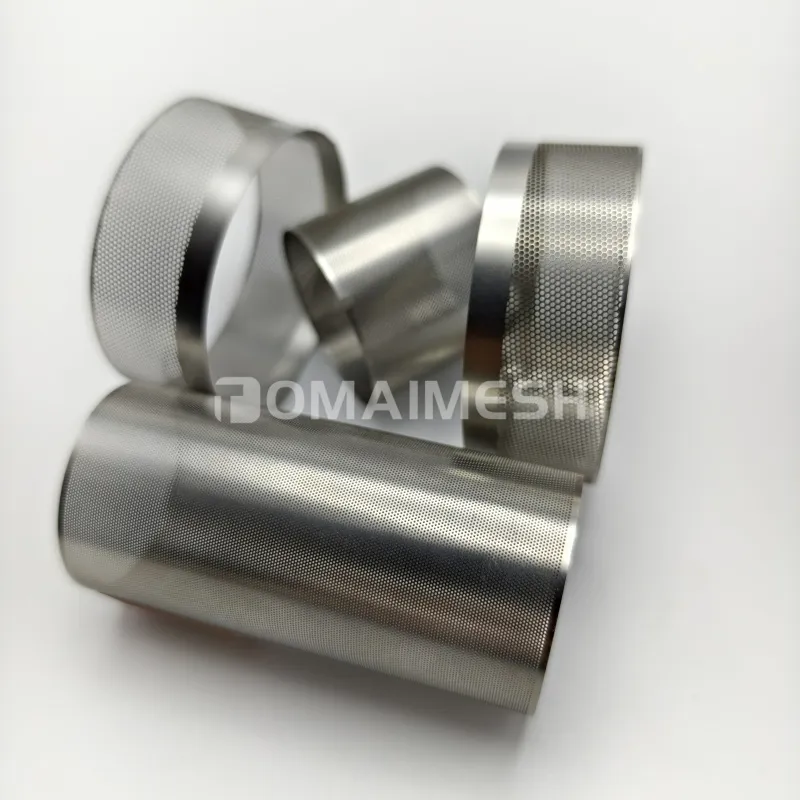
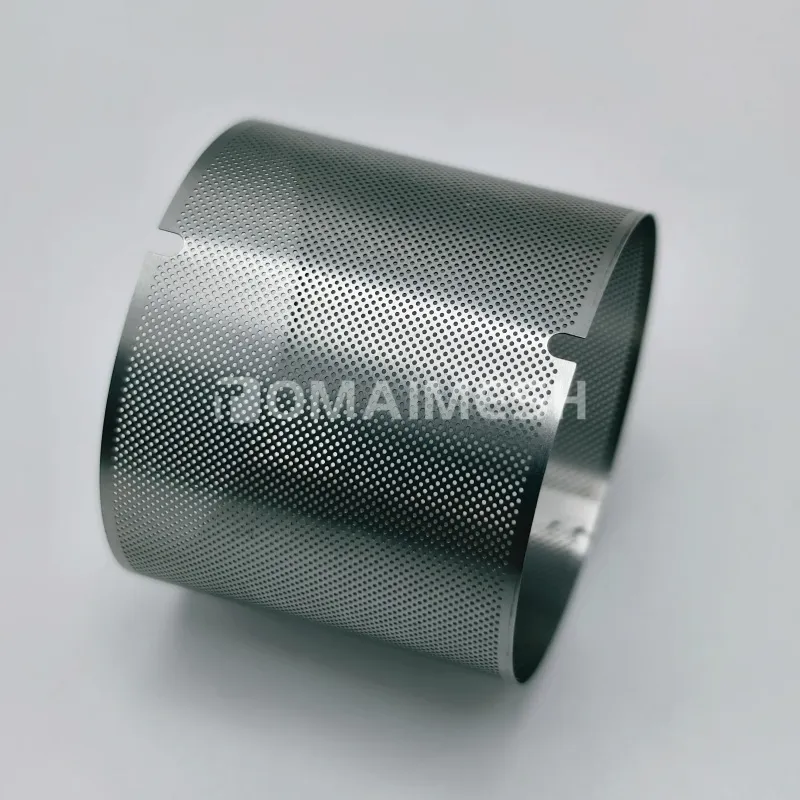
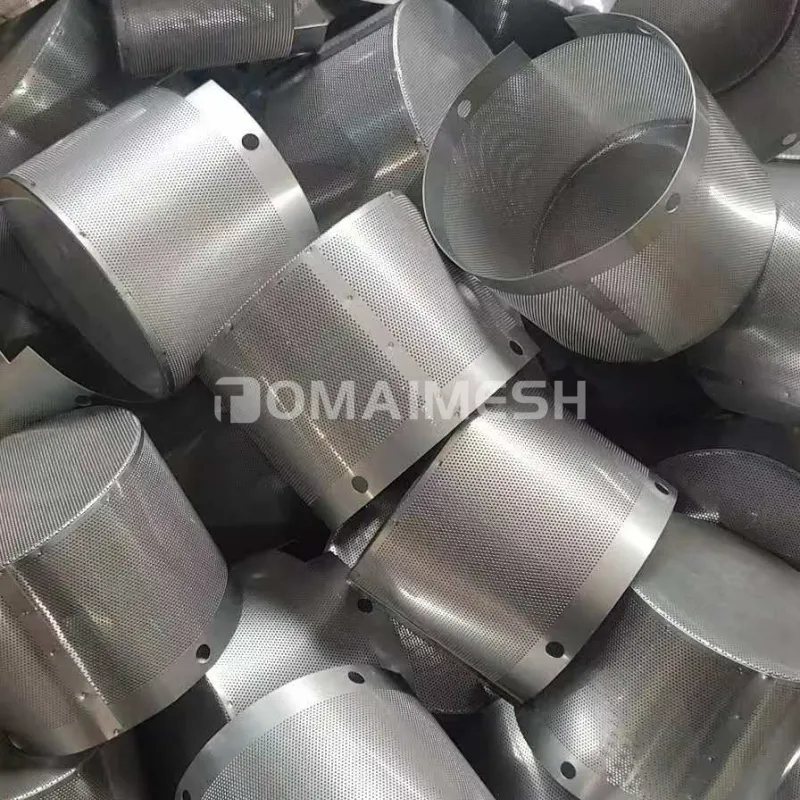
A metal filter is a durable and reusable filtration device made from metal materials such as stainless steel, copper, nickel, or titanium, designed to remove particles, contaminants, or debris from liquids, gases, or air. Unlike disposable filters, metal filters offer long-lasting performance, high strength, and resistance to corrosion, heat, and pressure, making them suitable for demanding industrial, commercial, and scientific applications.
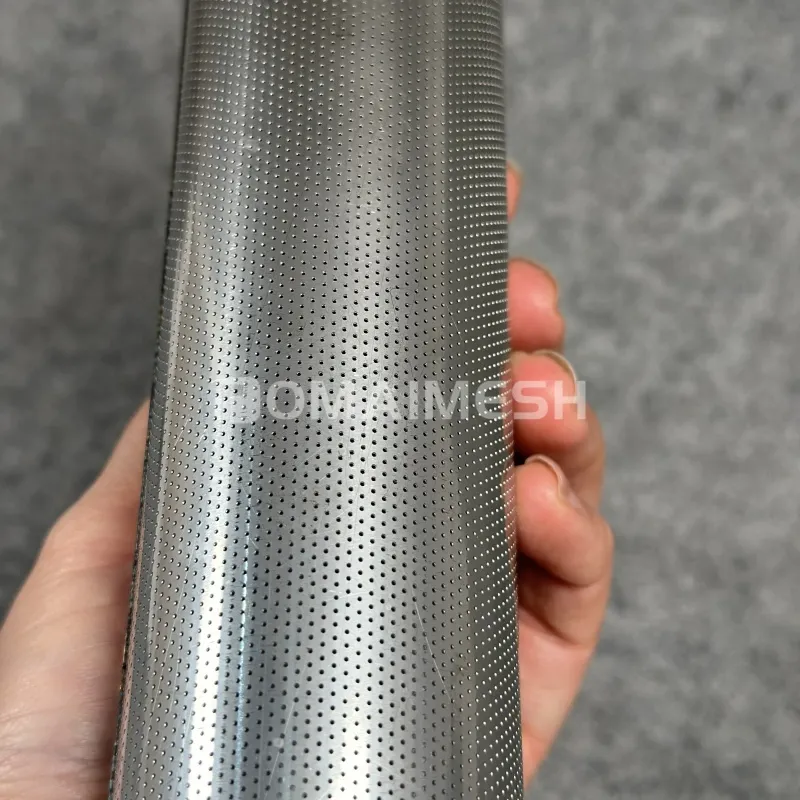
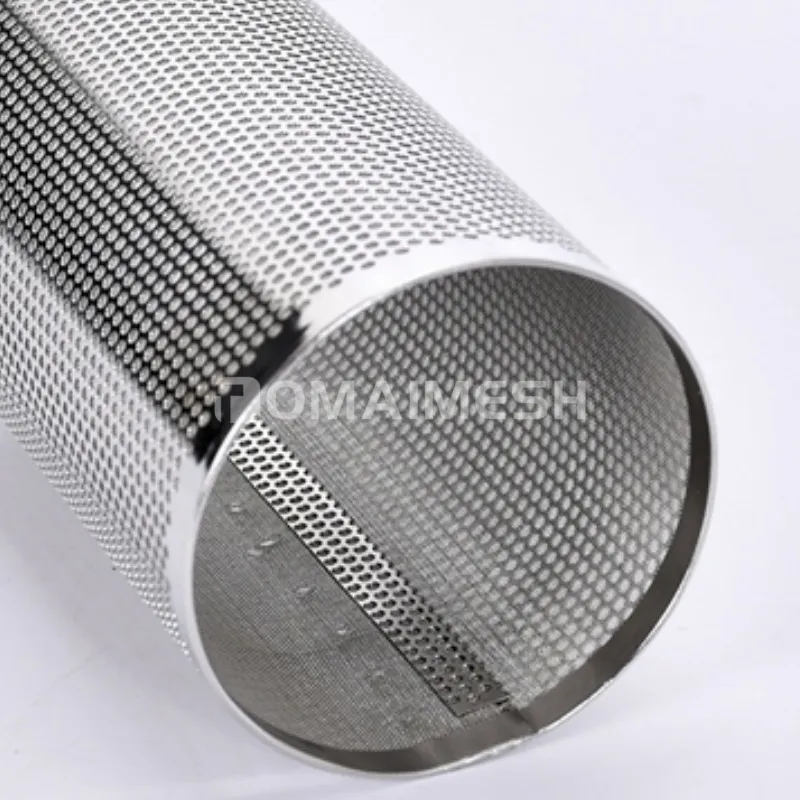
Metal filters are produced using methods such as perforation, woven wire mesh, or chemical etching, allowing for precise control of pore size, shape, and distribution. This ensures consistent filtration efficiency while maintaining optimal flow rates. Common applications include chemical processing, water treatment, food and beverage production, HVAC systems, pharmaceuticals, and automotive industries.
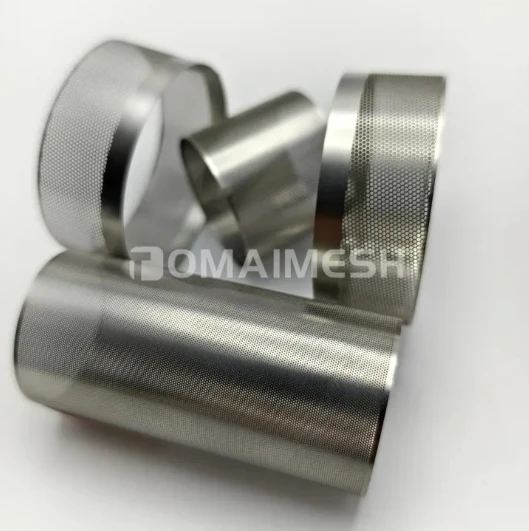
What Are The Four Types Of Metal Filter
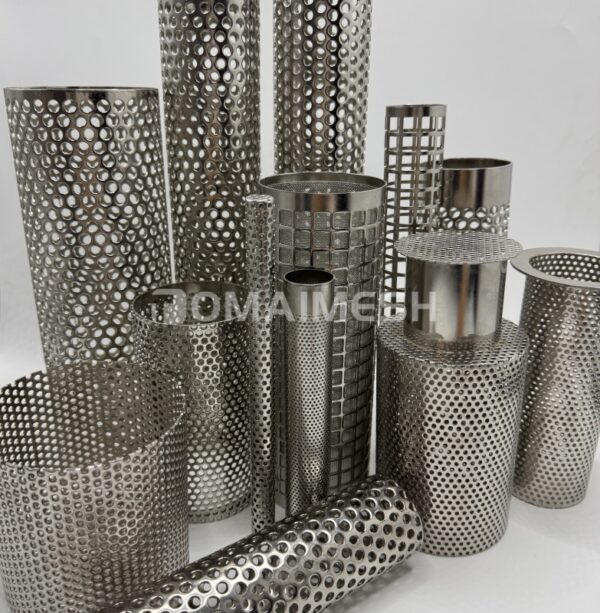
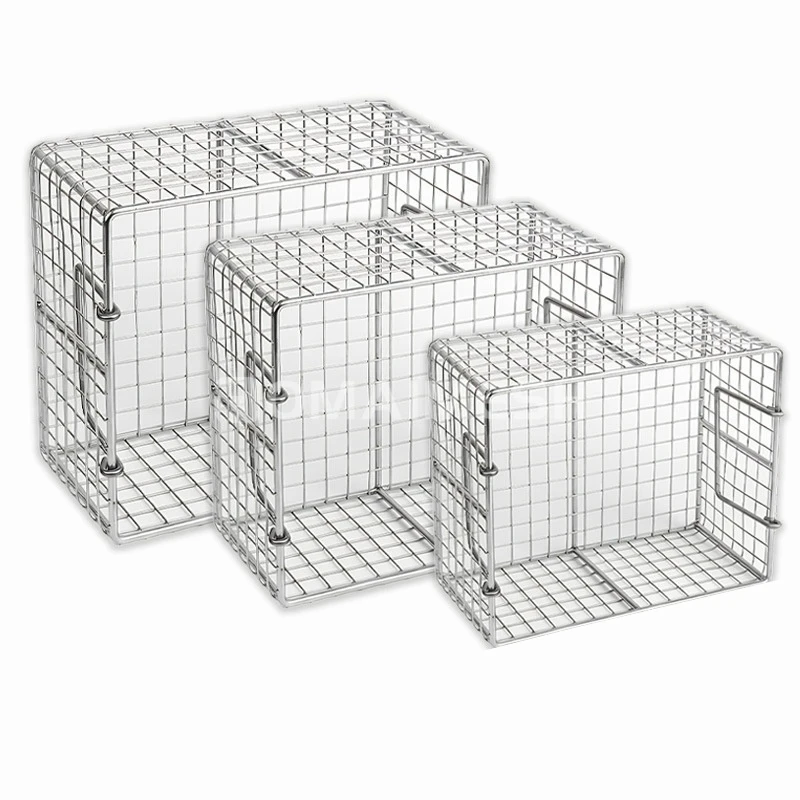
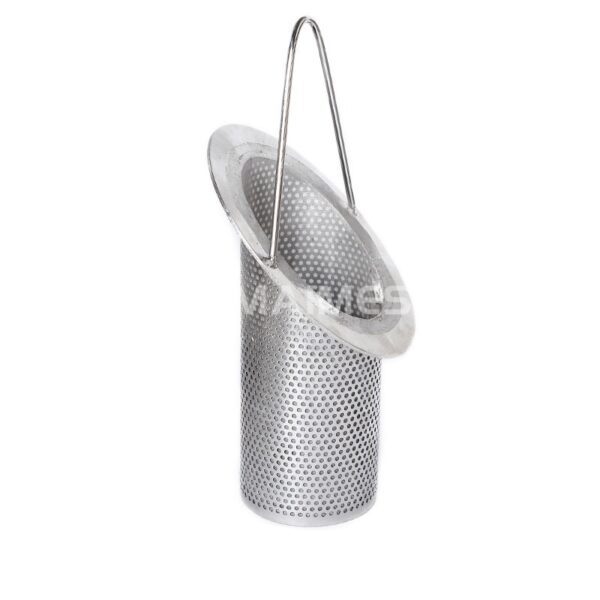
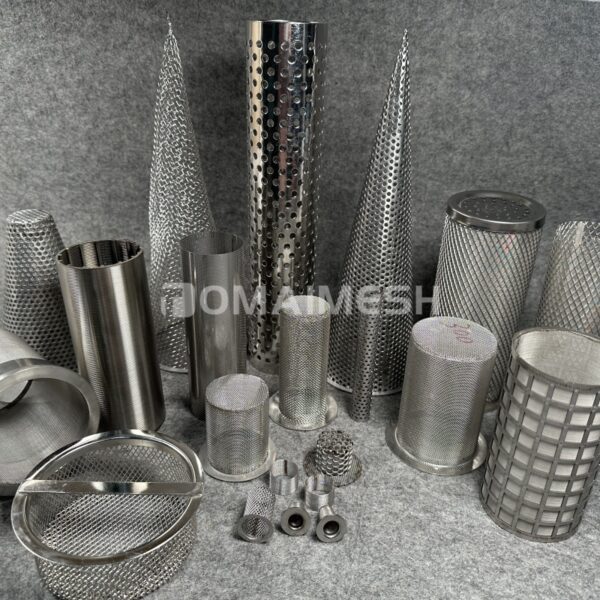
Metal filters are essential for industrial and commercial filtration, offering durability, reusability, and precise particle control. There are four primary types of metal filters, each designed for specific applications. Perforated metal filters feature sheets with uniformly punched holes that allow fluids or gases to pass while blocking larger particles, commonly used in industrial sieving and ventilation systems. Woven wire mesh filters are created by interlacing metal wires, providing consistent pore sizes and high mechanical strength, ideal for air, gas, and liquid filtration.
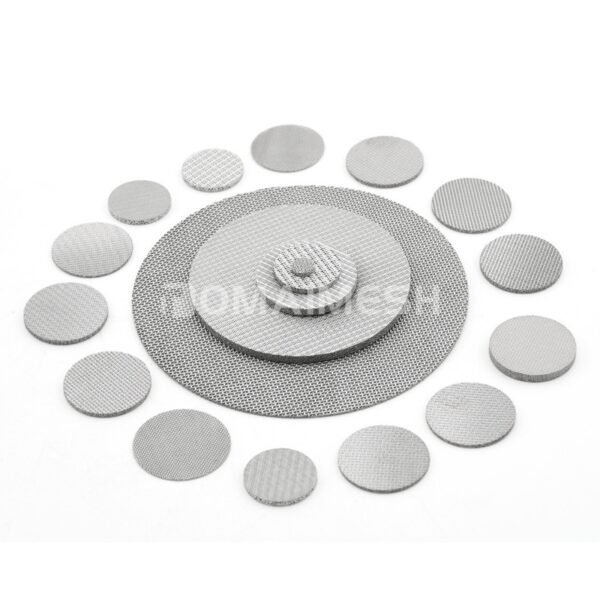
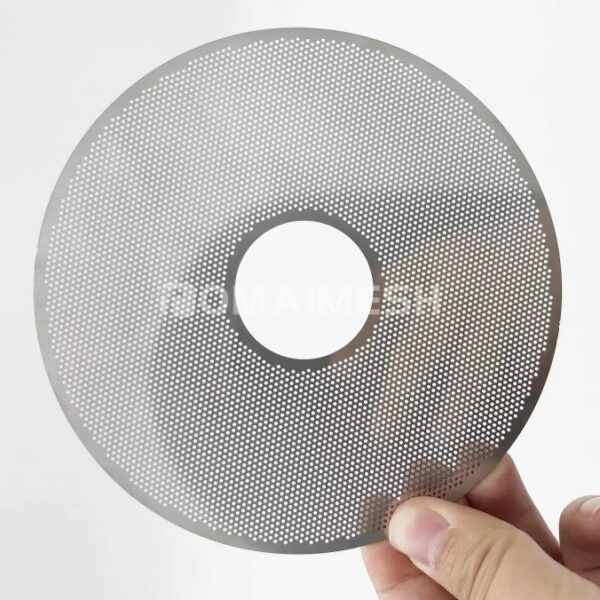
Sintered metal filters are made by fusing metal powders under heat and pressure, resulting in a porous, durable structure capable of handling high temperatures, chemical exposure, and fine particle filtration, often used in chemical, pharmaceutical, and food industries. Etched metal filters are produced through chemical etching, allowing for precise, customizable patterns and extremely fine apertures, suitable for high-precision filtration and microfiltration applications.


Hit enter to search or ESC to close