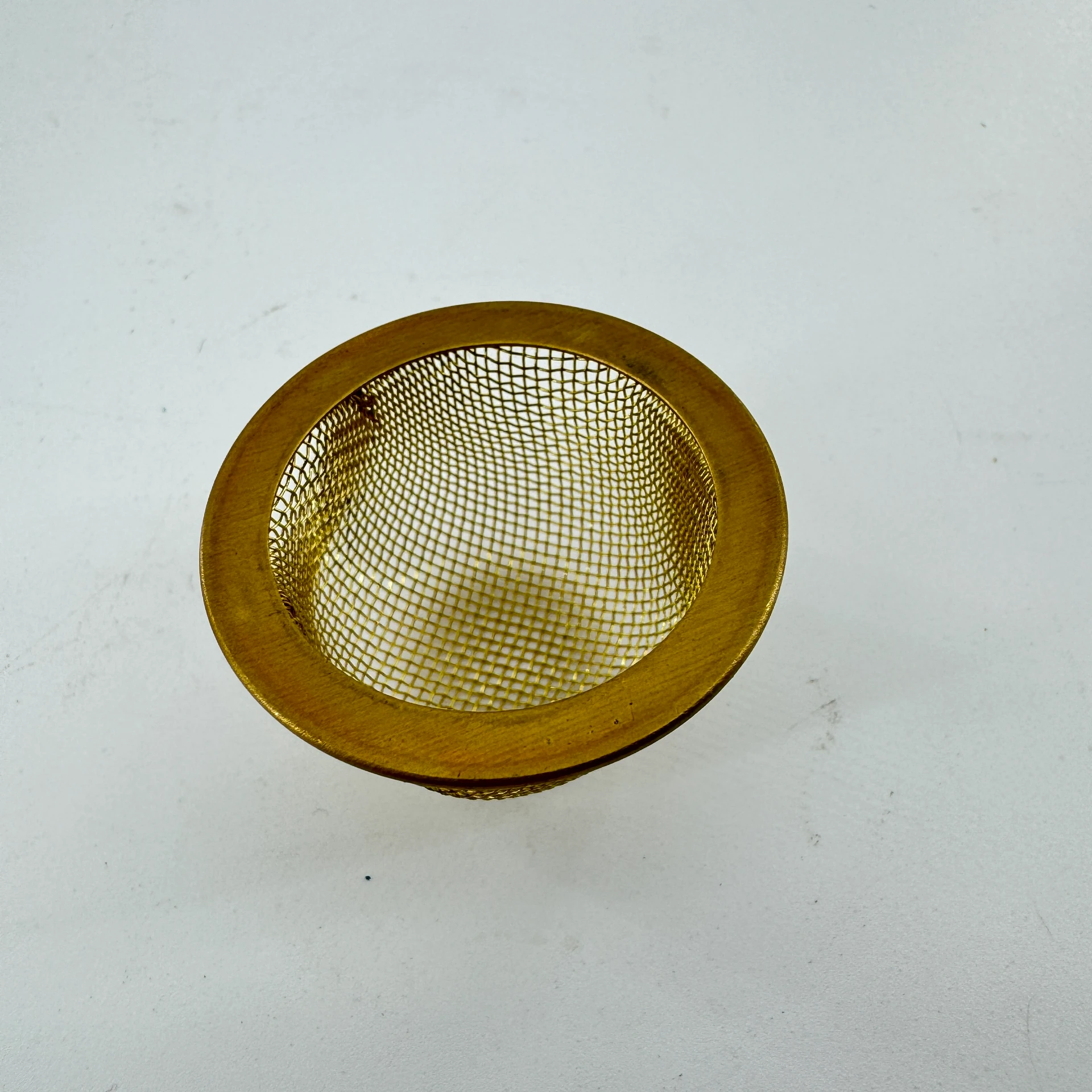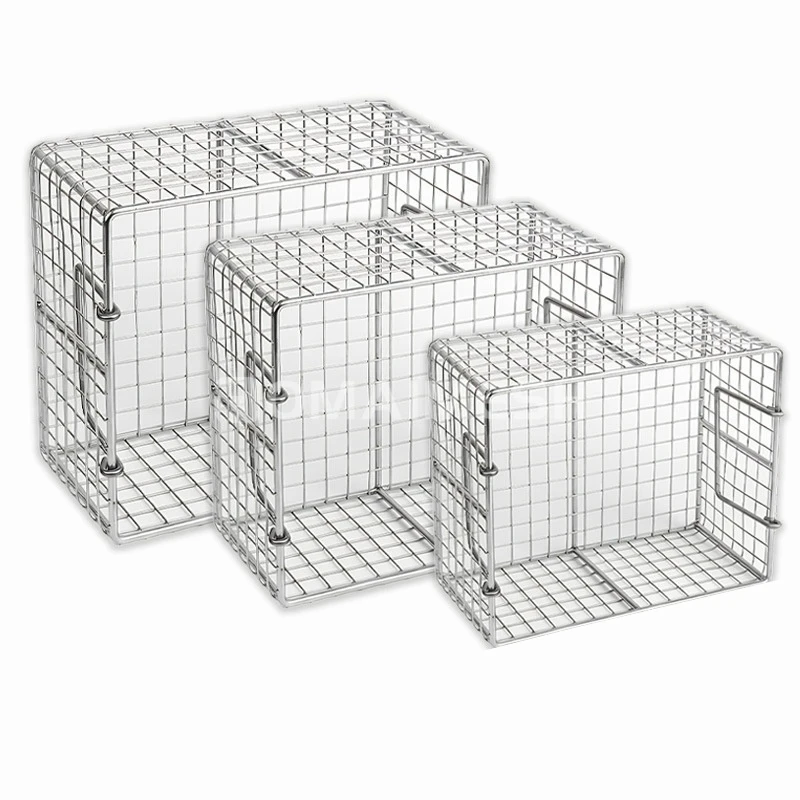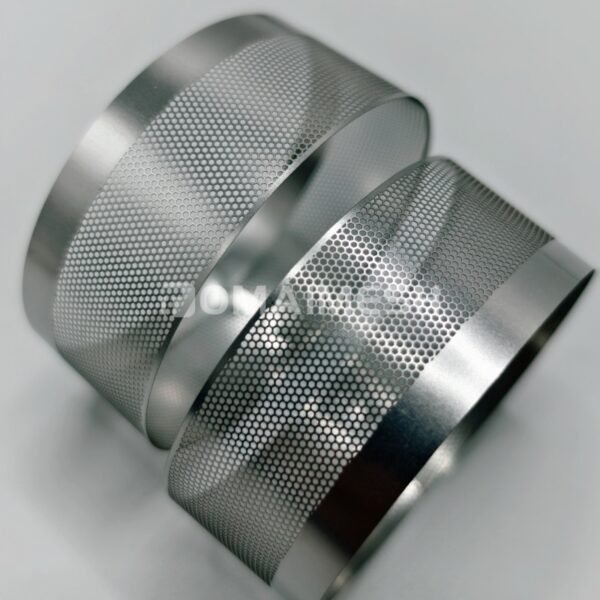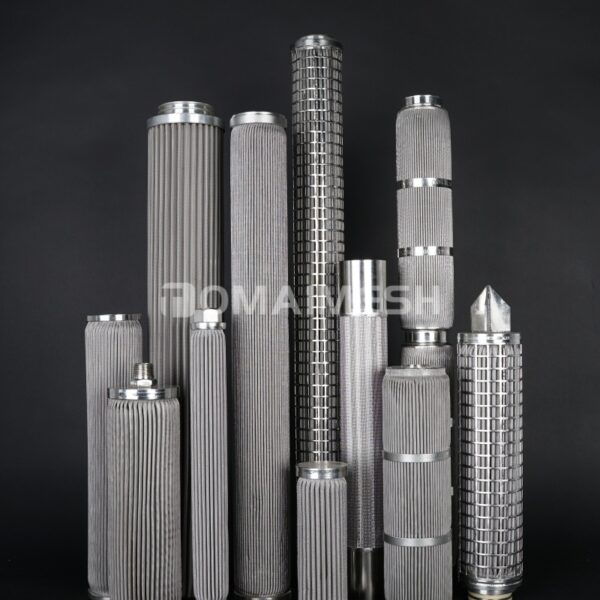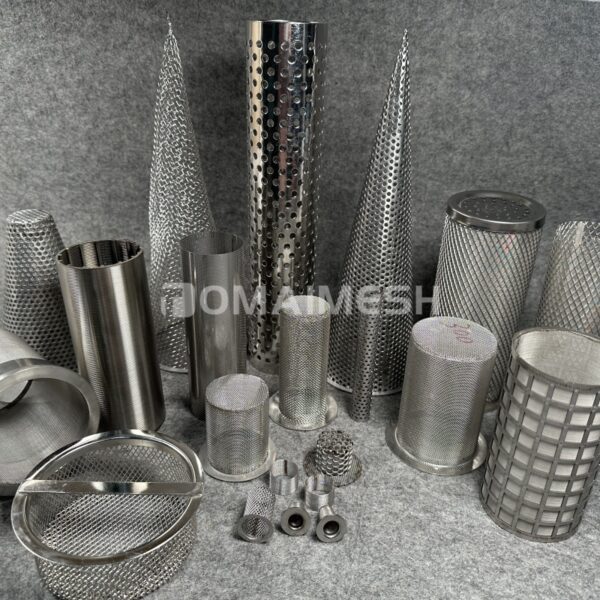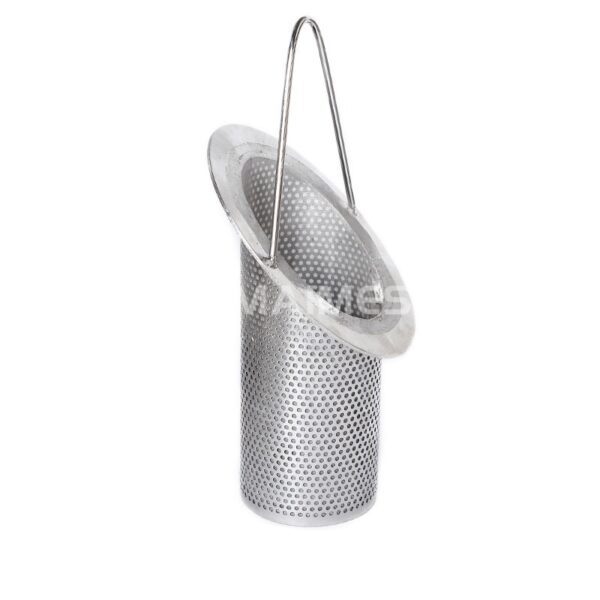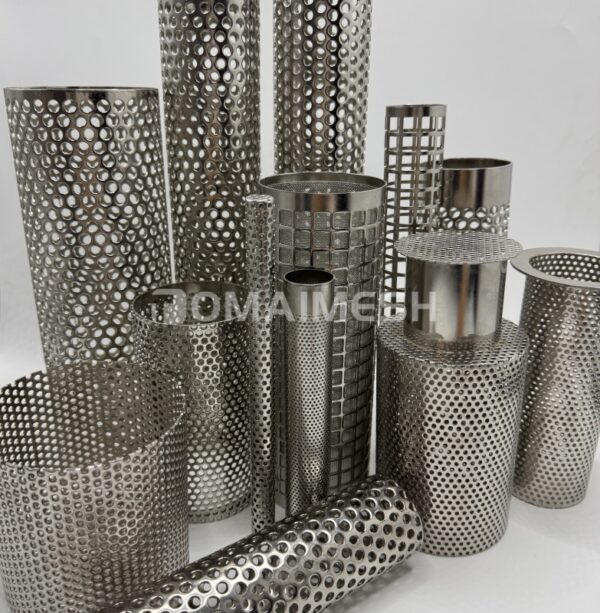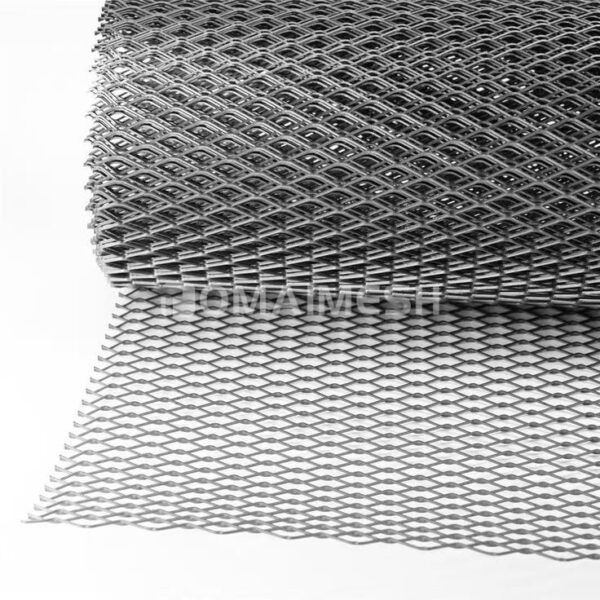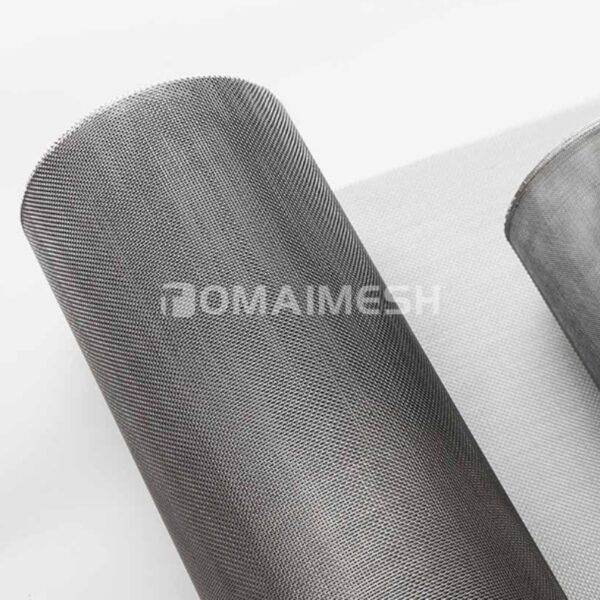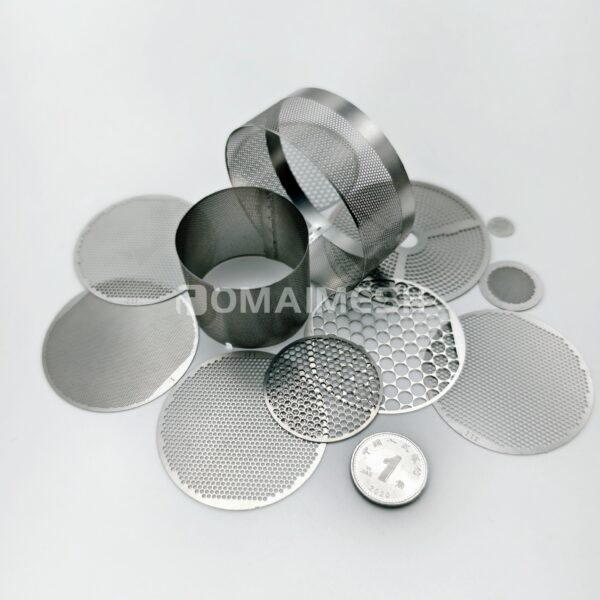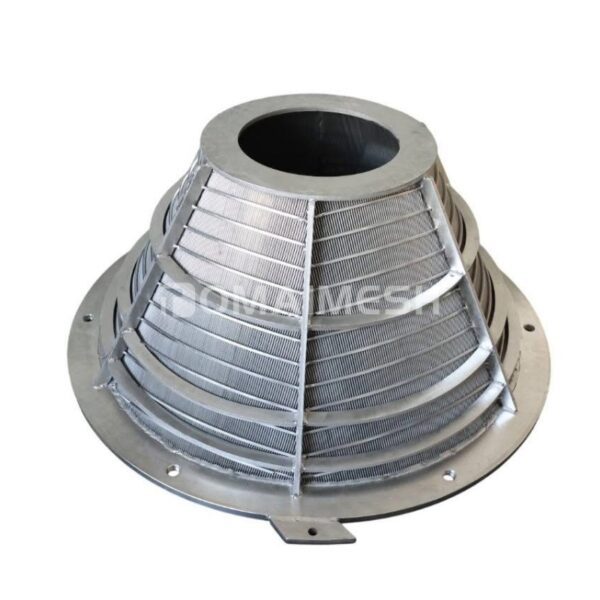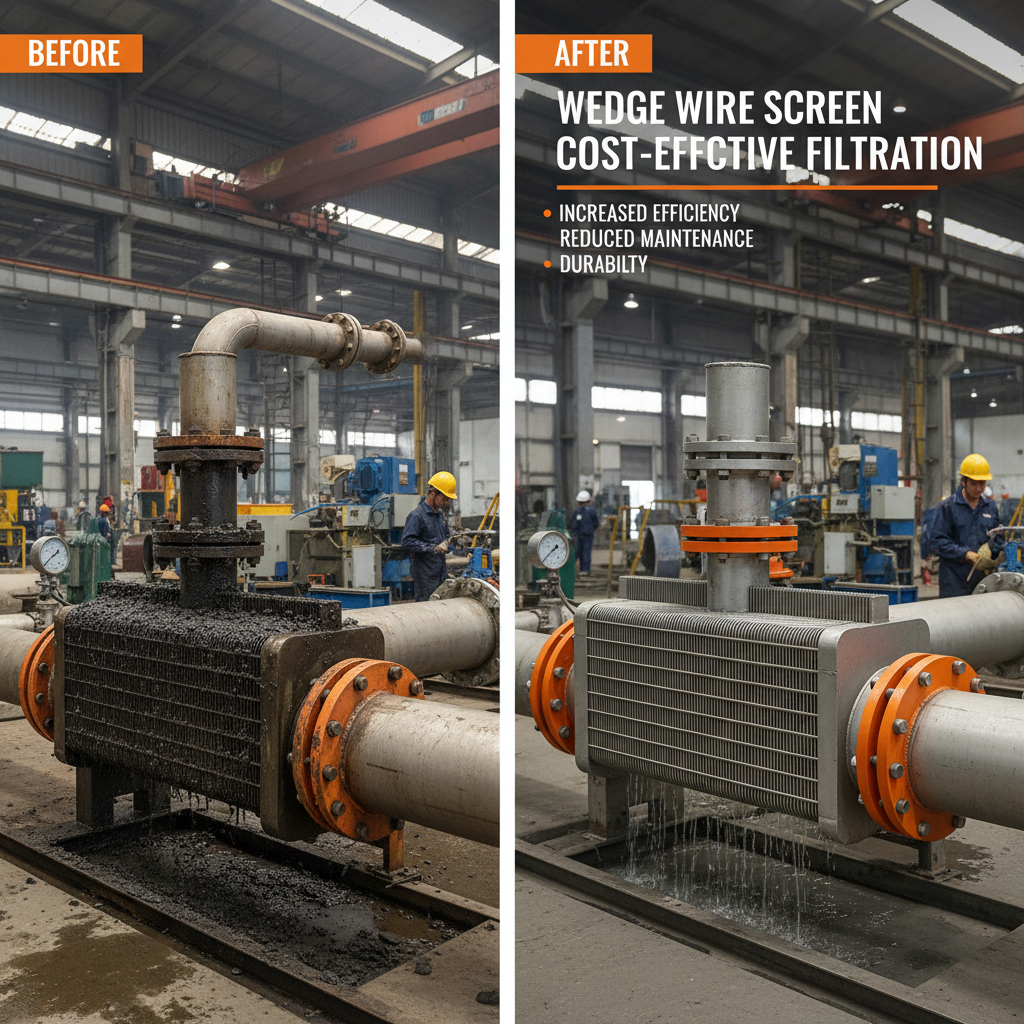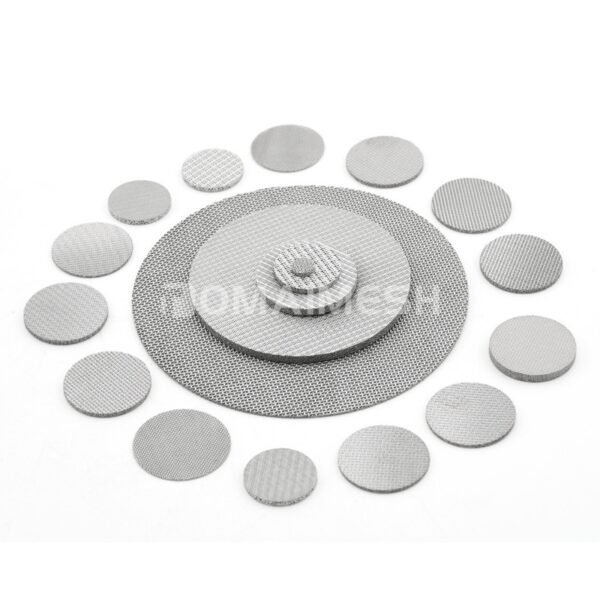
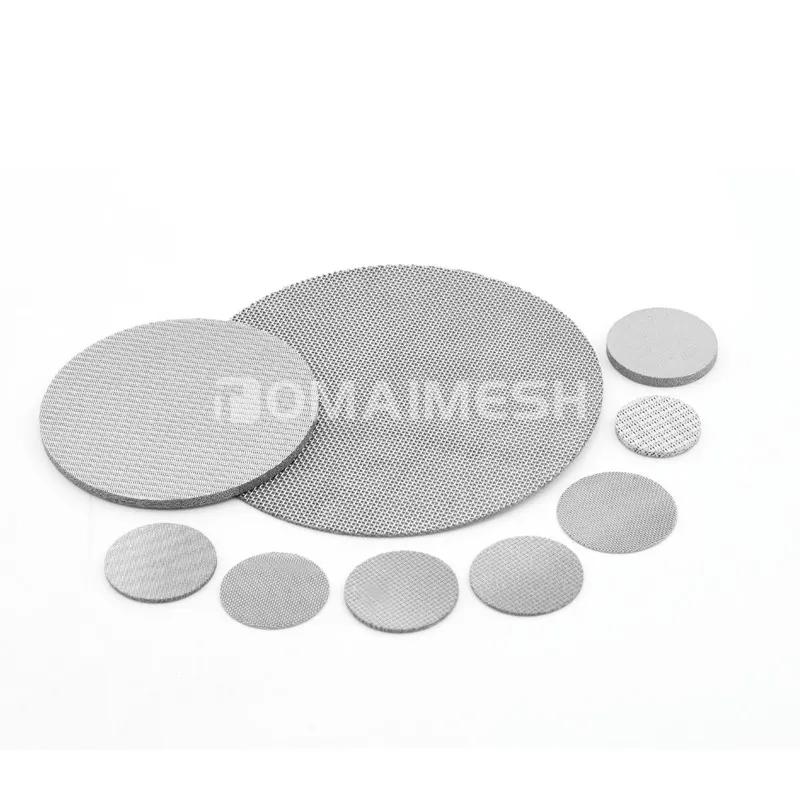
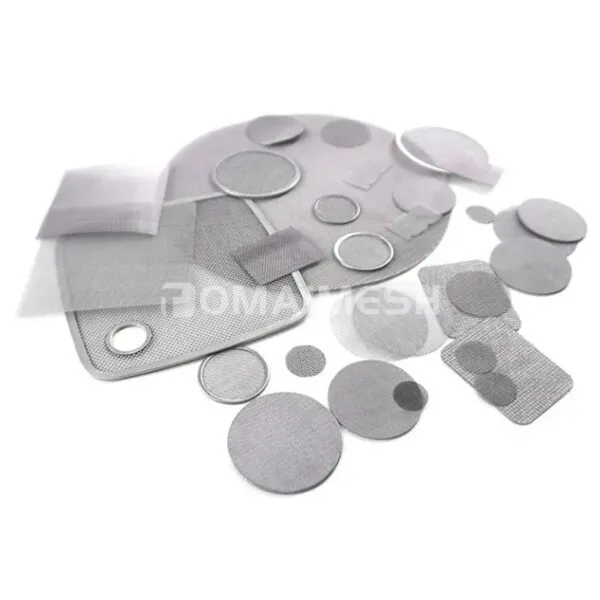
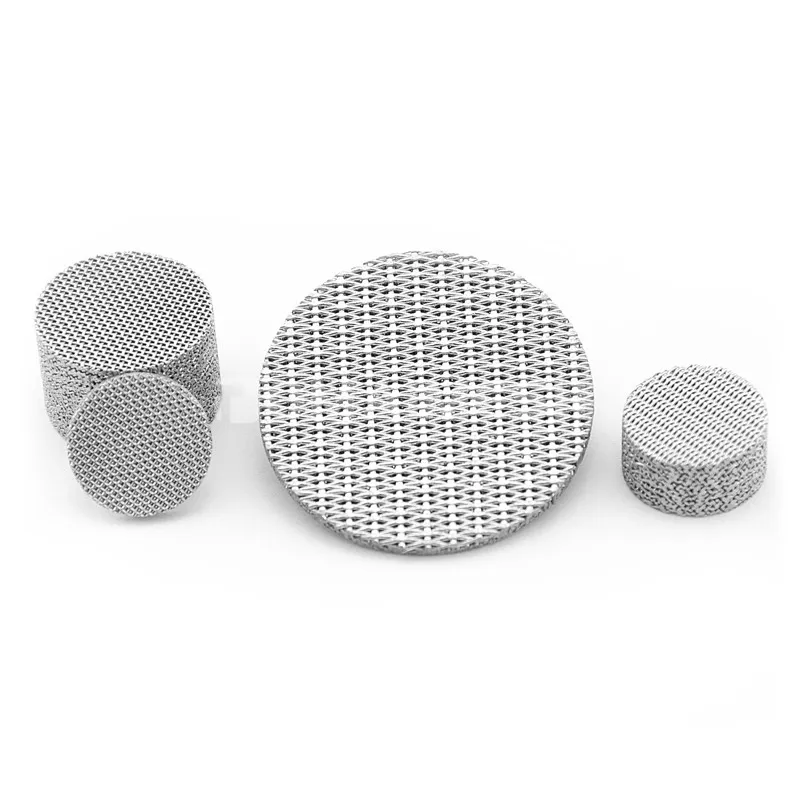
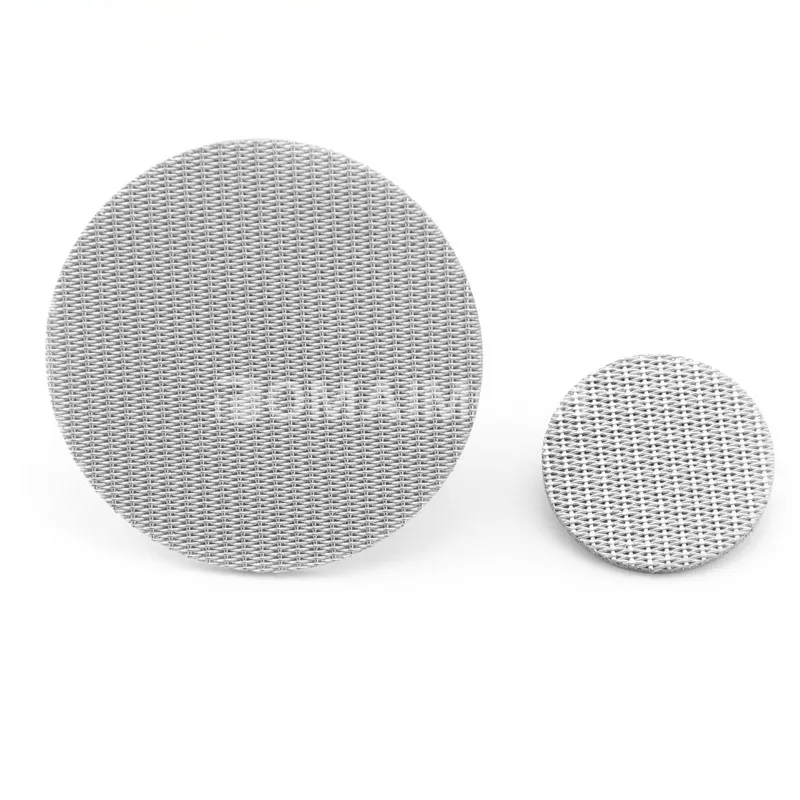
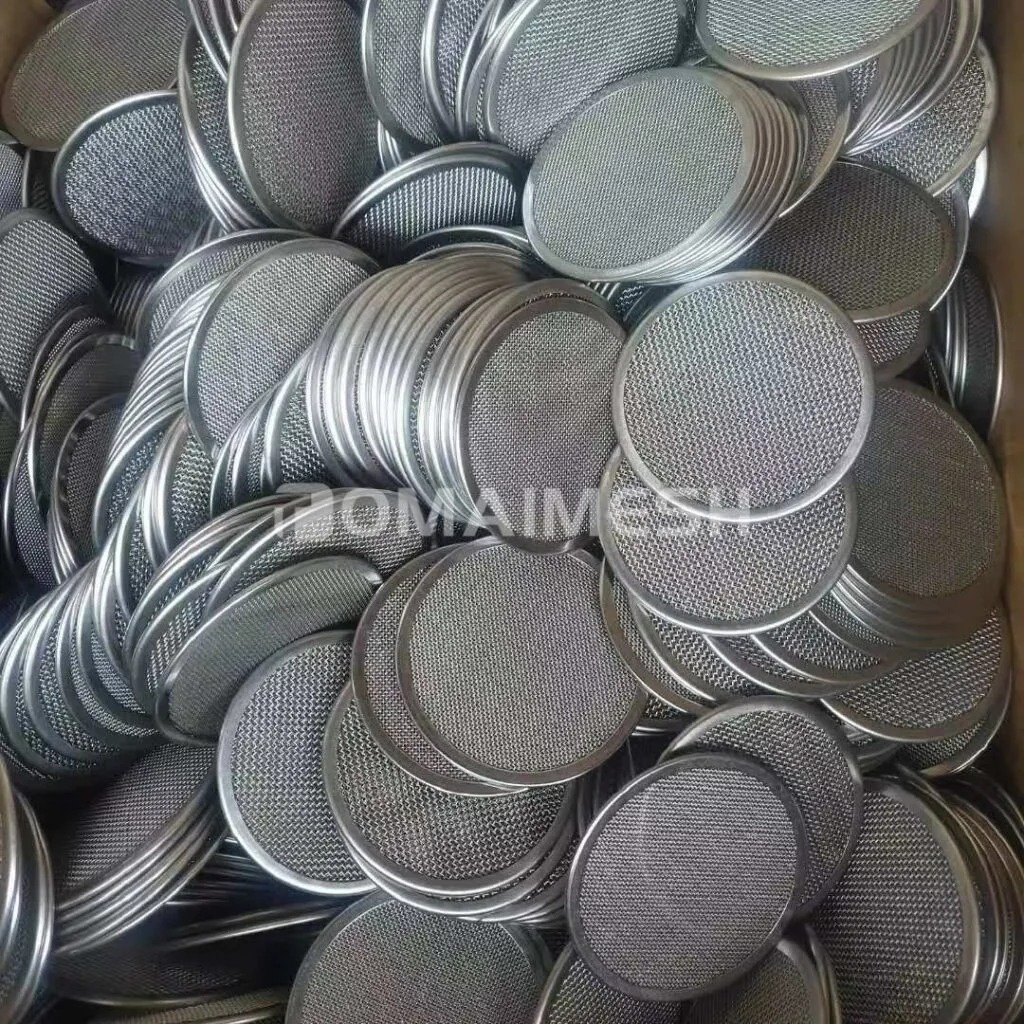
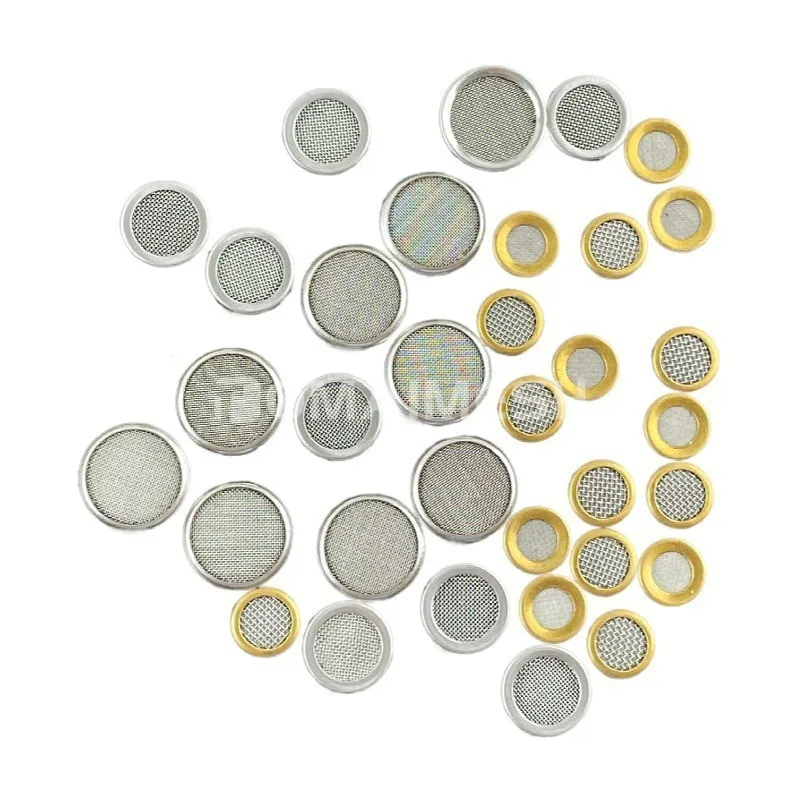
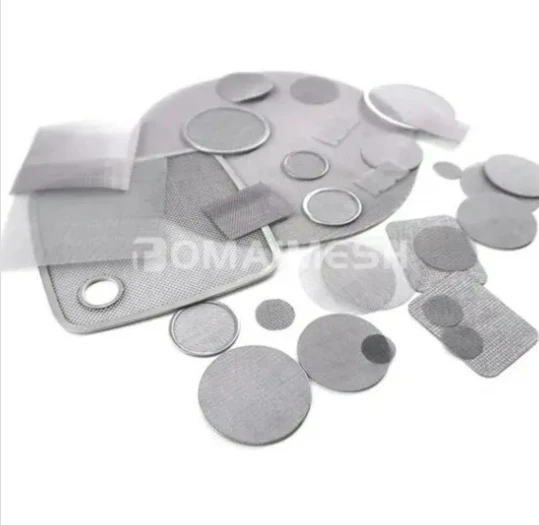
Gas-Liquid Filter Mesh

Material: Stainless Steel 316L | Nickel 200/201 | Titanium Gr.5
Fabrication: Multi-Layer Diffusion Sintering | Precision Weaving
Pore Size: 2μm-300μm (±0.5μm, Multi-Directional Flow Optimization)
Thickness: 0.3mm-5.0mm (Tolerance ±0.05mm)
Surface Treatment: Electropolished | PTFE Coating | Nitriding
Applications: Oil-Gas Separation Towers/Pharmaceutical Sterilization Systems/Marine Desalination Units

Gas-Liquid Filter Mesh
Material Engineering
  • High-Durability Materials:
    • Stainless Steel (316/316L): Corrosion-resistant (PREN ≥35) with 5–500 µm pore precision, ideal for offshore gas scrubbers or chemical plant venting systems exposed to H2S.
    • Nickel Alloys (Monel 400/Hastelloy C-22): Resists chloride-induced stress corrosion (tested to ASTM G48), used in marine LNG processing or sour gas pipelines.
    • Titanium (Grade 7/12): Lightweight (4.5 g/cm³) with exceptional chlorine resistance for chlor-alkali electrolysis cells or seawater deaeration towers.
    • Polymer Meshes (PTFE/PP): Hydrophobic properties with 0.5–200 µm pores, suitable for acid mist elimination or compressed air coalescing filters.
  • Hybrid Structures:
    • Multi-Material Laminates: Combines metal support layers with polymer membranes for high-pressure gas-liquid separators (up to 100 bar).
Read More About grp grid
Read More About grp grate
Gas-Liquid Filter Mesh
Performance-Driven Design
  • Optimized Flow Dynamics:
    • Graded Porosity: Tri-layered designs (coarse → medium → fine) for three-phase separation in oilfield production separators or refinery knockout drums.
    • Coalescing Media: Fibrous or sintered structures with 95%+ aerosol capture efficiency (per ISO 2942) for aviation fuel filtration or natural gas dehydration.
  • Surface Treatments:
    • Hydrophobic Coatings: Fluoropolymer layers to repel water in compressed air dryers or biogas upgrading systems.
    • Oleophobic Finishes: Silicone-based treatments for oil mist elimination in CNC machining exhausts.
  • Thermal Resilience:
    • High-Temperature Sintering: Withstands 600°C+ in flue gas scrubbers or geothermal steam separators.
Gas-Liquid Filter Mesh
Precision Manufacturing & Validation
  • Fabrication Techniques:
    • Laser Cutting: Achieves ±10 µm slot accuracy for cryogenic gas processing (e.g., LNG liquefaction).
    • Electroforming: Creates ultra-fine 3D mesh geometries (10–100 µm pores) for pharmaceutical vent filters or fuel cell humidifiers.
  • Rigorous Testing Protocols:
    • Bubble Point Testing: Validates pore integrity per ASTM F316 (e.g., 15 psi threshold for 10 µm pores).
    • Coalescence Efficiency Testing: Measures 0.3 µm aerosol retention (per ISO 16890) for HVAC systems.
    • Pressure Cycling: Endures 10,000+ cycles at 50 bar (per ASME BPVC) for subsea gas processing.
  • Certifications:
    • ATEX/IECEx compliance for explosive environments.
    • FDA 21 CFR 177 for food-grade applications.
Read More About grp grate
Gas-Liquid Filter Mesh: Sector-Specific Applications
  • Oil & Gas:
    • Glycol Contactor Towers: Monel 400 mesh for TEG dehydration systems, removing 99.9% of water vapor from natural gas.
    • Scrubber Demisters: Multi-layer 316L mesh in FPSO vessels, handling 500,000 m³/day gas flow.
  • Chemicals:
    • Chlorine Gas Drying: Titanium mesh with 0.1 µm pores for membrane electrolysis cells (99.95% H2O removal).
    • Reactor Vent Filters: PTFE-coated 304SS for phosgene synthesis, rated to 250°C.
  • Energy:
    • Hydrogen Purification: Sintered nickel mesh (40 µm pores) for PEM electrolyzers, achieving 99.999% H2 purity.
    • Geothermal Separators: Hastelloy C-276 mesh for steam-water separation at 300°C/100 bar.
  • Environmental:
    • Landfill Gas Processing: PP coalescing filters with 5 µm pores, capturing siloxanes and VOCs.
    • Wastewater Aeration: Anti-clogging SS316 diffuser meshes for MBR systems (10–20 µm pores).
Are Mesh Air Filters Good

Are Mesh Air Filters Good

Are Mesh Air Filters Good

Mesh air filters are a popular choice for both residential and industrial applications because of their durability and reusability. Made from layers of metal or synthetic mesh, these filters work by trapping larger dust particles, pollen, and debris while allowing air to pass through with minimal resistance. Unlike disposable filters, mesh air filters can be cleaned and reused, making them cost-effective and environmentally friendly. They are also resistant to moisture and chemicals, which makes them suitable for challenging environments. However, mesh filters are less effective at capturing very fine particles compared to HEPA or pleated filters. For households concerned about allergens or pollution, mesh filters may not provide sufficient protection. Instead, they are best suited for situations where durability, low maintenance, and basic filtration are the main priorities. In short, mesh air filters are a good option for general use, especially when cost savings and reusability matter, but they may need to be paired with finer filters for maximum air quality.
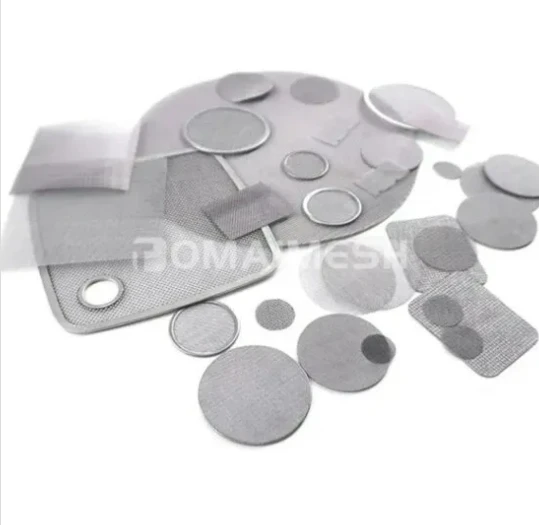
Is There A Such Thing As A Gas Filter

Is There A Such Thing As A Gas Filter

Is There A Such Thing As A Gas Filter

Yes, gas filters do exist, and they play an important role in protecting both people and equipment from harmful gases. A gas filter is designed to remove or neutralize toxic or unwanted gases from the air before it is inhaled or used in a system. These filters are commonly found in respirators, gas masks, and industrial ventilation systems. They usually contain activated carbon or special chemical absorbents that can trap or react with hazardous gases such as carbon monoxide, chlorine, or ammonia. Gas filters are widely used in industries like chemical manufacturing, mining, and firefighting, where exposure to dangerous gases is a risk. In everyday life, they can also be found in certain air purifiers that reduce odors, smoke, or vehicle exhaust. However, it is important to note that gas filters have limitations: they are often specific to certain gases and must be replaced regularly to remain effective. Overall, gas filters are essential for safety in environments where clean air cannot be taken for granted.

If you are interested in our products, you can choose to leave your information here, and we will be in touch with you shortly.