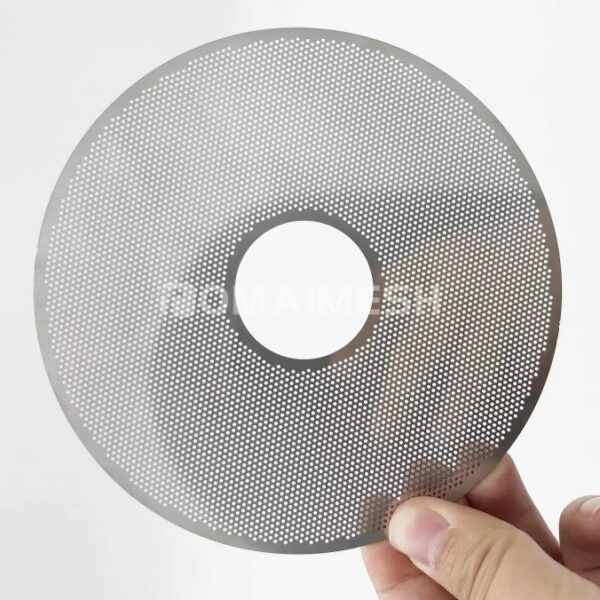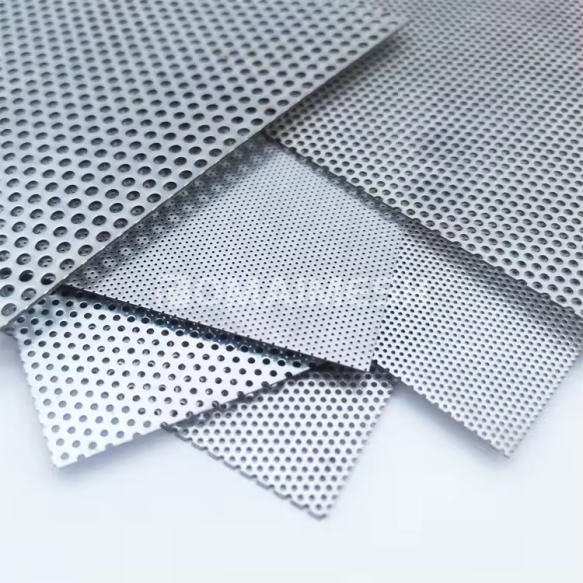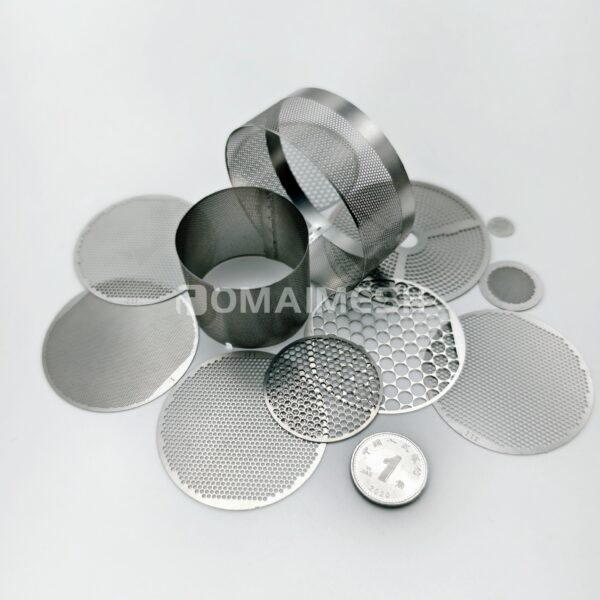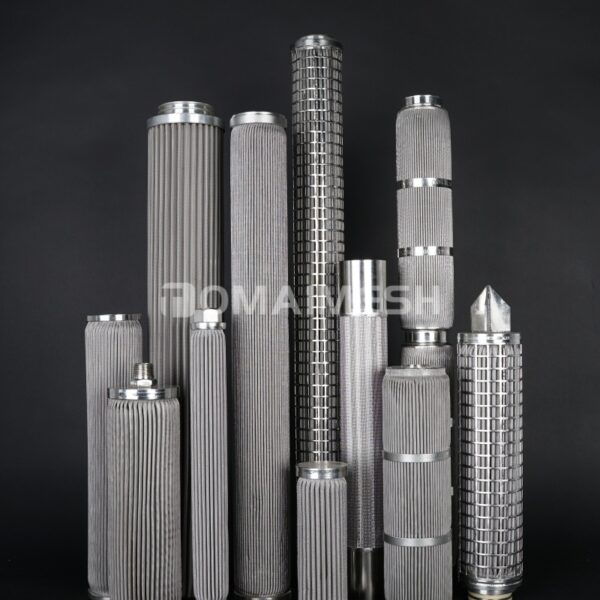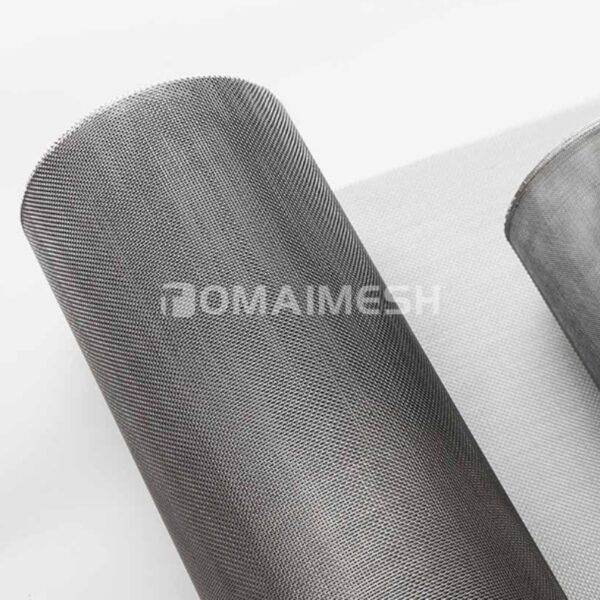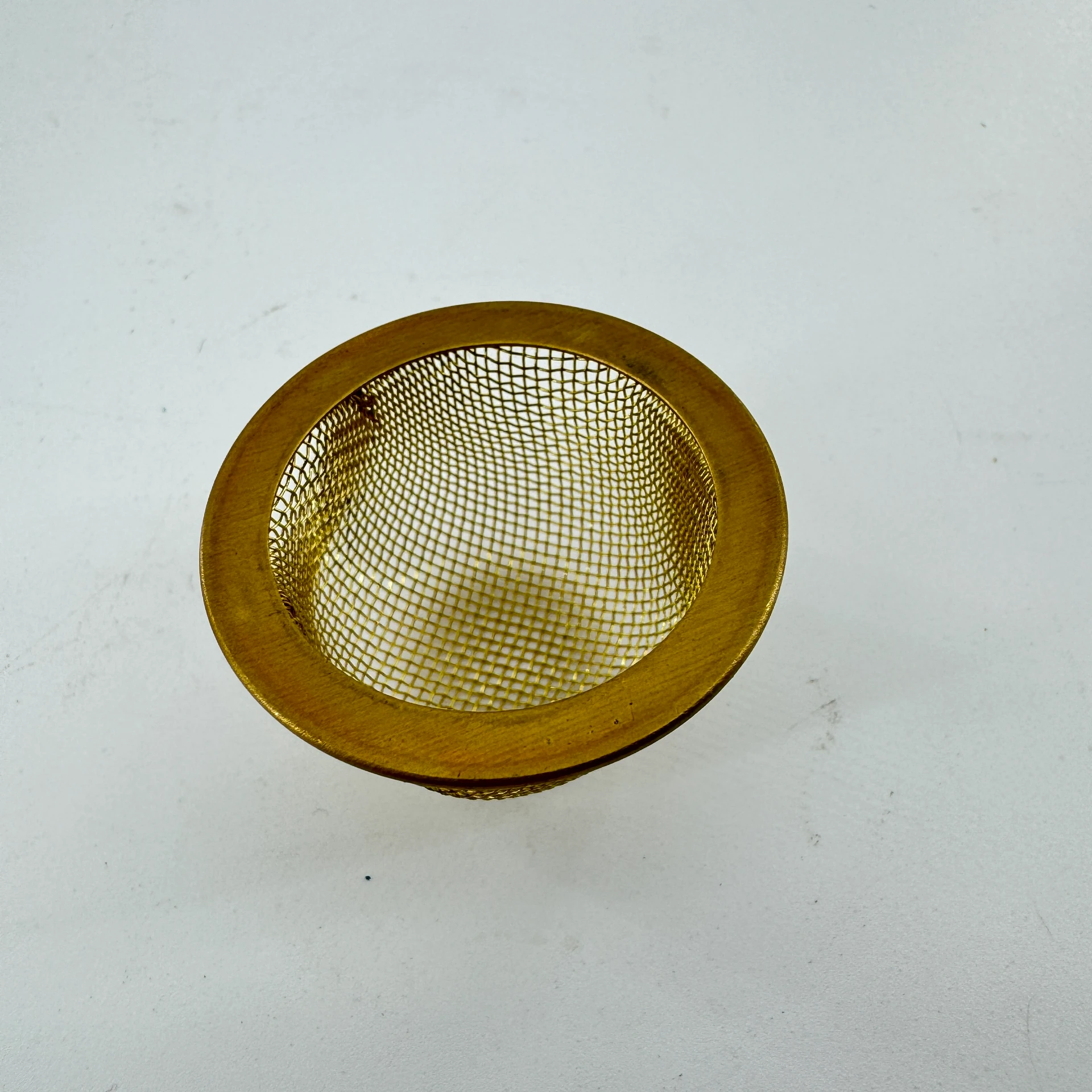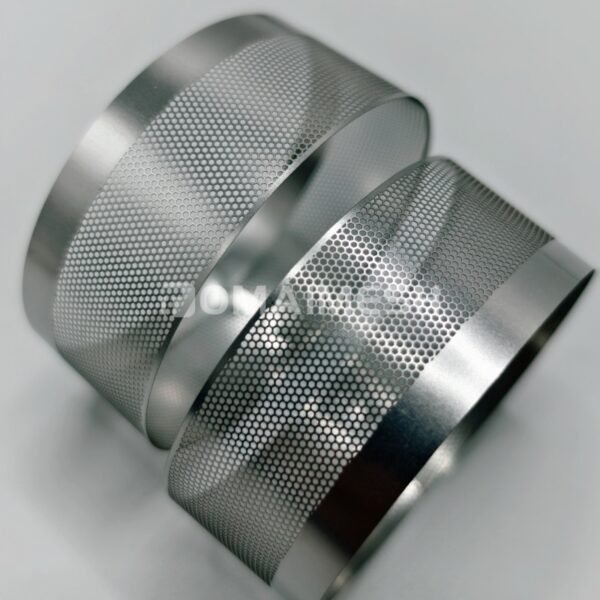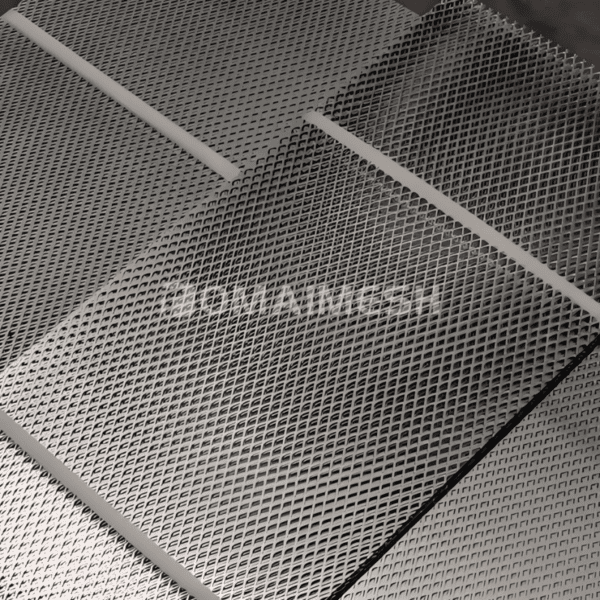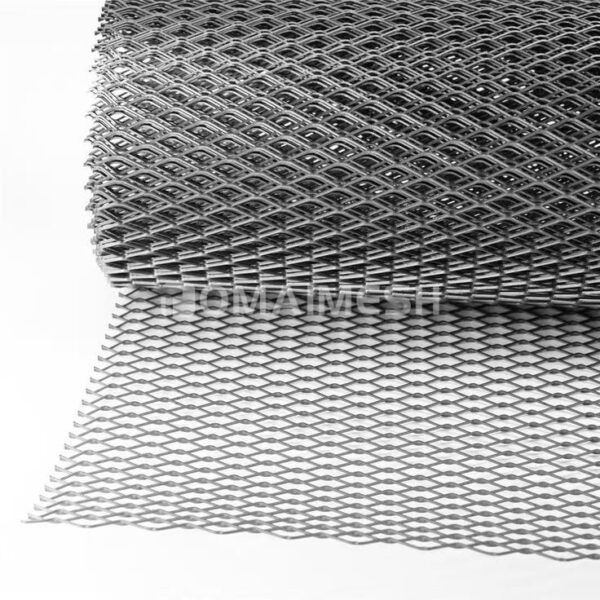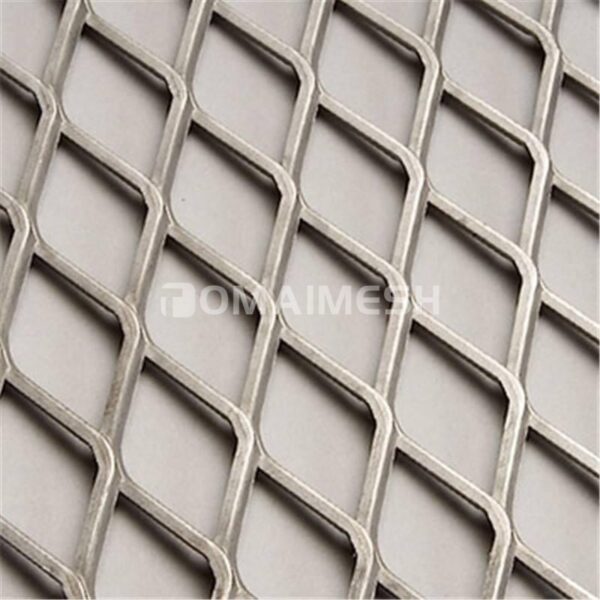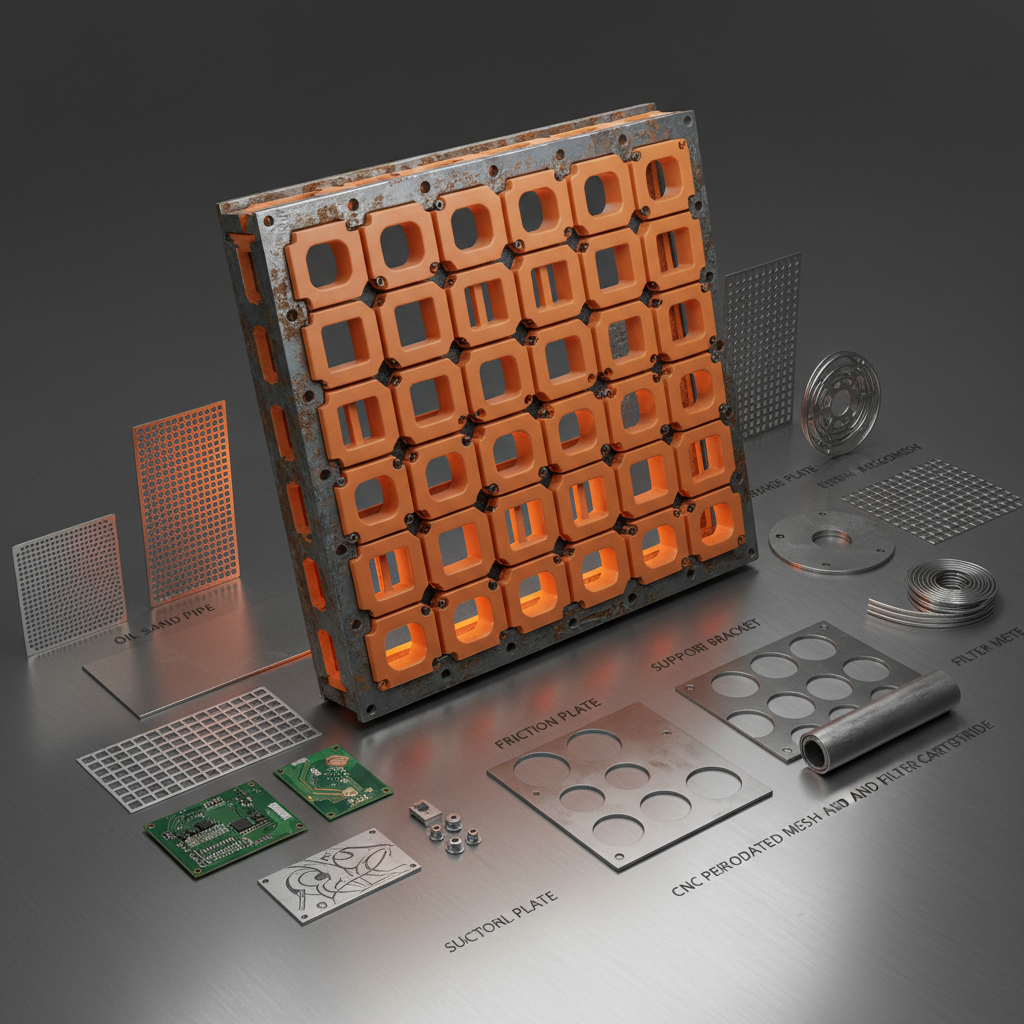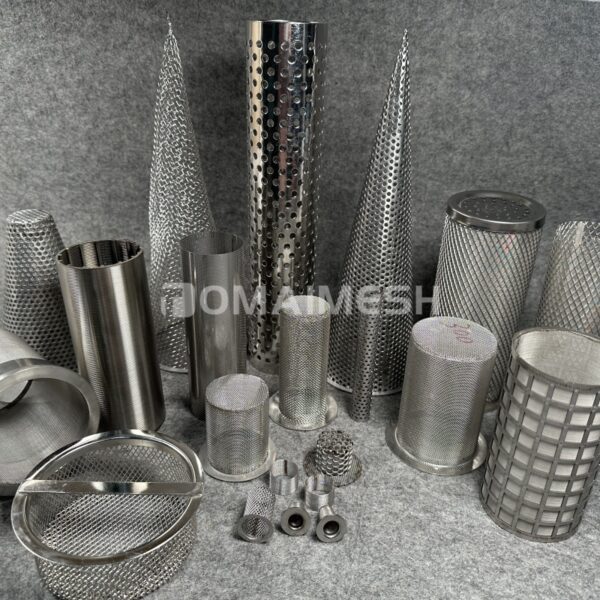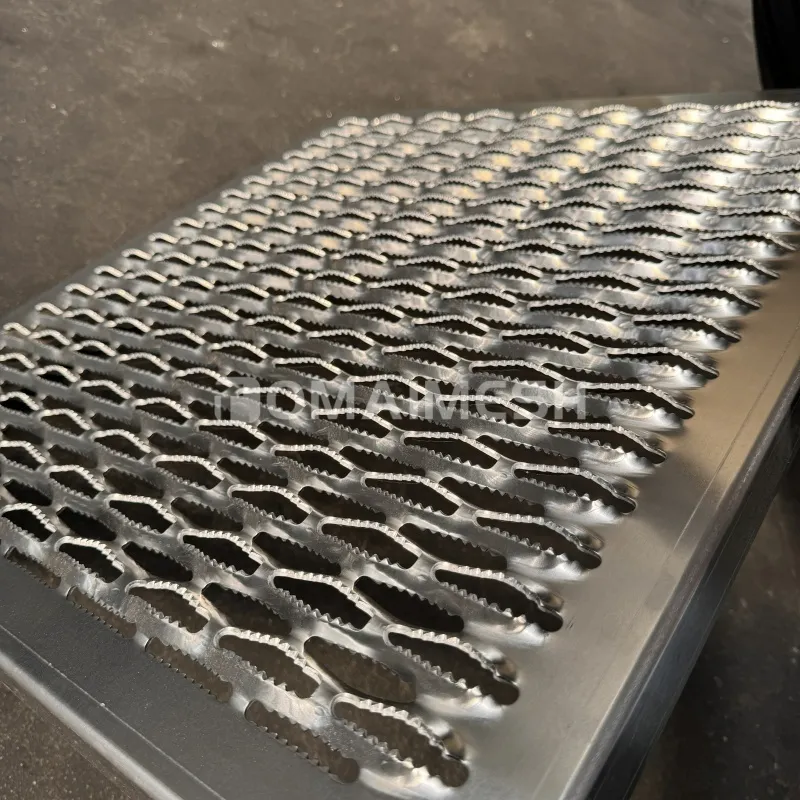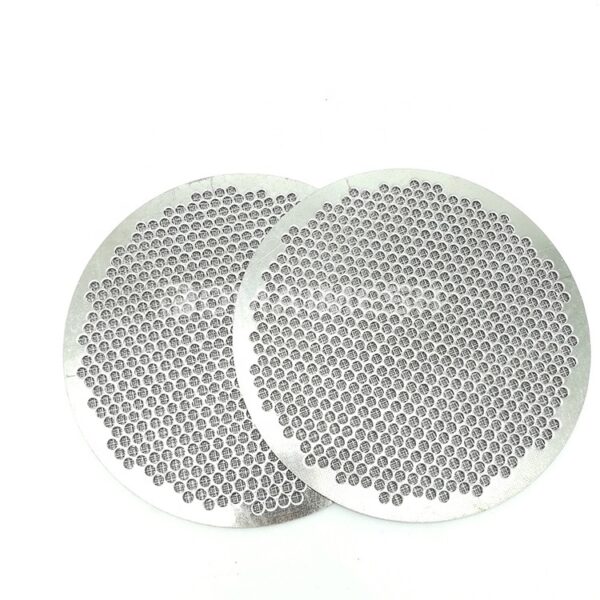
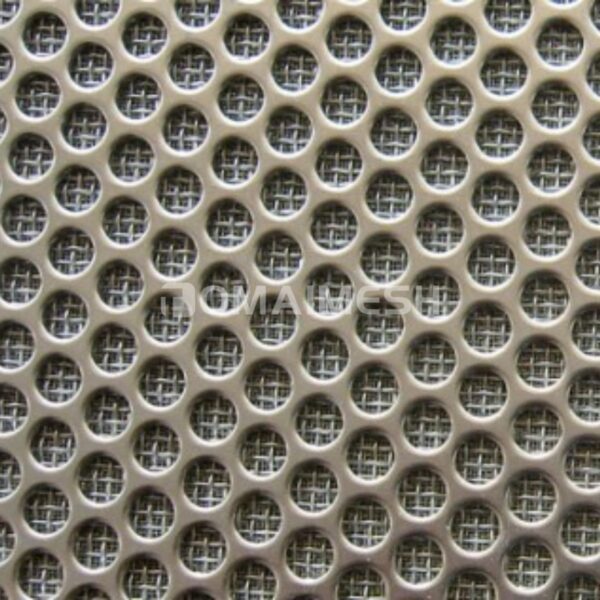
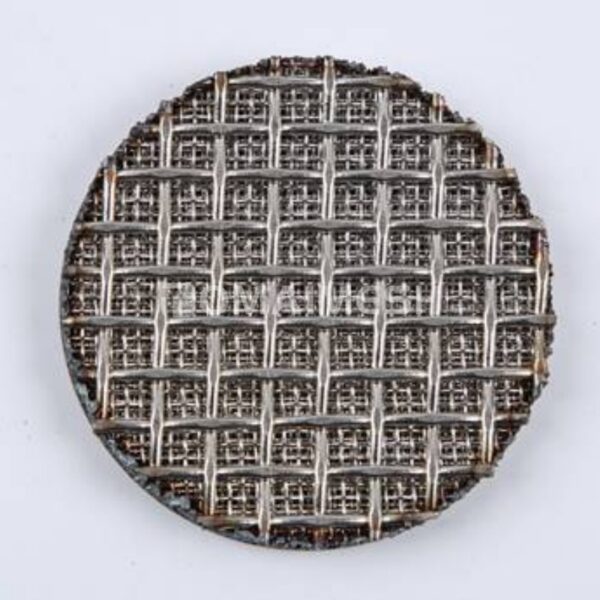
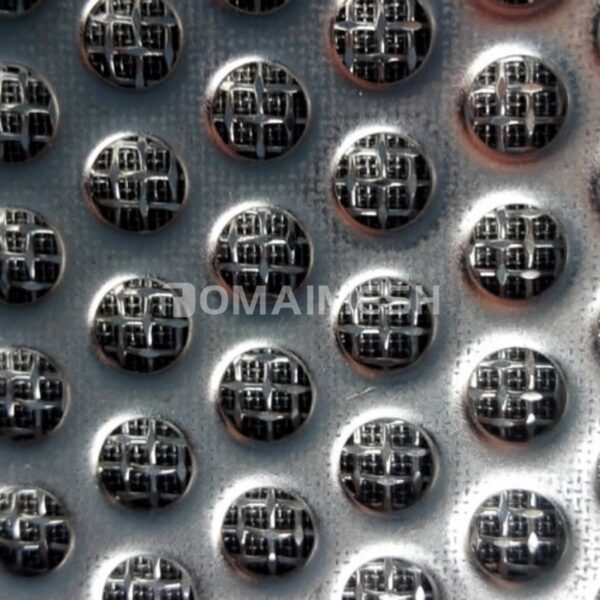
Manufactured through high-pressure sintering (applied at 1,000–1,500°C under 50–300 MPa) of layered metal powders—including 316L stainless steel, Grade 2 titanium, and Inconel 625—this advanced mesh achieves ultra-precise pore sizes spanning 5µm to 500µm with ±3% uniformity, validated by scanning electron microscopy (SEM). The controlled sintering process creates a fully interdiffused grain structure, eliminating binder residues for contaminant-free performance in sensitive environments.
Available in ultra-thin foils (0.1mm) for microfluidic devices to robust 10mm plates for industrial scrubbers, it combines adjustable porosity (20%–85%) with exceptional tensile strength (up to 650 MPa) and creep resistance at sustained high temperatures. The diffusion-bonded, monolithic structure ensures zero delamination risk, even under cyclic pressure loads up to 100 bar, making it ideal for hydrogen compression systems and subsea oil/gas valves.
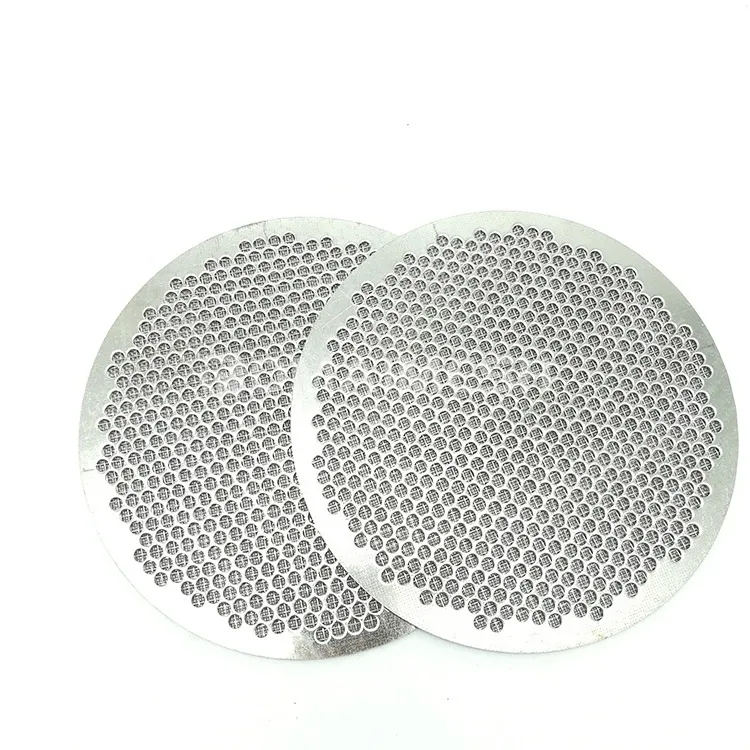
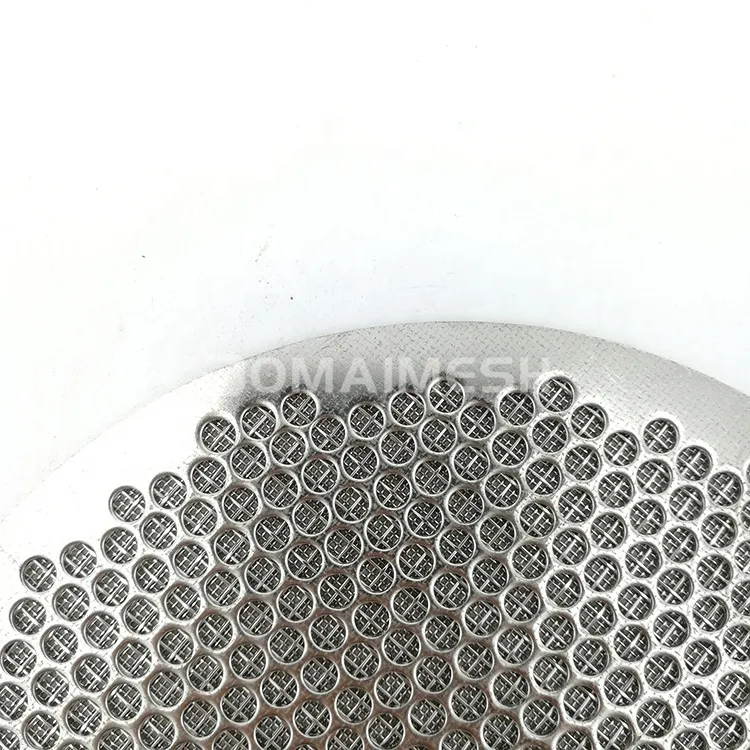
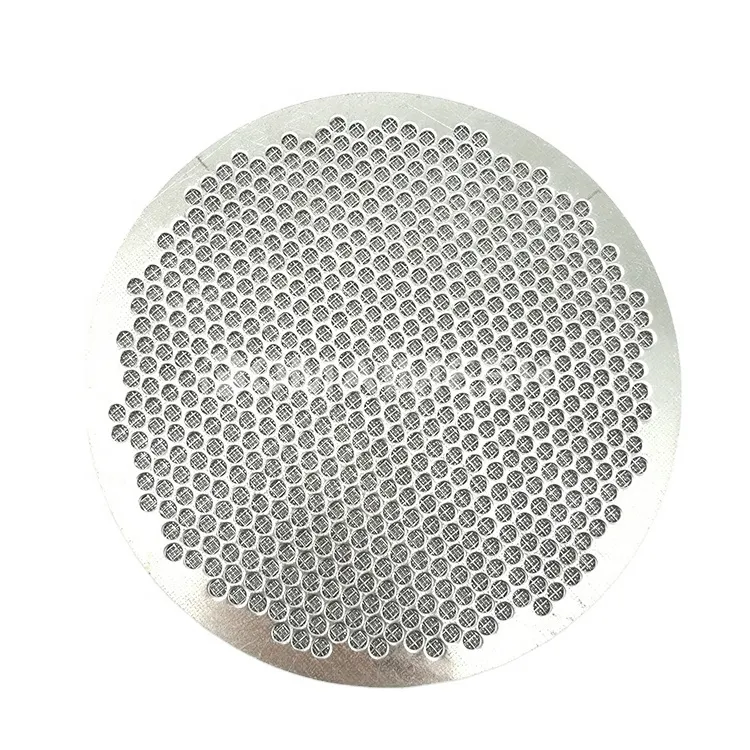
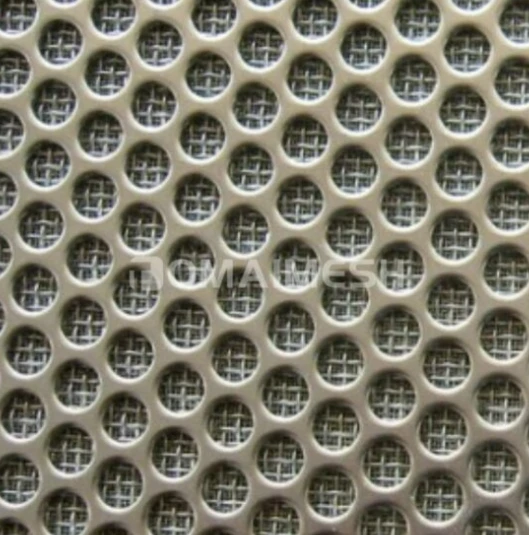
What Is A Sintered Perforated Metal Mesh
A sintered perforated metal mesh is a type of metal material made by fusing metal powders under heat and pressure (sintering) to create a solid, porous sheet, which is then perforated with holes or patterns. This process combines the benefits of sintered metal—high strength, durability, and uniform porosity—with the functional advantages of perforated sheets, such as allowing air, liquids, or gases to pass through.
Sintered perforated metal mesh is commonly used in filtration, separation, and diffusion applications, especially where high temperature resistance, chemical stability, and mechanical strength are required. It is found in industries like chemical processing, automotive, aerospace, and water treatment, where it serves as filters, strainers, silencing panels, or protective screens.
By combining sintering and perforation, this material provides a long-lasting, corrosion-resistant, and precise solution for demanding industrial and engineering applications.
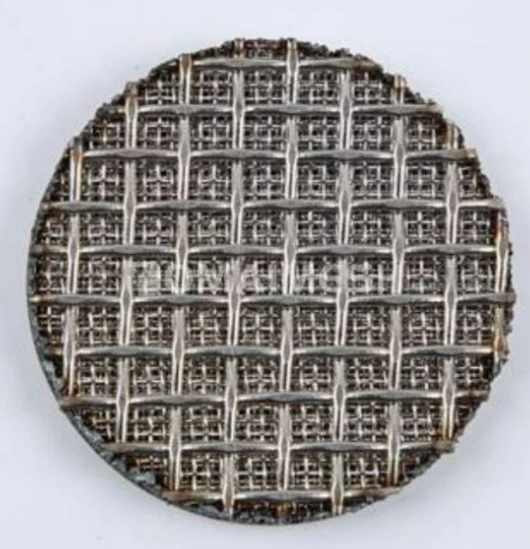
What Is The Difference Between Perforated And Mesh Screens?
The difference between perforated screens and mesh screens lies mainly in their structure, manufacturing, and applications:
Structure and Appearance:
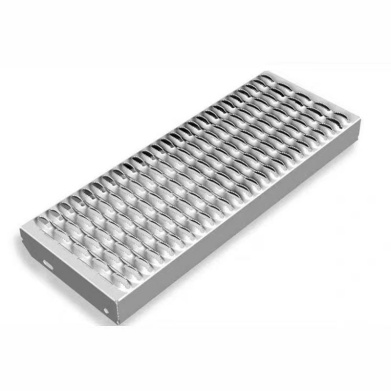
Perforated Screens are made from a solid sheet of metal with punched or stamped holes in a specific pattern (round, square, or custom shapes). The material between the holes remains solid, giving it higher strength.
Mesh Screens are made from woven or welded wires forming a grid of openings. The material is entirely made of interlaced wires, creating a uniform network of gaps.
Strength and Durability:
Perforated screens are generally stronger because they retain more solid metal.
Mesh screens are flexible and lightweight but can deform more easily under pressure.
Applications:
Perforated screens are used for filtration, ventilation, noise control, and decorative panels.
Mesh screens are used for fine filtration, sieving, insect screens, and protective barriers where smaller openings are needed.
Customization:
Perforated sheets allow precise hole patterns.
Mesh offers variable wire thickness and aperture sizes but less design variety.


Hit enter to search or ESC to close