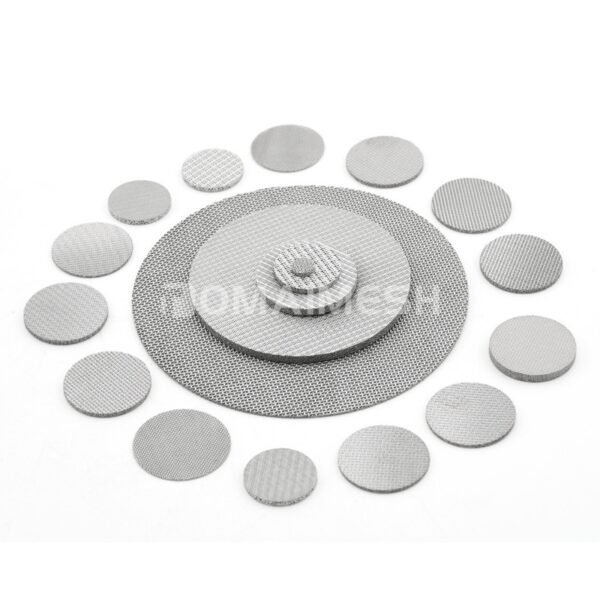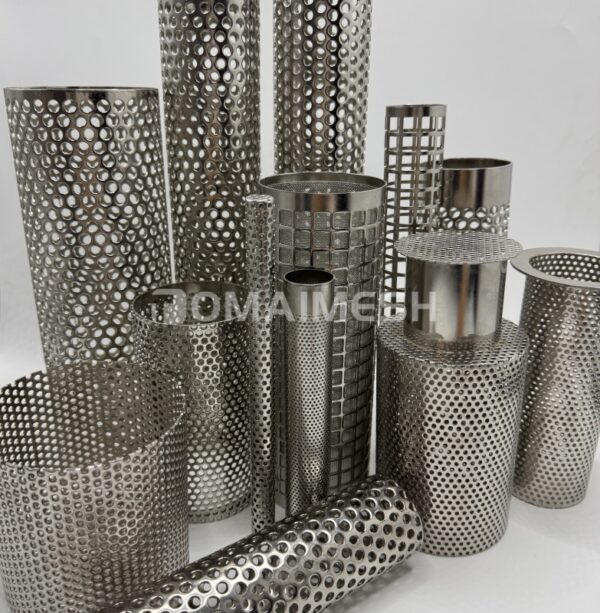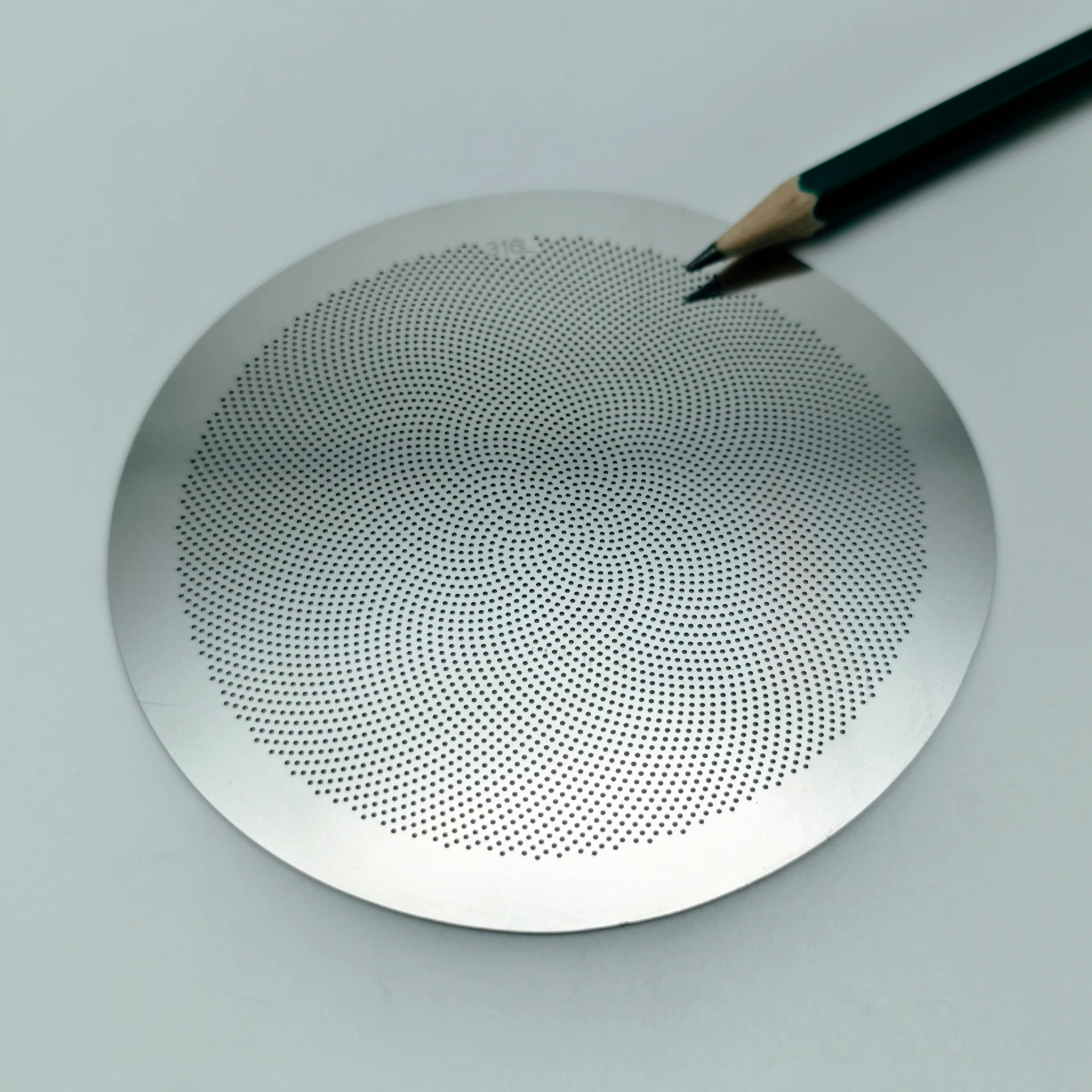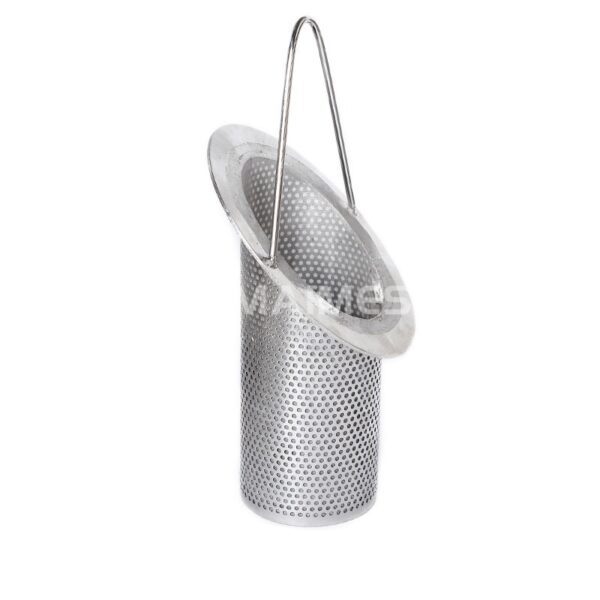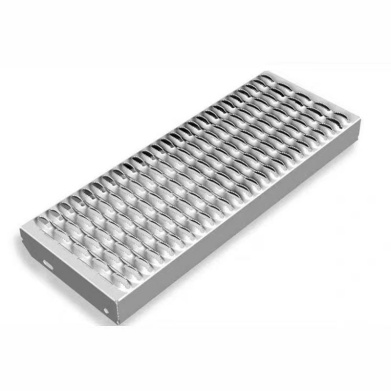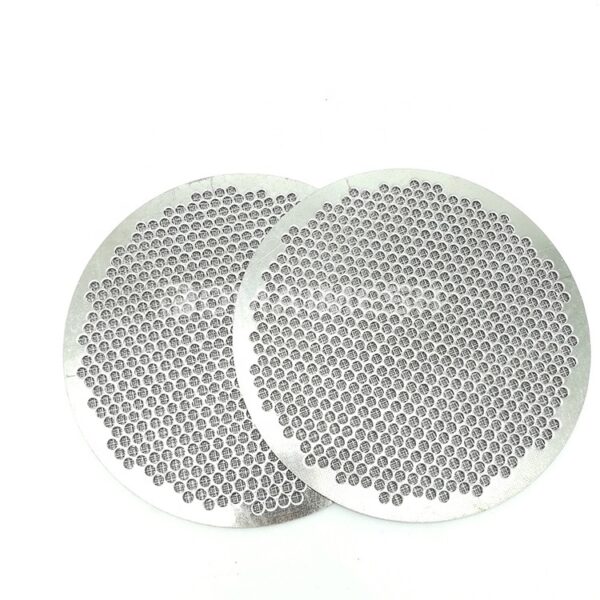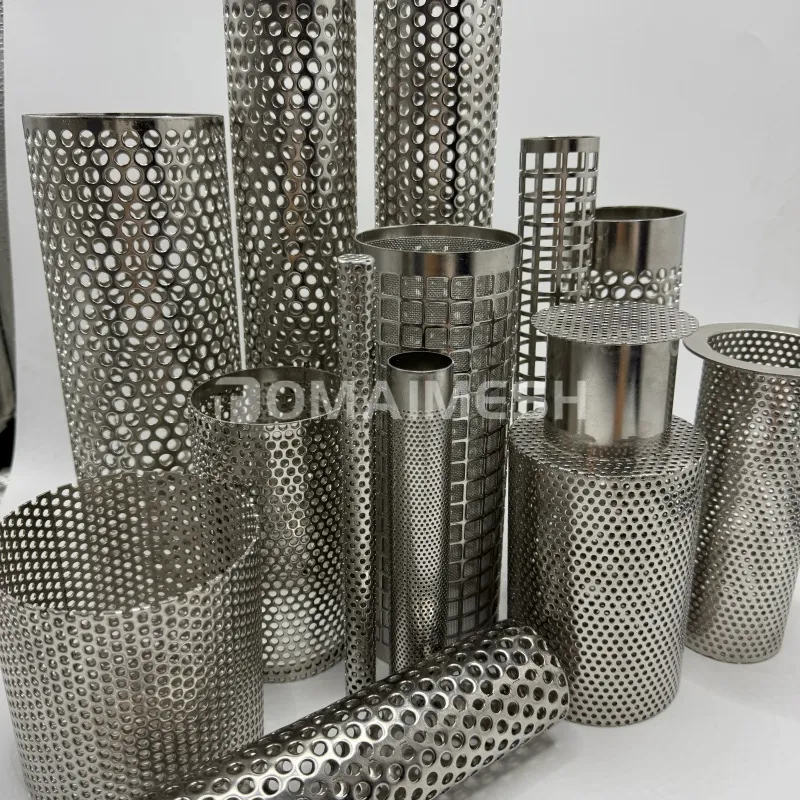

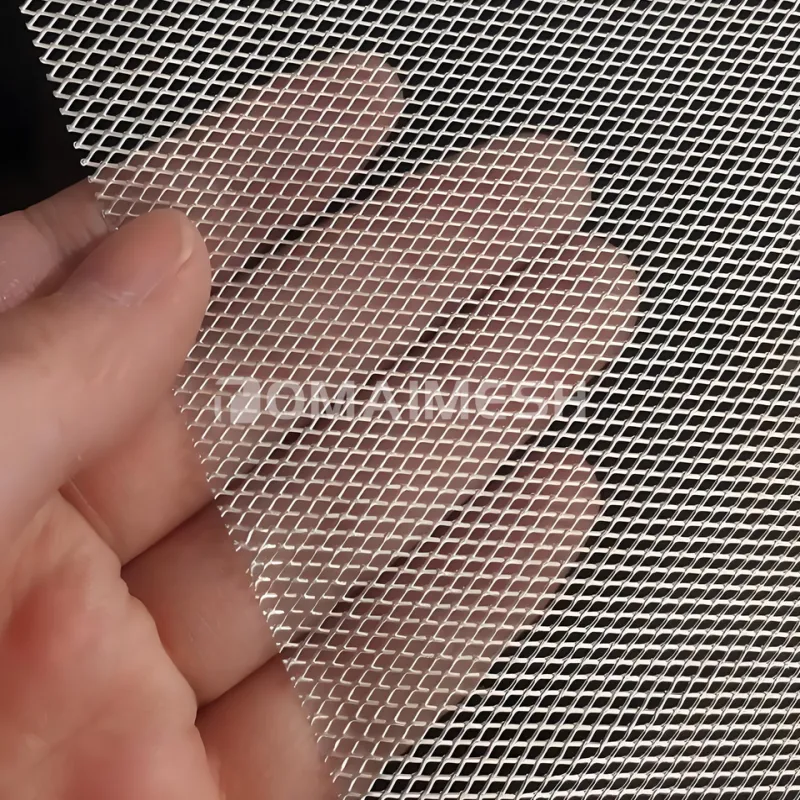

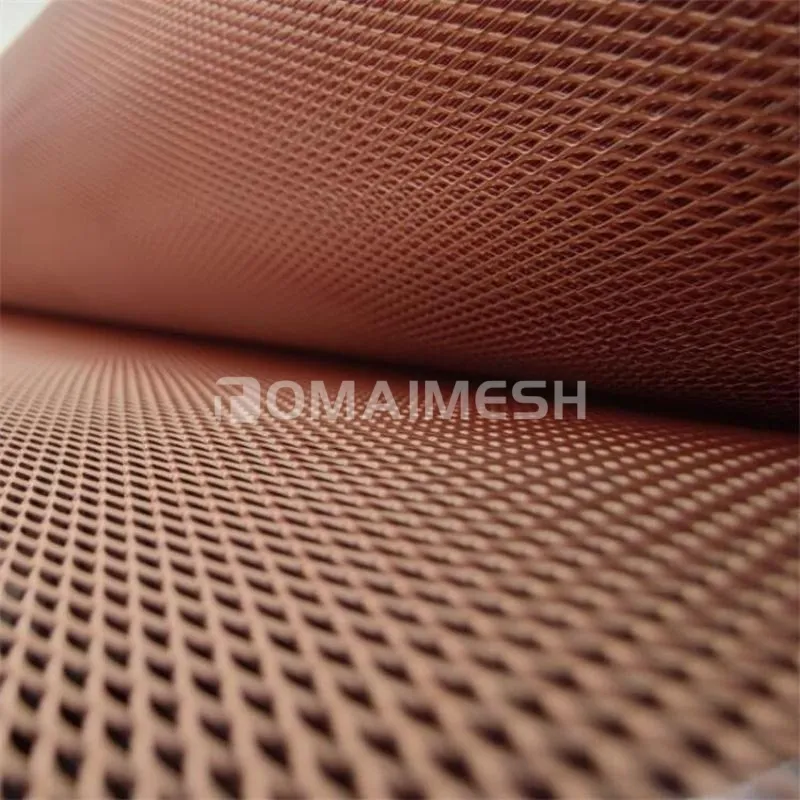
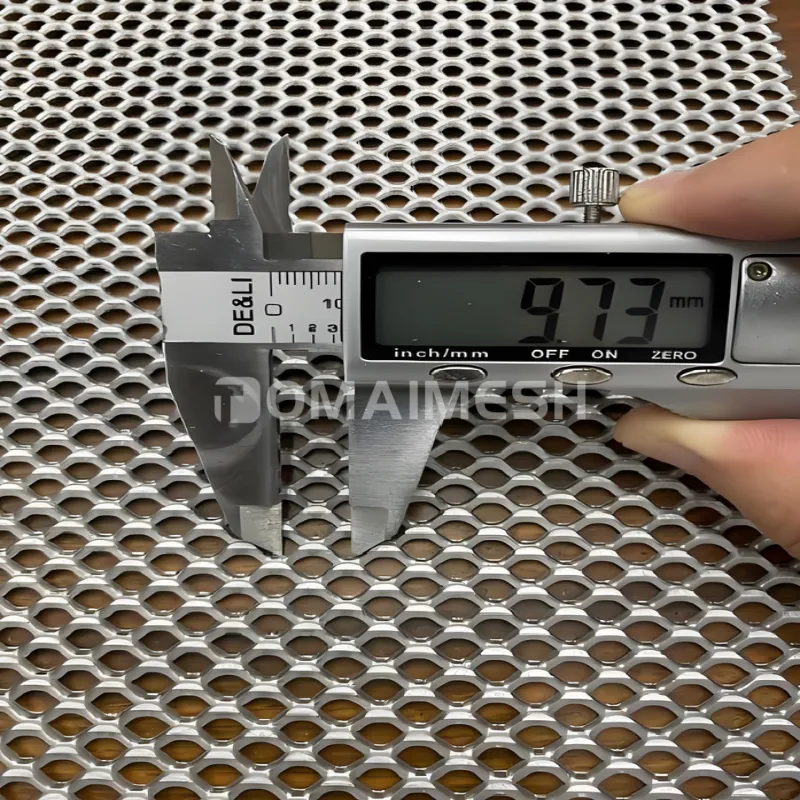
Microporous steel mesh

Material: 304/316L Stainless Steel | Nickel Alloy 200/600 | Titanium Gr1 | SUS430
Fabrication: Photochemical Etching | Laser Drilling | Electroforming 
Pore Specifications: Diameter 1μm-500μm (±2% Tolerance) | Thickness 0.05mm-1.0mm | Porosity 30%-60%
Sheet Size: Standard 300mm×300mm | Customizable (Max 1200mm×3000mm) 
Surface Treatment: Electropolishing (Ra≤0.2μm) | PTFE Coating | Passivation
Applications: Precision Filtration (Gas/Liquid) | Battery Electrodes

Microporous Steel Mesh: Material & Construction
  • High-Performance Alloys:
    • 316L/304 Stainless Steel: Corrosion-resistant (PREN ≥25) for pharmaceutical filtration or chemical processing (pore sizes: 0.1–100 microns).
    • Nickel Alloys (Inconel 600/625): High-temperature stability (up to 1,100°C) for aerospace fuel filtration or exhaust gas recirculation.
    • Sintered Layered Structures: Multi-layer bonding for graded porosity in nanoparticle separation or catalyst recovery.
  • Advanced Manufacturing Techniques:
    • Laser Drilling/Photochemical Etching: Precision pores (±2% tolerance) for uniform flow distribution (e.g., 5–200 µm apertures).
    • Electroforming/Sintering: Creates 3D interconnected pores (30–60% porosity) for high dirt-holding capacity in hydraulic systems.
Read More About micro metal mesh
Microporous Steel Mesh: Performance Advantages
  • Superior Filtration Efficiency:
    • Absolute Rating (ISO 2942): Captures ≥99.9% of particles at specified sizes (e.g., 0.22 µm for sterile air vents).
    • High Flow Rates (ΔP 0.5 bar): Optimized pore geometry for fuel injectors or semiconductor DI water systems.
  • Extreme Durability:
    • Tensile Strength (500–1,200 MPa): Withstands 100+ bar burst pressures in high-pressure chromatography or CNC coolant filtration.
    • Thermal Shock Resistance: Stable across -200°C to +800°C for cryogenic gas filters or thermal reactor screens.
  • Chemical Compatibility:
    • Resists Acids/Alkalis (pH 0–14): Ideal for electroplating bath filtration or caustic soda recovery.
Microporous Steel Mesh: Precision Manufacturing & Quality Assurance
  • Cutting-Edge Production:
    • Nanostructured Sintering: Achieves sub-micron pore uniformity (ASTM E1282) for HEPA/ULPA air filters.
    • Ultrasonic Cleaning: Ensures zero particulate shedding for cleanroom applications (ISO Class 5 compliant).
  • Rigorous Testing Protocols:
    • Bubble Point Testing (ASTM F316): Validates pore integrity in sterile venting membranes.
    • Cyclic Fatigue Testing: Simulates 10,000+ pressure cycles for hydraulic/pneumatic systems (ISO 3724).
    • EDS/XRF Analysis: Guarantees material purity (≤0.1% impurities) for semiconductor wafer processing.
  • Custom Solutions:
    • Asymmetric Pore Designs: Gradient density for cross-flow filtration in bioreactors.
  •  
Read More About micro expanded metal mesh
Microporous Steel Mesh: Industry Applications
  • Pharmaceutical & Biotech:
    • Vaccine Sterile Filtration: 0.22 µm 316L mesh with USP Class VI certification for single-use bioreactors.
    • Lyophilization Trays: Sintered nickel mesh for freeze-drying processes (cGMP compliant).
  • Energy & Chemicals:
    • Fuel Cell Gas Diffusion Layers: 50 µm Inconel 600 mesh for hydrogen purification.
    • Polymer Melt Filtration: 10 µm sintered steel screens in extrusion lines (ASTM D6215).
  • Aerospace & Automotive:
    • Turbine Air Intake Filters: 5 µm electroformed mesh for FOD prevention (SAE AS4059).
    • EV Battery Venting: Hydrophobic PTFE-coated mesh (IP67) for thermal runaway mitigation.
  • Food & Electronics:
    • Carbonation Nozzles: 20 µm laser-drilled 304 mesh for beverage dispensing (3-A Sanitary Standard).
    • Wafer Etching Rinsing: 0.5 µm pore mesh in ultrapure water systems (SEMI F57 compliant).
Micro Expanded Metal Roll

Micro Expanded Metal Roll

Micro Expanded Metal Roll

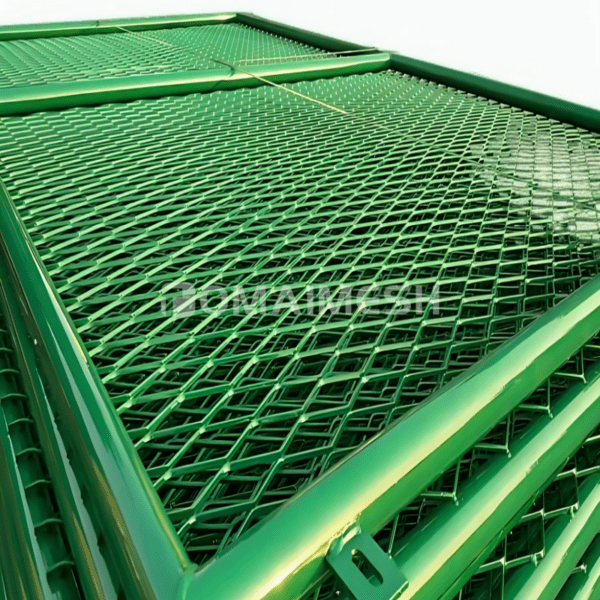
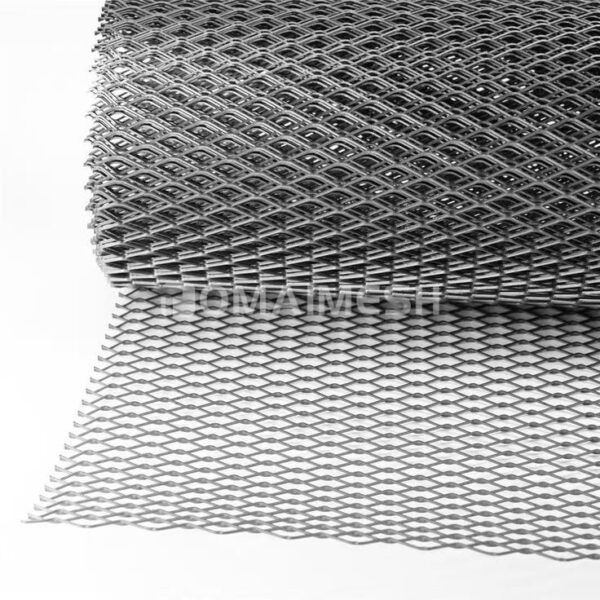
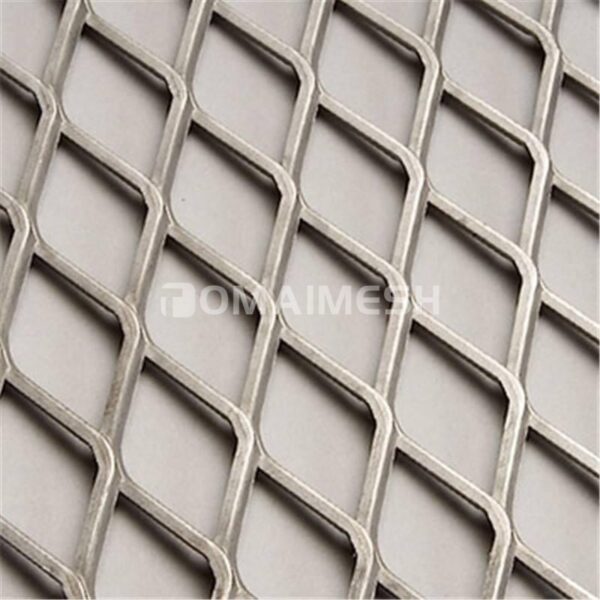
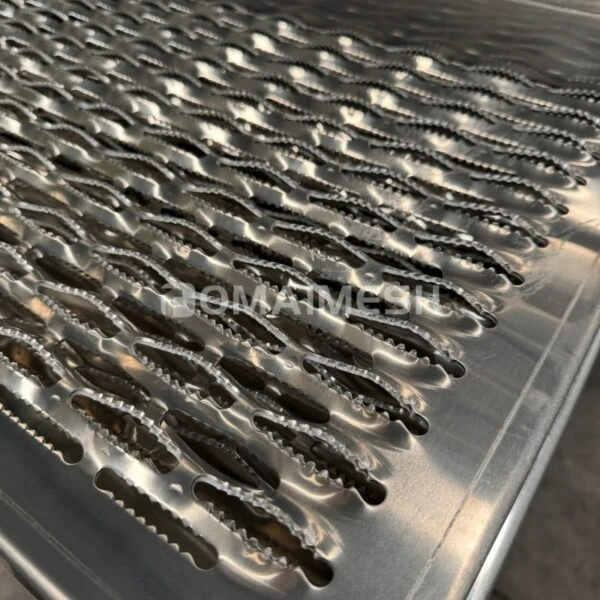
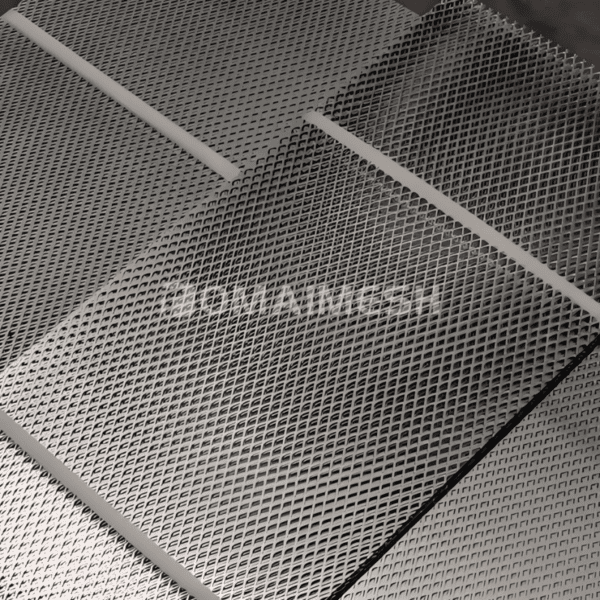
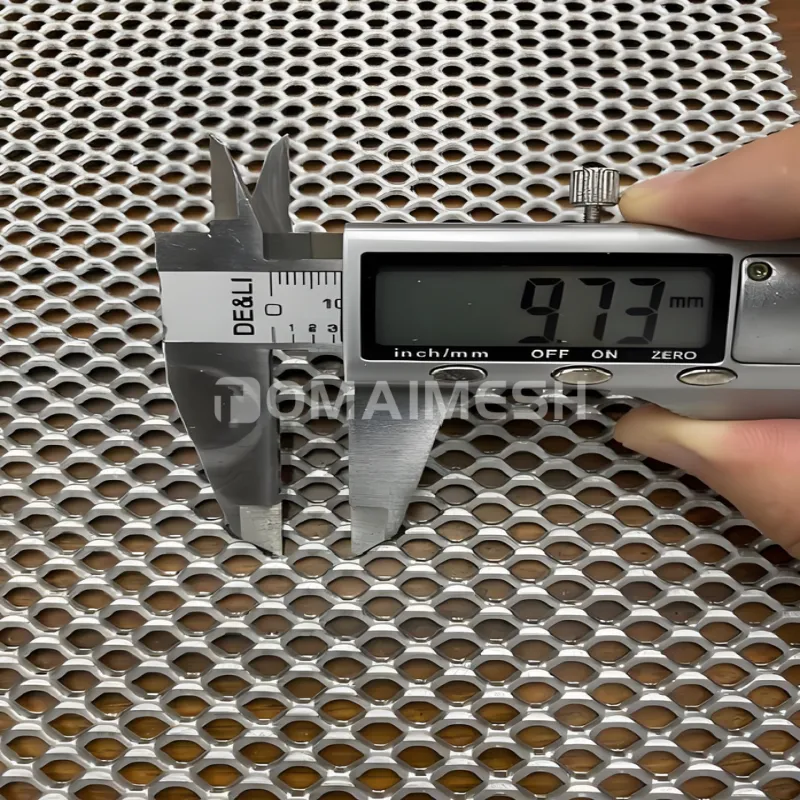
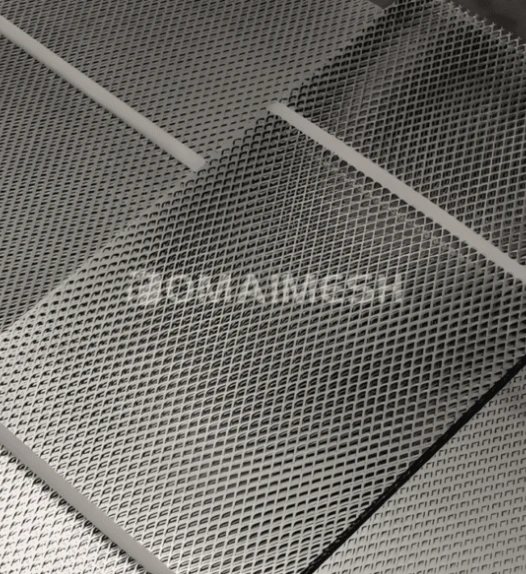
A micro expanded metal roll is a fine, lightweight version of expanded metal that is produced by slitting and stretching very thin sheets of metal, such as stainless steel, aluminum, or copper, into a continuous mesh with extremely small openings. Unlike standard expanded metal, the micro type has a delicate structure with precise and uniform apertures, often resembling a fine wire mesh but with the strength of a single-piece sheet. It is usually supplied in rolls for easier handling, storage, and installation. Micro expanded metal is widely used in applications that require filtration, shielding, or reinforcement. Common uses include air and liquid filters, battery electrodes, speaker grilles, EMI/RFI shielding, precision screens, and protective covers in electronics and medical devices. Its excellent strength-to-weight ratio, flexibility, and corrosion resistance make it suitable for both industrial and commercial uses. With high open area and fine mesh size, micro expanded metal rolls provide effective airflow, drainage, and conductivity, while maintaining durability and long service life.
What Is A Micro Perforated Plate Used For

What Is A Micro Perforated Plate Used For

What Is A Micro Perforated Plate Used For

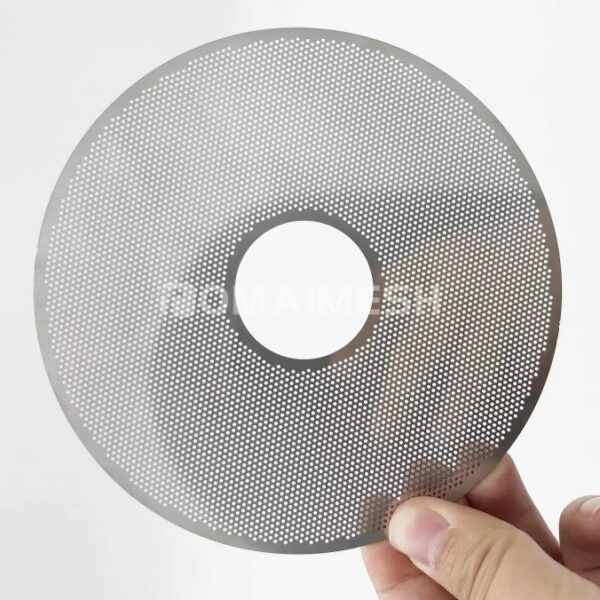
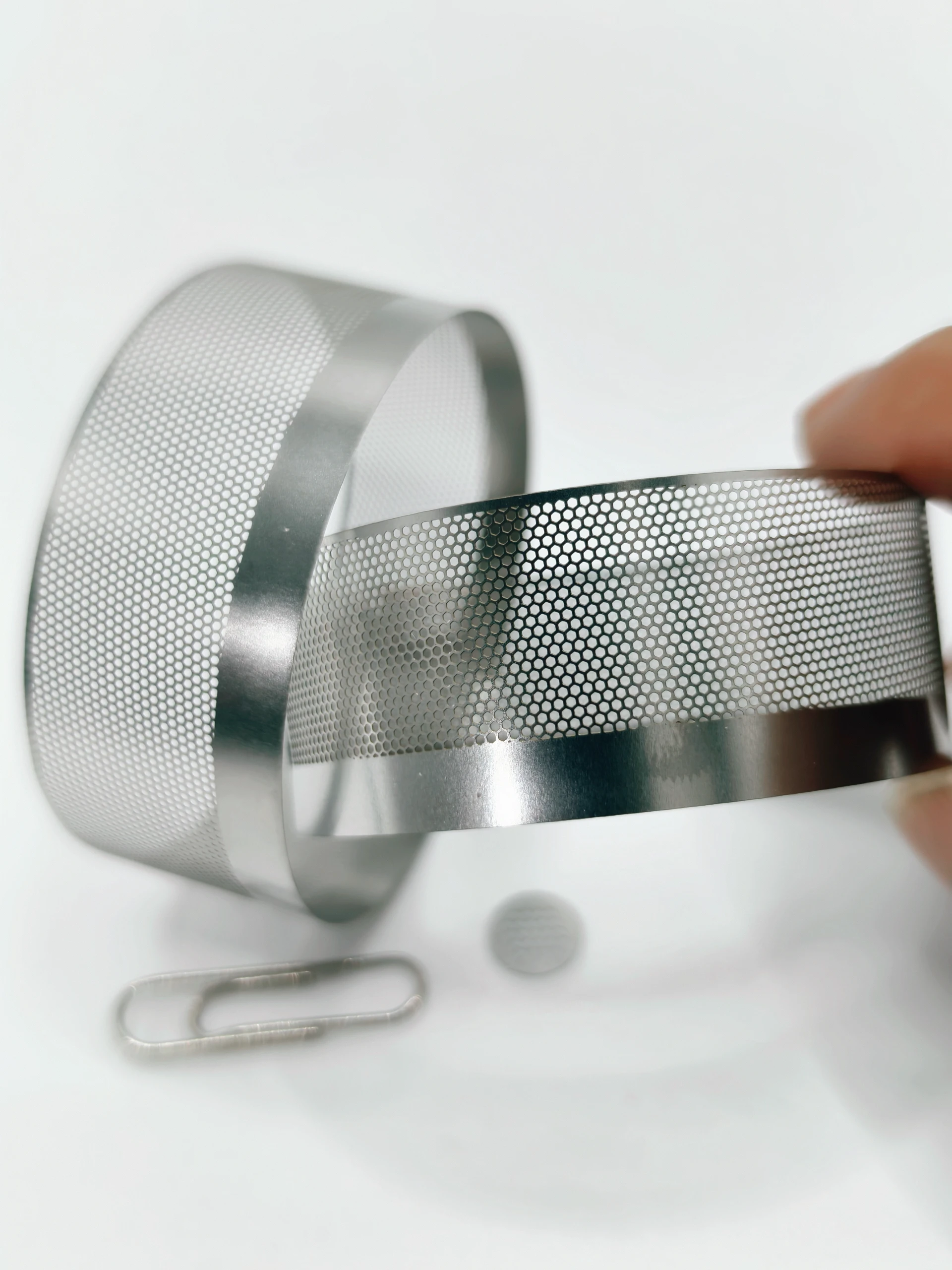
A micro perforated plate is a thin metal sheet that contains a high density of very small, precisely punched or laser-drilled holes. This unique structure makes it highly functional in applications that require airflow, sound absorption, or filtration while maintaining mechanical strength. One of the most common uses is in acoustic engineering, where micro perforated plates act as sound-absorbing panels in walls, ceilings, silencers, and ventilation systems. The tiny holes create a Helmholtz resonance effect that dissipates sound energy, providing excellent noise control without the need for traditional fibrous materials. In addition, micro perforated plates are widely used in filtration and separation systems, where they serve as fine sieves for liquids, gases, or powders. Their precise perforations ensure uniform flow and reliable particle control. They are also employed in architectural design, adding both functional acoustic benefits and aesthetic appeal in modern facades or interior elements. Made from materials like stainless steel or aluminum, these plates offer durability, corrosion resistance, and long service life. With customizable hole sizes, patterns, and thicknesses, micro perforated plates are versatile solutions for industries such as construction, automotive, aerospace, and environmental engineering.

If you are interested in our products, you can choose to leave your information here, and we will be in touch with you shortly.