What Is Expanded Metal Mesh Used For
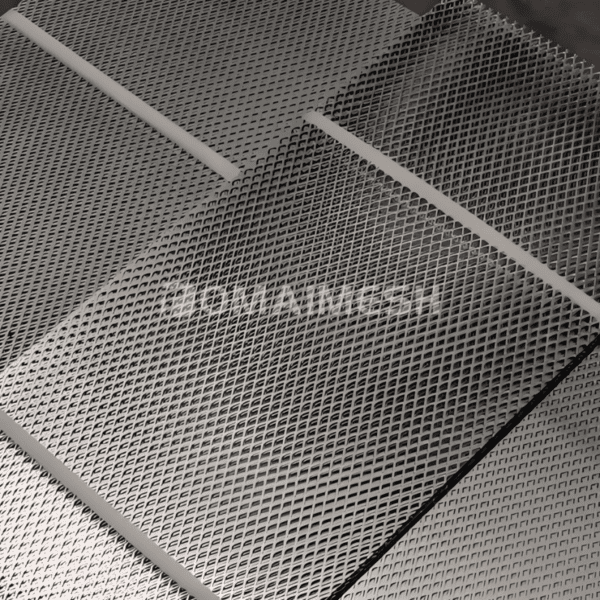
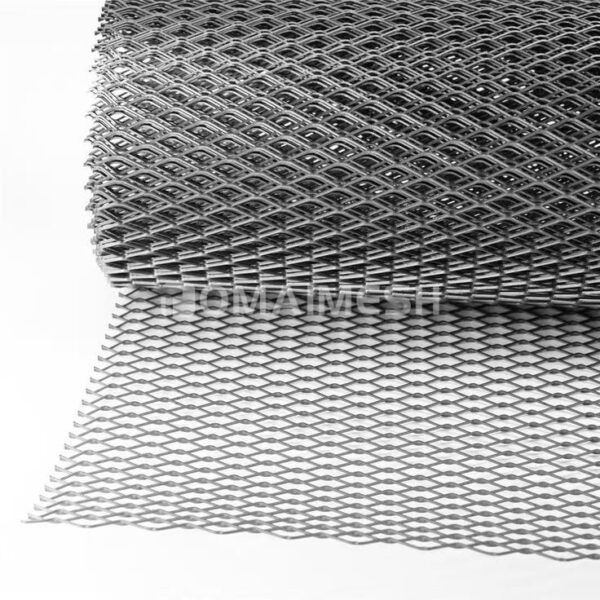
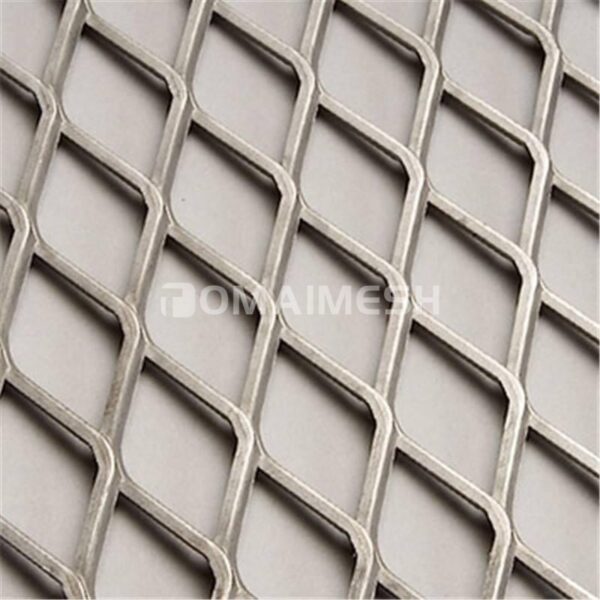
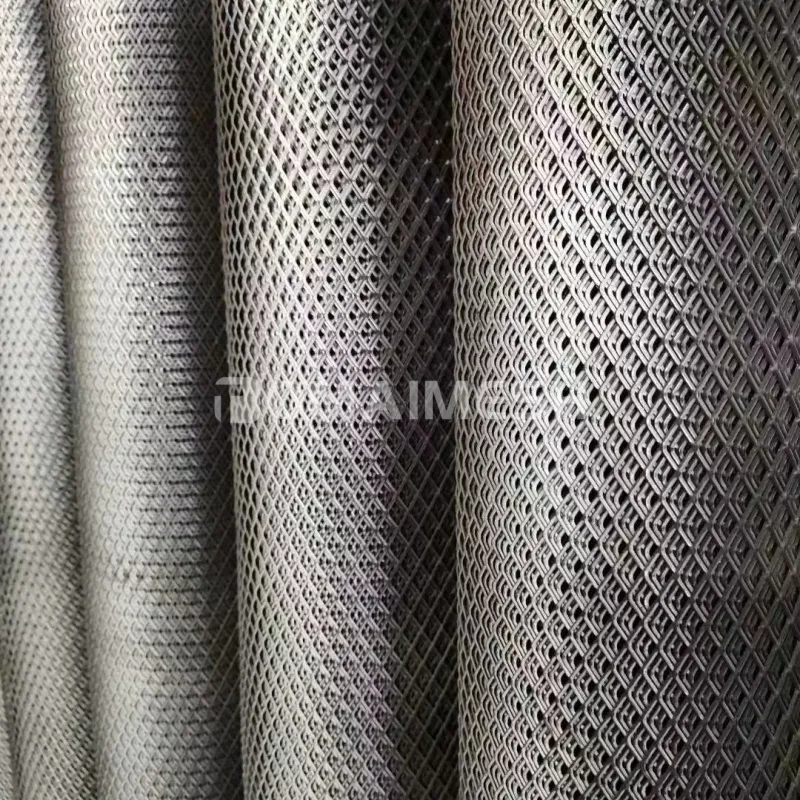
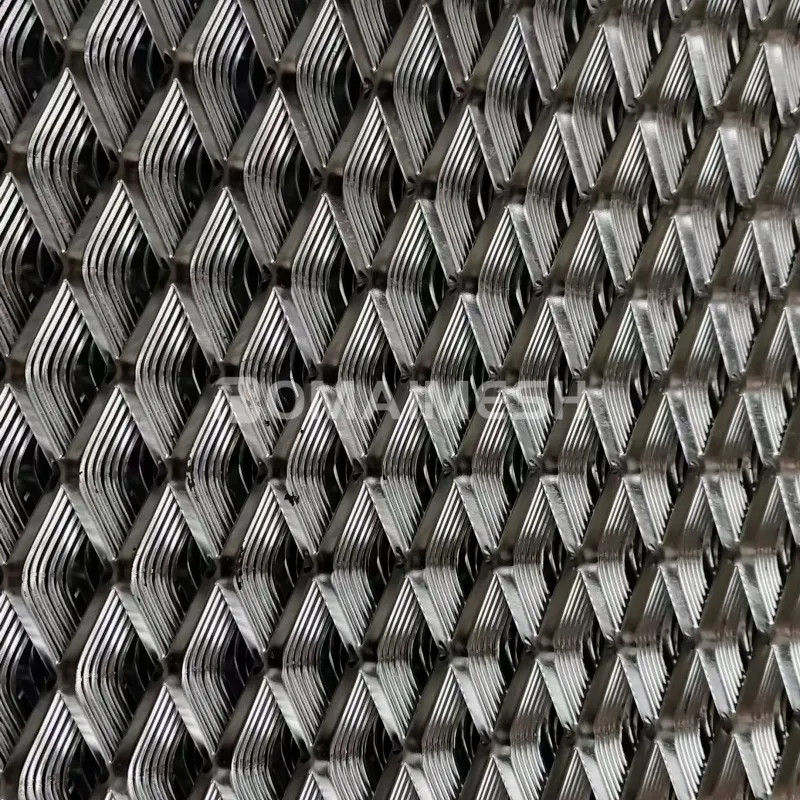
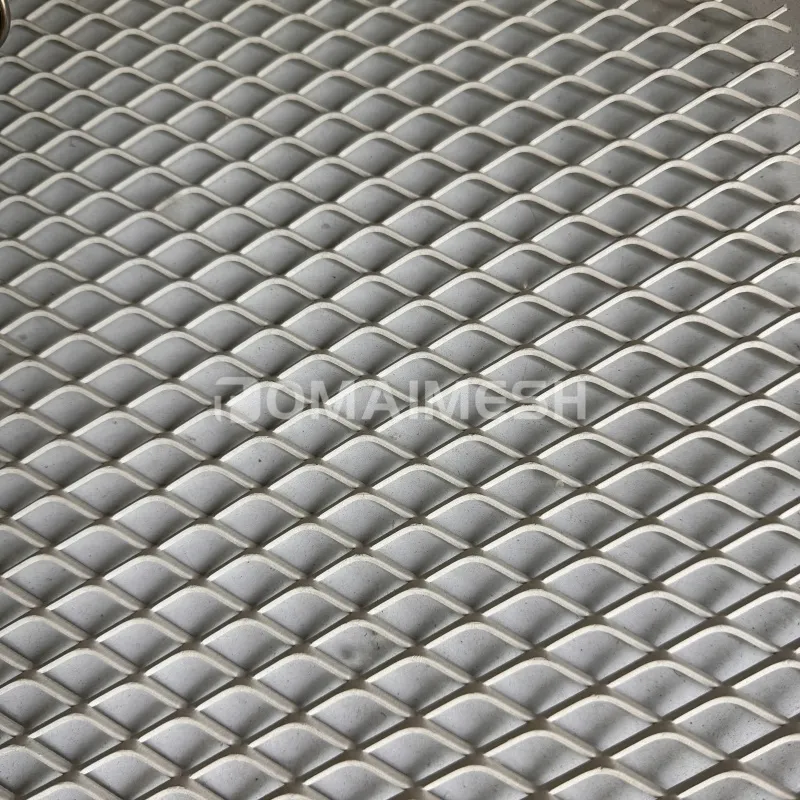
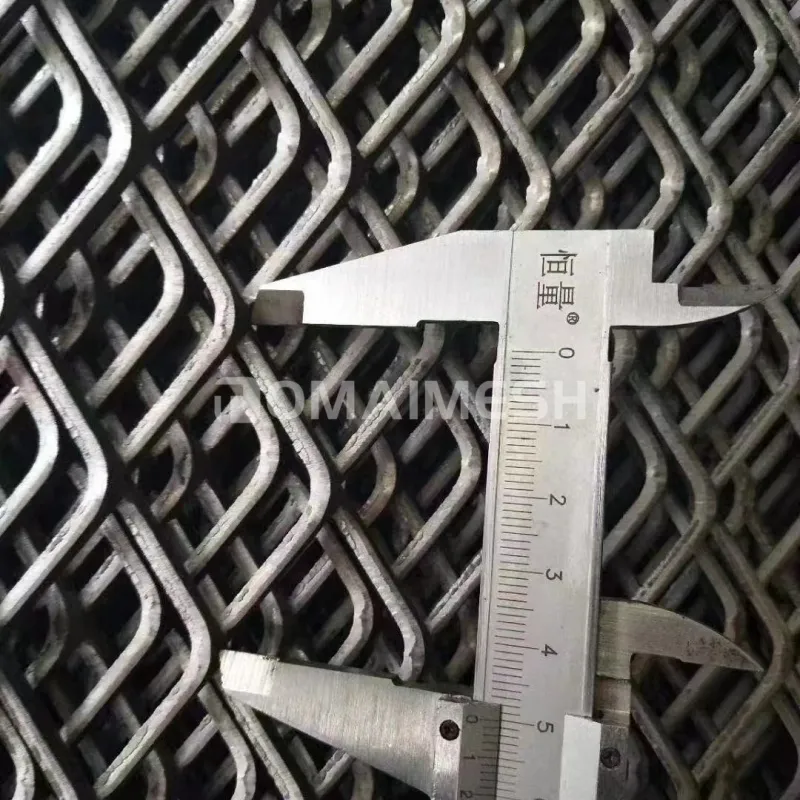
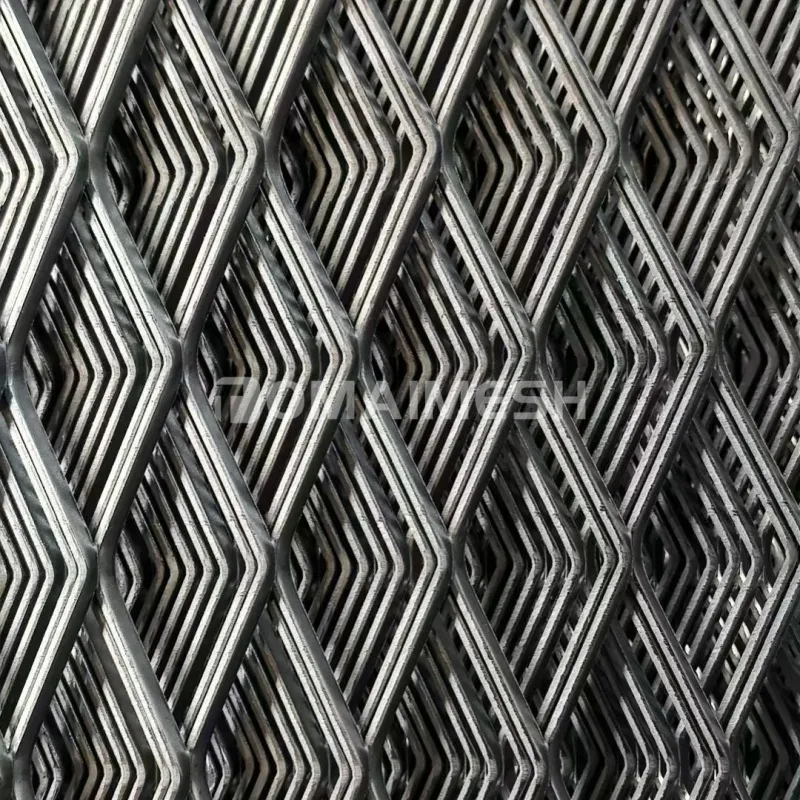
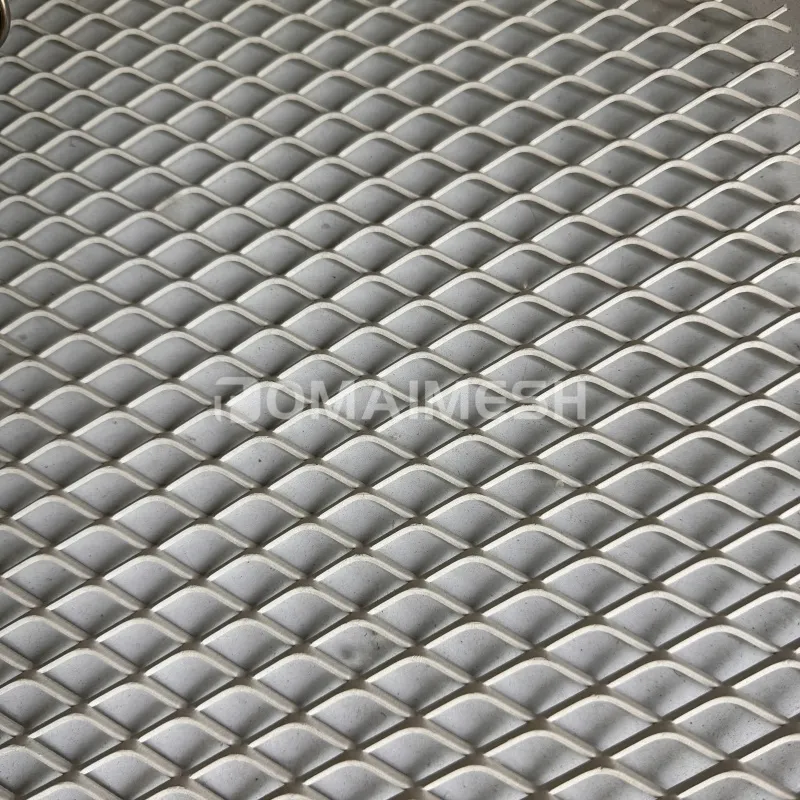
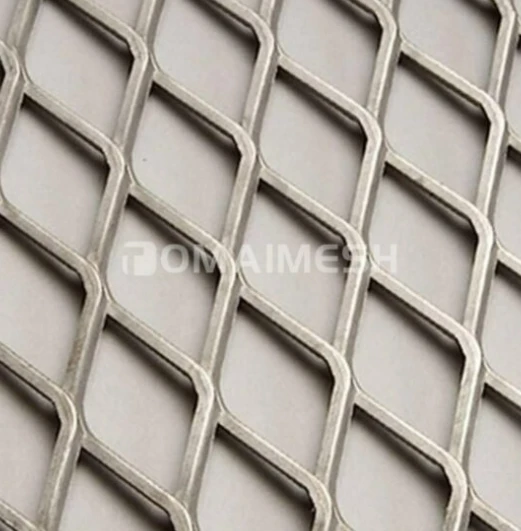
Expanded metal mesh is a sheet of metal that has been cut and stretched to form a diamond- or hexagon-shaped pattern. It is widely used in construction, industrial, and security applications due to its strength, durability, and lightweight structure.
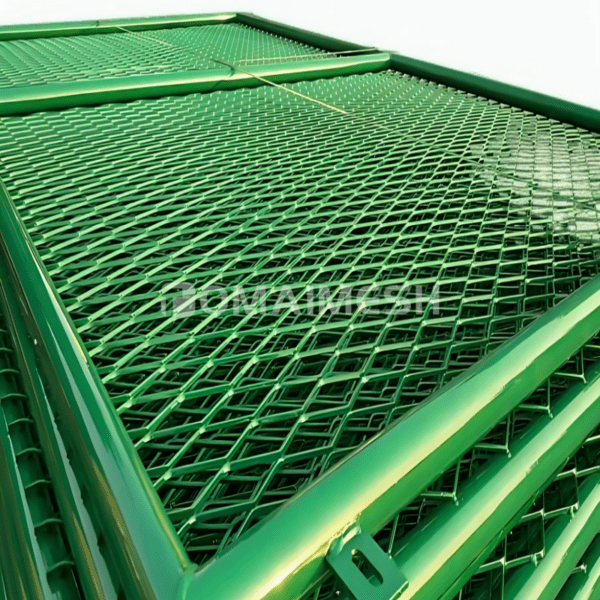
Applications: Expanded metal mesh is commonly used for walkways, stair treads, fencing, protective guards, and machine enclosures. In construction, it serves as reinforcement for plaster, concrete, or insulation. Its open design allows air, light, and fluids to pass through, making it suitable for ventilation panels, filters, and sunshades.
Advantages: Expanded metal mesh offers high strength-to-weight ratio, corrosion resistance (when made from stainless steel or coated metals), and anti-slip surfaces. It is easy to cut, shape, and install, providing a cost-effective solution for safety, support, and aesthetic purposes in both industrial and architectural settings.
Why Is Expanded Metal So Expensive
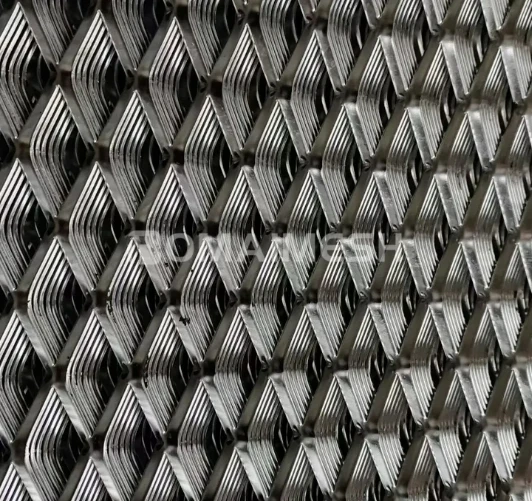
Manufacturing Process – Expanded metal is produced by simultaneously cutting and stretching a solid metal sheet to create a diamond or hexagonal pattern. This process requires precise machinery and skilled labor, which increases production costs.
Material Efficiency – While the process avoids waste of metal (unlike perforated sheets), it uses higher-grade metals such as stainless steel, aluminum, or alloys, which are inherently more expensive.
Durability and Strength – Expanded metal has a high strength-to-weight ratio and excellent load-bearing capacity. Its structural integrity and resistance to deformation justify a higher price.
Corrosion Resistance and Finishes – Many expanded metal products are coated, galvanized, or made from corrosion-resistant materials to withstand harsh environments, adding to cost.
Customization – Expanded metal can be produced in various thicknesses, patterns, and sizes, and custom orders often increase the price due to specialized tooling and production adjustments.


Hit enter to search or ESC to close