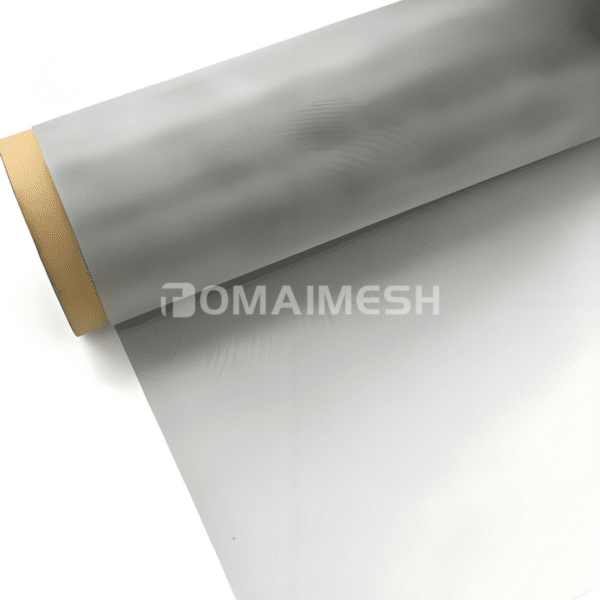
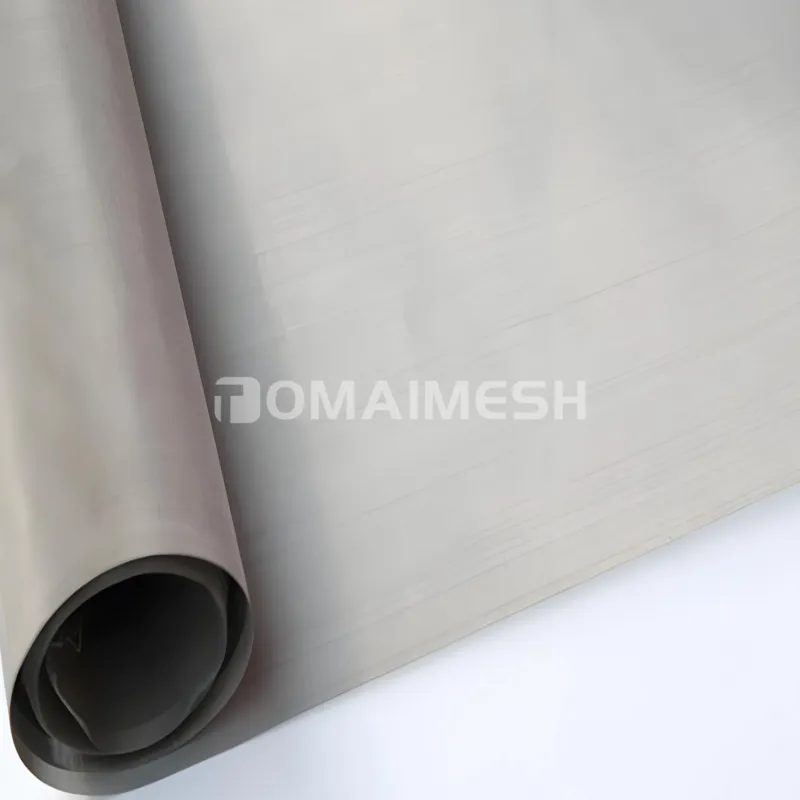
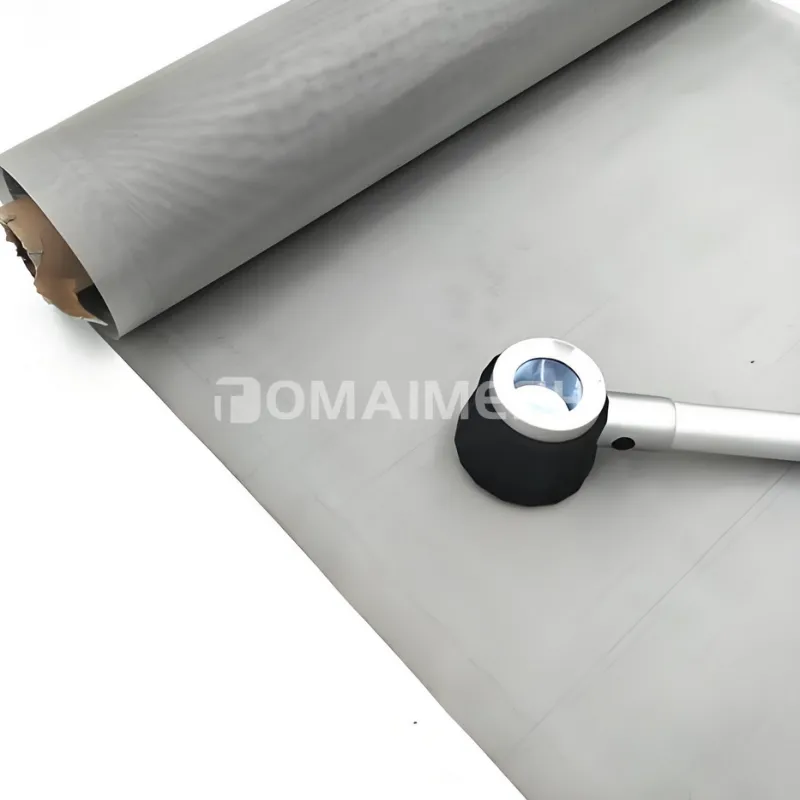
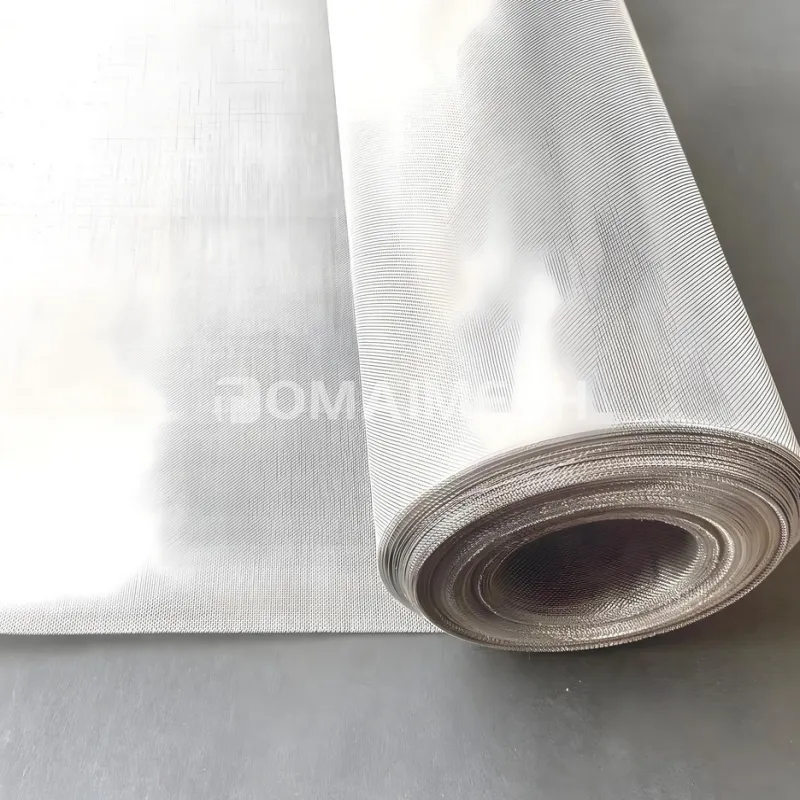
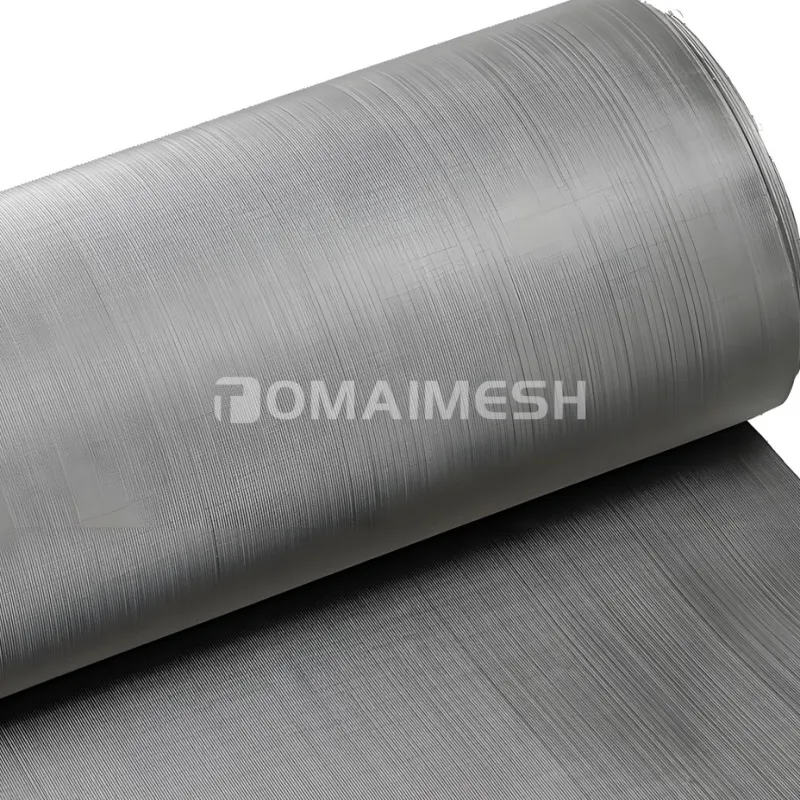
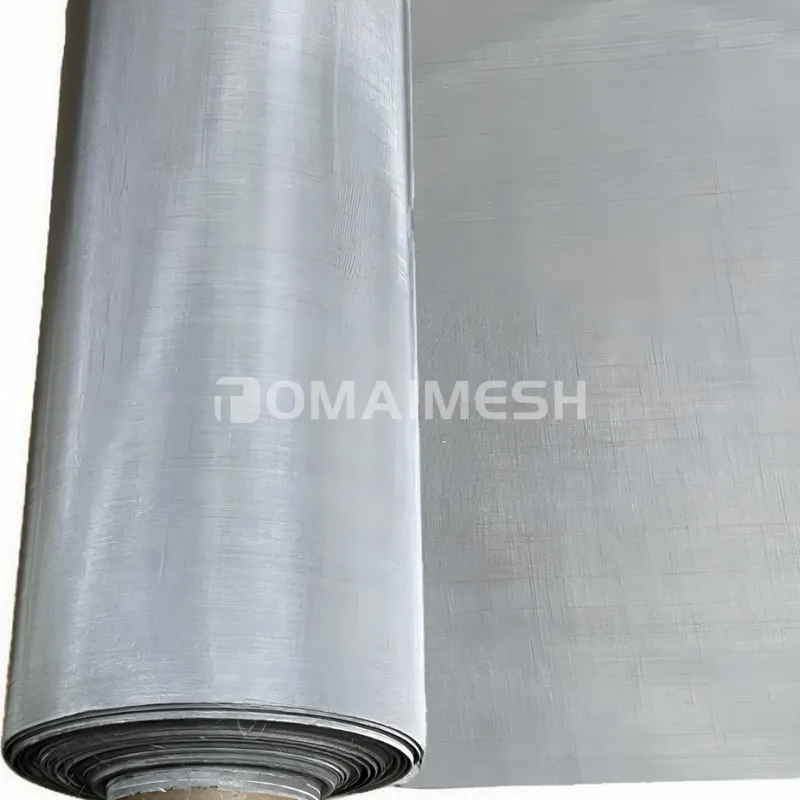
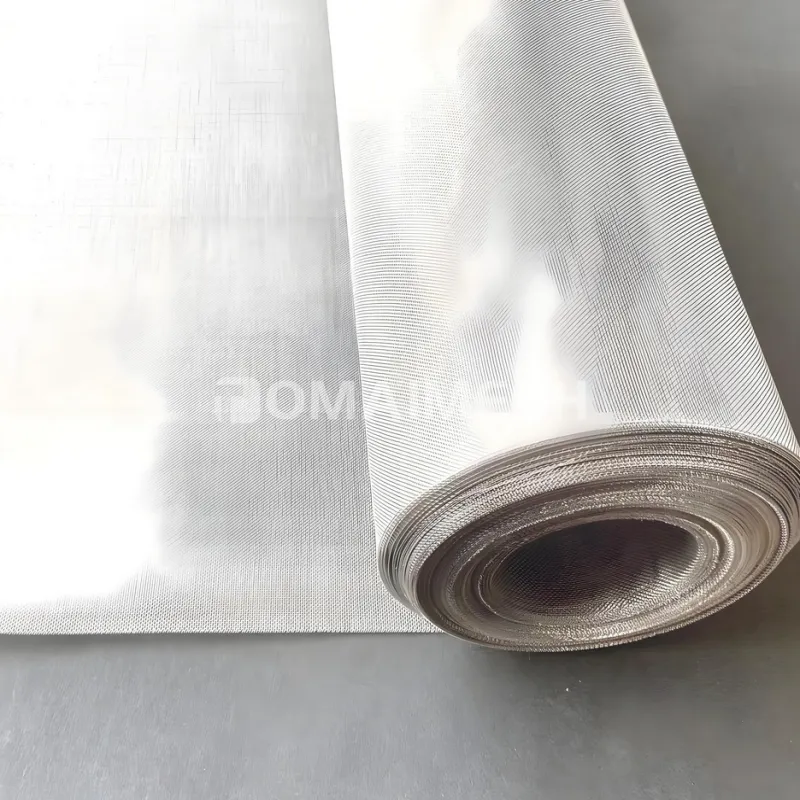
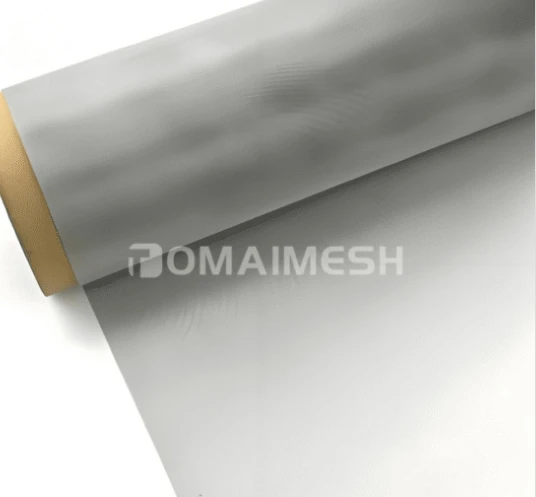
Stainless Steel Woven Wire Mesh

Material: 316L Stainless Steel + Gr5 Titanium Alloy (Ti-6Al-4V) | ASTM F67
Weave Type: Plain/Twill Weave | Hybrid Welded Joints | Custom Layered
Wire & Mesh: Wire Ø0.1mm-3.0mm (±1.5%) | Mesh Count 20-300
Thickness & Strength: 0.5mm-6mm | Tensile Strength ≥800MPa
Surface Treatment: Acid Pickling (ASTM A380) | Electropolished (Ra≤0.2μm)
Applications: Aerospace Components | Marine Heat Exchangers 

Stainless Steel-Titanium Alloy Mesh: Material & Construction
  • Advanced Hybrid Alloy Design:
    • Grade 316L/Ti-6Al-4V Composite: Combines 316L stainless steel (16–18% Cr, 10–14% Ni, 2–3% Mo) with titanium alloy (6% Al, 4% V) for synergistic mechanical properties (tensile strength: 900–1,200 MPa, elongation: 15–20%).
  • Innovative Weave Configurations:
    • Multi-Layer Twill Weaves: Ultra-fine filtration (0.5–10 µm pores) for pharmaceutical sterile filtration or semiconductor chemical processing.
    • Reinforced Lock-Seam Edges: Prevents unraveling in high-vibration environments like aerospace fuel systems or mining shaker screens.
  • Customizable Specifications:
    • Aperture Precision: Ranges from sub-micron (lab-grade filters) to 25 mm (architectural cladding).
    • Post-Processing Options: Electropolishing (Ra ≤0.1 µm) for medical implants or plasma-sprayed alumina coatings for abrasion resistance.
Read More About 304 stainless steel woven wire mesh
Read More About woven wire mesh for sale
Stainless Steel-Titanium Alloy Mesh: Performance Advantages
  • Extreme Environmental Resistance:
    • Corrosion Immunity: Withstands 10,000+ hours in salt fog (ASTM B117), HCl (pH 1), and H₂S-rich environments (NACE MR0175 compliant).
    • Oxidation Resistance: Stable up to 800°C in exhaust gas systems or thermal processing furnaces (ASTM E292).
  • Superior Mechanical Properties:
    • Fatigue Life3x longer than standard stainless steel in cyclic loading (ASTM E466, 10⁷ cycles at 500 MPa).
    • High Strength-to-Weight Ratio40% lighter than pure steel mesh with equivalent load capacity (50 kN/m²).
  • Multifunctional Capabilities:
    • Biocompatibility: Zero nickel leaching (ASTM F138/F139) for cranial implants or orthopedic scaffolds.
Stainless Steel-Titanium Alloy Mesh: Precision Manufacturing & Testing
  • Cutting-Edge Production Methods:
    • Laser Beam Welding (LBW)0.2 mm HAZ width for cryogenic applications (ASTM A240).
    • Additive Manufacturing (EBM): 3D-printed mesh structures for custom vascular stents or heat exchanger cores.
  • Rigorous Quality Protocols:
    • Metallographic Analysis (ASTM E3): Confirms absence of intermetallic phases and homogeneous alloy distribution.
    • Cyclic Corrosion TestingGM 9540P standards for automotive exhaust filters or offshore rig components.
    • XRD Composition Verification: Ensures ±0.3% elemental accuracy (Cr, Mo, Ti) for critical applications.
  • Certifications & Compliance:
    • FDA 510(k): For implantable medical devices (e.g., hernia repair mesh).
    • ASME BPVC Section VIII: Certified for pressure vessel internals in chemical reactors.
Read More About woven stainless steel mesh
Stainless Steel-Titanium Alloy Mesh: Industry Applications
  • Aerospace & Defense:
    • Jet Engine Acoustic Liners: Ti-6Al-4V mesh with thermal spray coatings (1,200°C stability).
    • Satellite Radiation Shields: Multi-layer hybrid mesh for orbital debris protection (MIL-STD-810G).
  • Medical & Biotechnology:
    • Dental Bone Graft Meshes: Electropolished 316L-Ti (0.3 mm wire) with osseointegration-promoting surfaces.
    • MRI-Compatible Surgical Tools: Non-magnetic alloy mesh for image-guided procedures (ASTM F2503).
  • Energy & Chemical:
    • Hydrogen Fuel Cell Flow Fields: Laser-etched mesh (0.2 mm thickness) for proton exchange membrane efficiency.
    • Geothermal Well Screens: Titanium-clad design (API RP 19C) for high-salinity brine environments.
  • Automotive & EV:
    • EV Battery Thermal Management: Lightweight Ti mesh (0.15 mm wire) for heat dissipation (SAE J2464).
    • Exhaust Particulate Filters: Sintered 316L-Ti mesh (15 µm pores) meeting Euro 7/EPA Tier 4 standards.
  • Marine & Offshore:
    • Subsea Pipeline Protection: Reinforced alloy mesh (70 kN/m² load) with cathodic protection compatibility.
    • Desalination Plant Pre-Filters: Anti-biofouling mesh (PREN ≥45) for seawater reverse osmosis systems.
What Is The Difference Between 304 And 316 Stainless Steel Mesh?

What Is The Difference Between 304 And 316 Stainless Steel Mesh?

What Is The Difference Between 304 And 316 Stainless Steel Mesh?

304 and 316 stainless steel mesh are widely used for filtration, screening, and protective applications, but they differ in corrosion resistance and chemical composition.

304 stainless steel mesh contains approximately 18% chromium and 8% nickel. It offers good corrosion resistance in normal environments and is suitable for general-purpose applications such as air filters, sieves, and industrial screens. However, it is less resistant to chloride, saltwater, or highly corrosive chemicals.

316 stainless steel mesh includes about 16–18% chromium, 10–14% nickel, and 2–3% molybdenum. The addition of molybdenum enhances resistance to pitting, rust, and corrosion in harsh environments, including marine, chemical, and acidic conditions.

In summary, 304 stainless steel mesh is cost-effective for standard applications, while 316 stainless steel mesh is ideal for demanding conditions where superior corrosion resistance and durability are required.
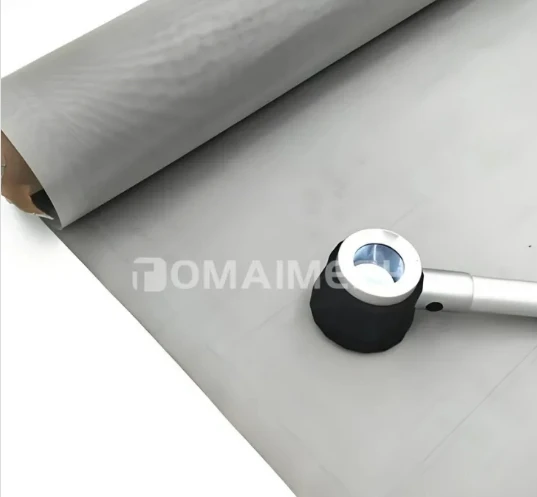
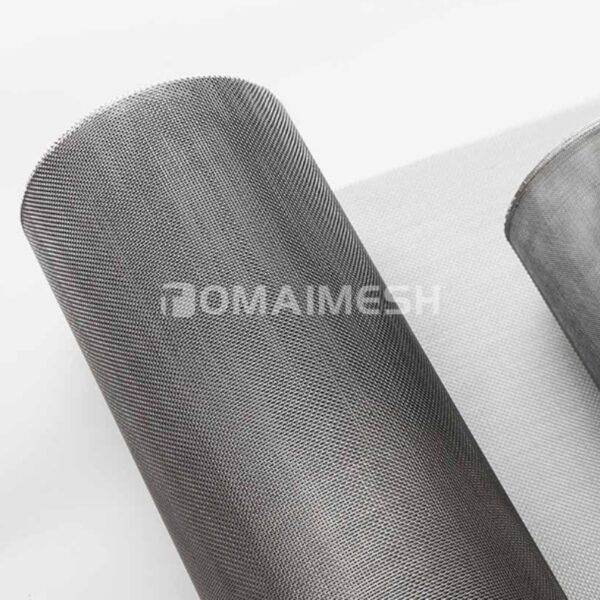
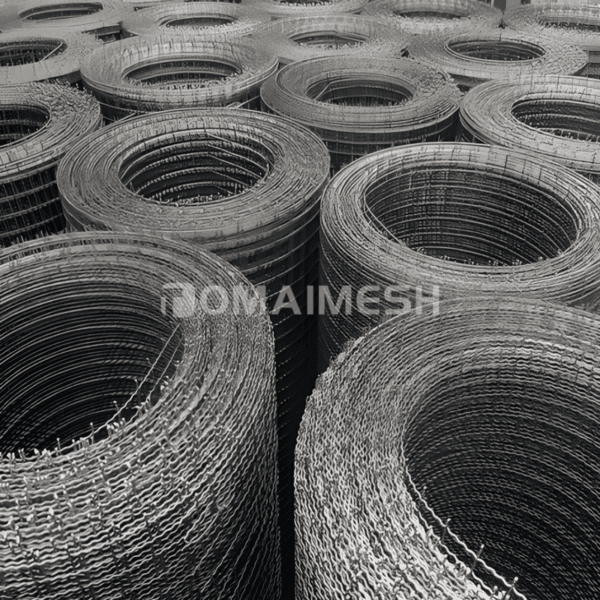
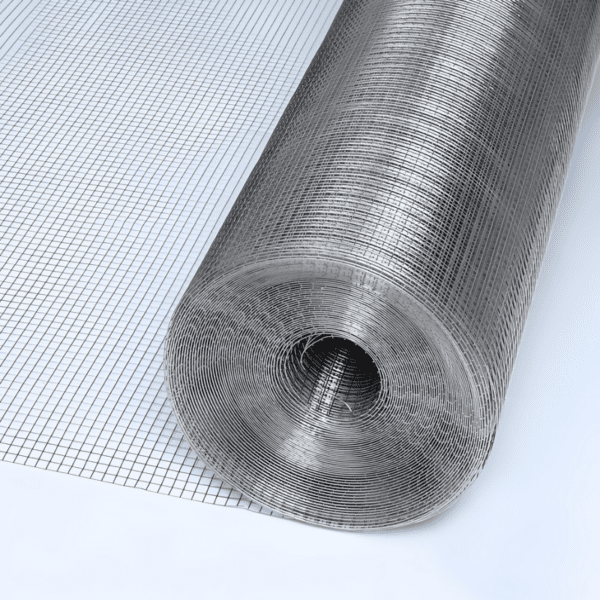
Stainless Steel Woven Wire Mesh Roll

Stainless Steel Woven Wire Mesh Roll

Stainless Steel Woven Wire Mesh Roll

A stainless steel woven wire mesh roll is a versatile and durable filtration and screening material made by weaving stainless steel wires into a grid pattern. The mesh can have various weave styles, such as plain weave, twill weave, or Dutch weave, depending on the required strength, filtration precision, and application.

These rolls are widely used in industrial, commercial, and scientific applications, including filtration, sieving, separation, reinforcement, and protective screening. Stainless steel provides excellent corrosion resistance, high tensile strength, and long service life, making the mesh suitable for harsh environments, including chemical processing, food and beverage, pharmaceuticals, and marine applications.

The rolls come in various widths, lengths, wire diameters, and mesh counts, allowing customization to meet specific filtration or screening requirements. They are easy to cut, shape, and install, providing a cost-effective and reliable solution for both heavy-duty and precision applications.

If you are interested in our products, you can choose to leave your information here, and we will be in touch with you shortly.