Understanding the Perforated Vegetable Basket: Why It Matters Worldwide
At first glance, a perforated vegetable basket might seem like just a humble kitchen or industrial tool. But dig a little deeper, and there’s a surprising amount of thought, engineering, and global importance packed into this simple item. From reducing food spoilage to enhancing supply chain efficiency, understanding the role of perforated vegetable baskets opens a whole world of benefits – economically, environmentally, and socially. With global populations rising and demand for fresh produce skyrocketing, these baskets quietly but effectively tackle a variety of challenges, especially in storage, transportation, and post-harvest handling, making food safer, fresher, and more accessible everywhere.
The Global Context: Why Perforated Vegetable Baskets Are More Than Just Containers
Across continents, an estimated one-third of all food produced is lost or wasted (FAO), much of it due to poor storage and transportation. Enter the perforated vegetable basket – a simple but crucial solution used from sprawling commercial farms in California to smallholder markets in sub-Saharan Africa. These baskets allow air to circulate, preventing moisture buildup and mold, which are primary culprits of spoilage. Not to mention, they reduce bruising during transport, keeping produce market-ready longer.
According to ISO standards related to food packaging and hygiene, ventilation in storage containers directly affects produce shelf life. That’s a global hint: even a small difference in container design impacts the fresh food supply chain from producer to consumer. So, while it may feel like a niche product, the perforated vegetable basket answers a global call to reduce waste, enhance food security, and improve livelihood for farmers and vendors alike.
Mini Takeaway:
Perforated vegetable baskets are a frontline defense against food waste worldwide, allowing fresh produce to breathe and last longer during transport and storage.
What Exactly Is a Perforated Vegetable Basket?
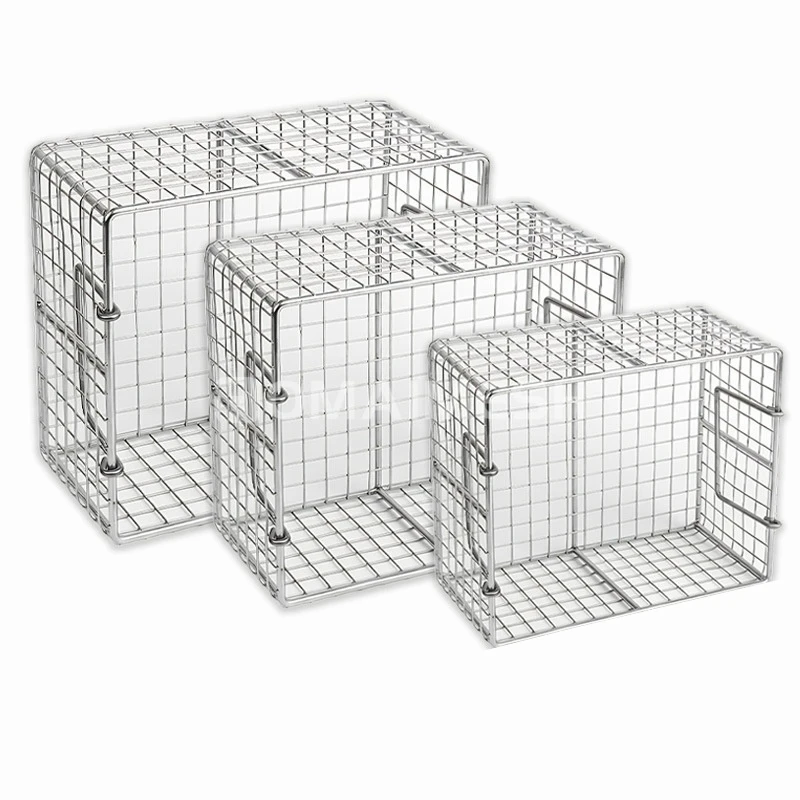
Simply put, it’s a basket—usually made from plastic or durable metal—with holes or slots in its sides and bottom. These perforations allow airflow and drainage, which help keep fruits and vegetables fresh by avoiding moisture buildup. Unlike closed containers, these baskets allow humidity to escape, which is essential during post-harvest handling, sorting, and shipping.
These baskets are common in industries ranging from agriculture to retail and humanitarian food relief. They meet modern demands for hygienic, reusable, and stackable produce holders that can survive rough handling and repeated cleaning. So, they’re not just baskets — they’re carefully designed tools to optimize freshness and reduce losses.
Mini Takeaway:
A perforated vegetable basket is a thoughtfully engineered container designed to keep produce aerated and dry, enabling longer freshness and better handling.
Core Features You Should Know About
1. Durability
Most baskets are constructed from food-grade plastics like polypropylene or polyethylene, often resistant to UV light, impacts, and chemicals. This means they endure dusty farms, wet markets, and sometimes heavy stacking without cracking.
2. Ventilation
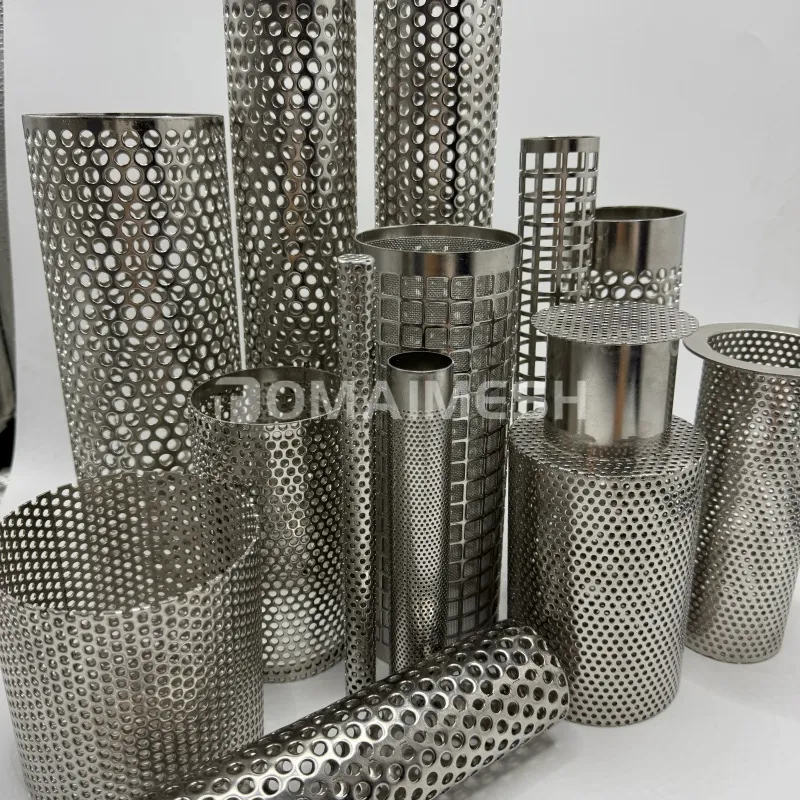
The perforations vary in size and placement, balancing maximum airflow with security so small fruits or vegetables don’t slip out. The design must also allow water to drain quickly to prevent rot.
3. Stackability and Scalability
They are usually designed to be stackable—think neat pyramids in trucks or warehouses—to maximize space without crushing delicate produce beneath.
4. Cost Efficiency
Reusable baskets save money long-term compared to disposable cartons or bags. While upfront costs are higher, their lifespan can reach several years with proper care.
5. Hygiene & Maintenance
Thanks to their simple plastic or metal construction, these baskets are easy to clean and sanitize, a must for food safety compliance.
Typical Perforated Vegetable Basket Specifications
| Feature |
Specification |
| Material |
High-density polyethylene (HDPE), polypropylene |
| Weight |
Approximately 500–800 grams per basket |
| Dimensions |
Typically 50 x 30 x 20 cm |
| Ventilation holes |
5–15 mm diameter perforations; pattern depends on basket style |
| Stacking capacity |
Up to 6 baskets high when fully loaded |
| Color options |
Multiple (often green, blue, or red for sorting) |
Mini Takeaway:
The basket’s success depends on durability, airflow, stackability, cost, and ease of cleaning – the practical ingredients for handling fresh produce.
Where and How Are Perforated Vegetable Baskets Used Globally?
You’ll find these baskets everywhere from the bustling vegetable markets of India to the expansive refrigerated logistics warehouses in Europe. Commercial farms use them during harvest to gather and transport vegetables swiftly. Retailers rely on them for display while keeping produce fresh and visually appealing. Plus, humanitarian organizations use them for efficient distribution of food aid in disaster zones.
In East Africa, for instance, NGOs have equipped smallholder farmers with these baskets to reduce food waste and improve income, a practical step towards meeting sustainable development goals (UN SDGs). Meanwhile, vegetable exporters in Latin America depend on perforated baskets to maintain quality during overseas transport, minimizing callbacks and losses.
Mini Takeaway:
The perforated vegetable basket spans farming, retail, and relief sectors worldwide, proving its versatile role in preserving food quality and cutting waste.
Advantages That Make These Baskets Worth Investing In
- Cost savings: reusable design diminishes frequent purchases of disposable alternatives.
- Sustainability: reduced food spoilage means less waste, promoting environmental stewardship.
- Improved hygiene & safety: easy to clean surfaces decrease contamination risks.
- Enhanced reputation: consistent produce appearance enhances buyer confidence and consumer trust.
- Worker dignity: baskets designed to reduce handling strain show consideration for farm workers’ well-being.
Oddly enough, the emotional angle — trusting your vendor because the vegetables look fresher and handling has been safer — is just as valuable. Good design builds trust quietly but powerfully.
Mini Takeaway:
Using perforated vegetable baskets makes economic sense, supports the environment, safeguards health, and lifts social trust all at once.
Where Is the Industry Headed? Innovations on the Horizon
I’ve noticed some pretty exciting moves lately. Biodegradable plastics and recycled materials are increasingly popular, aiming to reduce plastic waste problems. Additive manufacturing (3D printing) lets companies test new ventilation patterns for even better airflow. Meanwhile, smart tracking technologies embedded in crates (RFID tags) help farmers and shippers monitor produce in real time, reducing losses further by optimizing logistics.
Sustainability policies by governments and customer demand for greener product handling will push manufacturers to innovate faster. So, your typical basket of tomorrow could be smarter, greener, and even more reliable.
Common Challenges & How Companies Are Solving Them
The main downside? Initial cost and material wear in harsh environments. Rough handling, UV exposure, and chemicals can degrade baskets faster than expected. But many vendors now offer lifetime warranties or replacement programs, ensuring ROI over time. Also, modular designs with replaceable panels reduce full basket disposal.
Some companies struggle with local manufacturing capabilities, especially in developing countries. Partnerships with NGOs and government subsidies have helped bridge this gap, providing durable baskets at affordable rates.
Vendor Comparison: Which Perforated Vegetable Basket Might Suit Your Needs?
| Vendor |
Material Type |
Durability Rating |
Price Range (USD) |
Special Features |
Ideal Use Case |
| Tomai Filter |
Food-grade HDPE |
High |
15–25 |
Stackable, customizable perforations |
Commercial farms, markets |
| AgriGoods Co. |
Recycled polypropylene |
Medium-High |
12–20 |
UV resistant, color-coded options |
Exporters, wholesalers |
| GreenPack Solutions |
Biodegradable composite |
Medium |
18–30 |
Eco-friendly, compostable |
Green retail chains, NGOs |
FAQ: Quick Answers About Perforated Vegetable Baskets
Q1: What materials make the best perforated vegetable baskets?
Food-grade plastics like HDPE and polypropylene are most common because they’re durable, safe for produce contact, and easy to clean. Biodegradable options exist but often trade off some lifespan.
Q2: How do perforated baskets reduce food waste?
The holes let air circulate and moisture drain, which lowers spoilage from mold and rot. Improved ventilation extends freshness during storage and transit.
Q3: Are these baskets suitable for international shipping?
Yes, their stackability and durability make them ideal for long-distance transport. However, customs and import regulations sometimes require documentation about materials used.
Q4: Can these baskets be customized?
Definitely. Sizes, perforation patterns, colors, and branding options can often be tailored to specific needs, especially from vendors like perforated vegetable basket specialists.
Q5: How should perforated vegetable baskets be cleaned?
Simple washing with water and mild detergent works in most cases. For commercial standards, sanitizers or steam cleaning may be required to prevent cross-contamination.
Final Thoughts & Where to Learn More
In the long haul, perforated vegetable baskets deliver more than you’d expect from such a modest product. They’re a quiet hero battling food waste and preserving freshness around the world. When you choose high-quality, thoughtfully designed baskets, you invest in sustainability, cost savings, and better food security. Oddly enough, this small choice ripples out to impact farmers, markets, consumers, and even the planet.
Ready to upgrade your produce handling? Check out our offerings at perforated vegetable basket for customizable, durable, and eco-friendly solutions built with real-world needs in mind.
References:
- Food and Agriculture Organization (FAO)
- United Nations Sustainable Development Goals
- International Organization for Standardization (ISO)