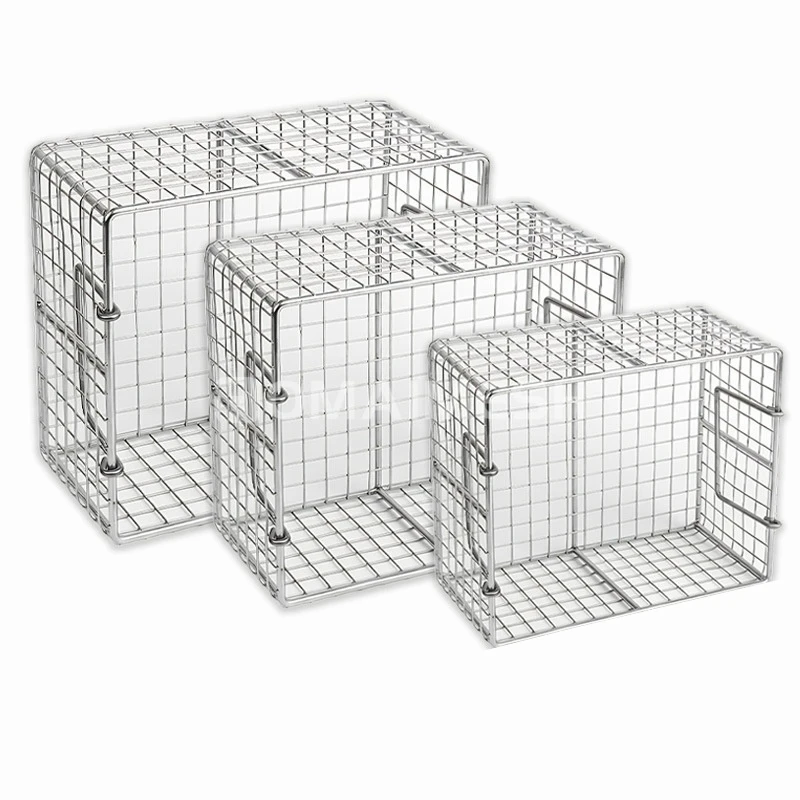
Stainless Steel Mesh Strainer Basket: Essential Insights from Industry Experience
Working in the industrial equipment sector for over a decade, I've seen a lot of filtration solutions come and go. Yet, when it comes to durability, versatility, and ease of maintenance, the stainless steel mesh strainer basket still stands out as a reliable choice in many applications. It feels like the unsung hero on pipelines, systems, and machinery where fluid purity is non-negotiable. Oddly enough, despite modern advances, the basic design principles haven't shifted too much – a testament to how well these baskets meet industry needs.
In real terms, these baskets function as the first line of defense by catching debris, particles, and impurities before they travel further downstream. Whether you're dealing with water, oil, chemicals, or even food processing liquids, the resilience and corrosion resistance of stainless steel make these strainers a go-to.
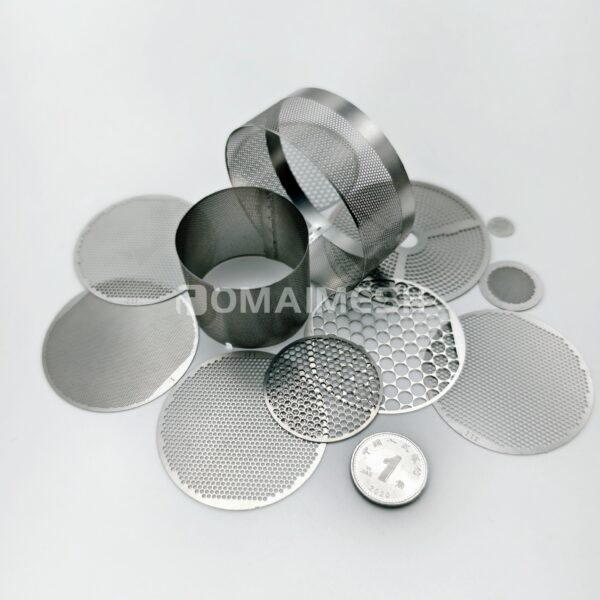
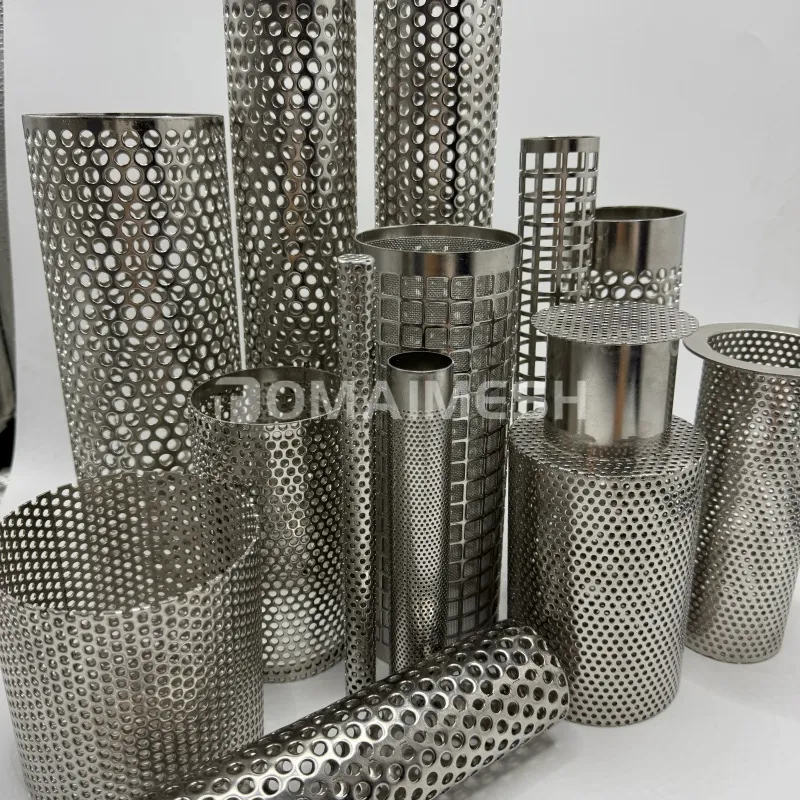
What stands out to me the most is the quality of the stainless steel mesh itself. Not just any mesh will do; the weave, wire diameter, and stainless grade matter profoundly. You want a mesh that's fine enough to trap unwanted particles but robust enough to avoid tearing or clogging prematurely. Many engineers emphasize the benefits of 304 or 316 stainless steel — the latter offers exceptional corrosion resistance in more demanding environments, like saltwater or acidic fluids.
Testing and customization, frankly, are key. Off-the-shelf strainers might suffice in simple scenarios, but I've often worked with vendors who tailor mesh sizes, basket shapes, and mount types to optimize flow rates and filtration levels. This flexibility can save a lot of downtime and maintenance headaches down the line. One customer I recall in the petrochemical sector switched from a generic strainer basket to a custom-sized stainless mesh and immediately noticed reduced clogging and longer maintenance intervals — a win-win for operations and costs.
Typical Stainless Steel Mesh Strainer Basket Specifications
| Feature |
Specification |
Notes |
| Material Grade |
304 / 316 Stainless Steel |
316 preferred for corrosive environments |
| Mesh Size |
10 - 200 mesh (customizable) |
Depends on particle filtration needs |
| Basket Diameter |
50mm to 500mm+ |
Varies by system size |
| Thickness |
0.3mm - 1.0mm wire diameter |
Affects strength and durability |
| Finish |
Polished or Mill Finish |
Polished for food-grade applications |
Now, when you compare industrial vendors, several factors come into play beyond just cost. I’m focusing mostly on stainless steel mesh strainers, so the key differences often revolve around mesh quality, manufacturing precision, lead time, and customer service responsiveness. Let me break down a quick comparison of three notable suppliers I've worked with:
Vendor Comparison for Stainless Steel Mesh Strainer Baskets
| Vendor |
Material Quality |
Customization |
Lead Time |
Customer Support |
Price Range |
| TOMAI Filter |
316 Stainless Steel mesh (premium) |
Highly customizable |
2-3 weeks typical |
Responsive, technical advice available |
Mid to high |
| Generic Industrial Co. |
304 Stainless Steel mesh |
Limited options |
1-2 weeks |
Standard support |
Low to mid |
| Premium Filtration Ltd. |
316 Stainless Steel, tightly woven |
Custom designs, batch testing |
3-4 weeks |
Excellent, field support available |
High |
Something else worth mentioning: regular maintenance is critical. Stainless is resilient, sure, but if you let debris build up in the mesh, you risk pressure drops and even damage to pumps and valves downstream. It's not glamorous, but periodic cleaning and inspection make a serious difference.
Honestly, I prefer working with suppliers that not only sell you the basket but also help troubleshoot and optimize your system. For instance, the team at TOMAI Filter has supported me through several projects, adapting baskets quickly when flow specs changed unexpectedly. That kind of agility in industrial supply chain is, frankly, gold.
If you’re in the market for a stainless steel mesh strainer basket, consider what your operational environment demands, how often you’re willing to service it, and whether customization might give you an edge. It certainly has for many of my clients.
At the end of the day, it’s about marrying material science with real-world industrial practicality — and stainless steel mesh strainers continue to do just that, reliably and simply.
References:
- Industrial Filtration Handbook, 7th Edition, 2021
- "Corrosion Resistance of Stainless Steels," ASM International, 2019
- Personal consultations and site visits, various industrial plants, 2015-2023