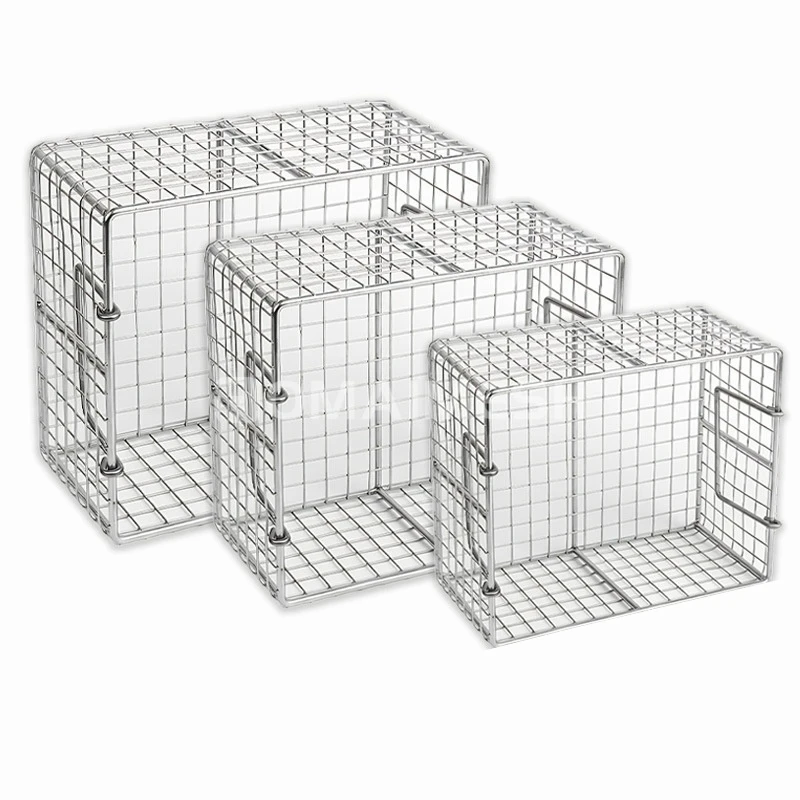
Stainless Steel Wire Sink Basket: A Small Part That Makes a Big Difference
Working in industrial equipment for over a decade, I’ve come across countless products that quietly do their job without much fuss — and stainless steel wire sink baskets are definitely one of those. They might seem like minor accessories in the grand scheme of kitchen or industrial sinks, but they’re essential when it comes to filtration and drainage efficiency. Oddly enough, the difference between a flimsy basket and a well-crafted stainless steel piece is night and day.
Let me tell you: having a solid wire basket means less clogging, easier cleaning, and better longevity — qualities anyone in commercial kitchens or factories appreciates. The baskets are usually made with high-quality stainless steel wire mesh, which resists corrosion and holds up well under constant wet conditions. You’ll find that many engineers praise these baskets for their combination of durability and precise filtering. Frankly, it's tough to find a replacement part that balances strength with delicate drain protection as well as these.
Diving Into the Design and Specs
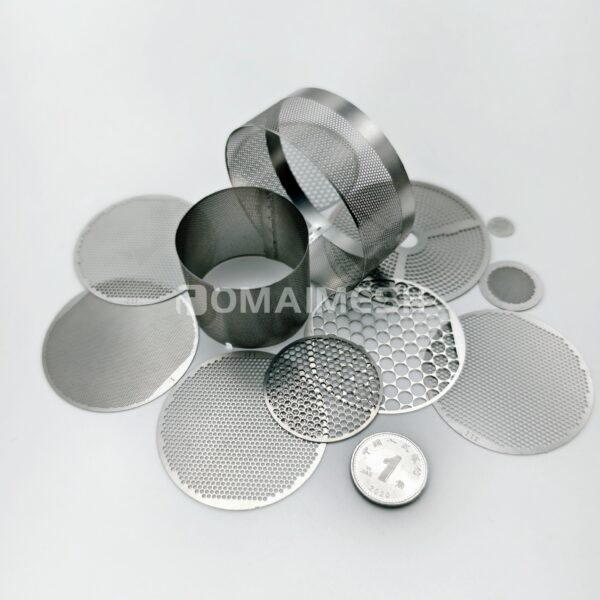
Here’s the thing — while many sink baskets look similar on the outside, the gauge of wire, mesh count, and rim thickness affect both performance and lifespan. For example, higher mesh counts mean finer filtering, which can be great in preventing micro-debris but sometimes lead to slower drainage if not balanced correctly. It’s a bit of a Goldilocks situation.
| Specification |
Typical Value |
| Material |
304 or 316 Stainless Steel |
| Wire Diameter |
0.4 – 0.6 mm |
| Mesh Size |
16 to 40 mesh (fine to coarse) |
| Bowl Diameter |
4” to 6” (100 – 150 mm) |
| Finish |
Polished or Brushed |
| Rim Style |
Flat or Rolled Edge |
One memorable job had a customer in a seafood restaurant who repeatedly dealt with rust-prone baskets that deteriorated within months. Switching them to a 316 grade stainless steel wire basket, which is a bit pricier but much more corrosion-resistant, made a world of difference. Their maintenance team reported "near-zero replacements" a year later, which frankly, was a win-win financially and operationally.
Vendors and What Sets Them Apart
When sourcing stainless steel wire sink baskets, I found that vendor quality varies consistently. Some focus on cost-cutting and deliver weaker wire or inconsistent mesh patterns, which leads to early wear and clogging. Others (like the folks at TOMAI Filter) emphasize material integrity and precision manufacturing, which show in the product durability.
| Vendor |
Material Quality |
Customization Options |
Price Range |
Lead Time |
| TOMAI Filter |
High-grade 304/316 SS |
Mesh size, dimensions, rim styles |
Mid to premium |
2-4 weeks |
| Vendor B |
Generic stainless steel |
Limited sizes, rim only |
Low-budget |
1-2 weeks |
| Vendor C |
304 SS, varying finish |
Some mesh options |
Mid-range |
3-5 weeks |
Customization is another big factor. I’d argue it’s absolutely worth specifying mesh count and rim style upfront — especially if the basket has to fit unique drain openings or filter out particular particles. Sometimes you want a flat edge so it sits flush; other times, a rolled rim adds durability and safety for hand handling.
Overall, stainless steel wire sink baskets are a detail that pays off in spades if you choose wisely. From my years in the trenches, these little baskets silently prevent headaches and downtime. You don’t always notice their work—until suddenly you do.
If you’re sourcing them for your operation, I'd point you toward companies like TOMAI Filter where quality and customization meet real-world durability.
One takeaway? It’s not just "a basket"; it’s a lens into how small engineering choices ripple outward. Kind of like how the right wire mesh can literally hold everything together — or not.
References:
- TOMAI Filter Official
- Industry discussions on SS mesh durability, Foodservice Equipment Reports, 2022
- Corrosion resistance in stainless steel products, Materials Science Journal, 2021