Understanding the 304 Perforated Stainless Steel Sheet: A Global Essential
When you hear “304 perforated stainless steel sheet,” it might just sound like a bunch of industrial jargon. But frankly, it’s a material quietly powering countless sectors worldwide — from architecture to food processing, filtration to safety. At a glance, this sheet metal combines the corrosion resistance of 304 stainless steel with the utility of perforated patterns. That means enhanced airflow, reduced weight, and a lot of smart design options.
Why does it matter globally? Well, stainless steel has become central to sustainable infrastructure. According to the International Organization for Standardization, stainless alloys like type 304 form the backbone of many standards for durable, hygienic materials. Add perforations, and you get a versatile panel that addresses challenges like ventilation, filtration, or noise reduction — all critical in industries working toward efficiency and environmental goals.
Mini takeaway: The 304 perforated stainless steel sheet isn’t just steel with holes—it's a practical, eco-friendly solution embedded in global engineering and manufacturing frameworks.
The Industry Context: Why 304 Perforated Stainless Steel Sheets Are Trending Up
Globally, stainless steel demand keeps climbing, hitting about 53 million metric tons in 2023 worldwide, as per the World Steel Association. One reason? Type 304 stainless steel balances cost and corrosion resistance impressively well. This grade resists a wide range of chemical and physical wear without needing expensive maintenance.
Perforated sheets specifically respond to a host of industrial problems — like reducing weight in automobile parts, improving airflow in HVAC systems, or creating hygienic surfaces in food production. Oddly enough, the “holes” aren’t flaws; they’re carefully designed openings that let air, light, or liquid through, while maintaining strength.
And here’s a challenge: As industries push toward sustainability, they need materials that last longer, perform better, and can be recycled efficiently. 304 perforated stainless steel sheets are meeting these demands head-on.
Mini takeaway: The growth and global relevance of 304 perforated stainless steel sheets stem from their ability to solve performance and environmental challenges simultaneously.
Defining 304 Perforated Stainless Steel Sheet in Simple Terms
At its core, a 304 perforated stainless steel sheet is a flat panel made from 304-grade stainless steel with a pattern of holes mechanically punched or laser-cut through it. The “304” refers to the composition — primarily iron alloyed with chromium (about 18%) and nickel (around 8%), sometimes with small amounts of manganese and carbon. This blend gives the sheet good strength and excellent corrosion resistance.
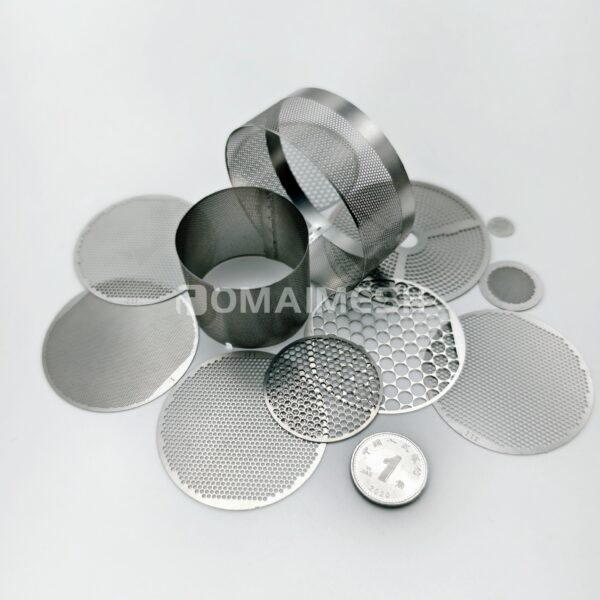
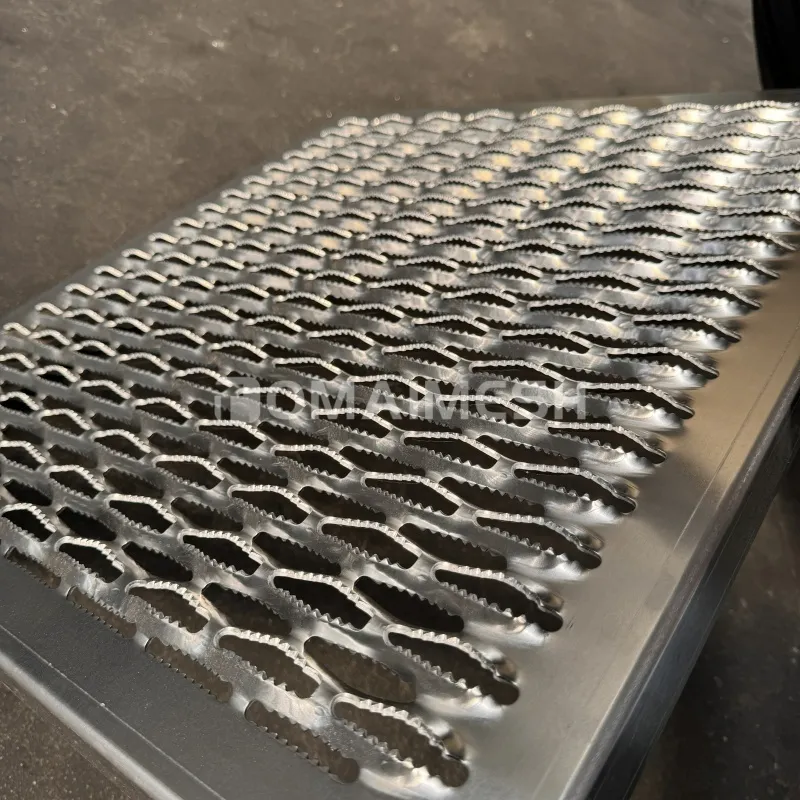
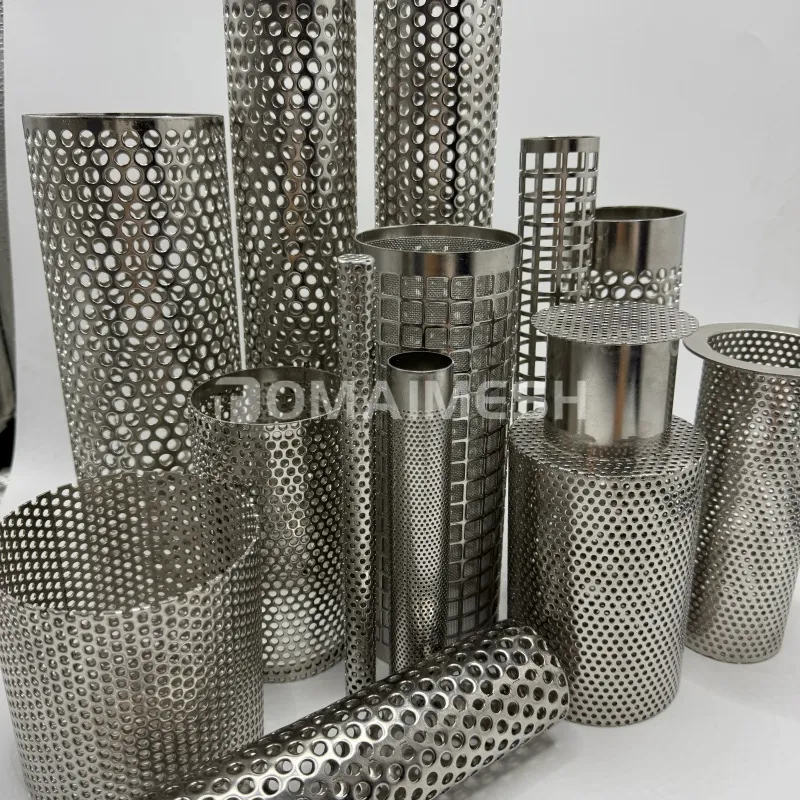
The perforations vary in size, shape, and arrangement, from round holes to slits or custom patterns. This customization is key — industries pick perforation designs to optimize for filtration, visibility, ventilation, or aesthetics.
Hardly just a piece of metal, these sheets act like functional “filters” or “screens” that serve many vital roles in safety and hygiene. For example, in hospital air filtration systems or water treatment plants, they ensure contaminants are trapped without sacrificing flow.
Mini takeaway: 304 perforated stainless steel sheets combine the alloy’s durability with precision perforations to meet very specific industrial needs.
Key Factors That Make 304 Perforated Stainless Steel Sheets Stand Out
1. Durability and Corrosion Resistance
304-grade steel is famous for standing up to rust, acids, and constant wear. Whether your project is coastal construction or food-grade processing, this steel handles the tough environments gracefully.
2. Customizable Perforation Patterns
What I find neat is how these sheets offer flexibility — from small, dense holes for filtering dust to large openings for airflow. Tailored perforation affects strength, weight, and function.
3. Cost Efficiency Over Time
Compared to other stainless types, 304 is quite affordable and lasts longer than carbon steel alternatives. The perforation adds lightness that can reduce shipping and handling costs.
4. Hygiene and Easy Maintenance
Especially in food, pharma, and healthcare, stainless steel surfaces resist bacterial growth and clean effortlessly. Perforated designs help reduce moisture buildup, further lowering contamination risks.
5. Sustainability and Recyclability
This is a big one: 304 stainless steel is almost 100% recyclable. In a world chasing circular economies, that recyclability is gold.
Mini takeaway: This multifaceted material excels in strength, design flexibility, cost, and environmental responsibility — a combo hard to beat.
Global Applications and Real-World Use Cases
From a dusty factory in India to a chilly food processing plant in Canada, 304 perforated stainless steel sheets fit several roles:
- Construction and architecture: Decorative façades, sunshades, and railing panels often rely on these sheets for a sleek look plus ventilation.
- HVAC and air filtration: The perforations enable efficient airflow while keeping debris out, crucial in office buildings or hospitals worldwide.
- Food and beverage processing: Hygienic, corrosion-resistant shells for machinery and drying trays to meet strict sanitation standards.
- Water treatment and environmental: Screens filter contaminants without clogging easily, improving sustainability efforts.
- Automotive parts: Lightweight shielding and venting parts, aiding fuel efficiency and safety.
- Disaster relief and modular shelters: Lightweight yet robust panels help create portable shelters with good ventilation for affected populations.
A case in point: In hurricane-prone regions like Florida, construction companies have switched to these sheets for hurricane-resistant vents. They let wind pass without letting debris inside — saving properties from catastrophic damage.
Mini takeaway: 304 perforated stainless steel sheets have found a home in global industries that demand quality, toughness, and versatility.
Advantages and Long-Term Value of Choosing 304 Perforated Stainless Steel Sheets
Let’s talk benefits you can count on:
- Longevity: Years of maintenance-free service even in harsh environments — meaning less downtime and repair expenses.
- Sustainability: High recyclability reduces raw material dependence and environmental impact.
- Safety and Hygiene: Ideal for food and healthcare, where contamination risks are unacceptable.
- Emotional trust: When you build with these materials, clients and users feel secure—knowing they’re backed by solid engineering.
- Innovation readiness: Easily integrates with digital fabrication and automation, cutting lead times and costs.
Mini takeaway: The 304 perforated stainless steel sheet is more than metal — it’s peace of mind, environmental care, and design innovation wrapped in one.
Product Specification Table: Common Features of 304 Perforated Stainless Steel Sheets
| Specification |
Details |
| Material Grade |
AISI 304 Stainless Steel |
| Thickness Range |
0.4 mm to 6 mm |
| Perforation Patterns |
Round, square, slotted, custom |
| Hole Diameter |
0.5 mm to 30 mm |
| Open Area Percentage |
10% to 60% |
| Surface Finish |
Mill finish, brushed, polished |
| Standard Sizes |
1000x2000 mm, 1250x2500 mm |
How Vendors Stack Up in the 304 Perforated Stainless Steel Sheet Market
| Vendor |
Customization Options |
Lead Time |
Pricing |
Global Shipping |
Additional Services |
| Alpha Metals |
High (Custom hole shapes & sizes) |
2-3 weeks |
Moderate |
Yes (Worldwide) |
Cutting & finishing |
| SteelPro Solutions |
Medium (Standard patterns) |
1-2 weeks |
Low |
Regional (North America, EU) |
Bulk orders preferred |
| Nova Metals |
High |
3-4 weeks |
Higher |
Worldwide |
Design consulting & prototyping |
Looking Ahead: Future Trends in 304 Perforated Stainless Steel Sheets
The future feels dynamic. Researchers are working on hybrid alloys with even better corrosion resistance and lower nickel content — great news given fluctuating metal costs. Also, digital fabrication techniques like laser cutting continue to improve precision and reduce waste. That means more complex perforation patterns with faster turnaround.
Sustainability is becoming non-negotiable. Expect coatings or treatments that increase lifespan without toxic chemicals. And in an IoT world, imagine sheets with embedded sensors monitoring structural integrity or air quality in real time. The integration of smart materials is no longer sci-fi but a near-future reality.
Mini takeaway: Innovation and sustainability will shape the next decade for 304 perforated stainless steel sheets, making them even smarter, greener, and more essential.
Challenges & What Experts Recommend
Of course, no material is perfect. Some common hurdles:
- Weight considerations: While perforations lighten metal, heavy gauge 304 can still add up.
- Cost volatility: Nickel prices can spike, influencing price unpredictably.
- Manufacturing limitations: Very intricate patterns may increase lead times and cost.
Experts suggest combining 304 sheets with lighter framing materials or recycled grades when suitable. Bulk ordering can hedge against price swings. And investing in design collaboration early avoids costly revisions later.
Mini takeaway: Addressing cost and weight requires smart design choices and planning — but the benefits usually outweigh these manageable challenges.
FAQ: Your Questions About 304 Perforated Stainless Steel Sheet
- Q1: How durable is a 304 perforated stainless steel sheet in outdoor environments?
- A1: Type 304 stainless steel is highly durable outdoors, resisting rust and corrosion due to its chromium and nickel content. With proper maintenance, it typically lasts for decades even in harsh weather. Perforations don’t compromise durability but can slightly affect strength depending on pattern density.
- Q2: Can 304 perforated stainless steel sheets be customized for specific filtration needs?
- A2: Absolutely. The perforation size, pattern, and open area can be tailored precisely to filter particles, liquids, or airflow according to the application. Many vendors offer custom laser cutting or punching services to ensure your sheet meets exact specifications.
- Q3: Are these sheets recyclable and environmentally friendly?
- A3: Yes, 304 stainless steel is nearly 100% recyclable without quality loss. This makes it a preferred choice in green building and manufacturing. Using perforated sheets can also reduce material usage and weight, decreasing the carbon footprint during transport and installation.
- Q4: How can companies source 304 perforated stainless steel sheet internationally?
- A4: Many global suppliers provide shipping worldwide. It's important to check vendor capabilities, lead times, and compliance with your country's import regulations. Working with a reputable company that offers logistical support simplifies the process.
Wrapping Up: Why 304 Perforated Stainless Steel Sheets Are Here to Stay
It’s clear that 304 perforated stainless steel sheets blend versatility, sustainability, and durability in a way few materials can match. Whether you’re designing a high-tech filtration system, a striking architectural façade, or a modular shelter for disaster relief, these sheets offer flexibility and strength.
For anyone seeking a balance of performance and longevity in metal solutions, the 304 perforated stainless steel sheet is a must-know — and increasingly, a must-have. If you want to explore options or request samples, I recommend visiting 304 perforated stainless steel sheet specialists like Tomai Filter and see what’s fresh in the market.
It’s one of those materials that quietly shapes the world without fanfare, but once you understand it, you can’t help but appreciate the engineering and thought behind those seemingly simple sheets.
References
- International Organization for Standardization (ISO) – Material standards for stainless steels
- World Steel Association – Global steel production reports
- Wikipedia: Stainless Steel – General info on steel grades