Understanding the 4x8 Perforated Metal Sheet: Versatility Meets Industry Needs
When you hear 4x8 perforated metal sheet, you might think of something quite niche or industrial, but in reality, these sheets touch a remarkable range of industries worldwide. From architecture and automotive design to environmental applications and humanitarian infrastructure, perforated metal sheets have quietly become staples in modern manufacturing and construction. Their unique structure offers a balance between strength, airflow, and light — attributes that address challenges of durability and innovation globally.
Why the World Cares About Perforated Metal Sheets
Globally, over 45% of industrial manufacturing depends on specialized metal components, according to the latest ISO reports, and perforated sheets make up a substantial portion of that. These sheets enable solutions where weight reduction, ventilation, and structural integrity are all critical. The 4x8 size, which refers to a standard four-foot by eight-foot metal panel, optimizes ease of handling and installation, making it universally practical.
Oddly enough, in rapidly urbanizing areas and developing countries, these sheets solve serious problems like pollution filtering and sustainable construction — bolstering efforts aligned with UN sustainable development goals (SDGs). You could say it is infrastructure quietly helping humanity breathe a little easier.
What Is a 4x8 Perforated Metal Sheet?
Simply put, a 4x8 perforated metal sheet is a flat metal panel measuring four feet by eight feet, punctured with a regular pattern of holes. The size is a manufacturing standard that fits well into typical building dimensions and is easy to transport.
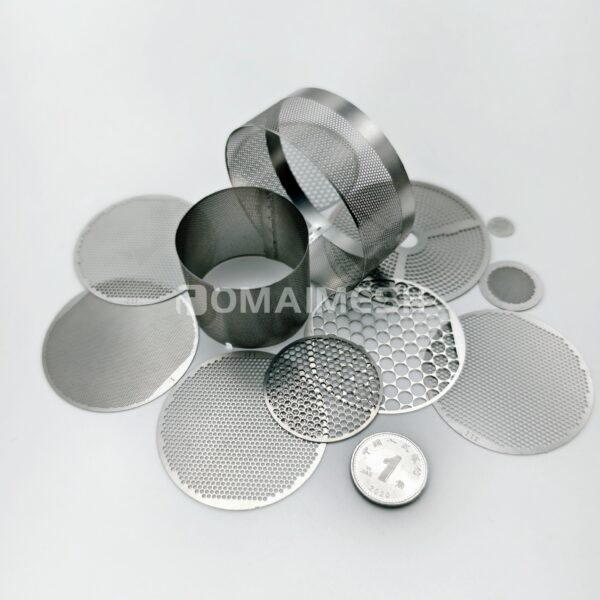
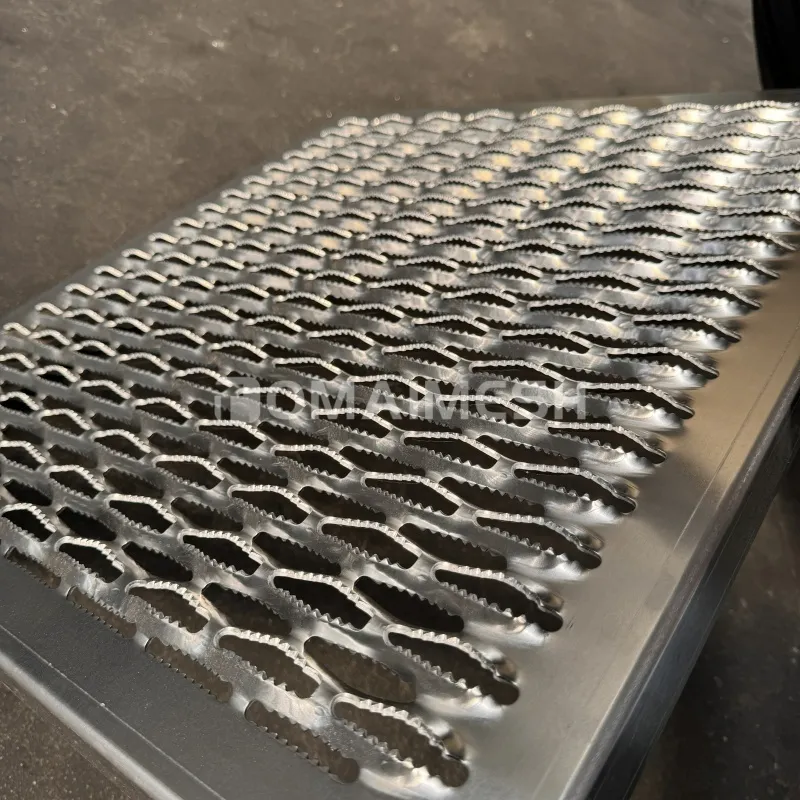
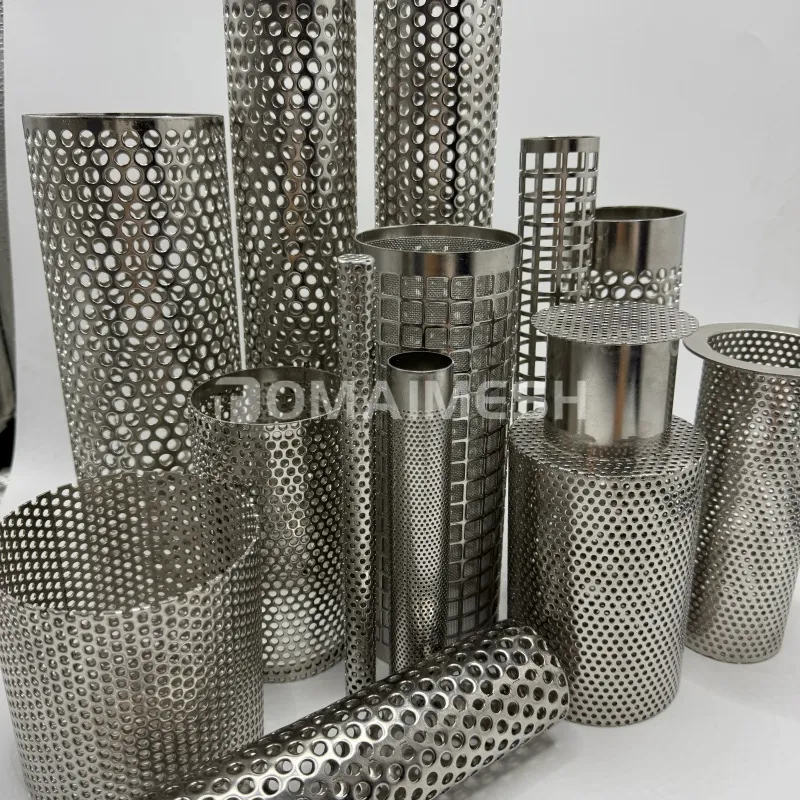
These perforations come in multiple shapes — circular, slotted, square — tailored for specific airflow, light transmission, or aesthetic effects. Modern industries rely on these sheets for everything from filtering hazardous particles to stylish façades on commercial buildings. Plus, they’re surprisingly linked to humanitarian needs, such as modular shelters that benefit from lightweight, sturdy materials.
Key Features of 4x8 Perforated Metal Sheets
Durability
These sheets typically use stainless steel, aluminum, or galvanized steel — all renowned for corrosion resistance. This matters, frankly, for outdoor or harsh-environment applications where rust would ruin performance.
Cost Efficiency
Ordering standard sizes, like 4x8, helps reduce waste and simplify shipping. For many businesses, this drives down total project costs without compromising quality.
Versatility
From industrial filters to decorative elements in architecture, the perforation patterns and sheet materials allow customization according to specific project requirements.
Scalability
Manufacturers can produce these sheets in bulk or bespoke runs, meaning both multinational firms and small startups find value.
Sustainability
Many suppliers emphasize eco-friendly production, recycling scrap metals during fabrication. It suits the growing demand for green materials.
Maintenance
Perforated sheets generally require minimal upkeep, which benefits sectors where long-term reliability matters — like energy or transportation.
Product Specifications At a Glance
| Specification |
Details |
| Standard Size |
4 feet x 8 feet (1.22m x 2.44m) |
| Material |
Stainless steel, aluminum, galvanized steel |
| Hole Diameter |
1 mm to 25 mm, depending on application |
| Thickness |
0.5 mm to 12 mm |
| Finishes |
Powder-coated, anodized, natural |
| Perforation Pattern |
Circular, slotted, square, custom |
Comparing Leading Perforated Metal Sheet Vendors
| Vendor |
Materials Offered |
Customization Options |
Sustainability Initiatives |
| Tomai Filter |
Stainless steel, aluminum |
Full pattern customization, standard & custom sizes |
Recycles scrap metal, energy-efficient plants |
| MetalTech Co. |
Galvanized steel, stainless steel |
Limited custom size; pattern preset options |
ISO 14001 certified factory |
| Global Perforators Inc. |
Aluminum, stainless steel, titanium |
High-end, full bespoke services |
Sustainability reports available |
Global Applications & Real-World Use Cases
The 4x8 perforated metal sheet plays surprisingly diverse roles worldwide. In the Middle East, it’s used in building façades that reduce solar heat gain while allowing air circulation. In South Asian manufacturing hubs, these sheets filter contaminants in factories to meet stricter environmental standards.
Post-disaster relief efforts in Southeast Asia often employ perforated metal to fabricate temporary shelters and storage units that are both sturdy and ventilated — crucial in hot, humid climates prone to flooding.
Even in remote industrial zones of South America, these sheets serve as protective guards on heavy machinery, balancing safety and airflow to mitigate overheating.
- Architectural façades in hot climates
- Industrial filtration systems in manufacturing
- Temporary humanitarian infrastructure
- Protective equipment in mining and energy sectors
Mini takeaway: The 4x8 perforated metal sheet adapts globally — from decorative urban design to life-saving relief interventions.
Advantages & Long-Term Value of 4x8 Perforated Metal Sheets
Quite frankly, its interdisciplinary advantages are impressive. The sheets’ durability guarantees long service life, reducing replacement costs. Their design promotes energy efficiency — buildings clad with these experience less cooling demand. Sustainability-wise, these metal sheets usually originate from recyclable materials, fulfilling modern businesses’ corporate social responsibility goals.
On a human level, using these sheets in shelters or public infrastructure fosters safety and dignity — avoiding flimsy solutions that might fail during storms or heatwaves.
Economically, the balance between upfront cost and durability makes these sheets invaluable for sectors where reliability is non-negotiable.
Future Trends and Innovations in Perforated Metal Sheet Industry
Looking ahead, digital fabrication techniques like CNC punching and laser perforation are making custom patterns more accessible and affordable. This lets designers and engineers pioneer complex, multifunctional panels that blend aesthetics with thermal control.
There’s also a notable shift toward eco-conscious materials and finishes — low-VOC coatings, for example, and integration with green building certifications such as LEED.
Automation is streamlining production and limiting waste, helping vendors scale up while shrinking their carbon footprints. Some companies are even experimenting with smart panels embedded with sensors — imagine perforated sheets that monitor air quality or structural stress.
Challenges and Their Solutions
No material is without quirks. One challenge with perforated metal sheets is balancing perforation size with strength — more holes weaken the panel. The solution? Advances in material science, such as higher-grade alloys and strategic reinforcement in load-bearing zones.
Another issue is corrosion in extremely aggressive environments (e.g., salty coastal zones). Manufacturers tackle this via specialized coatings or choosing inherently corrosion-resistant materials like marine-grade stainless steel.
Logistics can also be tricky; shipping large 4x8 panels risks damage. Some vendors now offer sectional designs or modular kits that assemble on-site to mitigate transport headaches.
FAQ: Frequently Asked Questions About 4x8 Perforated Metal Sheet
- What industries benefit most from 4x8 perforated metal sheets?
They are crucial in architecture, manufacturing, environmental protection, and humanitarian sectors — offering a balance of durability and airflow for diverse needs.
- Can I customize the perforation patterns for aesthetic projects?
Absolutely. Most vendors, including Tomai Filter, offer bespoke perforation patterns to meet design and performance goals.
- How long do these sheets last in outdoor applications?
Depending on material and finish, properly maintained sheets can last 20+ years, even in challenging environments.
- Are 4x8 sheets easy to install on-site?
Yes, their standard size streamlines handling, and modular options make installation straightforward, saving time and labor costs.
- How eco-friendly is the manufacturing process?
Many suppliers adhere to ISO 14001 standards and incorporate recycled metals; energy-efficient production is becoming the norm.
Conclusion: Why the 4x8 Perforated Metal Sheet Matters Long-Term
In sum, the humble 4x8 perforated metal sheet stands at the crossroads of technical innovation, global industry needs, and sustainability aspirations. It’s a tool for builders, designers, and aid organizations alike — adaptable and future-ready.
If you’re curious about how to integrate these sheets into your projects or want to explore custom solutions, I recommend visiting Tomai Filter. Their expertise and product range are well-suited to meet evolving demands.
Sometimes, the simplest materials play the largest roles — and that’s exactly what the 4x8 perforated metal sheet proves every day.
Final takeaway: Managing the balance between durability, sustainability, design, and cost, these metal sheets quietly empower innovation worldwide.
- ISO – International Organization for Standardization
- United Nations Sustainable Development Goals
- Wikipedia: Perforated Metal