Understanding Perforated Aluminum Panels: A Modern Engineering Marvel
If you've ever admired the sleek metal facades on modern buildings or heard of innovative solutions helping industries worldwide, you might have encountered perforated aluminum panels. These lightweight yet robust sheets come covered in an array of holes, making them versatile beyond typical metal surfaces. But why the buzz around these panels? Well, globally, perforated aluminum panels are quietly solving problems ranging from building ventilation to energy efficiency, and even disaster relief infrastructure. Understanding their importance isn't just for engineers or architects, but anyone intrigued by sustainable industrial design and practical innovation.
The Big Picture: Why Perforated Aluminum Panels Matter Globally
The global construction sector alone accounts for nearly 30% of energy usage and carbon emissions according to the International Energy Agency. In this context, materials like perforated aluminum panels offer a clever middle ground: durable, lightweight, and promoting natural airflow without sacrificing structure. The UN’s Sustainable Development Goals have nudged industries to rethink materials that support environmental resilience, and these panels fit right into that narrative.
Interestingly, many developing regions struggle with harsh climates that demand clever architectural solutions — and these panels often show up in designs bridging affordability and utility.
Mini Takeaway: Perforated aluminum panels address a global need for materials that blend sustainability, strength, and versatility in construction and industry.
What Exactly Are Perforated Aluminum Panels?
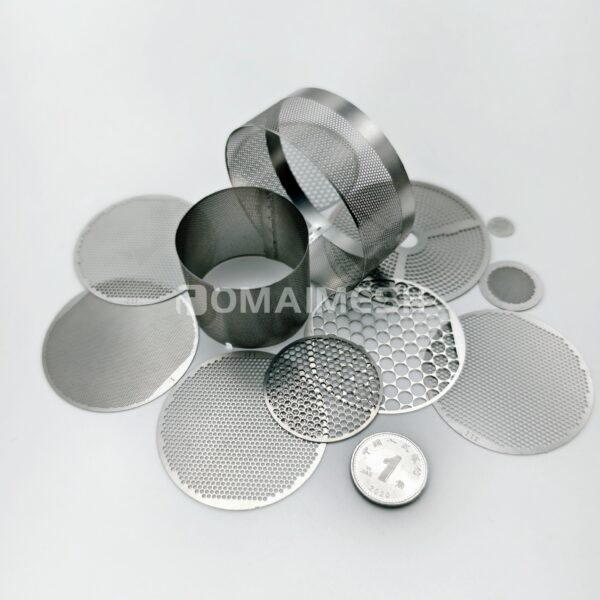
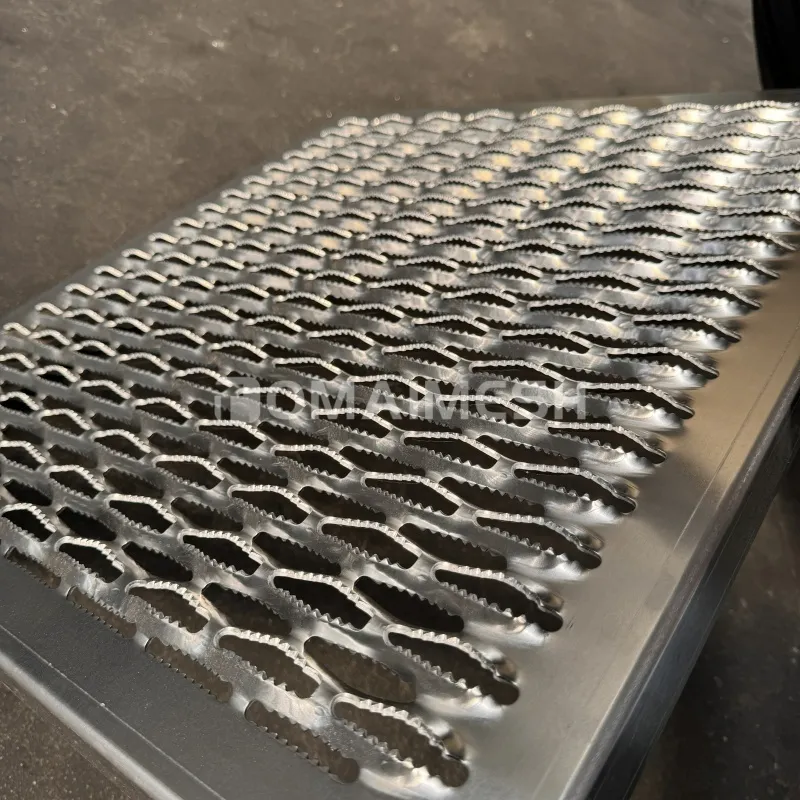
At their core, perforated aluminum panels are sheets of aluminum metal that have been mechanically punched with patterns of holes or slots. The holes can range in shape from circular to square, elliptical to custom forms, depending on the application. This perforation isn’t random; it’s carefully designed to optimize light transmission, airflow, or sound control without weakening the panel’s structural integrity.
In practical terms, these panels serve architectural ends — think sunshades and façades — as well as functional purposes in industrial tooling, filtration systems, and ventilation components. Their lightweight nature makes them particularly favored where weight reduction is crucial, such as in automotive and aerospace industries.
Why should you even care?
Because these panels expertly marry the fields of engineering, environmental design, and cost-effective manufacturing. Plus, in sectors like humanitarian aid or remote construction, their quick installation and low maintenance make a world of difference. Imagine rebuilding a hospital facade post-disaster or venting pollutant emissions more efficiently in a factory — that's where these panels flex their true value.
Key Aspects of Perforated Aluminum Panels
1. Durability and Corrosion Resistance
Aluminum naturally resists corrosion, especially when coated or anodized. This makes perforated panels ideal for external building shells exposed to weather extremes. Many engineers say aluminum’s lifespan often outperforms traditional metals in coastal or humid environments.
2. Flexibility in Design
The perforation pattern can be customized, altering aesthetics and function. Architects use this to fine-tune daylighting or shade levels, impacting building energy consumption. This flexibility means the panels serve not just structural but also artistic purposes.
3. Lightweight Yet Strong
Thanks to aluminum’s high strength-to-weight ratio, these panels offer strength without bulk. For example, transportation and aerospace applications benefit directly from reduced weight, improving fuel efficiency and load handling.
4. Thermal and Acoustic Performance
Perforated aluminum panels can act as sunshades, reducing solar heat gain, or as sound diffusers, improving acoustics inside buildings without heavy additional materials.
5. Cost Efficiency
Beyond material costs, their ease of fabrication and installation reduces labor and time expenses. Manufacturers often note more straightforward logistics when panels come pre-patterned and ready to install.
6. Sustainability
Aluminum is highly recyclable, meaning these panels offer environmental benefits through their lifecycle. The reuse of scrap and end-of-life materials complies with ISO 14001 environmental standards, favored by eco-conscious companies globally.
Mini Takeaway: Durability, customization, and environmental benefits make perforated aluminum panels a standout choice amid other cladding and industrial materials.
Global Applications and Noteworthy Use Cases
Perforated aluminum panels have truly found their way into diverse environments — from the bright skylines of Europe to developing regions in Asia and Africa. Here are some places and industries where they shine:
- Architecture & Urban Design: Used extensively in cladding, sunshading, and decorative building facades worldwide, boosting energy efficiency and design appeal.
- Transportation: Railway stations, bus terminals, and airports incorporate these panels for noise reduction and weather protection.
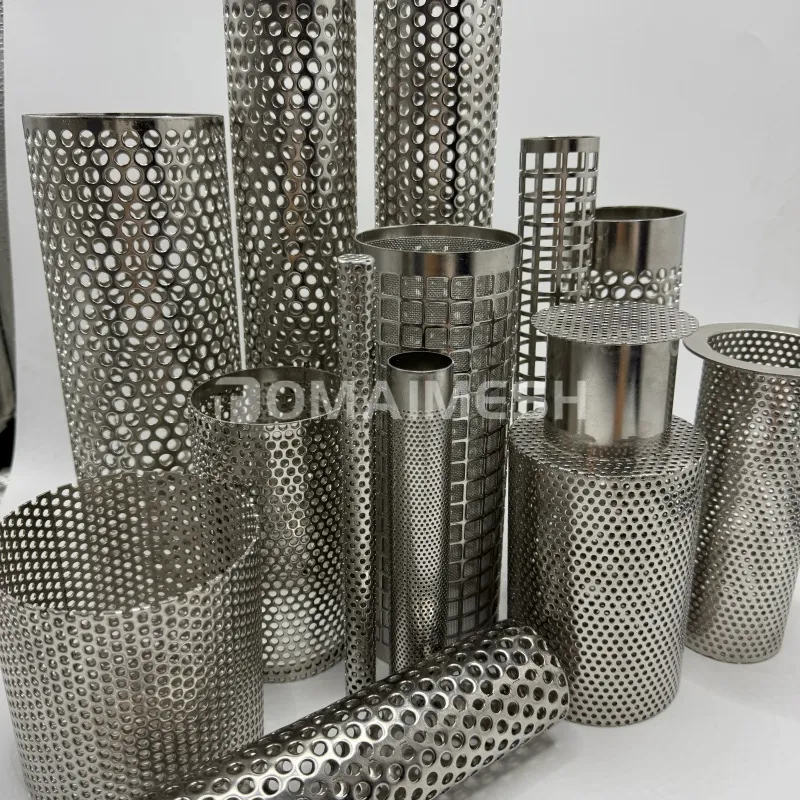
- Industrial Filtration: Factories rely on them for machinery guards and filtration screens, tailoring perforation based on particle size.
- Humanitarian Aid & Relief: In post-disaster shelter projects or temporary construction sites, they offer quick installation with ventilation and light benefits.
- Renewable Energy: Solar farms sometimes utilize them for equipment housing that balances protection with airflow.
Oddly enough, a non-profit in Southeast Asia that I read about leverages perforated aluminum panels to build modular clinics with passive cooling — a smart, cost-efficient way to improve healthcare infrastructure in tropical climates.
Perforated Aluminum Panels: What You Actually Get
| Specification |
Typical Range/Value |
Notes |
| Material Grade |
3003, 5052, 6061 Alloy |
Commonly used grades for balance of strength and corrosion resistance |
| Thickness |
1.0mm to 4.0mm |
Varies by application: thinner for decorative, thicker for structural |
| Open Area Percentage |
20% to 70% |
Controls airflow, light, and weight effects |
| Hole Diameter |
1mm to 12mm (varies by pattern) |
Customizable based on filtration or aesthetic needs |
| Finish |
Anodized, Powder Coated, Mill Finish |
Enhances corrosion resistance and visual appearance |
Vendor Comparison: Picking Your Perforated Aluminum Panel Supplier
| Supplier |
Customization Options |
Lead Time |
Global Shipping |
Price Range (per m²) |
| Tomai Filter |
Full custom patterns & size |
2-4 weeks |
Yes |
$45 - $70 |
| MetalCraft Co. |
Standard patterns only |
1-2 weeks |
Limited |
$40 - $60 |
| Global Panels Inc. |
Custom & standard |
3-5 weeks |
Yes |
$50 - $80 |
Why Choose Perforated Aluminum Panels? Advantages and Long-Term Value
When you weigh the tangible benefits, this material ticks many boxes: cost-effective, sustainable, and dependable. Beyond the bottom line, consider how these panels improve worker safety by allowing better air exchange or help communities by providing sun protection in affordable shelters. As innovation races on, the reliability and trust built over decades only add to their appeal.
Emotionally, giving environments that balance comfort and performance — in homes, hospitals, or factories — does speak volumes about our collective progress and ingenuity. And frankly, in an era when materials can make or break a building’s environmental footprint, that shouldn’t be underestimated.
Looking Ahead: Trends and Innovations in Perforated Aluminum Panels
The future’s looking shiny. Advances in automation allow laser cutting of extremely intricate patterns that were previously impossible or too costly. Plus, integration with smart technologies means we might soon have panels that respond dynamically to temperature or light — practically a “skin” for buildings.
Green energy trends push manufacturers towards more recycled content and lower-carbon production methods. Meanwhile, compliance with international codes, such as ISO 14001 environmental management, is increasingly non-negotiable. The panels you see on buildings over the next decade will likely be smarter, greener, and more efficient.
Tackling Challenges: What to Watch Out For
No material is perfect, right? Some challenges with perforated aluminum panels include potential noise issues if not designed properly or initial costs that might feel steep compared to simpler materials. Yet, expert designers mitigate these with layered installation, coatings for extra noise absorption, or ROI analyses showing long-term savings.
For places with very harsh weather, ensuring the panels are thick enough to withstand impact (hail, debris, etc.) is crucial. But frankly, suppliers today offer tailored solutions — the key is to involve trusted experts early in the planning stages.
FAQ: Everything You’ve Asked About Perforated Aluminum Panels
Q1: How do perforated aluminum panels improve energy efficiency in buildings?
A1: The panels help by allowing controlled airflow and natural light penetration while reducing direct solar heat gain. This cuts down on HVAC use, lowering energy bills and carbon emissions, especially when used as external sunshading.
Q2: Are these panels suitable for harsh coastal environments?
A2: Absolutely. Aluminum’s corrosion resistance, especially with anodized coatings, makes these panels ideal for salty air and high humidity found in coastal areas, increasing lifespan and reducing maintenance.
Q3: Can perforated aluminum panels be reused or recycled?
A3: Yes, aluminum is one of the most recyclable metals worldwide. Panels can be melted down and reused with minimal energy compared to new aluminum production, aligning with ISO environmental standards.
Q4: How can an NGO source these panels for relief projects abroad?
A4: NGOs can partner with global manufacturers like perforated aluminum panel suppliers that offer customizable designs and international shipping. Early coordination helps ensure panels meet local specifications and expedite delivery.
Q5: What is the typical lead time for custom perforated aluminum panels?
A5: Lead times generally range from 2 to 5 weeks depending on customization complexity and supplier location. Planning in advance is recommended for major projects.
Wrapping Up: Why Perforated Aluminum Panels Are Here to Stay
In the grand sweep of industrial and architectural materials, perforated aluminum panels offer a rare combo: adaptability, strength, and eco-sensitivity. From fast-growing urban skylines to remote aid stations, they’re quietly shaping how structures breathe, protect, and perform.
If you’re curious about integrating these into your next project or just want to see the latest in customized metal solutions, I highly recommend checking out Tomai Filter. Their attention to detail and shipping reach might just surprise you.
Ultimately, as we all move towards smarter, more sustainable building practices, these panels seem poised to play a starring role — and that’s something worth paying attention to.
References:
1. International Energy Agency (2022) Global Status Report
2. Wikipedia: Aluminium
3. ISO 14001 Environmental Management