Unlocking the Potential of the 2mm Perforated Steel Sheet
Now, if you’ve ever handled a 2mm perforated steel sheet or just peeked inside architectural and industrial design specs, you’d realize this isn’t just any metal panel. It’s like the unsung hero of modern fabrication — a blend of strength, versatility, and intuition for airflow, protection, or style. Globally, as industries push for smarter, lighter, greener solutions, understanding what makes this thin perforated steel tick is quite vital. From factory floors to urban landscapes, it’s turning heads and solving problems an ordinary sheet just can’t.
Why Should We Care?
Steel, especially perforated varieties, forms a backbone of infrastructure worldwide. The 2mm specification strikes a sweet spot—sturdy yet manageable, economical yet elegant. With rising demand for sustainable, cost-efficient materials, these perforated sheets help industries reduce waste, improve safety, and innovate faster. They meet challenges from ventilation to noise reduction and even aesthetic ambitions. So, from emerging economies pushing industrial growth to advanced sectors requiring precision, this sheet keeps its value—and perhaps gains it.
Mini Takeaway: The 2mm perforated steel sheet is not just a material but a strategic asset, balancing performance with innovation worldwide.
The Global Backdrop: Why This Steel Sheet Matters Today
Digging into the numbers, steel production globally touched roughly 1.8 billion tonnes in 2023 according to the World Steel Association, with perforated steel forming a notable niche in this ecosystem. Why does the 2mm thickness matter? It aligns with global standards (ISO 4948) for products requiring both strength and modulated permeability. In pressurized environments like factories or urban ventilation systems, too thick a sheet means unnecessary weight; too thin risks failure. The 2mm sheet has become somewhat of a global standard for balancing this.
Moreover, industries face challenges around energy efficiency and material sustainability. Perforated sheets address these by reducing materials without compromising functionality. Imagine a city’s air purification towers or noise barriers relying on such sheets; the exact thickness and pattern impact effectiveness and longevity.
Oddly enough, for all the tech advances, manufacturers still face a nuanced challenge: how to keep these sheets lightweight yet durable enough to meet stringent environmental and safety regulations worldwide.
Mini Takeaway: The 2mm perforated steel sheet neatly solves real-world balancing acts demanded by modern industry—from material savings to environmental compliance.
Defining the 2mm Perforated Steel Sheet
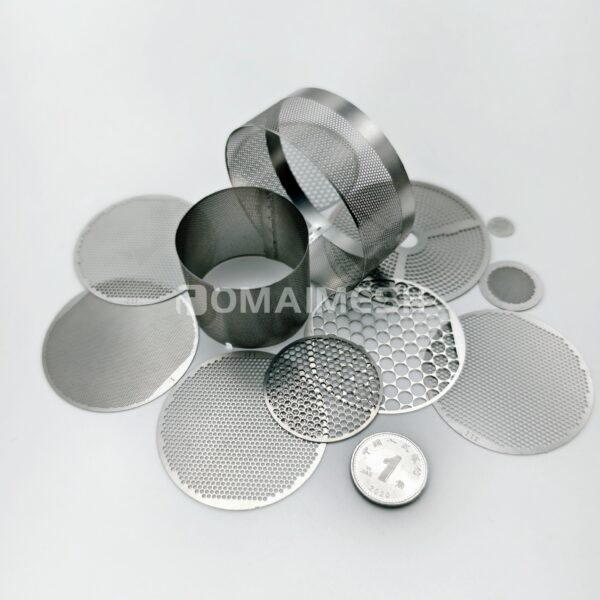
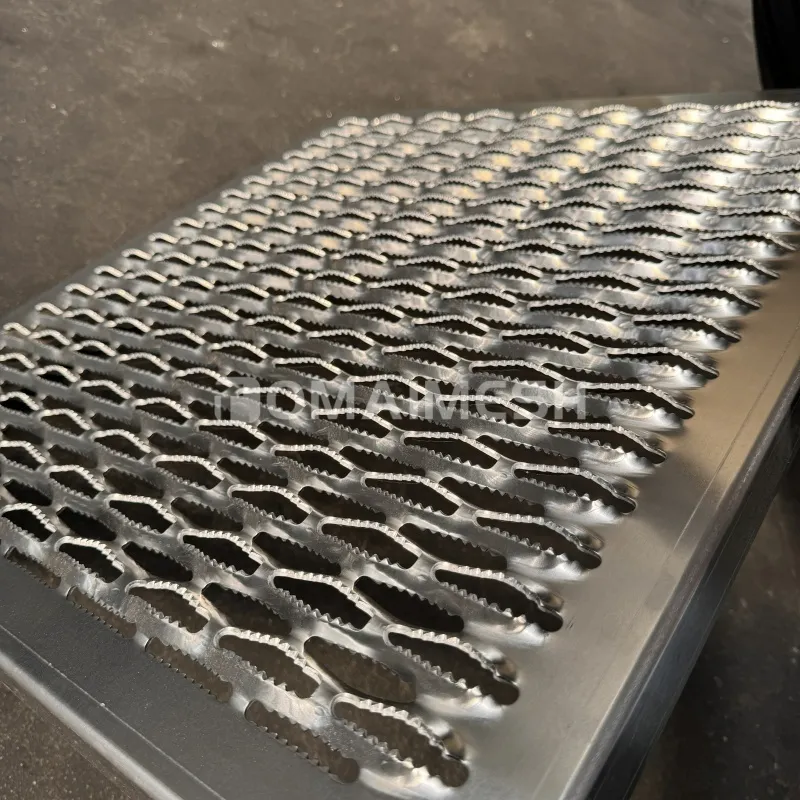
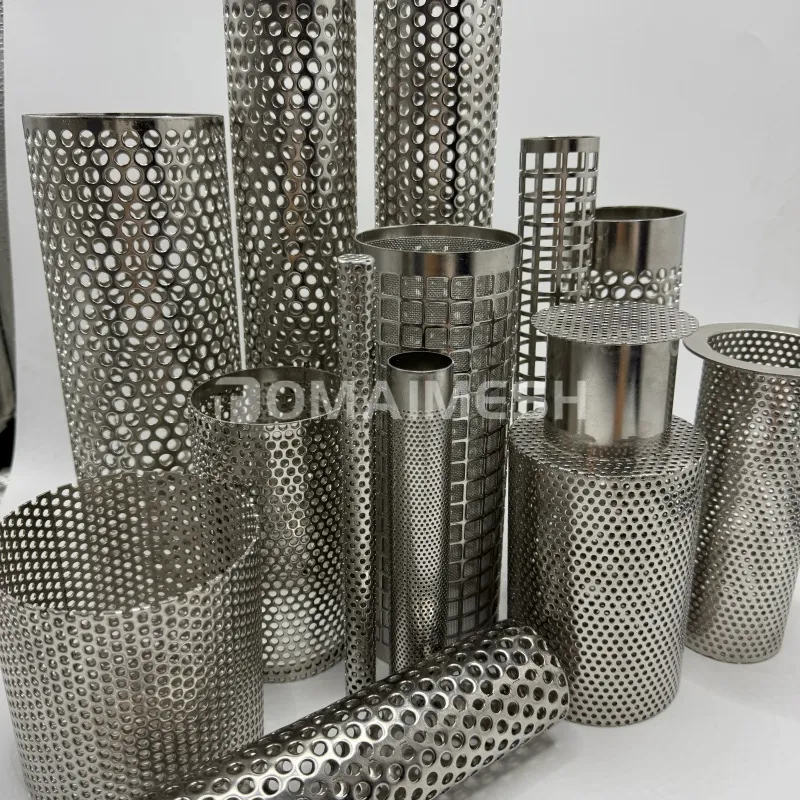
Simply put, a 2mm perforated steel sheet is a flat piece of steel that is precisely 2 millimeters thick, patterned with carefully spaced holes or slots. These perforations come in various shapes—round, square, slotted—and sizes, designed to allow air, light, liquid, or sound to pass through while maintaining the metal’s structural integrity. It’s a critical factor in applications where airflow or filtering matters, but strength can’t be compromised.
In humanitarian or industrial contexts, these sheets often serve as protective screens, ventilation grilles, or lightweight cladding. For example, in water treatment plants or emergency shelters, they provide durability plus the necessary permeability for safety and comfort.
Why 2mm?
At 2mm thickness, these sheets are light enough to be easy to handle on-site yet sufficiently rigid to resist warping or damage in harsh conditions. They also lend themselves well to automated manufacturing processes, including stamping, punching, and laser cutting — keeping customization fast and cost-effective.
Mini Takeaway:
- 2mm thickness offers an ideal balance for durability and flexibility.
- Perforation patterns are chosen to maximize performance in specific uses.
- Critical in industries needing controlled airflow without sacrificing strength.
Key Factors That Make 2mm Perforated Steel Sheet Stand Out
1. Durability
Since the sheet is steel-based, it naturally boasts high tensile strength and resistance to impact, especially when treated with coatings like galvanization to fight corrosion. This makes it a favorite for outdoor and industrial settings.
2. Cost Efficiency
Because material is removed via perforation, each sheet uses less steel than a solid one — cutting costs while maintaining essential strength. Also, lighter weight means reduced transportation and installation expenses.
3. Versatility
Whether for acoustic panels, safety guards, or architectural facades, the 2mm sheet fits many profiles due to custom hole sizes and patterns.
4. Thermal & Acoustic Properties
The perforations help in noise reduction and ventilation, making them invaluable in HVAC systems or urban noise barriers.
5. Sustainability
Many manufacturers now use recycled steel and eco-friendly processes, bringing the carbon footprint down remarkably.
Mini Takeaway:
Durability, cost savings, adaptability, and ecological responsibility make this steel sheet a strategic choice for multiple stakeholders.
Product Specification Table
| Specification |
Details |
| Material |
Cold Rolled Steel / Galvanized Steel / Stainless Steel |
| Thickness |
2mm (±0.05mm) |
| Hole Diameter |
1mm to 12mm (customizable) |
| Open Area Percentage |
10% - 60% |
| Surface Treatment |
Powder Coating, Electroplating, Galvanization |
| Standard Sheet Size |
1,220mm x 2,440mm (can be customized) |
Global Applications and Industry Use Cases
Industries across continents depend on 2mm perforated steel sheets. In Europe’s automotive and aerospace sectors, these perforated panels manage airflow and heat dissipation efficiently. Meanwhile, in South Asia, where developing urban centers face noise pollution, they’re integral to roadside sound barriers and building façades.
Even in humanitarian realms, such as refugee shelters or temporary hospitals, these sheets provide ventilation and security without adding bulk or hazard. I once read about NGOs using perforated steel as quick-assembly protective panels — light enough to ship easily but tough enough to endure rough handling.
In industrial zones, where dust, heat, and fumes abound, perforated steel panels serve as filtration screens in chemical plants or air exhaust guards — critical to worker safety and equipment longevity.
Mini Takeaway: From urban infrastructure to emergency setups, the 2mm perforated steel sheet's versatility makes it a global go-to solution.
Advantages and Long-Term Value of Using 2mm Perforated Steel Sheets
- Cost savings: Less raw material and lighter weight cut expenses across the board.
- Longevity: Resistant to corrosion and fatigue, leading to reduced replacement cycles.
- Sustainability: Recyclable and often made with eco-conscious methods.
- Social impact: Supports safer, more comfortable environments in workplaces and public spaces.
- Innovation: Enables new designs and solutions — from solar panel screens to architectural accents.
These factors, when combined, lead to a compelling ROI, but also contribute to safety and dignity — something often overlooked when discussing steel panels, but frankly critical.
Vendor Comparison Table: Key Players in the 2mm Perforated Steel Sheet Market
| Supplier |
Range of Patterns |
Customization Options |
Sustainability Practices |
Lead Times |
| Tomai Filter |
50+ standard hole patterns |
High – fully custom sizes & patterns |
Certified ISO 14001, recycled materials use |
2-4 weeks (average) |
| SteelWorks Co. |
30 standard patterns |
Medium – limited custom cuts |
Moderate, some recycling |
3-6 weeks |
| Global Metals Ltd. |
20 patterns |
Low – mostly stock products |
Limited |
1-3 weeks |
Looking Ahead: Future Trends in Perforated Steel Technology
The future’s looking pretty intriguing — a shift towards smart materials and digital fabrication techniques is clearly underway. Imagine 2mm perforated steel sheets embedded with sensors monitoring air quality or structural strain in real-time. Or, ultra-precise laser perforation enabling bespoke patterns at scale — unlocking aesthetics and function like never before.
Additionally, sustainable manufacturing processes promise to curb energy use and emissions. Some manufacturers pursue zero-waste plants or use hydrogen instead of fossil fuels in steelmaking. Also, digital twin technologies help simulate perforated sheet performance long before production.
In the green energy sector, perforated steel panels are set to play a larger role in solar farms, wind turbines, and battery housings — areas demanding lightweight but resilient materials.
Mini Takeaway: The 2mm perforated steel sheet isn’t static—it’s evolving, fueled by innovation and sustainability goals.
Challenges and How Industry Experts Are Overcoming Them
Despite its strengths, challenges remain. Perforated sheets can be tricky to handle due to sharp edges and require protective coatings to extend lifespan, especially in marine or highly corrosive settings. Achieving precision while keeping costs down can be a balancing act.
Experts recommend stepped inspection during manufacturing and incorporate powder coatings or anodizing for extra protection. Automation and AI-assisted quality control help reduce human error. Collaboration between designers and fabricators early in the project also brings better results.
Frequently Asked Questions About 2mm Perforated Steel Sheets
- Q1: How does 2mm thickness affect the durability of perforated steel sheets?
- A: 2mm thickness offers robust structural support, resisting warping and impact. It's thick enough to ensure long service life while maintaining manageable weight, ideal for both indoor and outdoor applications.
- Q2: Can the hole patterns be customized for specific airflow or acoustic requirements?
- A: Absolutely. Manufacturers provide a wide range of hole shapes and sizes, which can be tailored to optimize airflow, filtration, or sound absorption according to project needs.
- Q3: What are the typical lead times for ordering customized 2mm perforated steel sheets?
- A: Lead times generally range from 2 to 6 weeks depending on customization level, volume, and supplier capabilities. Bulk orders often get priority and better pricing.
- Q4: Are these perforated sheets suitable for harsh outdoor environments?
- A: Yes, particularly when treated with corrosion-resistant coatings like galvanization or powder coating, 2mm perforated steel sheets can withstand moisture, UV exposure, and temperature changes effectively.
- Q5: How do organizations source these sheets internationally?
- A: Many turn to established vendors with global distribution networks. Shipping is optimized due to lightweight nature, and customs compliance is supported by proper documentation. Consulting with suppliers like Tomai Filter is often recommended for smooth transactions.
Wrapping It Up: Why 2mm Perforated Steel Sheets Are Here to Stay
So, reflecting on all this, the humble-sounding 2mm perforated steel sheet quietly holds immense potential. It manages the balancing act between form and function, cost and performance, sustainability and innovation. Whether you’re specifying for a massive industrial project, designing an architectural feature, or coordinating international supply chains, this material quietly does its part.
Feeling curious? Dive deeper — visit our website to explore detailed specs, custom solutions, and how to bring this versatile sheet into your next project.
Sometimes, the simplest innovations—like a perforated steel sheet—hold the keys to modern challenges we face every day.
References
- Wikipedia: Steel
- World Steel Association: Global Steel Data
- ISO 4948 - Steel Classification