A Closer Look at Perforated Material: Why It Matters Worldwide
Perforated material — at first glance, that might sound like something niche or oddly specialized. But in reality, it’s a remarkably versatile category of industrial and architectural products that quietly shape how we build, ventilate, filter, and even protect ourselves. Globally, industries from automotive to humanitarian aid harness perforated material for solutions that are simultaneously lightweight, strong, and adaptable. Understanding this material’s impact unlocks a world of innovation, cost efficiency, and sustainability possibilities that ripple from skyscrapers in megacities to remote disaster relief camps.
Global Relevance: Why Perforated Materials Are More Important Than Ever
Roughly 30% of industrial and construction materials in sectors related to ventilation, filtration, and facade design contain some form of perforation. According to ISO standards and the World Bank’s reports on sustainable infrastructure, perforated panels often reduce material waste by up to 25%, thanks to their efficient use of metal or plastic substrates. This efficiency is critical not just for large factories but also for emerging economies aiming to balance urbanization with resource constraints.
Yet, as beneficial as perforated materials are, challenges remain: achieving the right balance of durability and airflow, mass production scalability, and ensuring materials meet local environmental codes can be tricky. This is where deep understanding and innovative engineering meet.
Mini takeaway: Perforated materials are quietly key to sustainable, efficient infrastructure worldwide, addressing critical challenges from resource conservation to regulatory compliance.
What Exactly Is Perforated Material?
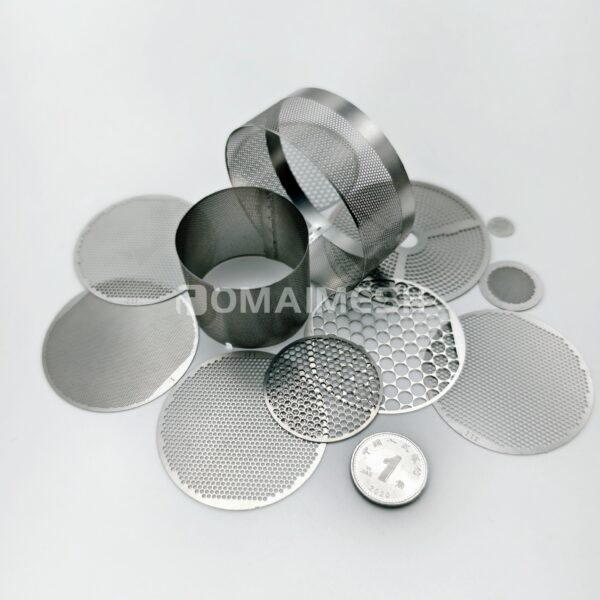
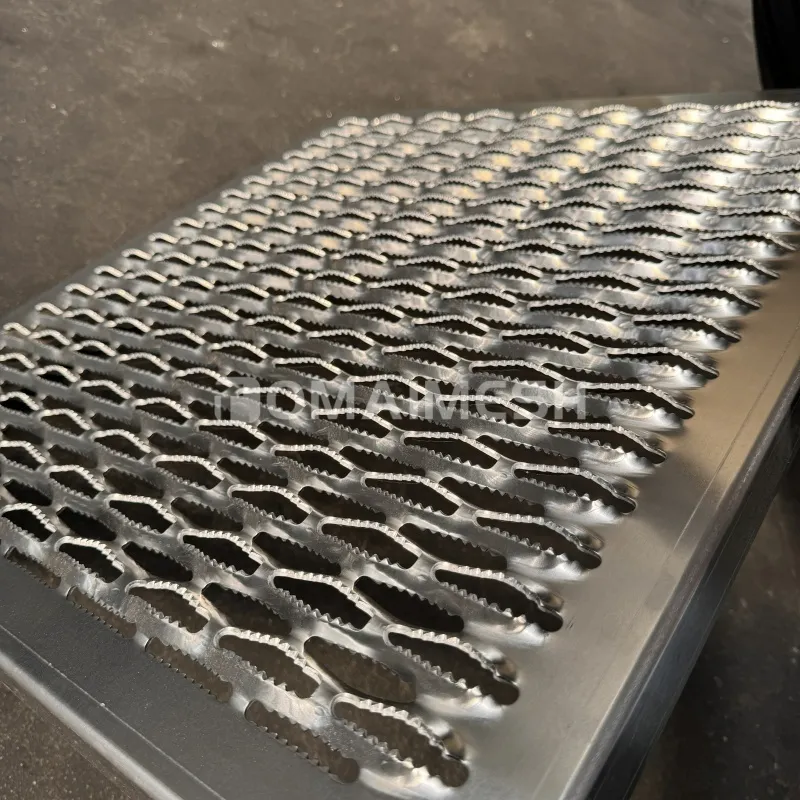
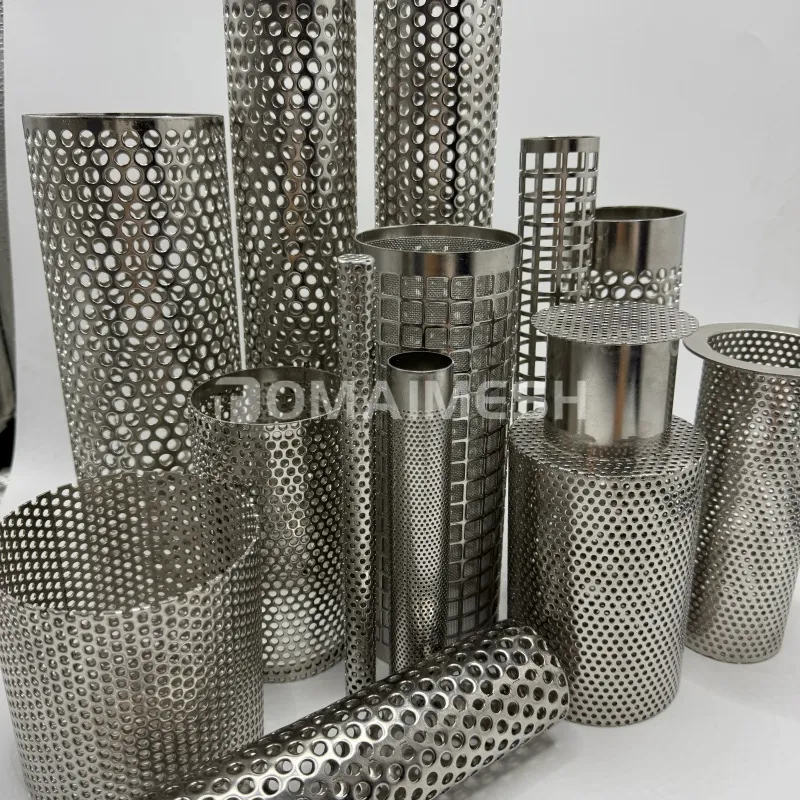
Simply put, perforated material is any sheet of metal, plastic, or composite that's been punctured with a repeated pattern of holes or slots. It might be aluminum sheets for HVAC filters, stainless steel for industrial sieves, or decorative panels in construction. These holes enable the material to “breathe” or filter while retaining structural strength.
In modern industry—and humanitarian needs, too—the ability to customize patterns and hole sizes lets designers meet specific requirements for ventilation, light transmission, sound absorption, or filtration. The perforated material industry thrives on this flexibility, fueling a range of innovations from energy-efficient building facades to advanced water filtration units for disaster zones.
Key Components That Shape the Utility of Perforated Material
Durability
Perforated materials must hold up under mechanical and environmental stress—think salt air in coastal factories or rough handling in transport. Materials like galvanized steel or treated aluminum give the best of both worlds: perforation without sacrificing corrosion resistance.
Scalability
Whether you’re outfitting 10 filters or 10,000 architectural panels, scalable production techniques—such as CNC punching or laser perforation—ensure consistent quality and faster lead times without ballooning costs.
Customization
Hole size, shape, and pattern can be tailored to filter particulates, reduce sound, diffuse light, or optimize airflow, fitting a mind-boggling range of applications across industries.
Cost Efficiency
Using perforated sheets often means less raw material consumption and lighter components, which translates to savings not only on materials but also freight and installation.
Compliance & Sustainability
As global regulations tighten around emissions and recycling, perforated materials increasingly incorporate recycled content and are designed for end-of-life recyclability.
Mini takeaway: The best perforated materials marry strength, adaptability, and environmental awareness, which is why so many industries rely on them.
Where Do We See Perforated Materials in Action?
Oddly enough, these materials appear in places you might not think about immediately:
- Post-disaster relief: lightweight perforated panels allow for quick construction of shelters with ventilation, preventing mold and improving comfort in emergency camps.
- Industrial zones in Asia: factories use custom perforated metal for noise reduction walls, enhancing worker health and productivity.
- Urban architecture in Europe: facades designed with perforated cladding offer a blend of aesthetics and solar shading, reducing building cooling loads.
- Filtration systems in water treatment plants worldwide: perforated screens remove debris without clogging, increasing system longevity.
For example, in the Philippines after typhoon strikes, some NGOs rapidly deployed shelters constructed using perforated material panels designed to withstand tropical storms while remaining breathable.
Advantages & Long-Term Value of Using Perforated Materials
The benefits go beyond just the physical structure. Engineers often stress the mix of:
- Cost savings: lower weight means easier handling and less transport carbon footprint.
- Sustainability: many perforated materials integrate recycled metals and are recyclable themselves, contributing to circular economies.
- Social impact: advanced ventilation prevents health issues in enclosed spaces, preserving dignity in refugee shelters or factories.
- Reliability and trust: robustness in harsh environments means less maintenance and longer lifespans.
There's a kind of emotional resonance too: when materials breathe and protect, they silently elevate quality of life — whether it's a tenant in a city apartment or a family in a relief camp.
Product Specification Table
| Specification |
Typical Value |
Notes |
| Material Type |
Stainless Steel 304 / Aluminum 5052 |
Common in filters and facades |
| Thickness |
0.5 – 3 mm |
Tailored to strength and application |
| Hole Diameter |
1 – 30 mm |
Varies by filtration or light needs |
| Open Area Percentage |
10% – 60% |
Balance between airflow and strength |
| Surface Treatment |
Powder-Coated / Galvanized / Anodized |
Enhances corrosion resistance |
Vendor Comparison: Choosing the Right Perforated Material Supplier
| Feature |
TOMAI Filter |
Generic Supplier A |
Supplier B |
| Custom Hole Patterns |
Yes, up to 5,000 mm wide sheets |
Limited to standard patterns |
Moderate customization |
| Sustainable Materials |
Yes, recycled metals & eco-friendly coatings |
No |
Partial |
| Lead Time |
2-4 weeks |
6+ weeks |
4-6 weeks |
| Technical Support |
Dedicated engineering team |
Limited |
On-demand |
Emerging Trends & Innovations in Perforated Material
Technology is steering the industry into exciting territory. Digital design tools enable ultra-customized perforation patterns optimized through simulation (think airflow, light diffusion, or acoustic dampening). On the materials front, composites combined with recycled polymers are making perforated sheets lighter yet tougher. Automation is streamlining production lines, helping manufacturers deliver bespoke panels faster and with less waste.
Also, green building certifications increasingly reward the use of perforated facades that improve energy efficiency by shading and ventilation. This intersection of sustainability and innovation feels like the next big wave in material science.
Challenges and Practical Solutions
Of course, perforated materials aren’t a silver bullet. Common issues include noise leakage in some configurations, potential weakening of structural components, and complexity in ensuring uniform hole placement during mass production.
Experts often recommend integrated design approaches: combining mechanical reinforcement with acoustic insulation or partnering closely with suppliers who provide 3D prototyping. Additionally, surface treatments can boost corrosion resistance, mitigating environmental impact.
Frequently Asked Questions About Perforated Material
Q1: How does the hole pattern affect airflow and strength?
A: Larger holes and higher open area percentages improve airflow but reduce tensile strength. Finding the ideal balance depends on the application — filtration, decorative facade, or noise barrier — and usually requires consultation with material engineers or suppliers.
Q2: Can perforated materials be recycled?
A: Yes, most metal perforated sheets, like aluminum and stainless steel, are fully recyclable. Using recycled metals in production and ensuring end-of-life recyclability helps meet sustainability targets and reduces environmental impact.
Q3: Are perforated panels suitable for outdoor use?
A: Absolutely, especially with proper surface treatments such as galvanization or powder coating, which protect against corrosion and UV damage. Outdoor architectural applications have widely adopted perforated panels for both functional and aesthetic purposes.
Q4: How quickly can companies deliver custom perforated materials?
A: Lead times vary but top suppliers like TOMAI Filter can deliver custom sheets within 2 to 4 weeks thanks to advanced manufacturing processes. Planning ahead is always helpful for large-scale or complex orders.
Q5: Is perforated material cost-effective compared to solid sheets?
A: In many cases, yes. Perforated sheets typically use less raw material and reduce weight, leading to savings in transport and installation. However, production complexity for custom patterns might increase unit costs slightly.
Wrapping It Up: Why Perforated Material Deserves Your Attention
Perforated materials may seem like small players, but their impact is vast—from enabling sustainable urban architecture and protecting fragile ecosystems, to supporting humanitarian aid in some of the world's toughest environments. They offer a unique combination of elegance, efficiency, and environmental consciousness. As industries continue evolving toward greener, smarter infrastructure, understanding and leveraging these materials will unlock new horizons.
Curious to explore more? Dive deeper on our website to discover how innovative perforated materials can elevate your next project.
Mini takeaway: Perforated materials forge a bridge between functionality and sustainability—bearing quiet but powerful benefits across global industries.
References
- Wikipedia - Perforated Metal
- International Organization for Standardization (ISO)
- World Bank Energy Use Statistics