Understanding Temporary Pipeline Strainers: A Vital Tool in Modern Industry
Temporary pipeline strainers play a quietly crucial role in various industries worldwide, from oil and gas to water treatment and humanitarian relief operations. At first glance, they might seem like simple devices—just screens to catch debris. But frankly, their impact is enormous. Globally, ensuring the cleanliness and safety of fluids transported through pipelines is vital to avoid costly damage, shutdowns, or even environmental disasters. If you're wondering why so many sectors depend on these temporary solutions, this article delves into what makes temporary pipeline strainers indispensable, their core features, and their future potential.
Global and Industry Context: Why Temporary Pipeline Strainers Matter
According to the International Organization for Standardization (ISO), maintaining fluid purity in pipelines dramatically reduces downtime and maintenance costs. In many emerging economies, pipeline projects are expanding rapidly—think oil extraction in West Africa or water infrastructure development in Southeast Asia. The World Bank notes that about 30% of infrastructure projects face delays due to contamination-related issues, underscoring a real problem temporary pipeline strainers can help solve.
Temporary pipeline strainers are widely used during startup phases, testing, or repair operations before permanent filters are installed. Their ability to trap debris while allowing high flow rates makes them invaluable to industries where time and safety are money. In humanitarian contexts, such as post-disaster water distribution, these strainers ensure communities get clean water quickly, preventing disease outbreaks.
What Are Temporary Pipeline Strainers?
Put simply, a temporary pipeline strainer is a removable filtration device installed temporarily in a pipeline to trap solid contaminants like rust, weld spatter, or debris during commissioning or maintenance. Unlike permanent strainers fixed in pipelines, these are designed for quick installation and removal.
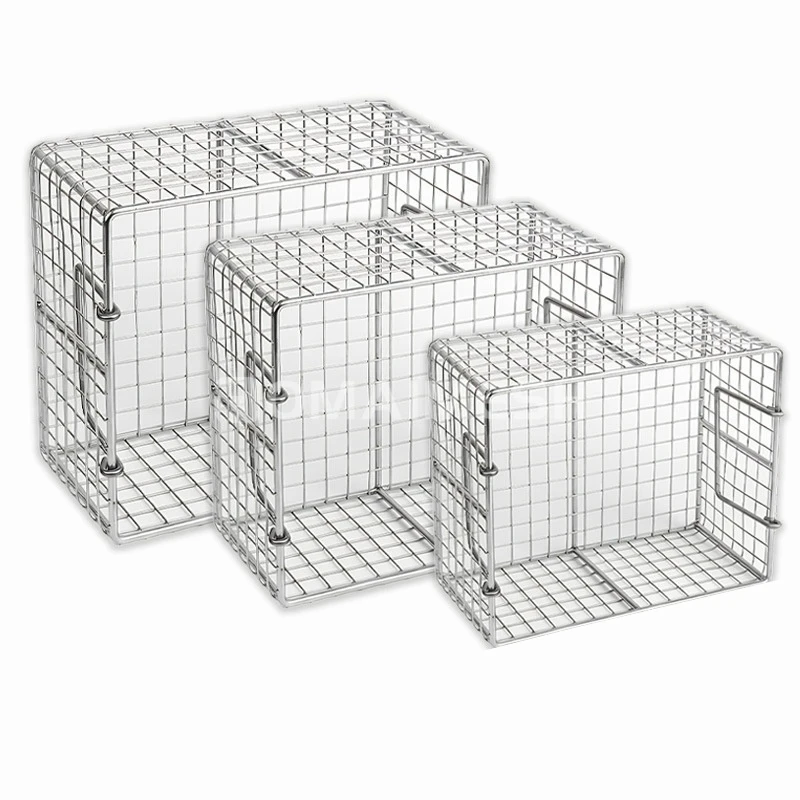
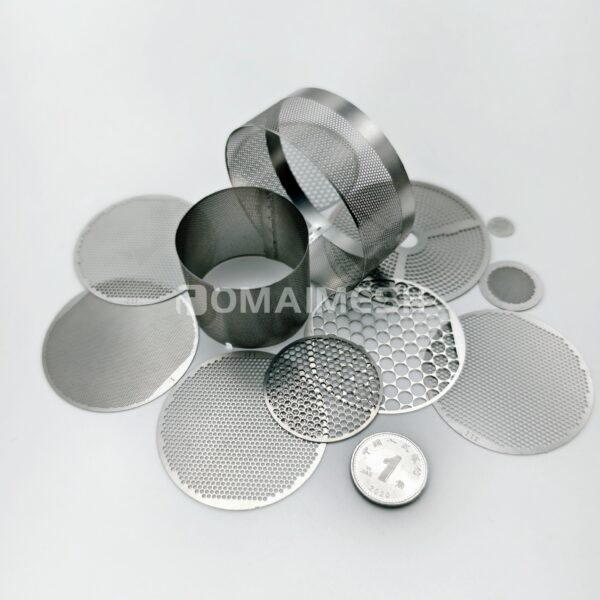
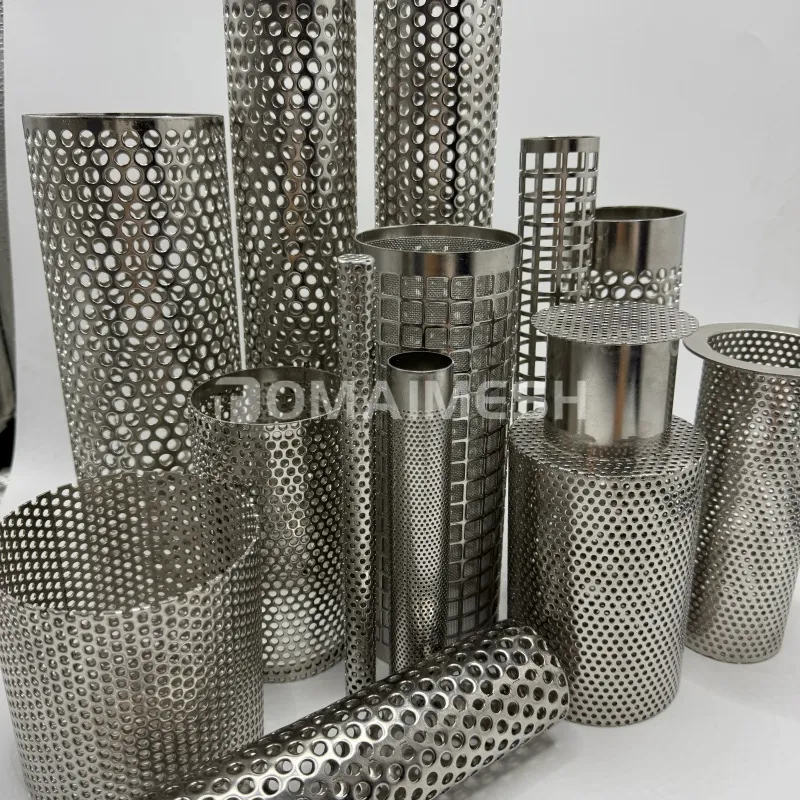
Their design is often straightforward—usually a metal basket or mesh inside a spool piece—yet they must withstand high pressure and temperature conditions while keeping flow unobstructed. Temporary strainers bridge the gap between construction phases and operational readiness in many industrial and humanitarian frameworks.
Core Components and Key Features of Temporary Pipeline Strainers
1. Durability
Temporary strainers need to resist corrosion, mechanical stress, and sometimes abrasive debris. Many use stainless steel or carbon steel for baskets and housings, balancing strength and weight.
2. Scalability
Because pipeline diameters vary widely — from a few inches to several feet — strainers come in multiple sizes and pressure ratings. Whether for a small chemical plant line or a large crude oil pipeline, a suitable temporary strainer exists.
3. Cost Efficiency
Unlike permanent filters, these strainers are reusable and easy to maintain, reducing capital and operational expenses. Their temporary nature means companies don't invest heavily until pipeline integrity is confirmed.
4. Easy Maintenance
Quick disassembly for cleaning or basket replacement minimizes downtime. In critical industries, a few hours saved during pipeline flushing can translate into significant cost savings.
5. Versatility
Temporary strainers are adaptable to various fluids: oil, water, gas, and even abrasive slurries if designed accordingly. This versatility makes them useful worldwide, from harsh Arctic oil fields to tropical water plants.
Global Applications and Real-World Use Cases
Temporary pipeline strainers are everywhere—often out of sight but never out of mind. For example:
- Oil & Gas Industry: Before activating pipelines, companies flush out construction debris with temporary strainers installed to protect pumps and valves.
- Water & Wastewater Treatment: Crisis zones get emergency filtration through portable strainers ensuring safe drinking water supply.
- Industrial Manufacturing: Chemical plants use temporary strainers during turnaround or process changes to prevent equipment fouling.
- Mining Operations: In remote mines, these strainers help maintain slurry lines, reducing wear and costly breakdowns.
In real terms, an LNG processing plant in Qatar credited temporary strainers with preventing system failures during commissioning—saving millions in potential damages (source: industry case reports).
Advantages and Long-Term Value of Temporary Pipeline Strainers
So, why invest in these transient devices? For one, they save money by reducing wear and tear. Imagine the cost of replacing damaged pumps or valves due to debris—temporary strainers help avoid that. Additionally, they improve operational safety by minimizing risk of pipeline failure. On a social level, especially in humanitarian aid, ensuring debris-free water flow preserves dignity and health.
Think about it: reliability and peace of mind — that’s huge when managing critical infrastructure. Companies also appreciate their sustainability aspect; many strainers are reusable and constructed with recyclable materials, aligning with green energy goals.
Temporary Pipeline Strainers: Specifications at a Glance
| Parameter |
Typical Value |
Notes |
| Material |
316 Stainless Steel / Carbon Steel |
Depends on fluid type and temperature |
| Nominal Diameter (DN) |
50 mm – 1200 mm |
Custom sizes available |
| Pressure Rating |
150 – 3000 psi |
Higher ratings customized |
| Mesh Size |
10 micron – 5 mm |
Selected as per application |
| Temperature Range |
-50°C to +400°C |
Depending on materials used |
Comparing Leading Vendors of Temporary Pipeline Strainers
| Vendor |
Availability |
Customization |
Price Range |
Global Reach |
| Tomai Filter |
In stock, fast dispatch |
High – bespoke solutions |
$$–$$$ |
Worldwide |
| Industrial Filters Inc. |
Made to order |
Medium |
$$ |
Regional |
| Global Pipeline Solutions |
Limited stock |
Low |
$ |
International |
Future Trends and Innovations in Temporary Pipeline Strainers
Innovation never sleeps—temporary pipeline strainers are no exception. There's a growing interest in advanced materials like composite alloys that resist fouling and corrosion even longer. Digital transformation is also touching this field—imagine strainers fitted with sensors that detect clogging in real-time, alerting operators before problems arise.
Sustainability angles are especially hot topics. New designs aim to reduce waste while integrating with green energy infrastructure—like pipelines carrying biofuels or hydrogen. Modular, lightweight strainers that reduce carbon footprint during transport and installation are gaining traction.
Challenges and Expert Solutions
Not everything is perfect, of course. Temporary strainers can clog quickly if debris is heavy, requiring frequent cleaning. Installation space constraints sometimes challenge quick deployment. Then there’s the dilemma of balancing mesh fineness with flow efficiency—that’s a classic engineering trade-off.
Experts advise choosing mesh size carefully and scheduling routine maintenance. Some firms use multi-stage strainer setups to handle varying debris sizes, improving effectiveness. Advances in anti-fouling coatings also help minimize maintenance frequency.
FAQ: Your Practical Questions on Temporary Pipeline Strainers
- How long can temporary pipeline strainers typically be used during a project?
- Temporary strainers are designed for short to medium-term use—usually from a few days up to several months depending on the application. They’re removed once pipelines are flushed and permanent filtration is installed.
- Can temporary strainers handle high-temperature fluids?
- Yes, many are constructed from materials like 316 stainless steel that can tolerate temperatures up to 400°C. It’s essential to check manufacturer specs for your exact temperature range.
- Are temporary pipeline strainers reusable?
- Absolutely. After cleaning and inspection, most strainers can be reused across multiple projects if handled properly, making them cost-efficient.
- How do I select the right mesh size?
- Mesh size depends on the expected debris type and flow rate. Smaller mesh captures finer particles but increases pressure drop. Consulting with supplier experts or using testing samples usually helps find the best balance.
Conclusion: Why Temporary Pipeline Strainers Deserve Your Attention
In summary, temporary pipeline strainers might seem humble, but they’re essential cogs in the machine that keep pipelines running smoothly and safely. They save costs, protect equipment, and ensure operational reliability—a classic “small but mighty” device. Whether you work in oil and gas, water utilities, or emergency aid, understanding and deploying quality strainers protects your investments and lives.
If you want to learn more or explore options, check out temporary pipeline strainers from reliable providers like Tomai Filter. Smart filtration today for safer pipelines tomorrow.
Oddly enough, it’s these often-overlooked components that make a huge difference on the ground—and in the field.
References:
1. ISO 16889 - Hydraulic fluid power — Filters – Multi-pass method
2. World Bank Infrastructure Report 2022
3. Wikipedia contributors, “Pipeline,” Wikipedia