Understanding 3 16 Perforated Steel Sheet: A Global Industrial Staple
We often come across perforated steel sheets in architectural panels, filtration systems, or even urban design elements. But have you ever wondered what exactly a 3 16 perforated steel sheet is, why it matters so much industrially and societally, and what real benefits it brings? In a nutshell, these sheets—steel panels punctured with precise holes—are indispensable across industries worldwide for their lightweight strength, ventilation, and filtration properties. Grasping the essence of 3 16 perforated steel sheets helps engineers, procurement experts, and even humanitarian professionals tap into a material that marries durability with functionality.
Why Does 3 16 Perforated Steel Sheet Matter Globally?
According to data from the International Organization for Standardization (ISO) and the World Steel Association, global steel consumption hovers around 1.9 billion tonnes yearly, with perforated steel components making up a vital portion in construction, manufacturing, and infrastructure. But here’s the tricky bit—designing perforated steel with precision to optimize strength while reducing weight poses both an engineering and logistical challenge. Enter the 3 16 perforated steel sheet, an answer to balancing these competing needs on a global scale. From the cold winters of Scandinavia to hot, dusty industrial zones in Africa, these sheets help solve real-world problems like air flow and structural integrity.
Mini Takeaway:
- 3 16 perforated steel sheet is essential across diverse industries worldwide.
- It helps balance strength, ventilation, and weight efficiently.
Decoding the 3 16 Perforated Steel Sheet: What’s in a Name?
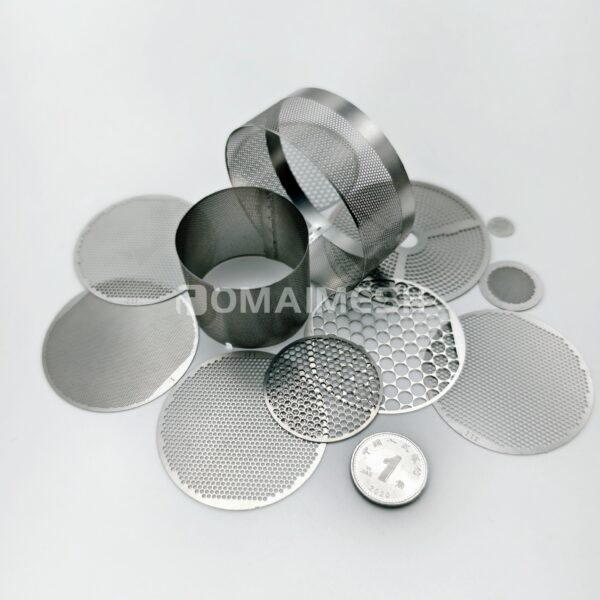
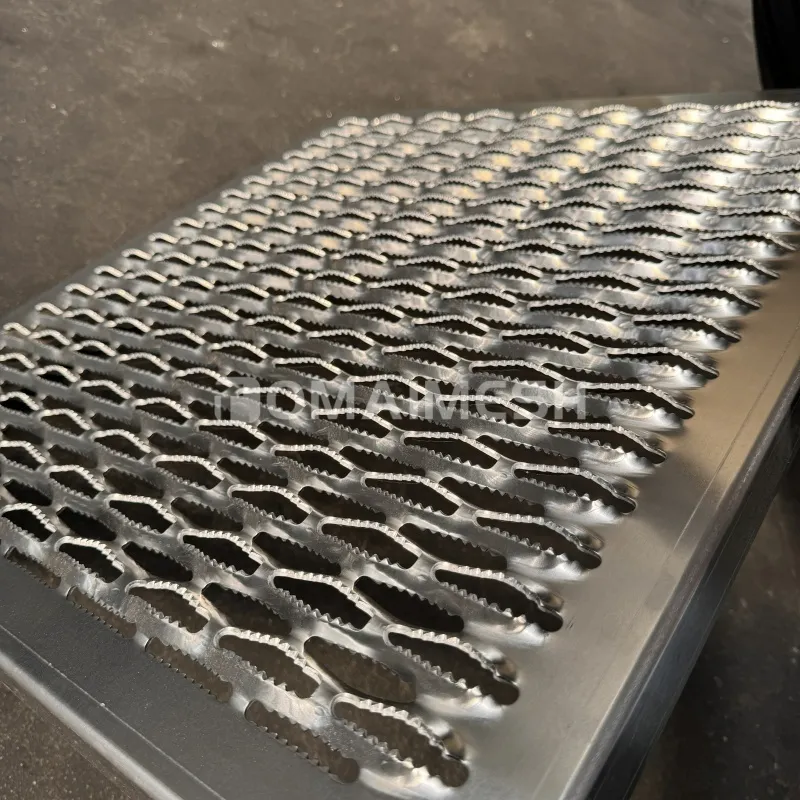
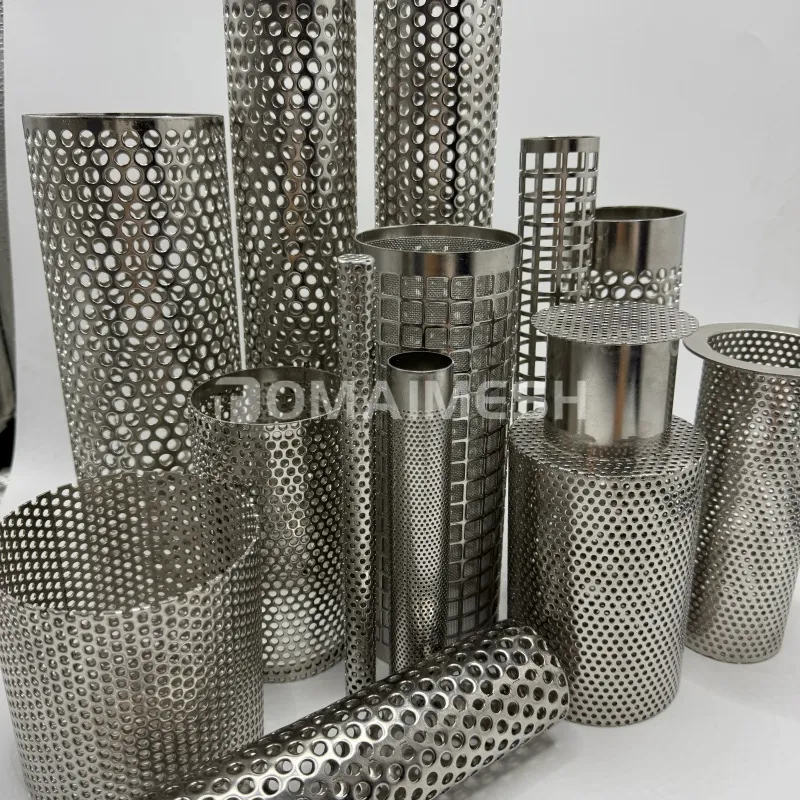
Simply put, “3 16” is shorthand for the perforation size: holes with a diameter of three-sixteenths of an inch (roughly 4.76 mm). A perforated steel sheet is exactly what it says – a steel sheet punched with uniformly placed holes, usually arranged in patterns such as staggered or straight rows.
This isn’t just decorative. These holes drastically reduce weight, allow airflow or liquids to pass, and facilitate sound absorption or filtration. They’re essential in mechanical filters, machine guards, HVAC systems, and safety shielding where control of environment and protection are paramount.
Core Characteristics Defining 3 16 Perforated Steel Sheet
Durability and Strength
Steel’s inherent strength remains largely intact despite the perforations, so the sheet can still support heavy loads. Longevity under harsh conditions like corrosion or wear matters greatly, especially in industrial settings.
Precision Patterning
The 3 16 perforation dimension demands high manufacturing precision, giving predictable airflow or filtering metrics. Accuracy impacts everything from noise control in airports to filtration rates in water treatment.
Material Versatility
Different steel grades—stainless, galvanized, mild—offer bespoke properties. For instance, stainless resists rust, ideal for food industry uses, while galvanized boosts outdoor durability.
Cost Efficiency
Compared with solid steel alternatives, perforated steel cuts material use and weight, which reduces transportation and handling costs.
Environmental Impact
Perforated sheets’ recyclability aligns with sustainability goals, a priority worldwide now more than ever.
Mini Takeaway:
- Strength and precision are critical for usage success.
- Material choice and cost efficiency influence application decisions.
Where Does 3 16 Perforated Steel Sheet Get Used? Global Applications
In real-life terms, these sheets find their way into so many places:
- Architecture & Facades: Providing sunshading while letting in fresh air, used extensively throughout Europe and Asia.
- Filtration Systems: In water plants in the US and India, 3 16 perforated sheets act as first-line filters.
- Industrial Safety: Machine guards and safety screens in manufacturing hubs like Germany and China protect workers using these sheets.
- Acoustic Panels: Airports and music studios across North America use them to improve sound dampening.
- In post-disaster relief zones, these sheets sometimes act as rapid-deployment protective barriers or ventilation-enhancement panels.
Mini Takeaway:
From bustling factories to quiet libraries, 3 16 perforated steel sheet plays a quiet but critical role worldwide.
Product Specification Table
| Property |
Value |
Unit |
| Hole Diameter |
3/16 |
inch |
| Material Thickness |
0.5 - 3 |
mm |
| Material Type |
Stainless / Mild / Galvanized Steel |
- |
| Open Area |
20-30% |
% |
| Standard Sheet Size |
4 x 8 |
feet |
How Vendors Stack Up on 3 16 Perforated Steel Sheets
| Vendor |
Material Options |
Lead Time |
Customization |
Pricing |
| Vendor A |
Stainless, Mild Steel |
2-3 weeks |
Standard Patterns |
Mid-range |
| Vendor B |
Galvanized Steel Only |
1-2 weeks |
Custom Perforation |
Premium |
| Vendor C |
Stainless, Mild, Galvanized |
3-4 weeks |
Bulk Orders, Custom Sheets |
Budget |
Advantages & Long-Term Value
Why do so many engineers and architects keep turning back to 3 16 perforated steel sheets? Beyond their sheer technical specs, it’s the blend of logical and emotional benefits that stand out.
- Economic Benefit: Using these sheets means less raw steel is consumed per unit, lowering cost and shipping weight.
- Environmental Trust: Being recyclable and durable makes them a “green” choice—something both politicians and consumers appreciate.
- Safety and Dignity: In public spaces and factories alike, these sheets ensure safety without sacrificing natural light or air—small but meaningful quality-of-life improvements.
- Innovation Ready: Their adaptability means they fit into tomorrow’s smart buildings and machinery more easily than older materials.
Peeking Into the Future: Trends & Innovations
Oddly enough, a material as seemingly simple as perforated steel is riding waves of innovation. Digital fabrication methods (like CNC punching and laser cutting) allow intricate, customized patterns. Meanwhile, integration with sensors creates “smart facades” that adjust airflow or shade automatically. Environmentally, new coatings improve corrosion resistance without toxic chemicals.
Green energy initiatives also call for lightweight, durable steel components in solar panel mounting systems, frequently using perforated steel sheets. And in manufacturing, automation speeds up production with less human error. So keep an eye on flexible sheet patterns combined with IoT tech.
Addressing Challenges & Practical Solutions
Not everything is perfect though. Perforated sheets can pose structural weak points if poorly designed or too heavily perforated. Corrosion remains a challenge in certain humid or saline environments, despite coatings. And there’s always the balancing act between open area and strength.
Experts suggest:
- Choosing correct steel grades for environment to maximize lifespan.
- Using finite element analysis (FEA) in design to predict stresses.
- Innovating hybrid materials combining steel sheets with composites for extreme conditions.
Frequently Asked Questions About 3 16 Perforated Steel Sheet
Q: What industries benefit the most from 3 16 perforated steel sheets?
A: Industries spanning construction, manufacturing, HVAC, and even food processing utilize these sheets for filtration, safety screens, facade features, and more. Their versatility makes them useful in both harsh industrial zones and public infrastructure.
Q: How customizable are the perforation patterns?
A: While “3 16” refers to hole size, vendors usually offer a range of patterns such as staggered or straight rows. Custom orders can include mixed patterns, varying open area percentages, or different materials to suit application needs precisely.
Q: What maintenance do 3 16 perforated steel sheets require?
A: Regular inspections for corrosion or blockages in perforations are recommended depending on environment. Stainless variants require less upkeep, while galvanized sheets might need recoating in coastal or high-humidity zones.
Q: Can these sheets be used in eco-friendly building projects?
A: Absolutely. Their recyclability, light weight, and ventilation properties make 3 16 perforated steel sheet a preferred choice for green building certifications and sustainable design programs worldwide.
Wrapping It Up: Why 3 16 Perforated Steel Sheet Deserves Your Attention
When you boil it down, 3 16 perforated steel sheets represent more than just perforated metal — they’re a confluence of practical engineering, environmental mindfulness, and global applicability. Whether it’s a protective machine guard unseen to most or a striking architectural feature admired by thousands, their role is hefty and quietly influential.
If your next project needs strength without bulk, airflow without chaos, or ventilation with a safety nod, consider the tried and true 3 16 perforated steel sheet.
Curious to learn more or ready to order? Head over to our website to explore specifications, custom options, and expert advice.
References
- ISO Standards on Steel Products
- World Steel Association – Global Steel Data
- Wikipedia — Perforated Metal