Understanding White Perforated Metal: A Versatile Material Shaping Global Solutions
When you first hear the phrase white perforated metal, you might picture some sleek architectural panels or maybe industrial filters, and you'd be on the right track, but frankly, its significance goes far beyond mere aesthetics. On a global scale, the use of white perforated metal intersects with industries ranging from construction and environmental engineering to humanitarian emergency responses. Understanding this material means unlocking benefits like cost savings, sustainability, and improved safety across many sectors — and that’s why it’s worth our attention.
Global Context: Why White Perforated Metal Matters More than Ever
Across the world, urbanization is accelerating at an unprecedented pace — the UN estimates that by 2050, nearly 68% of the global population will live in cities (1). This pushes industries to rethink building materials that are not only durable but also sustainable and adaptable to diverse environments. White perforated metal plays a subtle yet essential role here. Thanks to its unique combination of strength, airflow, and aesthetic flexibility, it helps address challenges like energy efficiency, noise control, and air filtration. Moreover, in areas prone to natural disasters or harsh weather conditions, its utility becomes even more pronounced, bridging gaps between industrial innovation and humanitarian needs.
Yet, despite its impact, many still underestimate how integral white perforated metal can be in solving global infrastructure challenges.
So, What Is White Perforated Metal?
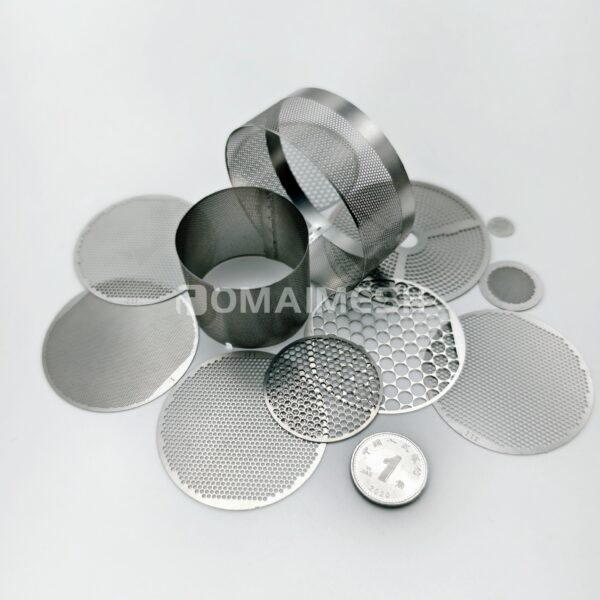
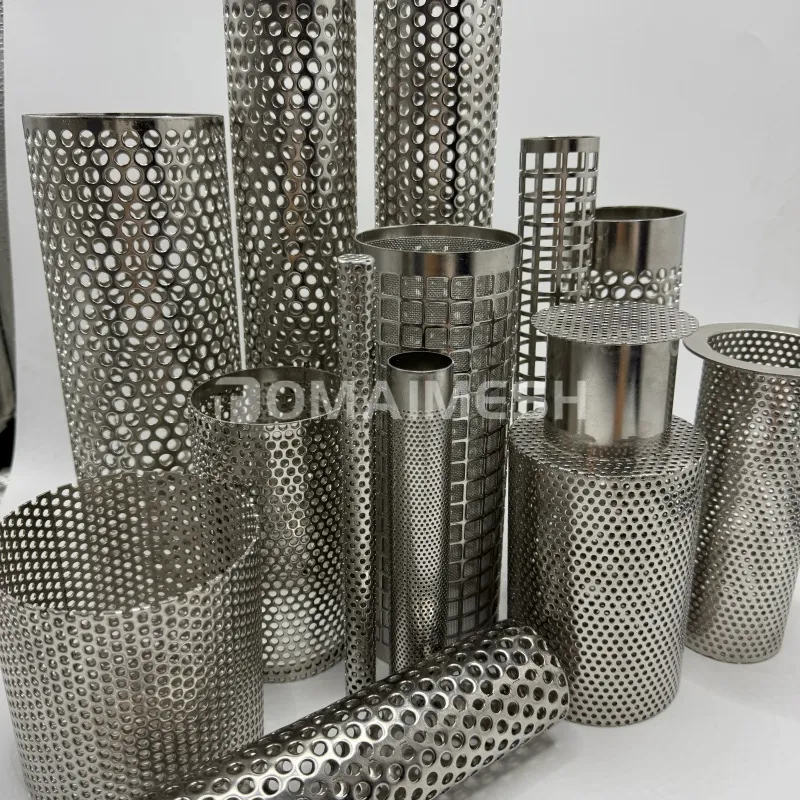
At its simplest, white perforated metal is a sheet of metal — often steel or aluminum — that has been coated or powder-coated in white and punctured with a pattern of holes. These holes can vary greatly in size, shape, and distribution depending on the purpose. It’s not just “pretty metal” — the perforations reduce weight and allow for ventilation or filtration without sacrificing structural integrity.
You’ll find this material bridging modern industry and humanitarian applications alike. It’s been used in everything from ventilated façades of skyscrapers to noise barriers along highways, and even as reusable panels in emergency shelters. The white finish helps reflect sunlight, contributing to energy savings and heat reduction, which is crucial in warmer climates or controlled environments.
Key Factors That Make White Perforated Metal So Useful
Durability
The metal base, typically galvanized steel or aluminum, ensures the panels withstand weather extremes and corrosion. The white coating adds an extra layer of protection and extends the lifespan — making it ideal for both indoor and outdoor applications.
Scalability
These panels can be produced in various thicknesses and sizes, letting manufacturers tailor products for everything from tiny filters to massive architectural installations. Scalability here means it adjusts to different needs effortlessly.
Cost Efficiency
Compared to solid metal sheets, the perforated variant uses less material while maintaining performance, cutting costs without compromising strength. Plus, the white coating often reduces maintenance expenses by resisting dirt and damage.
Ventilation & Filtration
The very purpose of perforation is air passage — for HVAC systems, solar panel shading, or sound absorption. White perforated metal balances these needs while keeping a clean aesthetic.
Sustainability
Many manufacturers now use eco-friendly coatings and recycle metals, aligning with global efforts to reduce the carbon footprint of construction materials.
Customization
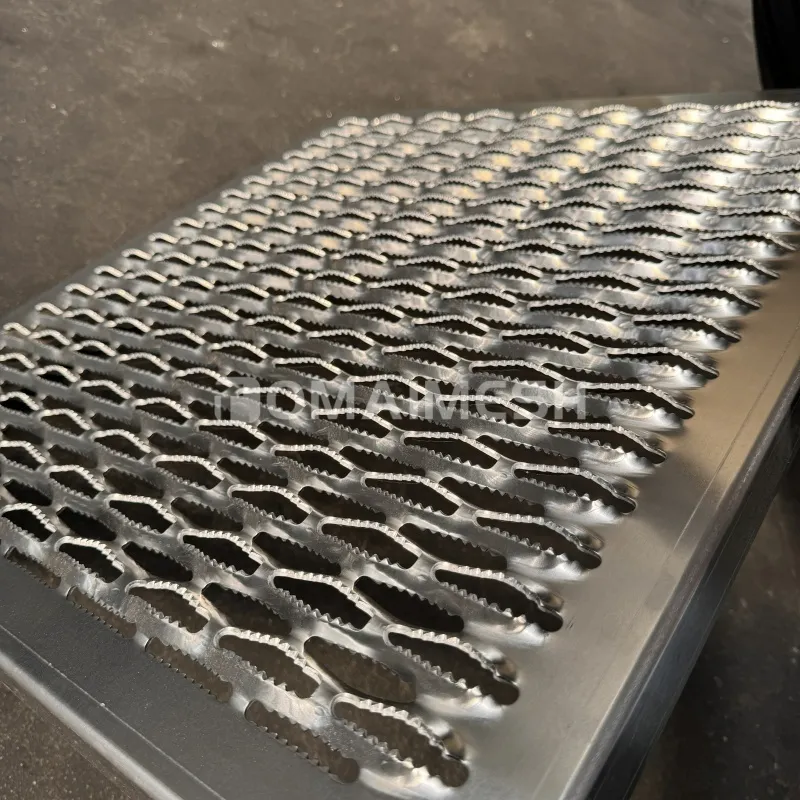
Patterns vary broadly — from round holes to slits or custom shapes — allowing adaptation to every creative or functional demand.
Mini Takeaway:
White perforated metal sits at a fascinating crossroad — it’s a material that blends durability, efficiency, and environmental consciousness into one highly adaptable package.
Global Applications & Real-World Use Cases
Across continents, different industries leverage white perforated metal in unique ways:
- Construction & Architecture: In Europe and North America, it’s common on building exteriors for sunshades or as decorative façades that enhance airflow while protecting the structure.
- Industrial Filtration: In Asia, particularly in electronics manufacturing hubs, perforated metal panels contribute significantly to dust filtering systems.
- Humanitarian Shelter: NGOs operating in sub-Saharan Africa and Southeast Asia have begun incorporating lightweight white perforated metal sheets in temporary housing to improve ventilation and comfort in hot climates.
- Transportation Infrastructure: Noise barriers along highways in Japan and Germany often feature white perforated metal to reduce sound pollution while blending with the landscape.
For example, in post-disaster relief operations, rapid deployment shelters with white perforated metal panels allow for airflow, reducing heat stress for displaced populations — a small but meaningful innovation that reflects a deeper understanding of material science in humanitarian aid.
Advantages & Long-Term Value
It’s not all just specs and charts — the real lasting advantages are tangible in everyday life. White perforated metal:
- Reduces energy costs: Its reflective coating cuts cooling needs and helps ventilation systems operate more efficiently.
- Enhances safety and dignity: In shelters or public spaces, improved airflow makes environments healthier and more comfortable.
- Supports sustainability goals: Long lifecycle and recyclable content make it a conscientious choice for eco-minded projects.
- Fosters innovation: Its flexibility enables designers and engineers to push new boundaries, from urban green walls to acoustic walls in concert halls.
White Perforated Metal Product Specifications
| Specification |
Typical Value |
Notes |
| Material |
Aluminum or Galvanized Steel |
Depends on application |
| Coating |
White Polyester Powder Coat |
For UV and corrosion resistance |
| Thickness |
0.8 mm – 3.0 mm |
Selection based on strength needs |
| Hole Diameter |
1 mm – 10 mm |
Customizable |
| Open Area % |
20% – 60% |
Balances airflow and strength |
Vendor Comparison: Leading Suppliers of White Perforated Metal
| Supplier |
Material Options |
Customization |
Lead Time |
Sustainability Certifications |
| Tomai Filter |
Aluminum, Galvanized Steel |
Fully customizable hole patterns & sizes |
3–4 weeks |
ISO 14001, RoHS Compliant |
| Global Steel Panels Co. |
Steel Only |
Limited pattern options |
2–3 weeks |
None |
| EcoMetal Solutions |
Recycled Aluminum |
Custom colors & sizes |
4–6 weeks |
LEED, Cradle to Cradle |
Future Trends & Innovations
Looking ahead, white perforated metal is poised for growth with advances in:
- Smart coatings: Self-cleaning or heat-reflective finishes that further improve efficiency.
- Integration with renewable energy: Panels designed to work with solar shading combined with photovoltaic cells.
- Automation in manufacturing: More precise perforation patterns, reducing waste and speeding production.
- Eco-friendly policies: Stricter environmental regulations pushing use of recycled materials and lifecycle assessments.
Challenges & Expert Solutions
Oddly enough, although quite versatile, white perforated metal faces a few hurdles:
- Potential for dirt accumulation: Perforations can trap debris, requiring diligent maintenance.
- Certain coatings may fade under harsh UV exposure: Selecting the best coat for the climate is critical.
- Transportation logistics: Large panels can be cumbersome and expensive to ship internationally.
These challenges are being addressed through research into nano-coatings, modular panel designs for easier shipment, and partnerships with suppliers like white perforated metal makers that emphasize quality control and customization options to fit client needs precisely.
FAQ: Frequently Asked Questions About White Perforated Metal
1. How does white perforated metal compare to solid metal for building ventilation?
White perforated metal provides ventilation while maintaining structural strength. Unlike solid sheets, it allows airflow and light passage, improving indoor air quality and reducing energy loads. The white surface also reflects sunlight, helping regulate building temperatures.
2. Can white perforated metal panels be recycled?
Yes, most white perforated metal products, especially those made with aluminum or steel, are recyclable. The powder coatings are often eco-friendly and comply with regulations like RoHS to ensure minimal environmental impact.
3. What maintenance is required for outdoor white perforated metal installations?
Routine cleaning to prevent dirt and debris buildup in the perforations is recommended. Depending on environmental exposure, occasional inspections of coating integrity can extend lifespan significantly.
4. Are there customizable patterns available for specific industrial applications?
Absolutely. Manufacturers provide tailored hole diameters, shapes, and open area percentages to meet diverse requirements, such as acoustic dampening or precise filtration.
5. How long do white perforated metal systems typically last in extreme climates?
With proper coating and maintenance, these systems can last 15+ years in harsh conditions, including coastal or desert environments.
Conclusion & Next Steps
To wrap this up: white perforated metal isn’t just a niche industrial material; it’s a quietly revolutionary component woven into the fabric of sustainable, efficient, and human-centered modern design. Whether you’re optimizing an architectural project, designing a HVAC system, or considering materials for humanitarian aid shelters, this product offers long-term reliability and value.
If you’re considering integrating white perforated metal into your projects, be sure to partner with experienced suppliers who offer quality, customization, and a sustainability mindset — it makes all the difference.
Thanks for sticking with me here — odd how a few holes in metal can have such a significant impact, huh?
References
- United Nations World Urbanization Prospects
- Wikipedia - Perforated Metal
- ISO 14001 Environmental Management