24 Mar 2026
In the realm of industrial filtration and protection, PU screen panels (Polyurethane screen panels) represent a significant advancement. These panels are increasingly utilized across diverse sectors, offering superior durability, efficiency, and cost-effectiveness. This article delves into the characteristics, applications, and benefits of PU screen panels, providing a comprehensive overview for professionals seeking robust filtration solutions. Whether you’re in mining, agriculture, or materials processing, understanding these panels can optimize your operations and improve product quality.
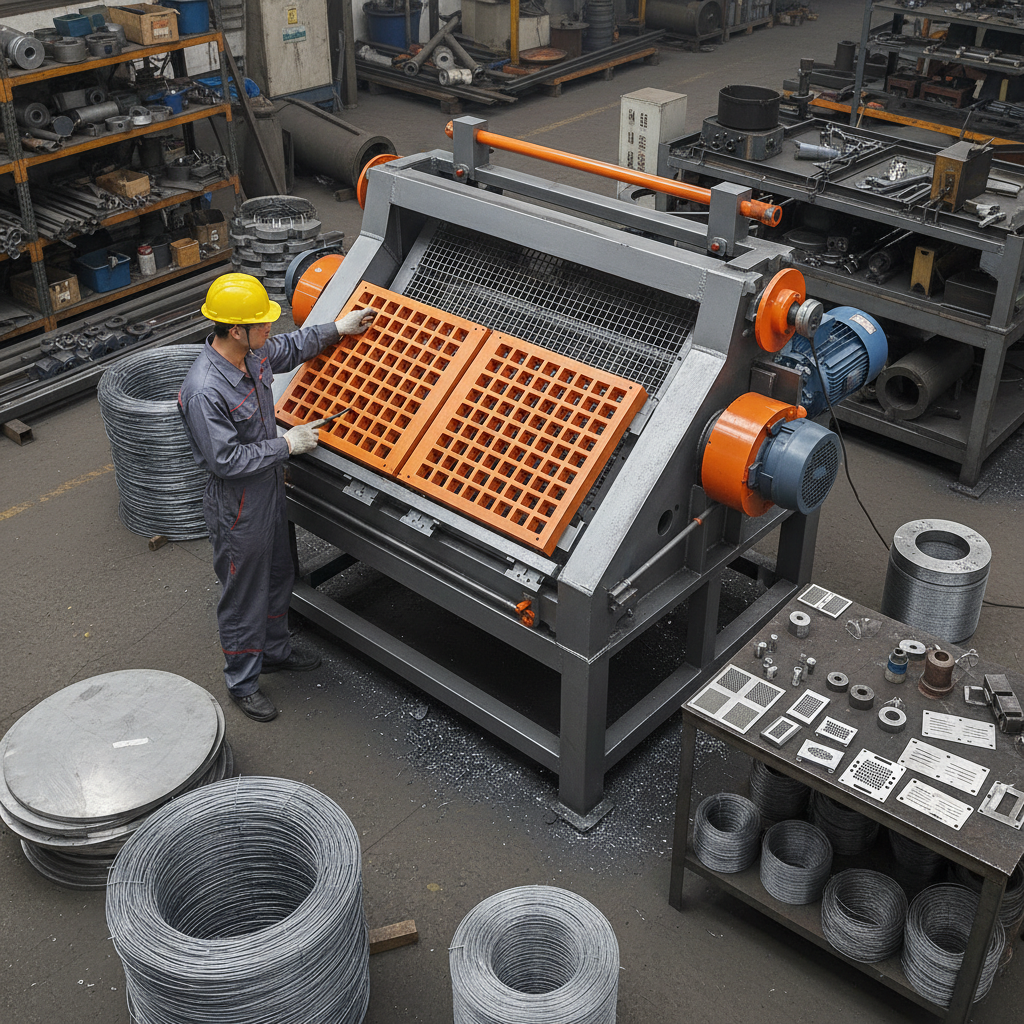
PU screen panels are constructed from polyurethane, a highly versatile polymer known for its exceptional abrasion resistance, flexibility, and load-bearing capacity. Unlike traditional metal screens, PU panels offer a quieter operation and reduced wear on materials being processed. They're typically molded onto a supporting structure, creating a durable and long-lasting screening surface. The open area of the screen can be customized to suit specific application needs, allowing for precise separation of materials by size. These panels are a key component in various screening systems, ensuring efficient and reliable performance.
Key Highlights: Excellent abrasion resistance, customizable open areas, quieter operation compared to metal screens, and long-lasting durability.
The versatility of PU screen panels makes them suitable for a wide array of applications. In the mining industry, they are used for classifying and separating ores and aggregates. Agricultural applications include grading seeds, grains, and other agricultural products. Furthermore, PU panels are employed in the processing of plastics, chemicals, and recycled materials. Their ability to handle abrasive materials and maintain consistent performance makes them ideal for demanding environments. They are also increasingly used in wastewater treatment facilities for solids separation.
Application Areas:
• Mining and Aggregate Processing
• Agricultural Grading
• Plastics and Chemical Processing
• Wastewater Treatment
When comparing PU screen panels to traditional metal screens (such as stainless steel or woven wire), several key differences become apparent. Metal screens are prone to corrosion, require more frequent replacement, and generate higher noise levels during operation. PU panels, on the other hand, are corrosion-resistant, offer significantly longer service life, and operate much more quietly. While the initial investment for PU panels may be slightly higher, the long-term cost savings due to reduced maintenance and replacement make them a more economical choice.
One of the significant advantages of PU screen panels is their ability to be customized to meet specific application requirements. Tomaifilter offers a wide range of customization options, including aperture size, panel thickness, and screen pattern. This allows for precise control over material separation and ensures optimal screening efficiency. Furthermore, PU panels can be designed with different mounting configurations to seamlessly integrate with existing screening equipment. The flexibility of PU allows for creating complex geometries and specialized features.
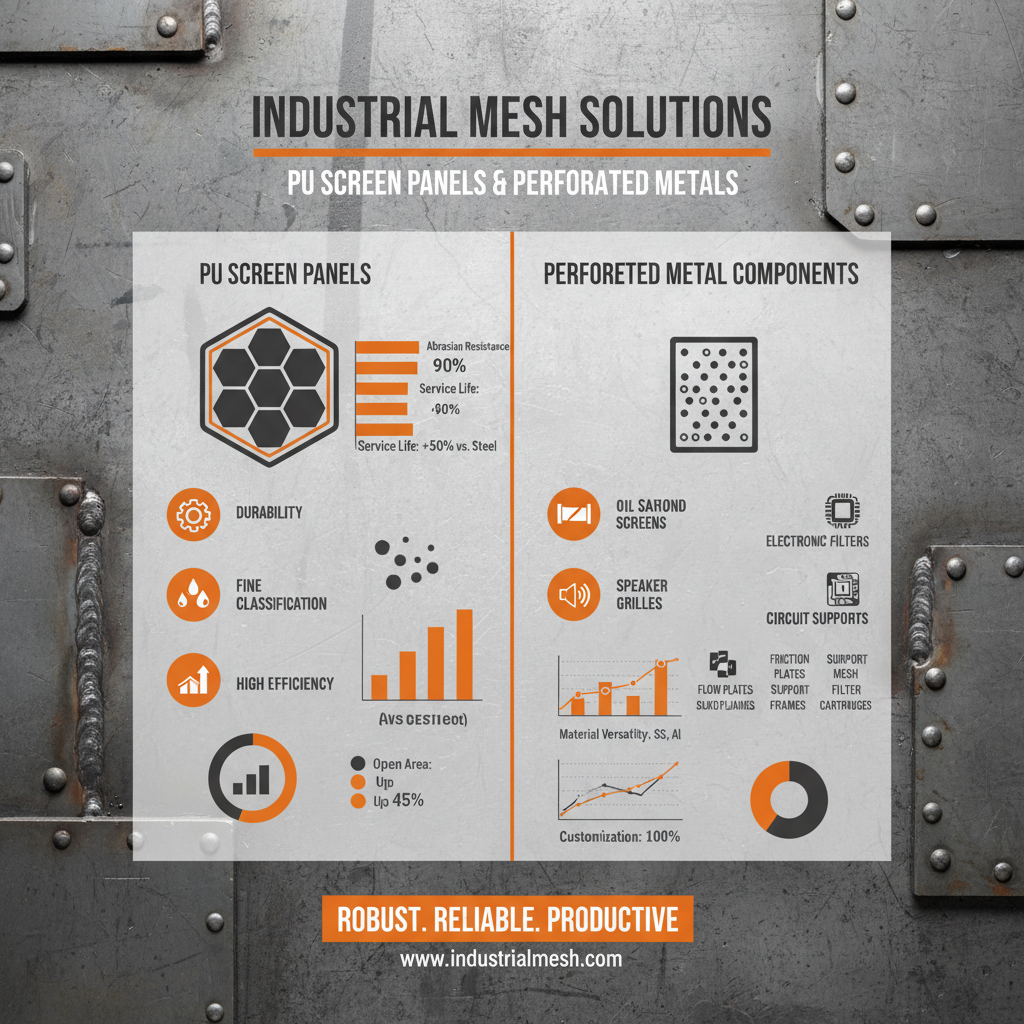
Selecting the appropriate PU screen panel requires careful consideration of several factors. The material being screened, the desired particle size, the operating environment, and the throughput rate all play a crucial role. It's essential to choose a panel with the correct aperture size to ensure efficient separation. Consider the abrasion characteristics of the material being screened to determine the necessary panel thickness. Finally, ensure the panel is compatible with your existing screening equipment. Contacting a specialist like Tomaifilter can provide valuable guidance in selecting the optimal solution for your specific needs.
PU screen panels represent a significant advancement in industrial filtration, offering superior performance, durability, and cost-effectiveness. By understanding their benefits and customization options, businesses can optimize their operations and improve product quality. Investing in high-quality PU screen panels from a reputable supplier like Tomaifilter is a strategic move towards increased efficiency and long-term success.
The lifespan of a PU screen panel depends heavily on the application, the abrasiveness of the material being screened, and the operating conditions. However, a well-maintained PU screen panel generally lasts significantly longer than traditional metal screens, often 2 to 5 times longer. In less demanding applications, they can easily last for several years. Regular inspection for wear and tear is recommended to ensure optimal performance and prevent unexpected downtime.
PU screen panels have a limited temperature resistance. While they can handle moderately warm materials, prolonged exposure to high temperatures can cause the polyurethane to degrade and lose its structural integrity. The maximum operating temperature for most standard PU panels is around 80°C (176°F). For applications involving higher temperatures, specialized high-temperature PU formulations are available, but these come at a higher cost. It’s crucial to verify the temperature rating of the panel before using it with hot materials.
Tomaifilter offers a high degree of customization for PU screen panels. This includes varying the aperture size (opening size), panel thickness, overall dimensions, and screen pattern (square, rectangular, triangular, etc.). We can also incorporate specific mounting features and reinforcement structures to meet your unique equipment requirements. We work closely with our clients to develop tailor-made solutions that optimize their screening processes.
Regular cleaning is essential for maintaining the performance of your PU screen panel. A simple brush or compressed air can remove most debris. Avoid using harsh chemicals or abrasive cleaners, as these can damage the polyurethane. For stubborn build-up, a mild detergent solution may be used, followed by thorough rinsing. Inspect the panel periodically for signs of wear and tear, such as cracks or tears. Promptly replace any damaged panels to prevent further issues.


Hit enter to search or ESC to close
