Key Applications
Coarse Filtration and Pre-Screening
Removes large particles, agglomerates, or foreign matter from process streams.
Used in slurries, viscous liquids, or feedstocks before fine filtration.
Protects downstream filters, pumps, and reactors from clogging or damage.
Support for Fine Filtration Media
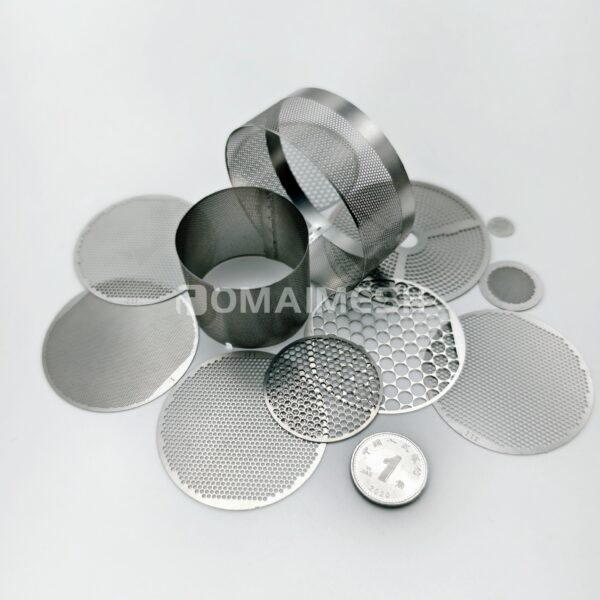
Acts as a support layer for woven wire mesh, sintered mesh, or fiber filters.
Provides structural strength under high differential pressures.
Ensures stable pore size and prevents filter collapse.
Catalyst Support and Reactor Internals
Used as catalyst support grids in fixed-bed reactors (e.g., hydrogenation, reforming).
Provides uniform distribution of gases and liquids while holding catalyst particles in place.
Withstands extreme conditions inside chemical reactors.
Separation and Classification
Helps classify solid particles by size in chemical powder processing.
Applied in drying, granulation, and crystallization units.
Safety and Protection Components
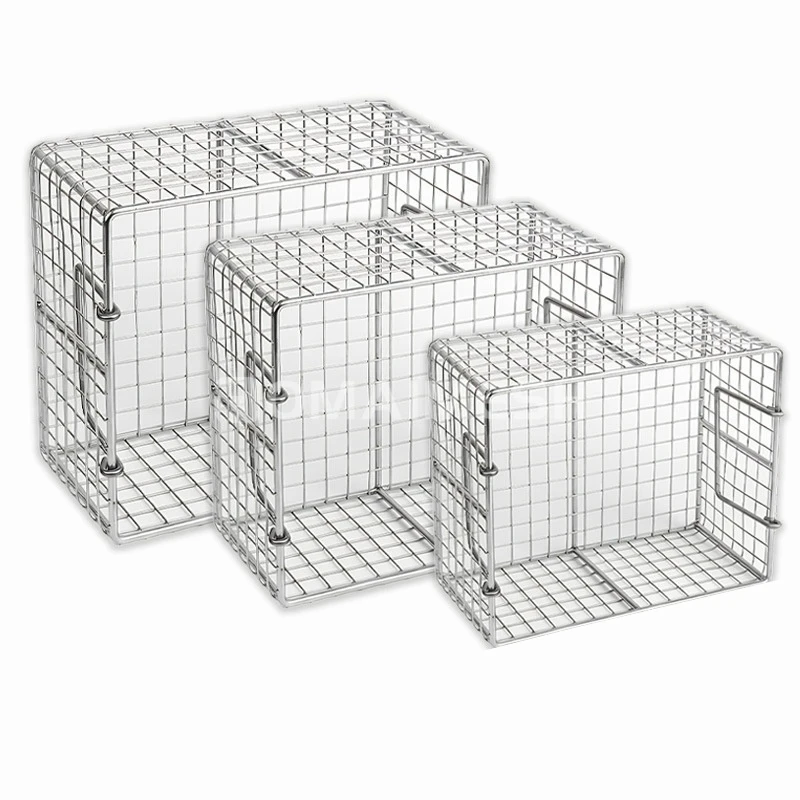
Used as protective guards in heat exchangers, pipelines, and centrifuges.
Prevents large debris from entering sensitive equipment.
Advantages in Chemical Engineering
High strength and rigidity → withstands mechanical stress, pressure, and flow.
Corrosion resistance → materials such as stainless steel 304, 316L, Duplex, or Hastelloy ensure chemical compatibility.
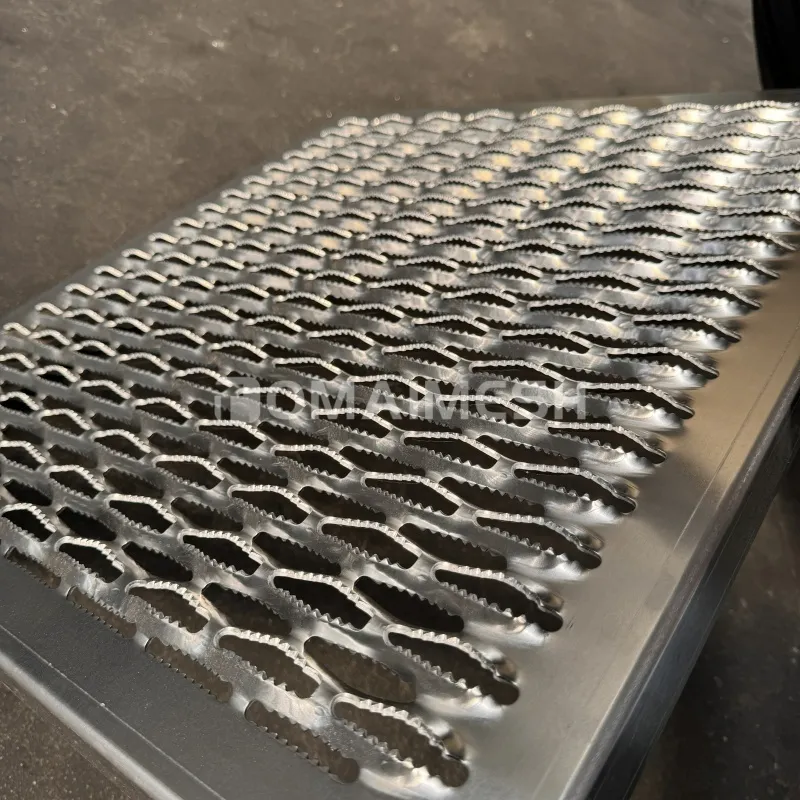
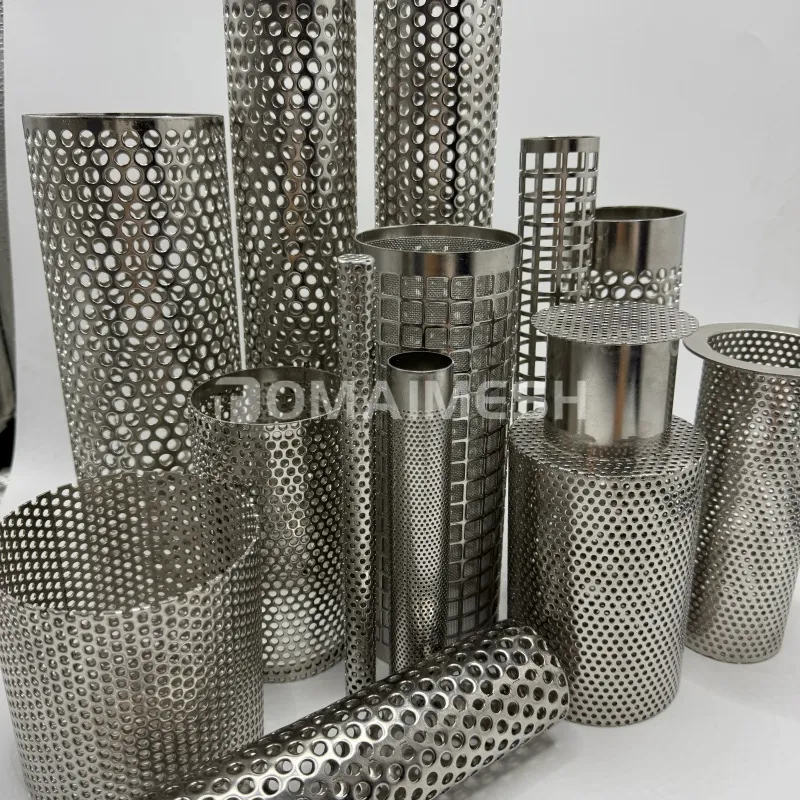
Customizable perforation patterns and hole sizes → from sub-millimeter to several centimeters, adaptable to different processes.
Durability and reusability → long service life, easy cleaning, and maintenance.
Versatility → suitable for both liquid–solid and gas–solid separation.
Perforated metal screens in chemical engineering serve as coarse filters, support structures, catalyst carriers, and protective elements. Their strength, chemical resistance, and adaptability make them indispensable in processes such as reaction, separation, filtration, and equipment protection.