Key Applications
Engine Air Intake and Exhaust Systems
Serves as a pre-filter or protective screen to prevent large debris from entering engines or exhaust components.
Provides structural support for finer filter media in air filters or catalytic converters.
Oil and Fuel Strainers
Used in oil pumps, fuel pumps, and transmission systems to remove larger particles before finer filtration.
Protects pumps and injectors from damage due to coarse contaminants.
Cabin and HVAC Systems
Supports air filters in heating, ventilation, and air conditioning (HVAC) units.
Ensures uniform airflow while holding filter media in place.
Exhaust and Emission Components
Protects catalytic converters and mufflers from large particulate matter.
Can be used as support or diffuser screens to maintain flow distribution.
Decorative and Structural Applications
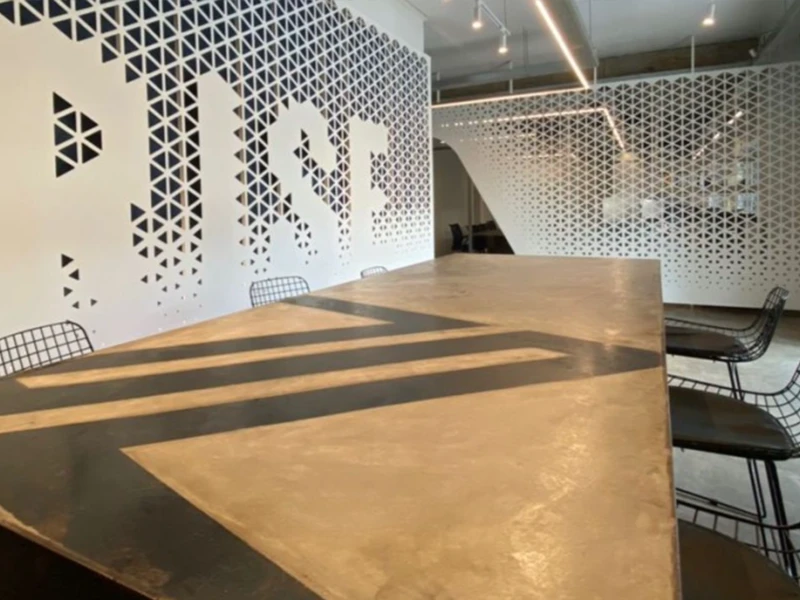
Sometimes used in grilles, speaker covers, and protective panels for aesthetic and functional purposes.
Provides both strength and airflow without compromising design.
Advantages in Automotive Applications
High mechanical strength → withstands vibrations, pressure, and thermal cycles.
Customizable hole sizes and patterns → adapted for filtration, airflow, or decorative needs.
Durable and corrosion-resistant → suitable for long-term use in harsh engine environments.
Lightweight yet rigid → ideal for structural support in filter housings and panels.
Easy to clean and maintain → suitable for reusable filter applications.
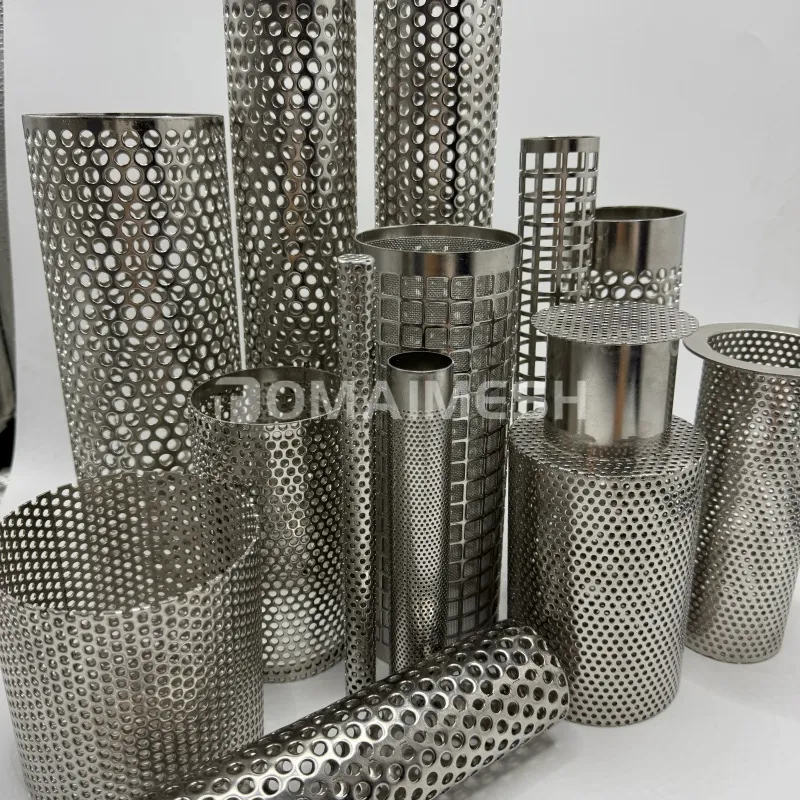
In the automobile industry, perforated metal screens are primarily used for:
Engine air intake and exhaust protection
Oil and fuel pre-filtration
HVAC system support
Emission control and exhaust component protection
Structural and decorative panels
Their combination of strength, durability, and customizable design makes them a versatile component in automotive manufacturing and maintenance.