31 Mar 2026
In today's industrial landscape, the demand for high-performance filtration solutions is ever-increasing. Among the various technologies available, PU screen filtration stands out for its versatility, durability, and efficiency. This article will delve into the world of PU screens, exploring their composition, manufacturing process, diverse applications, and the benefits they offer across various industries. We will also discuss how choosing the right PU screen can significantly improve the quality and efficiency of your processes.
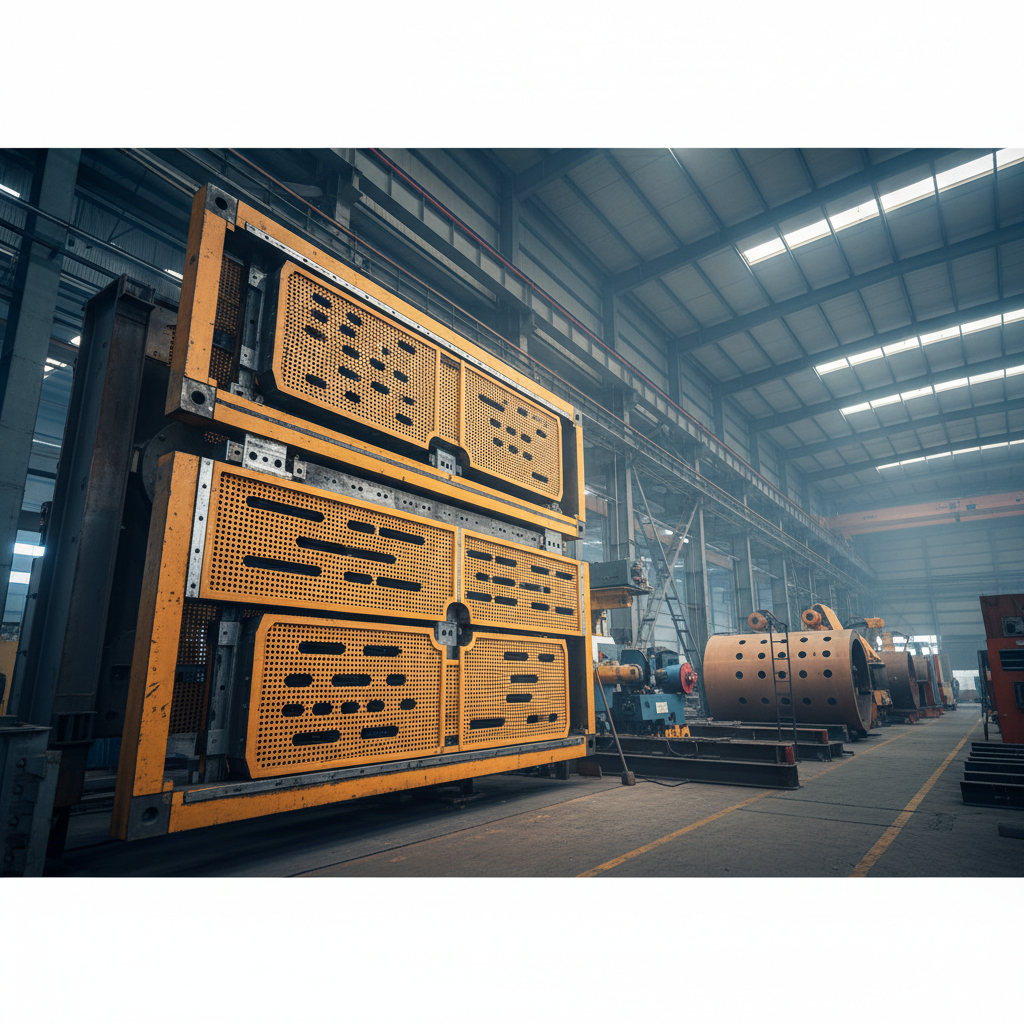
A PU screen, short for polyurethane screen, is a type of filtration mesh constructed from polyurethane material. Polyurethane is a highly versatile polymer known for its exceptional abrasion resistance, flexibility, and load-bearing capacity. These screens are created through a molding process, allowing for precise control over aperture size, mesh count, and overall screen geometry. Unlike traditional woven wire screens, PU screens offer a seamless surface, preventing material buildup and minimizing downtime for cleaning. Their unique properties make them ideal for a wide range of separation and filtration applications.
Key Benefits: Exceptional abrasion resistance, long service life, reduced maintenance, high throughput, and customizable configurations.
The manufacturing of PU screens typically involves a casting process. Liquid polyurethane is poured into a precisely designed mold featuring the desired screen aperture pattern. The mold is then cured, resulting in a seamless, one-piece screen. Key factors influencing the quality of the final product include the polyurethane formulation, mold design, and curing conditions. Precise control over these variables ensures consistent aperture size, uniform thickness, and optimal mechanical properties. Tomai Filter specializes in producing high-quality PU screens using advanced manufacturing techniques.
Manufacturing Steps:
• Mold Design and Fabrication
• Polyurethane Formulation
• Casting and Curing
• Quality Control and Inspection
PU screens find diverse applications across various sectors, including mining, agriculture, food processing, and wastewater treatment. In the mining industry, they are used for screening aggregates, coal, and other minerals. Agricultural applications include classifying seeds, separating soil components, and processing fruits and vegetables. The food processing industry utilizes PU screens for removing impurities and ensuring product consistency. Wastewater treatment facilities employ them for solid-liquid separation and removing debris. The adaptability of PU screens makes them a valuable asset in numerous industrial processes.
Compared to traditional screening methods, PU screens offer several key advantages. Their exceptional abrasion resistance translates to a longer service life, reducing replacement costs and downtime. The seamless surface minimizes material buildup, maintaining consistent throughput and reducing cleaning frequency. Furthermore, PU screens can be customized to meet specific application requirements, offering precise aperture sizes and flexible configurations. This level of customization optimizes performance and maximizes efficiency. Selecting the correct PU screen from a reputable supplier like Tomai Filter will give you the best return on investment.
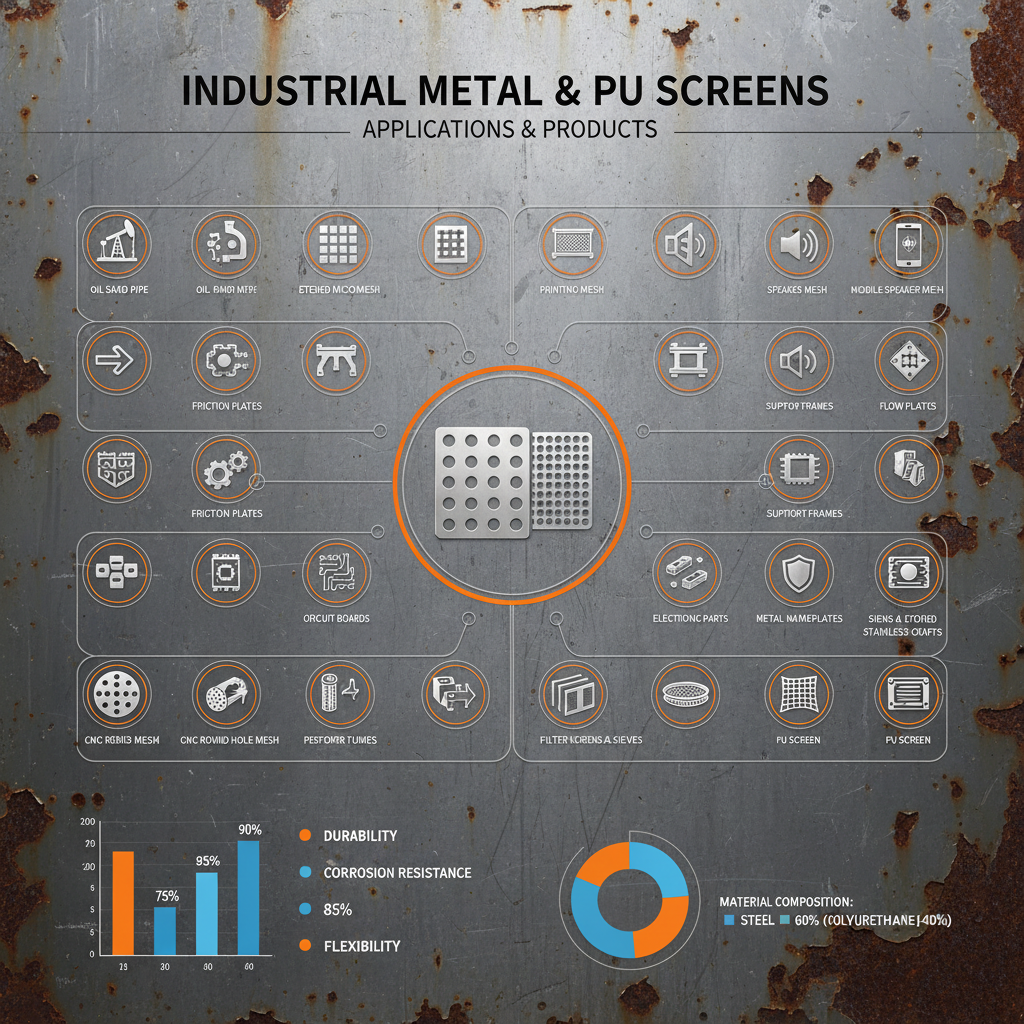
Choosing the right PU screen involves considering several factors, including the material being screened, particle size distribution, throughput requirements, and operating conditions. It's important to select a screen with the appropriate aperture size to ensure efficient separation without clogging. The screen's thickness and construction should be suitable for the expected load and abrasive forces. Working with a knowledgeable supplier like Tomai Filter can help you identify the optimal PU screen for your specific application.
PU screen technology represents a significant advancement in filtration and separation processes. Its superior durability, efficiency, and customizability make it an ideal solution for a wide range of industrial applications. By investing in high-quality PU screens from a trusted supplier, businesses can optimize their operations, reduce costs, and improve product quality.
PU screens offer several advantages. Primarily, they exhibit superior abrasion resistance, resulting in a longer lifespan and reduced replacement costs. Their seamless construction prevents material buildup and clogging, maintaining consistent throughput. Furthermore, PU screens can be custom-designed to precise specifications, offering greater flexibility than woven wire screens. Woven wire screens can also be prone to corrosion, whereas PU screens offer excellent resistance to many chemicals.
PU screens are widely used across diverse industries, including mining, agriculture, food processing, wastewater treatment, pharmaceuticals, and recycling. Their versatility and ability to handle abrasive materials make them suitable for a broad range of applications in these sectors. Specifically, in mining they are used for coal prep plants and aggregate screening.
Determining the correct aperture size depends on the particle size distribution of the material being screened. Generally, the aperture size should be slightly smaller than the smallest particle you want to retain. It's crucial to consider the desired separation efficiency and throughput. Consulting with a PU screen specialist is highly recommended to ensure optimal performance.
The lifespan of a PU screen varies depending on the application, the abrasiveness of the material being screened, and operating conditions. However, PU screens generally offer a significantly longer lifespan compared to traditional woven wire screens. With proper maintenance and operating within the specified parameters, a PU screen can last several years, minimizing downtime and replacement costs.


Hit enter to search or ESC to close
