28 Mar 2026
In various industrial processes, efficient separation and filtration are crucial. Polyurethane fine screens offer a robust and effective solution for these challenges. This article will delve into the applications, benefits, and key considerations when choosing polyurethane fine screens, with a focus on how Tomaifilter can provide tailored solutions to your filtration needs. Effective filtration improves product quality, extends equipment life and enhances operational efficiency.
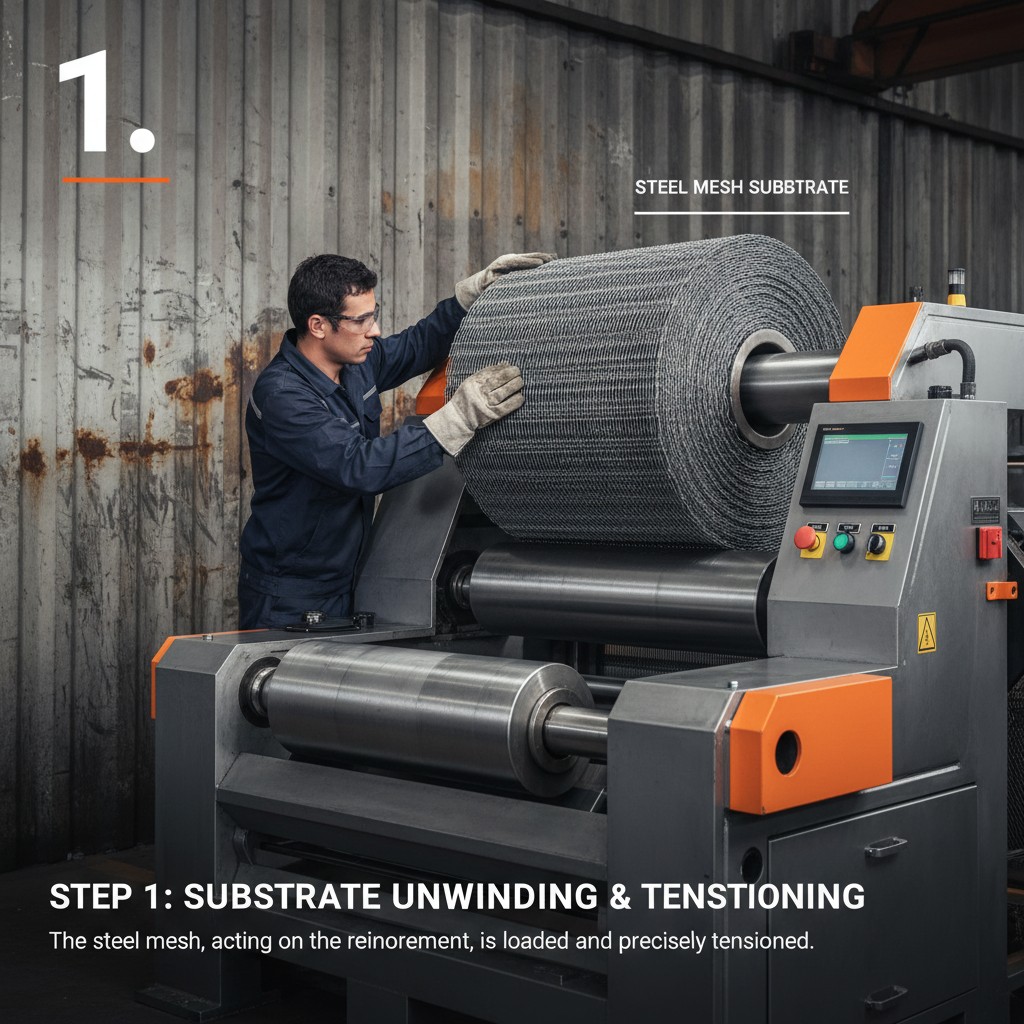
Polyurethane fine screens are engineered for demanding filtration applications. These screens utilize woven or cast polyurethane materials to create precise openings, effectively separating solids from liquids or gases. Unlike traditional metal screens, polyurethane offers exceptional abrasion resistance, making them ideal for processing abrasive materials. The flexibility of polyurethane also allows for various screen configurations, including flat panels, cylinders, and custom shapes. Tomaifilter specializes in crafting these screens to meet specific industry requirements.
Key Benefits: Superior abrasion resistance, customizable configurations, efficient separation, long service life, reduced downtime.
The versatility of polyurethane fine screens makes them suitable for a broad spectrum of industries. Common applications include: water treatment, food processing (fruit juice clarification, vegetable washing), mining and aggregate processing, pharmaceutical manufacturing, and paper pulp production. In water treatment, these screens effectively remove debris and sediments. In the food industry, they ensure product purity. Mining operations utilize them for classifying materials and separating valuable minerals. Tomaifilter provides customized screen solutions for each unique application.
Industry Applications:
• Water Treatment
• Food and Beverage Processing
• Mining and Aggregates
• Pharmaceutical Production
While stainless steel screens are commonly used, polyurethane fine screens offer significant advantages in many applications. Polyurethane's superior abrasion resistance results in a longer lifespan, especially when handling abrasive materials. It also provides better resistance to corrosion and chemical attack. Moreover, polyurethane screens can be manufactured with finer and more precise openings than stainless steel, enhancing separation efficiency. Tomaifilter’s polyurethane screens consistently outperform traditional options in demanding environments.
Selecting the appropriate polyurethane fine screen depends on several factors: the type of material being processed, the desired separation size, the operating temperature, and the chemical compatibility. Tomaifilter offers a wide range of polyurethane formulations and mesh sizes to accommodate diverse applications. We work closely with our clients to understand their specific needs and recommend the optimal screen solution. Considerations include screen weave (woven or cast), aperture size, and the durometer (hardness) of the polyurethane material.
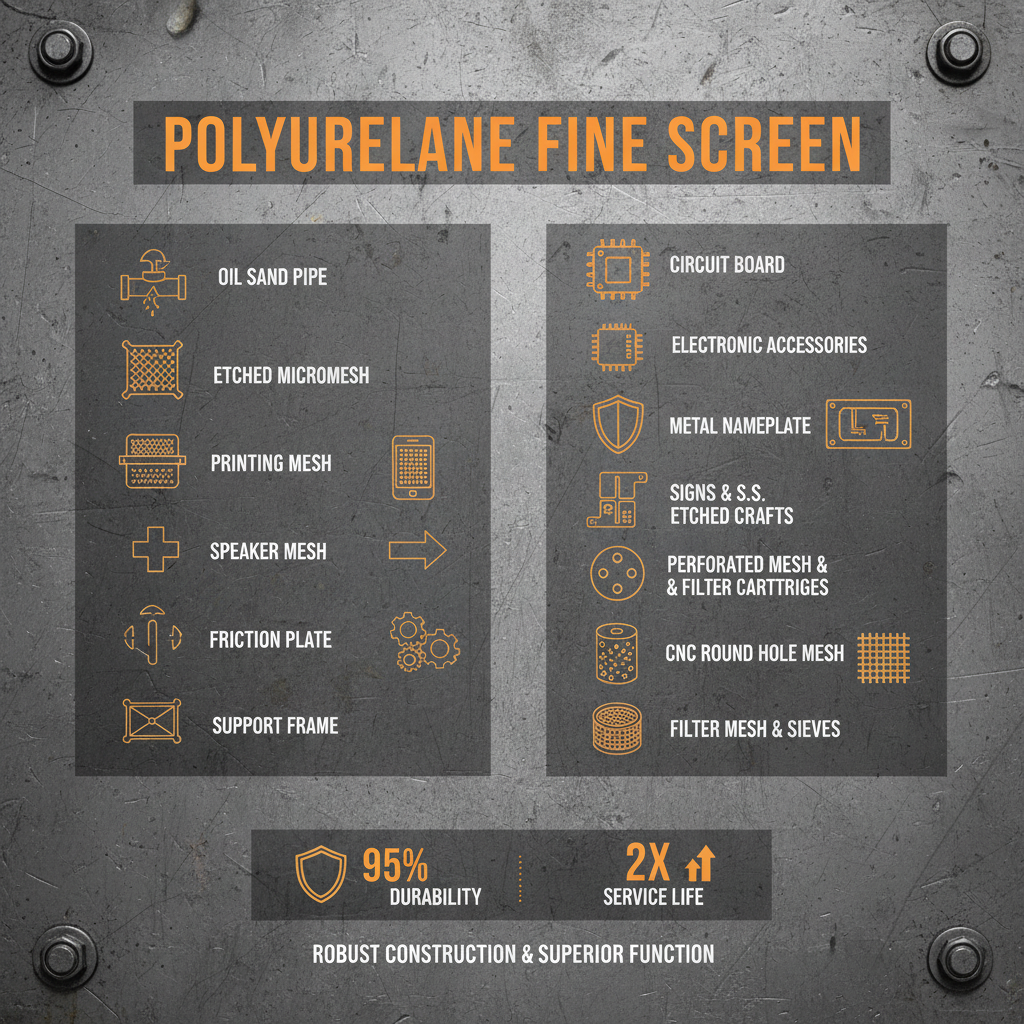
Tomaifilter provides polyurethane fine screens with varying specifications to meet diverse industrial demands. We specialize in customized solutions. Here's a general overview:
Polyurethane fine screens provide a durable, efficient, and customizable solution for a wide range of filtration challenges. Tomaifilter is dedicated to providing high-quality screens tailored to your specific needs. Contact us today to discuss your filtration requirements and discover how we can optimize your processes.
The lifespan of a Tomaifilter polyurethane fine screen varies depending on the application, material being processed, and operating conditions. However, due to the inherent abrasion resistance of polyurethane, our screens typically last significantly longer than traditional stainless steel alternatives. In many applications, users experience years of reliable performance before requiring replacement. Regular inspection for wear and tear is recommended to ensure optimal performance and safety. Factors like pH levels and chemical exposure can also impact lifespan.
Yes, absolutely! Tomaifilter specializes in custom-engineered polyurethane fine screens. We can manufacture screens to precise dimensions and unique shapes to seamlessly integrate into your existing equipment and processes. We work closely with our clients to understand their specific requirements and deliver tailored solutions that optimize performance and efficiency.
Tomaifilter offers a range of polyurethane formulations to suit various applications. These include formulations with different durometers (hardness) for varying levels of abrasion resistance and flexibility, as well as specialized formulations for chemical resistance and high-temperature applications. We carefully select the appropriate formulation based on your specific process parameters and operating environment to ensure optimal performance and longevity.
Cleaning procedures depend on the material filtered. Generally, a mild detergent and water solution is sufficient. Avoid harsh chemicals or abrasive cleaners that could damage the polyurethane. For stubborn residues, ultrasonic cleaning may be effective. It’s crucial to ensure the screen is thoroughly rinsed and dried before reinstalling. Regularly cleaning your screen will maximize its lifespan and maintain optimal filtration performance.


Hit enter to search or ESC to close
